Skip to search results
loaded 1 results
Aqua Bound: Deals
(1 product)Products (1)
Filter
Sort: Best Match
View:
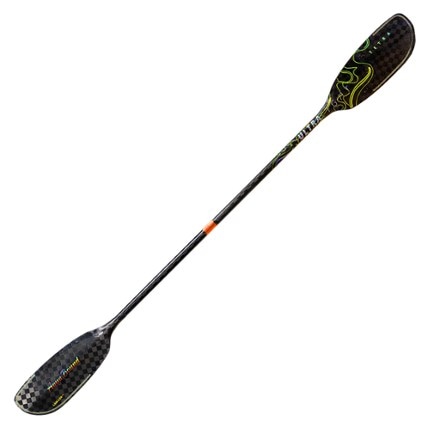
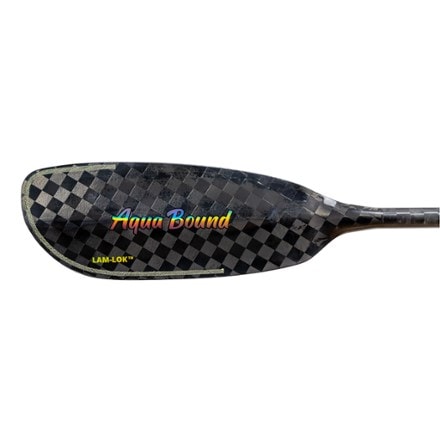
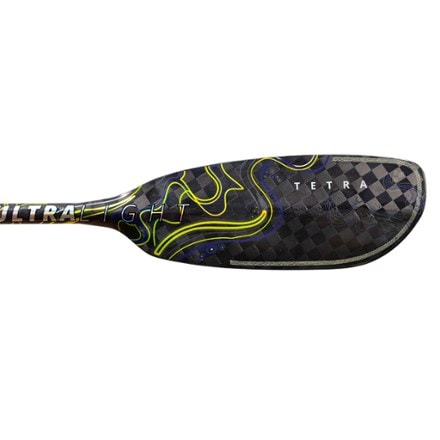
- Aqua BoundUltralight Tetra 2-Piece Posi-Lok Kayak Paddle$329.83Save 40%compared to $549.95(2)2 reviews with an average rating of 3.0 out of 5 stars



Sort: Best Match
Related Expert Advice articles
Paddle length
- The wider your kayak, the longer your paddle needs to be
- Your height is also a factor, especially for a narrower boat; taller paddlers need longer paddles
Shaft material
- Lightweight materials improve performance but add to the price
- Carbon fiber is the lightest and most expensive compared with composite
Paddle style
- High-angle paddles have shorter, wider blades for faster, more precise strokes
- Low-angle options are common for recreational kayaking in flatwater
Shaft type
- A bent shaft or feathered blades can also improve a paddle's effectiveness.
- Two-piece or four-piece: A four-piece has shorter sections so it's more portable
Using a SUP paddle properly makes a world of difference. This article covers how to size and hold a paddle, and 5 essential SUP strokes.
Read full article: How to Paddle a Paddle Board: Basic Strokes
With a few simple strokes, you can move your kayak forward, turn it and slow it down. Our article and video give you the basics.
Choose a paddle length
Many paddles are adjustable in length so you can fine-tune the fit or swap between paddlers.
- If buying online: Add about 8-12 inches to your height and look for a paddle within that range
- If buying in person: Hold the paddle with the blade touching the ground and reach one arm straight above your head; the T-grip handle should land at the bend of your wrist
Choose the blade surface area
Use your body size and how you paddle as a starting point when considering the blade surface (measured in square inches).
- Small/medium (less than 150 lbs.): 80-90 sq. in.
- Medium/large (150-200 lbs.): 90-100 sq. in.
- Large/extra-large (200+ lbs.): over 100 sq. in.
Shaft material
- Carbon fiber: Lightest, stiffest and most expensive option; provides excellent power transfer
- Fiberglass: Lightweight, stiff and efficient at power transfer; more affordable than carbon