Kelty: Deals
(1 product)- Deals (1)
- Camping (1)
- Gray (1)
- $50.00 to $99.99 (1)
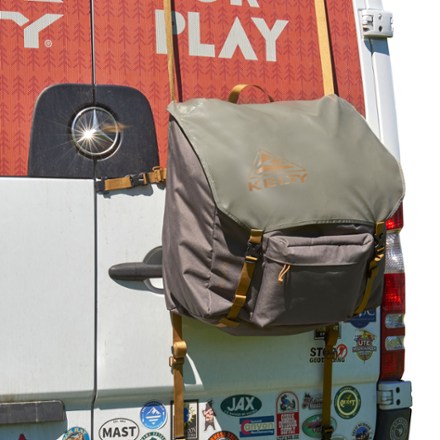
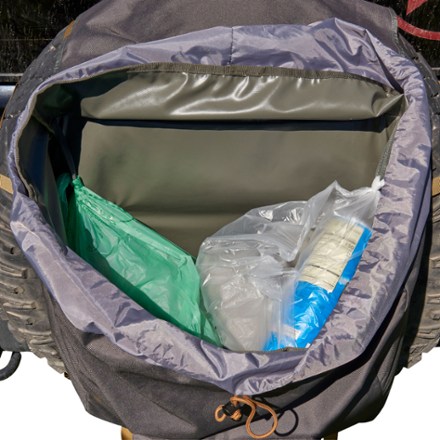
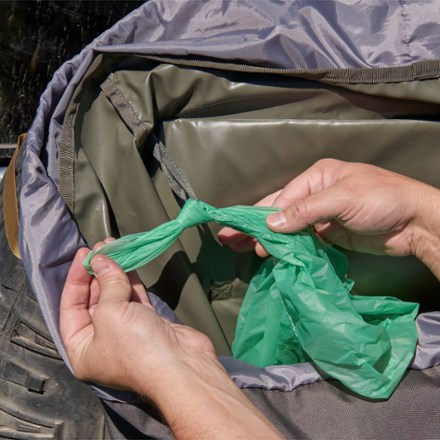
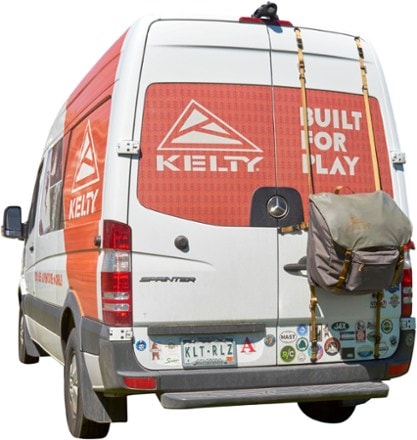
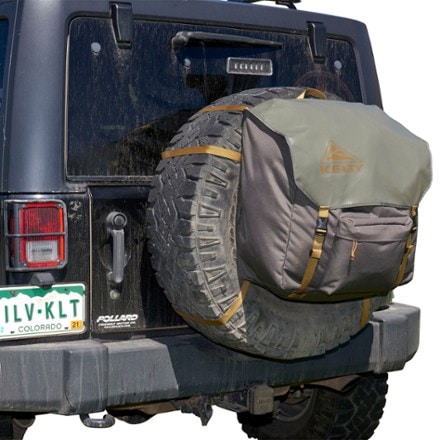
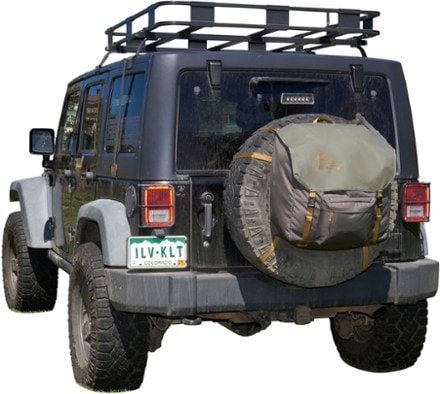
- KeltyTrash Pak$90.93Save 30%compared to $129.95(7)7 reviews with an average rating of 3.7 out of 5 stars
Related Expert Advice articles
Read full article: Gear Review: Testing the Exped Terra 15 Sleeping Bag
Read full article: The 9 Best Sleeping Bags for Backpacking of 2025: Staff Picks
What capacity tent do you need?
- How many are in your group? Tents vary in size from 2- to 8-person.
- Assume a close fit for the number of people your tent is designed to accommodate. If you need more space for dogs and gear, size up.
Choose the seasonality
- 3-season tents are great shelters for most of the year. They have ample mesh for good airflow and can withstand basic downpours.
- 3+- season tents are a little sturdier, and with less mesh, and are warmer than their 3-season cousins.
- 4-season tents are engineered to handle high winds and other severe weather. This can make them stuffy in warm weather.
Decide on key features
- Peak height: Look for a taller peak height if you want to stand up in the tent.
- Floor length: Can you fully lie down if you’re tall? Will it fit your cot or air mattress?
- Doors: If multiple people are sleeping in the tent, you might want more than one door for more convenient access.
Liner uses
- Backpacking: A mummy-shaped liner can add 5° to 15°F of warmth to your bag. It also helps your bag last longer by protecting it from dirt and body oils.
Traveling: A rectangular liner separates you from unclean bedding.
Liner materials
- Silk: Very light, compact and insulates in cold weather. Absorbent and breathable in warm weather. Price: moderate to expensive.
- Cotton: Strong, durable, absorbent. Not the lightest or most compact. Price: economical.
- Fleece and microfleece: Warmer, heavier, soft, moisture-wicking, quick-drying. Mid- and heavyweight varieties are bulky. Price: moderate.
- Synthetics: Moisture-wicking, breathable, stretchy. Price: moderate.
- Insulated: Adds enough warmth to greatly extend the temp range of a lightweight bag. Price: moderate to expensive.
Understand temperature ratings
Opt for a sleeping bag with a temperature rating below the lowest nighttime temperature you expect when camping.
Choose a sleeping bag shape
There are four main shapes: rectangular, semirectangular, mummy and double. For camping, you want one that gives you room to stretch.
Decide between synthetic or down insulation
- Synthetic is more affordable, dries faster and provides warmth when damp.
- Down is lightweight, durable and compresses small.
Other features to consider
A waterproof shell, snug-fitting hood, extra zippers and even a stash pocket can add durability, warmth and function.
Read full article: Sleeping Bag Buying Guide: How to Choose the Right One for Camping