

How to Choose a Backpacking Tent
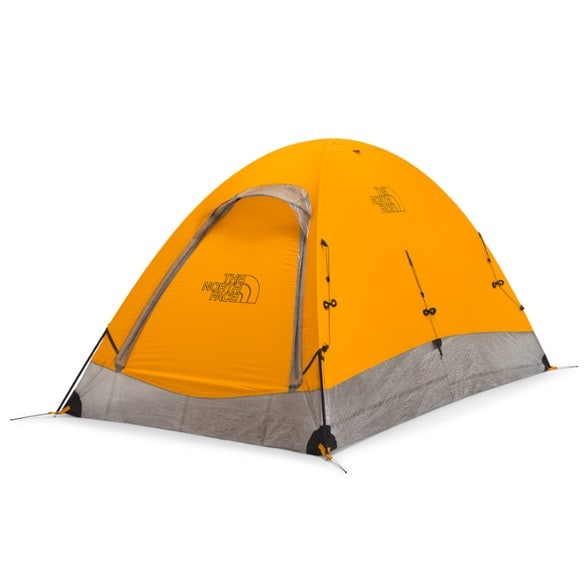
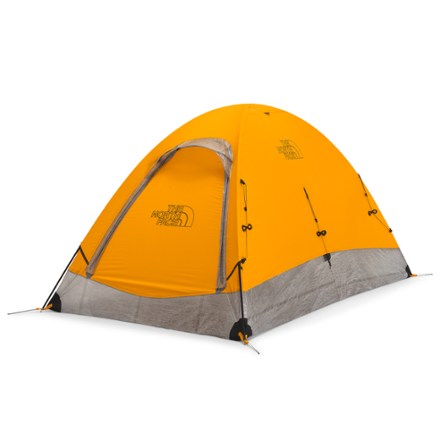
With a trail weight of less than 2 lbs., this single-wall The North Face tent lets you go light. It has an ultralight waterproof/breathable canopy and a Dyneema® floor. And it uses carbon fiber poles.
Imported.
View the The North Face Summit Series Product LineView all The North Face Backpacking Tents| Best Use | Mountaineering |
|---|---|
| Seasons | 4-season |
| Sleeping Capacity | 2-person |
| Minimum Trail Weight | 1 lb. 10.81 oz. |
| Tent Shape | Dome |
| Packaged Weight | 2 lbs. 13.01 oz. |
| Packed Size | 14.17 x 7.68 x 5.51 inches |
| Floor Dimensions | 81.89 x 44.09 inches |
| Floor Area | 15.16 square feet |
| Peak Height | 41.34 inches |
| Number of Doors | 1 door |
| Number of Poles | 2 |
| Pole Material | Carbon fiber Easton Syclone |
| Pole Diameter | 9 millimeters |
| Canopy Fabric | 10-denier waterproof/breathable 3-layer ripstop nylon |
| Floor Fabric | Dyneema fabric CT2K.18 - Black |
| Footprint Included | No |
| Ultralight | Yes |
| Design Structure | Freestanding |
Adding a review will require a valid email for verification
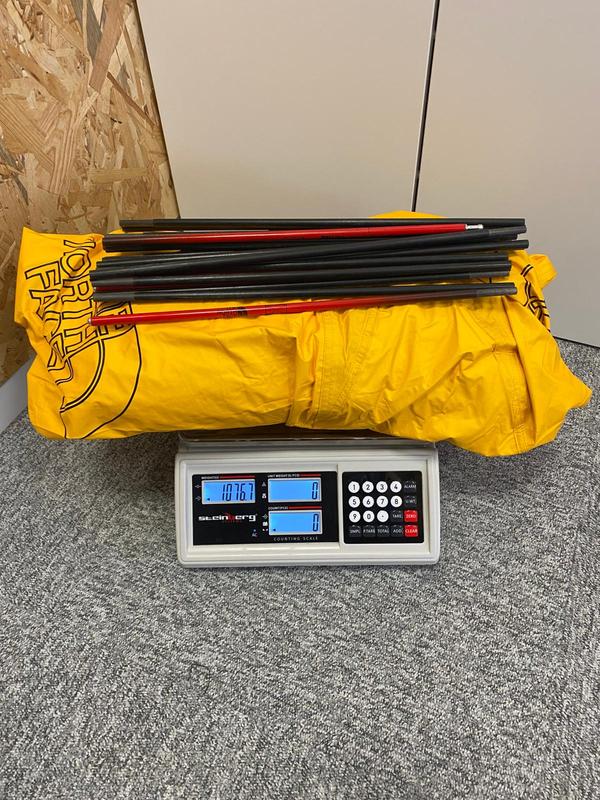
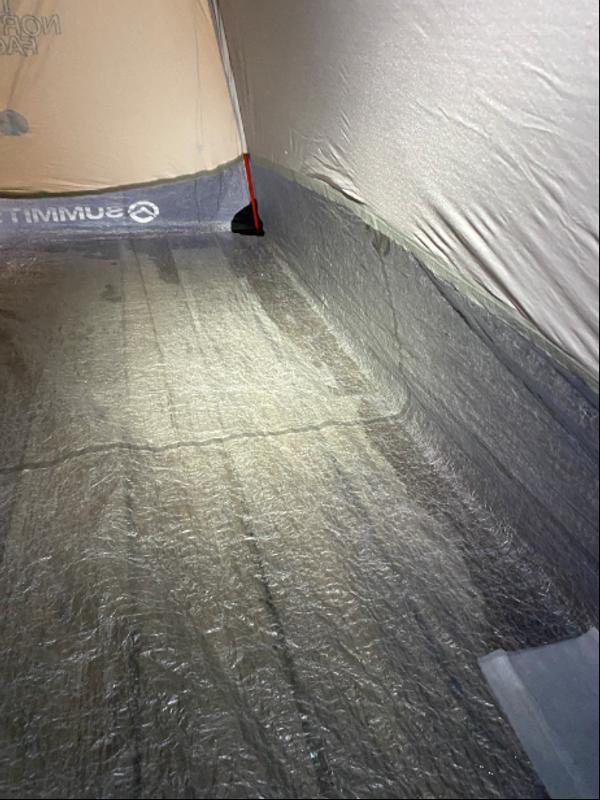
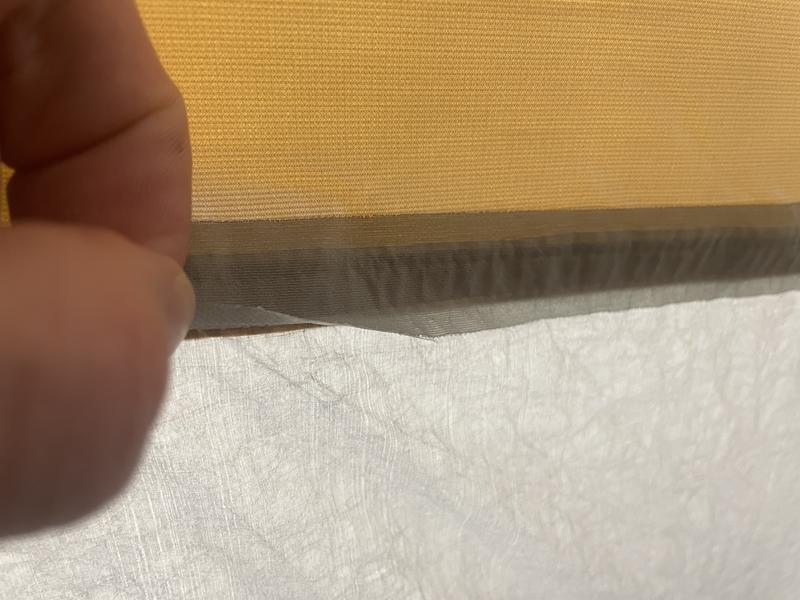
Like many of you, I was very skeptical when I saw the specifications for the Summit Series AMK Assault 2 on The North Face website: a stated trail weight of 760 g and a fastpack weight of 516 g. Considering the materials and overall construction, those figures seemed extremely difficult to achieve. After carefully weighing the tent myself (773 g / 1.7 lbs for the canopy and 304 g / 0.67 lbs for the poles), the minimum weight comes out to approximately 1,077 g / 2.37 lbs. There is no realistic configuration that comes close to the advertised 516 g, unless the floor is removed entirely. In practice, the 760 g figure is very close to the weight of the canopy alone, without poles. The tech specs also appear to be incorrect regarding floor dimensions. I measured the floor at approximately 205 cm × 110 cm, which equals 2.26 m² / 24.3 sq ft. Waterproofness: I understand that some users do not necessarily expect an assault-style tent to be fully waterproof (for example, the Black Diamond First Light is not). The issue here is that The North Face explicitly markets the Assault 2 as “waterproof” on its website. However, during internal testing (one hour under rain), a significant amount of water entered the tent. The inner seam of the pole sleeves is not taped; only the visible outer seam is. In addition, the tape at the Dyneema®/nylon junction is already peeling on a brand-new tent. Pitching: This issue also persists compared to previous versions. There are still no tension adjusters: the eyelet where the pole inserts is fixed. In dry conditions, the fabric is extremely tight and significant force is required to insert the poles; in humid conditions, the nylon relaxes and pitching becomes easier. However, the Dyneema® floor will shrink by around 5% over time, which will make tensioning increasingly difficult, potentially impossible. During one setup, a carbon fiber splinter from a pole remained in my fingers. It is understandable that brands aim to develop ultra-light alpine shelters. But combining extreme lightness, ultra-technical materials that are difficult to handle, and the robustness required for serious mountaineering is anything but simple. The use of Dyneema alone does not solve everything. The complexity of designing and manufacturing such a product is often underestimated, and in this case, it shows.
No screen material means that snow will blow in, pile up, and get into everything.


Buy a lifetime $30 membership and make a $50 purchase by Nov 12, 2026.*
$185
10% Reward*
on this and every eligible full-price item*
+
$30
Bonus Card*
valid for 30 days after joining*
=
$215
Value