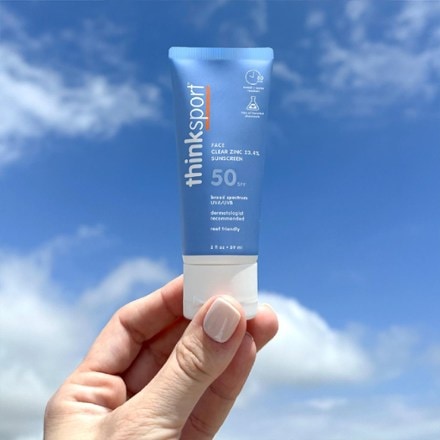
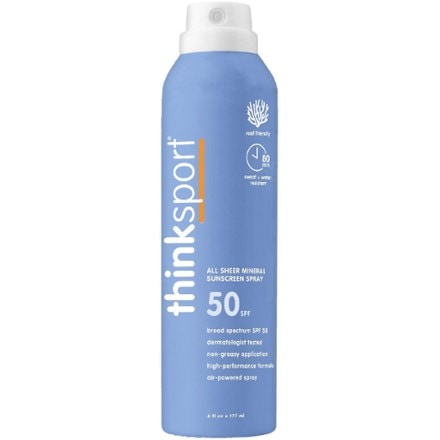
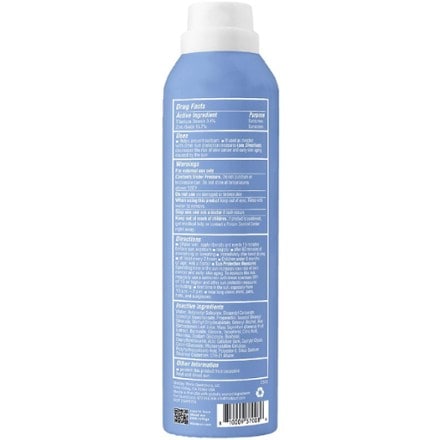
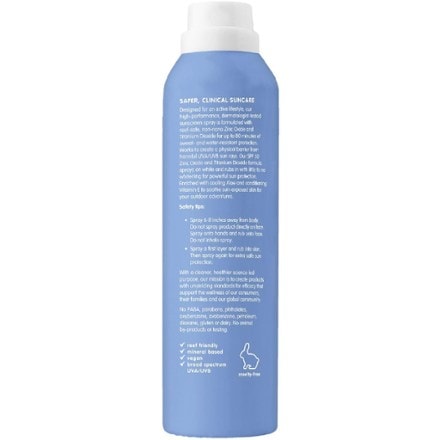
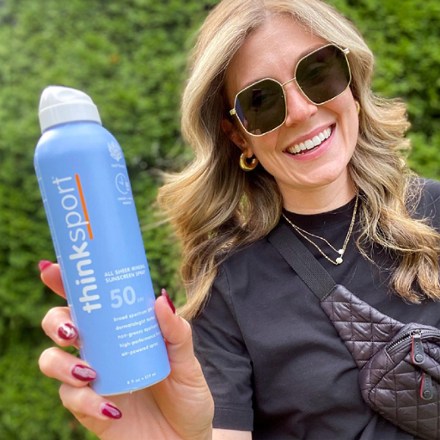
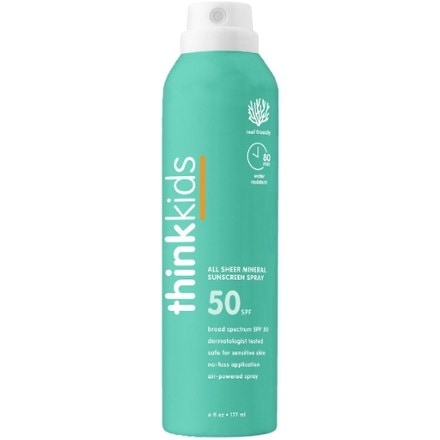
Active sunscreen ingredients
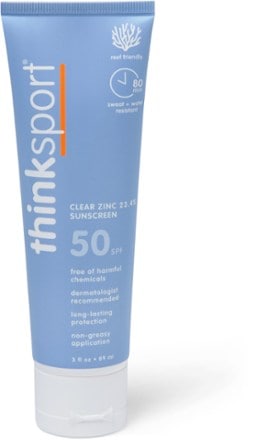
Mineral sunscreens:
- Create a physical barrier that reflects the sun’s rays
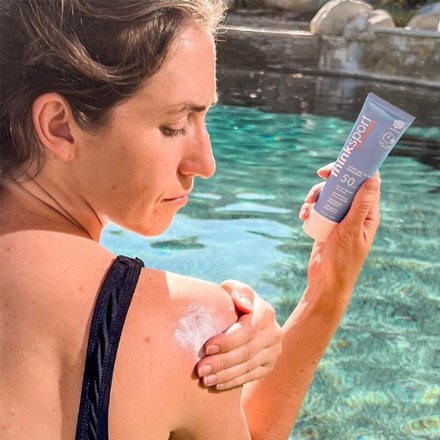
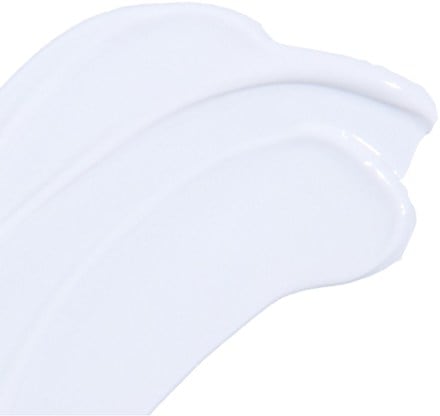
- Often look white when you apply them
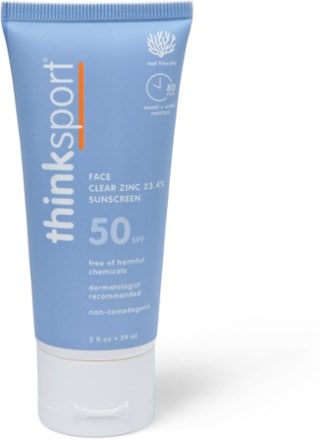
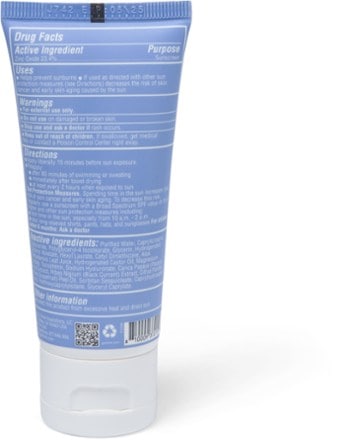
- Contain zinc or titanium dioxide
Chemical sunscreens:
- Absorb UV rays to protect your skin from sun damage
- Soak into your skin and are transparent
- Contain oxybenzone, octinoxate or other chemicals that have been shown to threaten coral reefs and ocean life
SPF (Sun Protection Factor)
- The higher the SPF, the stronger the protection from sunburn
- SPF 15: blocks 93% of UV rays; best for everyday and indoor use
- SPF 30: blocks 97% of UV rays; best for everyday use and some time outdoors
- SPF 50: blocks 98% of UV rays; recommended time outside
Other tips
- Look for broad-spectrum sunscreens that protect skin from both UVA and UVB wavelengths
- Evenly applying sunscreen is almost more important than the SPF you choose
- Choose a water-resistant sunscreen if you're swimming or sweating
Read full article: How to Choose and Use Sunscreen