Skip to search results
loaded 61 results
Sleep Tracking Camping and Hiking
(61 products)Products (61)
Filter
- Camp Electronics (61)
- Multisport (45)
- Running (7)
- Fitness (7)
- Trail Running (4)
- Scuba Diving (2)
- $1000.00 to $1999.99 (10)
- $2000.00 to $5000.00 (1)
- $100.00 to $199.99 (5)
- $200.00 to $499.99 (26)
- $500.00 to $749.99 (15)
- $750.00 to $999.99 (5)
- Pressure-based (52)
- Satellite-based (2)
- No (7)
- Deals (4)
- 30 meters (1)
- 50 meters (22)
- 100 meters (35)
- 200 meters (2)
- Tracks Steps (61)
- Swimming Functions (61)
- Sleep Tracking (61)
- Tracks Speed (60)
- Tracks Distance (60)
- Smart Device Notifications (60)
- HRM Included/Integrated (60)
- Cycling Functions (60)
- Tracks Calories Burned (58)
- Compass (58)
- Wireless Sync (57)
- Pulse Oximeter (53)
- VO2 Max Estimate (53)
- Programmable Routes (52)
- Top Rated (19)
- Solar-Powered (9)
- Preloaded Geocaches (4)
- New Arrivals (1)
- Wrist-based (60)
Sort: Best Match
View:
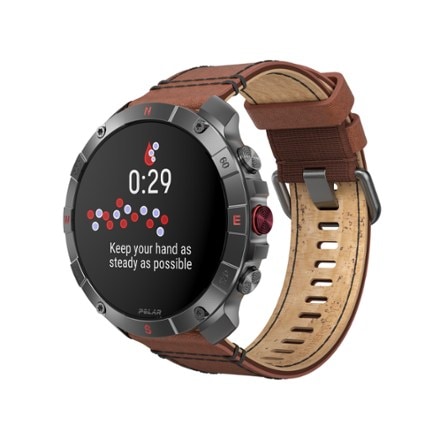
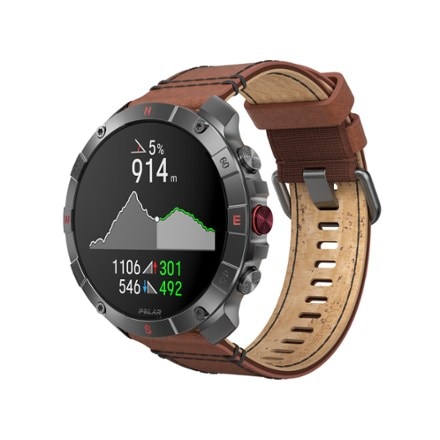
- PolarIgnite 3$319.93Save 20%compared to $400.00(1)1 reviews with an average rating of 4.0 out of 5 stars
61–61 of 61 products
Sort: Best Match
Related Expert Advice articles
Our 7 favorite coffee makers for camping, backpacking and other outdoor morning adventures, plus the best camp coffee accessories.
Read full article: The 7 Best Camp Coffee Makers of 2025: Tested
Our five favorite sleeping pads for around $100 include options for backpacking and car camping, plus a variety of pad types and warmth ratings.
Read full article: The Best Budget Sleeping Pads of 2024: Tested
What size hammock is best for you?
- Single: Lighter for backpacking but less spacious.
- Double: Two people can share or one person to spread out.
- Length: Look for a hammock that is at least 2 feet longer than your height.
- Weight capacity: Check to make sure it suits your needs.
Consider accessories:
- Underquilts offer great insulation for hammock camping in cooler weather.
- Rain tarps, hung above the hammock, protect you from the elements.
- Bug nets: Look for models with 360-degree protection and “no-see-um” netting.
Should you consider a hammock tent?
- Pros: Generally lighter and more compact than a traditional tent, doesn't require level ground and has less impact on ground vegetation.
- Cons: Won’t work without sturdy trees, colder and less rainproof than a traditional tent, and have minimal interior storage.
Our roundup of camping lanterns includes models for car camping and backpacking, plus string lights and solar options.
Read full article: The Best Camping Lanterns of 2025: Tested
Our REI field testers pick their 8 favorite headlamps for running, camping, backpacking and more.
Where will you use the pad?
Decide how you’ll use the pad. Weight and packability will matter more if you're backpacking than if you're car camping. If you're winter camping, pick an insulated pad with warmth (or a high R-value).
What are the different types of sleeping pads?
- Air pads. Pros: Comfortable, lightweight and packable. Cons: Generally more expensive. Can be punctured or ripped.
- Self-inflating pads. A combo of open-cell foam and air. Pros: Often quite warm. Made in a variety of thicknesses and styles. Cons: Heavier than a simple foam pad.
- Closed-cell foam pads. Pros: Cheapest option. Almost indestructible. Cons: Not super comfortable.
Decide on the warmth (R-value) you need
- Sleeping pads are rated by R-value; a higher number means more insulation.
- Match your choice to the season and weather.
- Pads with an R-value less than 2.0 are suitable for warm weather whereas those with an R-value 5.5 and greater are ideal for extreme-cold-weather.
What dimension do you need?
- Pads vary by weight, cushioning, length, width, ease of inflation and more. At a minimum, your shoulders and hips need to fit on a pad.
- Regular (typically 72 inches long) and long (typically 78-inch) pads will insulate your legs and feet.
- A short or 3/4-length pad (usually 47 or 48 inches) weighs less and packs smaller.
Read full article: How to Choose the Best Sleeping Pad for Camping and Backpacking