Sea to Summit Trek & Travel
(3 products)- Aeros (4)
- Comfort (6)
- Trek & Travel (3)
- Wilderness (3)
- Camping (3)
- Top Rated (1)
- Biodegradable (1)
- $0.00 to $9.99 (3)
- 0 to 0.49 (3)
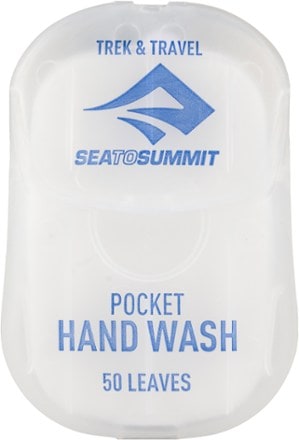
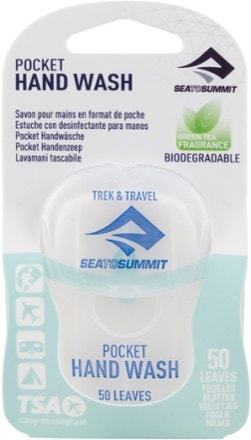
- Sea to SummitTrek & Travel Pocket Hand Wash$6.95(59)59 reviews with an average rating of 4.5 out of 5 stars
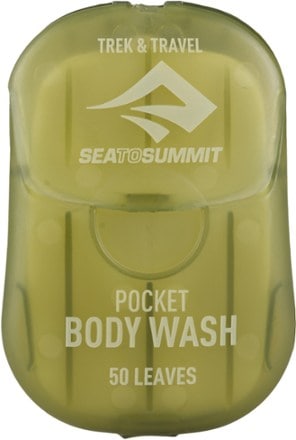
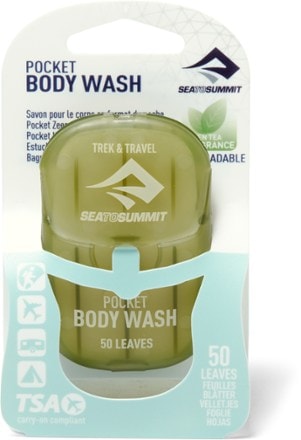
- Sea to SummitTrek & Travel Pocket Body Wash$6.95(52)52 reviews with an average rating of 4.1 out of 5 stars
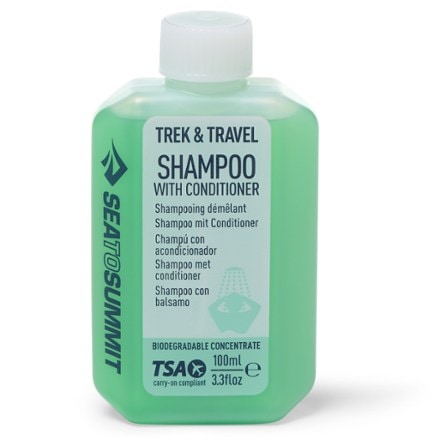
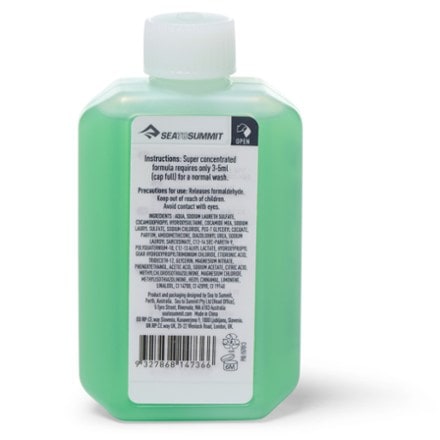
- Sea to SummitTrek & Travel Shampoo with Conditioner - 3.3 fl. oz.Top Rated$7.95(26)26 reviews with an average rating of 4.8 out of 5 stars
Related Expert Advice articles
Read full article: Gear Review: Testing the Exped Terra 15 Sleeping Bag
Read full article: The 9 Best Sleeping Bags for Backpacking of 2025: Staff Picks
What size hammock is best for you?
- Single: Lighter for backpacking but less spacious.
- Double: Two people can share or one person to spread out.
- Length: Look for a hammock that is at least 2 feet longer than your height.
- Weight capacity: Check to make sure it suits your needs.
Consider accessories:
- Underquilts offer great insulation for hammock camping in cooler weather.
- Rain tarps, hung above the hammock, protect you from the elements.
- Bug nets: Look for models with 360-degree protection and “no-see-um” netting.
Should you consider a hammock tent?
- Pros: Generally lighter and more compact than a traditional tent, doesn't require level ground and has less impact on ground vegetation.
- Cons: Won’t work without sturdy trees, colder and less rainproof than a traditional tent, and have minimal interior storage.
How will you be using your liner?
- For backpackers, a mummy-shaped bag liner helps keep your sleeping bag free of dirt and body oils, helping it last longer. A liner can also be used in place of a sleeping bag in hot climates.
For travelers, a rectangular bag liner or travel sheet keeps you separated from bedding of questionable cleanliness or with possible bedbug infestations.
Which liner material is right for you?
- Silk: Very lightweight, compact and insulates in cold weather. Absorbent and breathable in warm weather. Price: moderate to expensive.
- Cotton: Strong, durable and absorbent, but not the lightest or most compact. Price: economical.
- Fleece and microfleece: Warmer, heavier, soft, moisture-wicking and quick-drying, but the mid- and heavyweight varieties are bulky. Price: moderate.
- Synthetics (e.g., CoolMax®): Moisture-wicking, breathable, ideal for humid conditions and stretchy for restless sleepers. Price: moderate.
- Insulated (e.g., Thermolite®): Adds enough warmth to greatly extend the range of a lightweight bag. It dries faster than cotton. Price: moderate to expensive.
Understand temperature ratings
Opt for a sleeping bag with a temperature rating below the lowest nighttime temperature you expect when camping.
Choose a sleeping bag shape
There are four main shapes: rectangular, semirectangular, mummy and double. Generally, you want one that gives you room to stretch.
Select synthetic or down insulation
- Synthetic is more affordable, dries faster and provides warmth when damp.
- Down is lightweight, durable and compresses small.
Consider other features
A waterproof shell, snug-fitting hood, extra zippers and even a stash pocket can add durability, warmth and function.
Read full article: Sleeping Bag Buying Guide: How to Choose the Right One for Camping
Read full article: The 5 Best Wide Sleeping Pads of 2025: Tested