Skip to search results
loaded 2 results
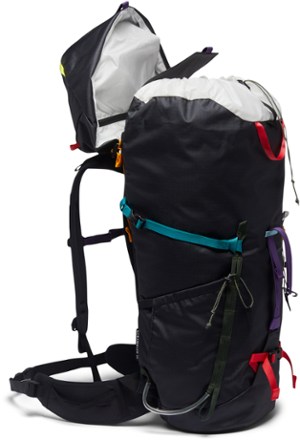
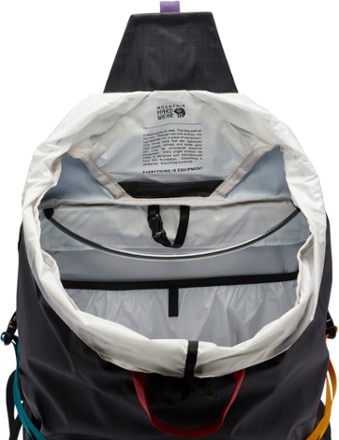
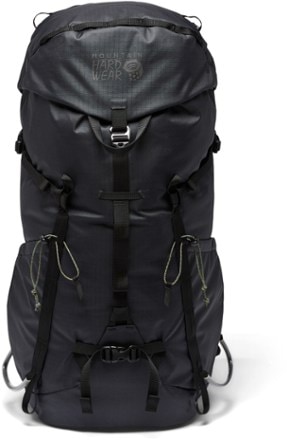
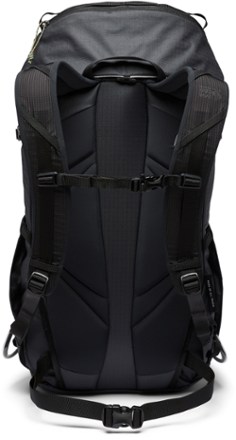
Mountain Hardwear Scrambler
(2 products)Products (2)
Filter
- Packs and Bags (2)
- Packs (2)
- Climbing (2)
- Hiking Backpacks (2)
- Alpine (13)
- AMG (2)
- Bishop Pass (12)
- Camp (1)
- Crater Lake (16)
- Dynama (17)
- Ghost Shadow (2)
- Scrambler (2)
- StretchDown (14)
- Stryder (9)
- Unisex (2)
- Top Rated (2)
- Reservoir Compatible (2)
- Hipbelt Pockets (1)
- $100.00 to $199.99 (1)
- $200.00 to $499.99 (1)
- 21 to 35 (2)
- Frameless (2)
- 1.50 to 2.99 (2)
- Weekend (35-50L) (1)
- Backpack (2)
- Top (2)
Sort: Best Match
View:
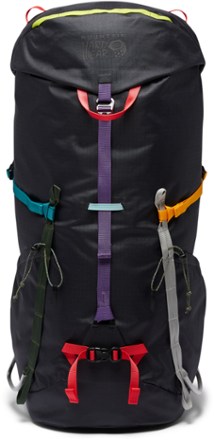
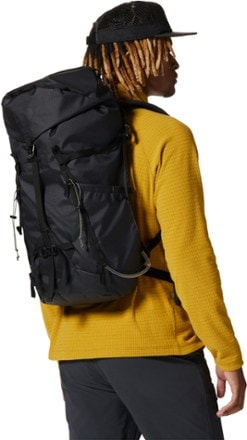
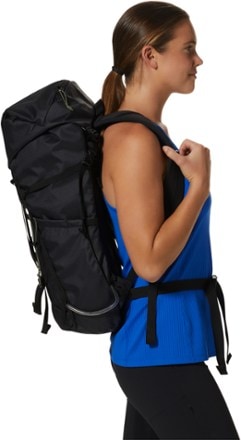
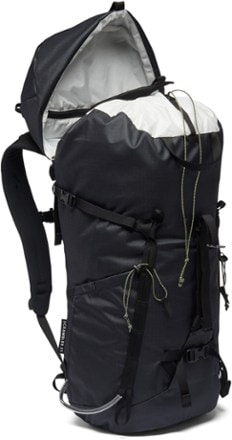
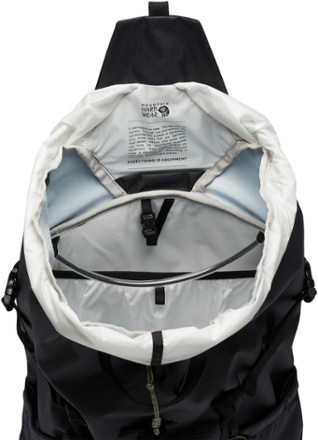
- Mountain HardwearScrambler 25 PackTop Rated$195.00(20)20 reviews with an average rating of 4.8 out of 5 stars
- Mountain HardwearScrambler 35 PackTop Rated$215.00(17)17 reviews with an average rating of 4.8 out of 5 stars
Sort: Best Match
Related Expert Advice articles
This versatile backpacking sleeping bag from Exped strikes a balance between warmth, weight and compressibility—at a wallet-friendly price.
Read full article: Gear Review: Testing the Exped Terra 15 Sleeping Bag
Our experts recommend these nine sleeping bags for backpacking, including top picks from REI Co-op, Mountain Hardwear, Big Agnes, Therm-a-Rest and NEMO.
Read full article: The 9 Best Sleeping Bags for Backpacking of 2025: Staff Picks
What capacity tent do you need?
- How many are in your group? Tents vary in size from 2- to 8-person.
- Assume a close fit for the number of people your tent is designed to accommodate. If you need more space for dogs and gear, size up.
Choose the seasonality
- 3-season tents are great shelters for most of the year. They have ample mesh for good airflow and can withstand basic downpours.
- 3+- season tents are a little sturdier, and with less mesh, and are warmer than their 3-season cousins.
- 4-season tents are engineered to handle high winds and other severe weather. This can make them stuffy in warm weather.
Decide on key features
- Peak height: Look for a taller peak height if you want to stand up in the tent.
- Floor length: Can you fully lie down if you’re tall? Will it fit your cot or air mattress?
- Doors: If multiple people are sleeping in the tent, you might want more than one door for more convenient access.
How will you be using your liner?
- For backpackers, a mummy-shaped bag liner helps keep your sleeping bag free of dirt and body oils, helping it last longer. A liner can also be used in place of a sleeping bag in hot climates.
For travelers, a rectangular bag liner or travel sheet keeps you separated from bedding of questionable cleanliness or with possible bedbug infestations.
Which liner material is right for you?
- Silk: Very lightweight, compact and insulates in cold weather. Absorbent and breathable in warm weather. Price: moderate to expensive.
- Cotton: Strong, durable and absorbent, but not the lightest or most compact. Price: economical.
- Fleece and microfleece: Warmer, heavier, soft, moisture-wicking and quick-drying, but the mid- and heavyweight varieties are bulky. Price: moderate.
- Synthetics (e.g., CoolMax®): Moisture-wicking, breathable, ideal for humid conditions and stretchy for restless sleepers. Price: moderate.
- Insulated (e.g., Thermolite®): Adds enough warmth to greatly extend the range of a lightweight bag. It dries faster than cotton. Price: moderate to expensive.
Learn which clothes to bring backpacking in order to keep your pack light while making sure you'll have everything you need.
Learn how to fix a broken tent pole in the field and at home with these expert tips.