Skip to search results
loaded 1 results
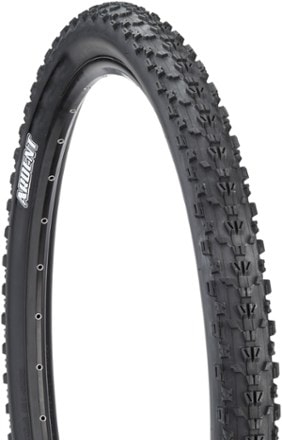
Maxxis Ardent
(1 product)Products (1)
Filter
- Cycling (1)
- Bike Parts (1)
- Mountain Biking (1)
- $20.00 to $49.99 (1)
- Black (1)
- 27.5 inches (1)
- 2.4 inches (1)
- 1.50 to 2.99 (1)
- Wire (1)
- Tubed Clincher (1)
- Knobby Tread (1)
Related Expert Advice articles
Learn how tire size and width, lug patterns, tubeless options and rubber types can affect performance when you upgrade mountain bike tires.
What size do you need?
- Check the sidewall of your current tire; the numbers indicate tire size (rim size and width)
- A tire size of 29 x 2.3 has a 29 in. rim size and a 2.3 in. width
- While the tire diameter must be an exact match with your rim size, you can opt for variations in tire widths though you should consider the min/max widths of the rim
Tire Type
- Tubeless ready: These tires seal directly on rim of a bike and don’t require a separate inner tube
- Tubeless clincher: This common tire setup includes a tire and a separate inner tube
- Tubular: Less common, the inner tube is sewn inside the casing and glued or taped onto the rim
Bead type
- Wired: The bead—or the edge of the tire that fits into a rim—is made of steel wire so can’t be folded; generally cheaper and heavier
- Folding: These have a flexible Kevlar bead; they can be folded up, making storing and carrying easy
Dynamic vs. static ropes
- Dynamic: Designed to stretch to absorb the impact of a falling climber
- Static: Stretch very little, so they shouldn't be used in cases where a fall could occur; ideal for rescue, rappelling and hauling
Ropes categories
- Single rope: Most climbers buy single ropes, which are designed to be used by themselves and not with another rope; common for sport and trad climbing
- Half rope: When climbing with half ropes, you use two ropes, clipping alternately for reduced rope drag; common for trad climbing on wandering routes, mountaineering and ice climbing
- Twin ropes: Also a two-rope system, but both strands are clipped through each piece of protection
Diameter and length
- Thinner ropes (about 8.5-9.5mm) are lighter, less durable and require more skill to handle safely
- Thicker ropes are generally more abrasion-resistant; ideal for beginners or frequent use
- Dynamic ropes range in length from 30-80 meters. A 60-meter rope is the standard and will meet your needs most of the time.
Dry treatment
Some ropes include a dry treatment that reduces water absorption. Dry-treated ropes are more expensive than non-dry options.
- Dry-treated: Dry ropes can have a dry core, a dry sheath or both. Ropes with both core and sheath offer the greatest moisture protection.
- Non-dry: A non-dry rope is probably sufficient for sport climbing
Learn the basics of rope care such as cleaning, storing and inspecting, plus when to retire an old rope.
Read full article: How to Clean and Care for a Climbing Rope
Related searches