Chaos Merino Wool Women's Clothing
(1 product)- Deals (1)
- One Size (1)
- Casual (1)
- Regular (1)
- $20.00 to $49.99 (1)
- Merino Wool (1)
- Gray (1)
- No (1)
- Beanie (1)
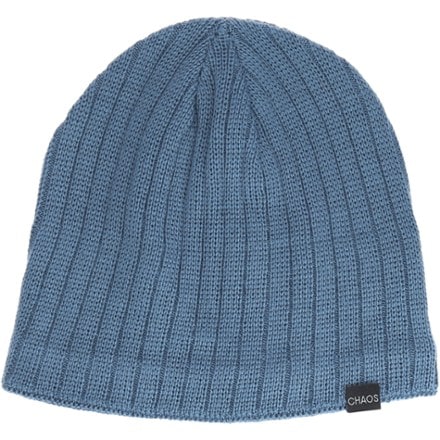
- ChaosChicago Merino Beanie - Women's$31.73Save 36%compared to $49.99(1)1 reviews with an average rating of 5.0 out of 5 starsREI OUTLET
Designed for everyday life
Built to perform, DUER stands out for its comfort, versatility and flattering fits.
Shop now
Earn 15% in total rewards
Get 5% on all REI Co-op purchases plus the 10% Co-op Member Reward you earn on eligible full-price purchases.
Apply now
Terms apply
Related Expert Advice articles
Choose a fabric type
Wool: Stays warm when wet, resists odor and wicks moisture
Synthetic (nylon, polyester or acrylic): Ideal for sensitive skin, trap warmth and wick moisture.
How much cushioning do you want?
No cushioning: Best for tighter-fitting performance boots that have a tighter fit or maximum ground feel
Light cushioning: Shin padding with minimal cushioning on the balls of the feet, often with reinforced toes and heels
Medium cushioning: Added padding for warmth and impact absorption; ideal for cold conditions or looser-fitting boots
Length
- Knee high: Most socks for skiing and snowboarding go up to the knees to help protect from shin bang
- Crew: Cross-country skiers and snowshoers may prefer shorter hiking socks
Hiking shoe vs. hiking boot
- Hiking shoes
- Often lighter weight, lower cut, more flexible and more breathable
- Ideal for day hikes or backpacking with lighter loads
- Hiking boots
- Burlier, with stiffer uppers, over-the-ankle coverage and typically waterproof
- Ideal for multi-day treks with heavier loads
Types of hiking boots
- Day-hiking boots: Mid- to high-cut models that require less break in time; intended for day hikes or short backpacking trips with light loads
- Backpacking boots: Often over-the-ankle height and heavier-built with stiffer midsoles; designed to support multiday treks with heavier loads
Consider the lugs
- Deep, thick lugs improve grip
- Wider lug spaces sheds mud and offer good traction
Types of shoes
Mountain bike: Added traction for rugged trails; options for clipless or flat pedals
Road cycling: Stiffest soles for efficient pedaling; cleats connect to clipless pedals for maximum pedaling efficiency.
City biking: Comfortable, everyday; good for recreational riding or commuting
Find the right fit
Choose shoes that feel comfortable from the start
Make sure your toes have enough room to wiggle slightly
Arches should feel snug and supported; heel should stay in place
Shoe closure:
Lace-up: Most customizable fit, can get wet or dirty in bad weather
Strap: Quick to adjust and more likely to stay secure
Dial lace: Delivers an adjustable fit with a quick-release cable system
Single-pull lace: Easy on and off with a single lace toggle
How to Choose Hiking Socks
Select your sock height
- No-show: Little protection against skin-to-boot abrasion. Best with low-cut footwear like trail-running or light hiking shoes
- Ankle: Covers your ankle bone and offers some protection. Best for low- to mid-cut shoes and boots
- Crew: Extends a few inches above ankle bone and protects against boot abrasion. Good for boots or shoes
- Knee-high: Typically used for mountaineering, provide warmth and protection against high-cut boots
Choose your preferred cushioning level
- None: Ultralight, breathable socks designed for use in hot weather or as sock liners
- Light: Moisture-wicking and comfortable at the heel and ball of your foot; relatively thin and better for warm conditions
- Medium: Targeted cushion in the heel and ball of the foot for hiking and backpacking; warm enough for moderate to cold conditions
- Heavy: Thickest and most cushioned; best for long trips, tough terrain and cold
Select a fabric
- Choose a moisture-wicking and quick-drying material like wool, polyester or nylon.
- Spandex is often added for its elastic properties to prevent bunching or wrinkling.
- Cotton isn't recommended as it absorbs moisture, takes longer to dry and cools down quickly.
Find your fit
- Choose based on your foot size, not shoe size.
- If you're between sizes, size down to avoid excess material that can bunch up and cause blisters.
- Socks should feel snug but not tight, and the sock's heel cup should naturally line up with your heel.