Chaos Hiking Clothing
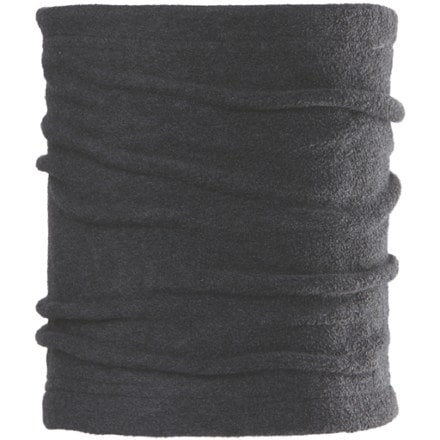
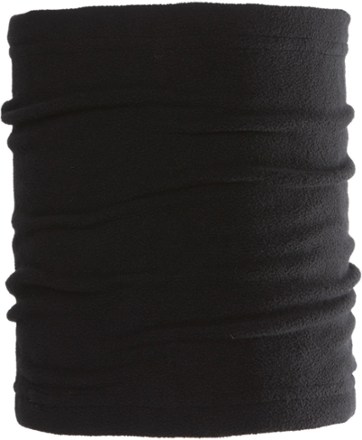
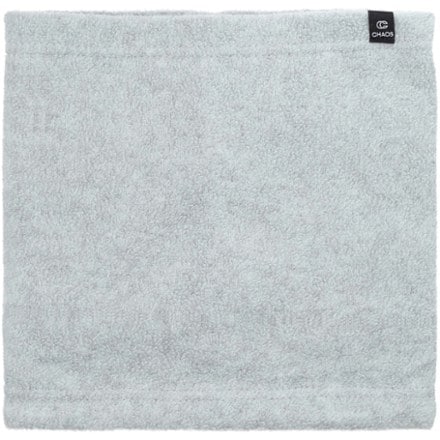
(3 products)- ChaosDrake Neck Tube$11.73Save 34%compared to $17.99(1)1 reviews with an average rating of 5.0 out of 5 starsREI OUTLET
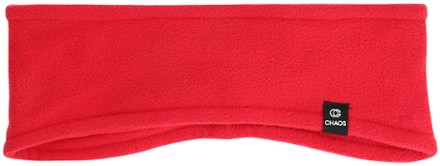
- ChaosRilla Fleece Earband$11.73Save 26%compared to $15.99(3)3 reviews with an average rating of 5.0 out of 5 starsREI OUTLET
- ChaosDrake Polar Fleece Neck Tube - Kids'$12.73Save 29%compared to $17.99(1)1 reviews with an average rating of 3.0 out of 5 starsREI OUTLET
only at rei
The Sahara Shade Hoodie
Get adventure-grade sun protection, only at REI.
Shop the collection
new brandLoremNani hike clothing
Breathable bottoms, lightweight tops & more new hike clothing for women from Nani.
Shop now
Related Expert Advice articles
Read full article: How to Choose Plus Size Outdoor Gear and Apparel
Hiking shoe vs. hiking boot
- Hiking shoes
- Often lighter weight, lower cut, more flexible and more breathable
- Ideal for day hikes or backpacking with lighter loads
- Hiking boots
- Burlier, with stiffer uppers, over-the-ankle coverage and typically waterproof
- Ideal for multi-day treks with heavier loads
Types of hiking boots
- Day-hiking boots: Mid- to high-cut models that require less break in time; intended for day hikes or short backpacking trips with light loads
- Backpacking boots: Often over-the-ankle height and heavier-built with stiffer midsoles; designed to support multiday treks with heavier loads
Consider the lugs
- Deep, thick lugs improve grip
- Wider lug spaces sheds mud and offer good traction
Which insulation do you prefer?
- Down: Ultralight, warm and packable; loses insulation when damp
- Synthetic: Insulates when damp, dries quickly; heavier and less packable than down
- Down/synthetic: Warm in targeted spots; warm when wet but heavier than pure down
Consider these features
Waterproof: Most are water-resistant; choose waterproof for added protection
- Ventilation: Pit zips or core vents help release heat during high-exertion activities
- Hoods: Some detach or accommodate helmets
- 3-in-1 jackets: Outer shell and insulated midlayer zip together; wear separately or as one
- Pockets: Stash gear, secure valuables
Sun-Protective Clothing Basics
- UV exposure poses risks in both warm and cold conditions
- Exposure risks are greater at higher elevation and equatorial locations
- For more UV protection, wear both UPF clothing and sunscreen
Understanding UPF Ratings
- Ultraviolet Protection Factor (UPF) indicates how much UV radiation can reach skin through a fabric
- The higher the UPF rating, the more effective the sun protection
- UPF 15 allows roughly 7% of UV rays to pass through
- UPF 30 allows roughly 3% of UV rays to pass through
- UPF 50 allows roughly 2% of UV rays to pass through
- UPF 50+ allows less than 2% of UV rays to pass through
UPF Clothing Materials
- Hot weather: Choose lightweight, moisture-wicking UPF garments
- Cold weather: Choose UPF-rated merino wool or synthetic base warmer layers
Read full article: How to Choose Sun-Protection (UPF) Clothing
Select your sock height
- No-show: Minimal protection; best with low-cut footwear like trail-running or light hiking shoes
- Ankle: Covers your ankle bone; best for low- to mid-cut shoes and boots
- Crew: Extends above ankle; good for boots or shoes
- Knee-high: Provides warmth and protection against high-cut boots
Choose your preferred cushioning level
- None: Ultralight; ideal for hot weather or as sock liners
- Light: Thin cushioning; better for warm conditions
- Medium: Targeted cushioning in the heel and ball; ideal for moderate to cold conditions
- Heavy: Thickest and most cushioned; best for long trips, rugged terrain and cold
Select a fabric
- Choose moisture-wicking, quick-drying materials like wool, polyester or nylon
- Spandex adds stretch to prevent bunching
- Cotton isn't recommended as it absorbs moisture and dries slowly
Find your fit
- Choose based on your foot size, not shoe size.
- If you're between sizes, size down to avoid excess material that can bunch up and cause blisters.
- Socks should feel snug but not tight, and the sock's heel cup should naturally line up with your heel.
Fabrics
- Synthetic: moisture-wicking, quick drying, durable, but can hold on to odor
- Wool: moisture-wicking, odor-resistant, cooling in warm weather, can be less durable
Styles
- Bikini: less rear coverage, thinner waistband, higher-cut leg
- Briefs (women's): full-cut briefs offer more coverage in front and back; hipsters offer medium front coverage and back with higher rise
Briefs (men's): close fit and good support, but less thigh coverage
- Boxer brief or boy shorts: snug fit, good coverage, longer cut extends down to the upper thigh
- Boxers: looser fit, added coverage can prevent chafing but prone to bunching
- Thongs: lightweight and quick-drying but provide the least coverage
- Sports bras: compression and support during high-output activities like hiking and running