
How to Choose a Sleeping Pad for Camping and Backpacking
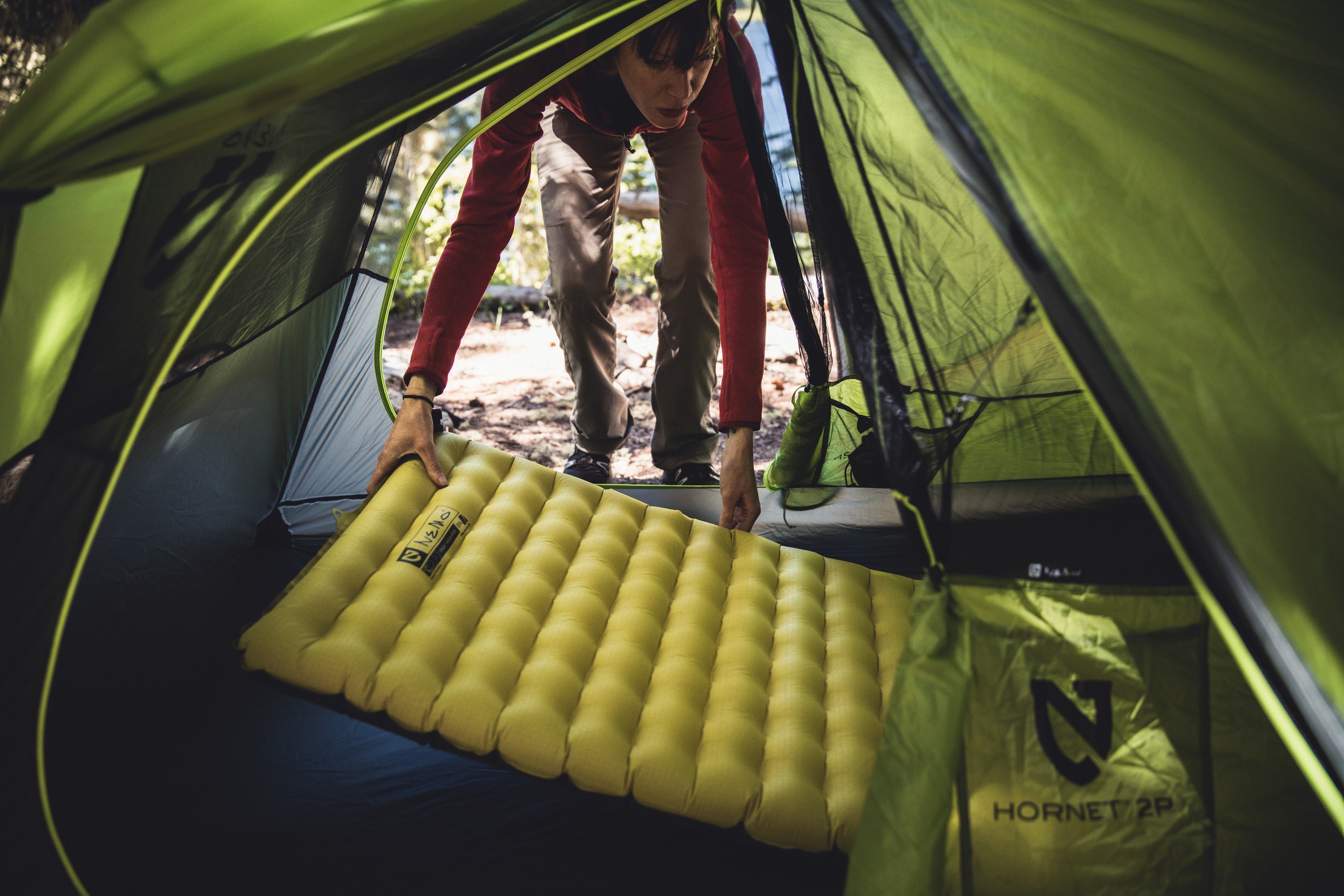
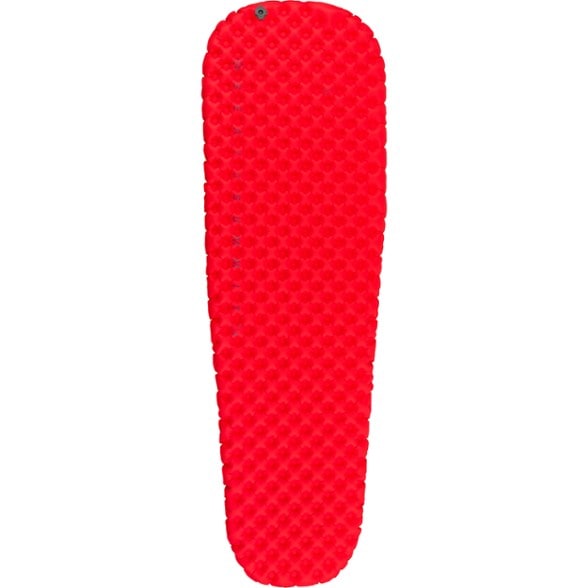
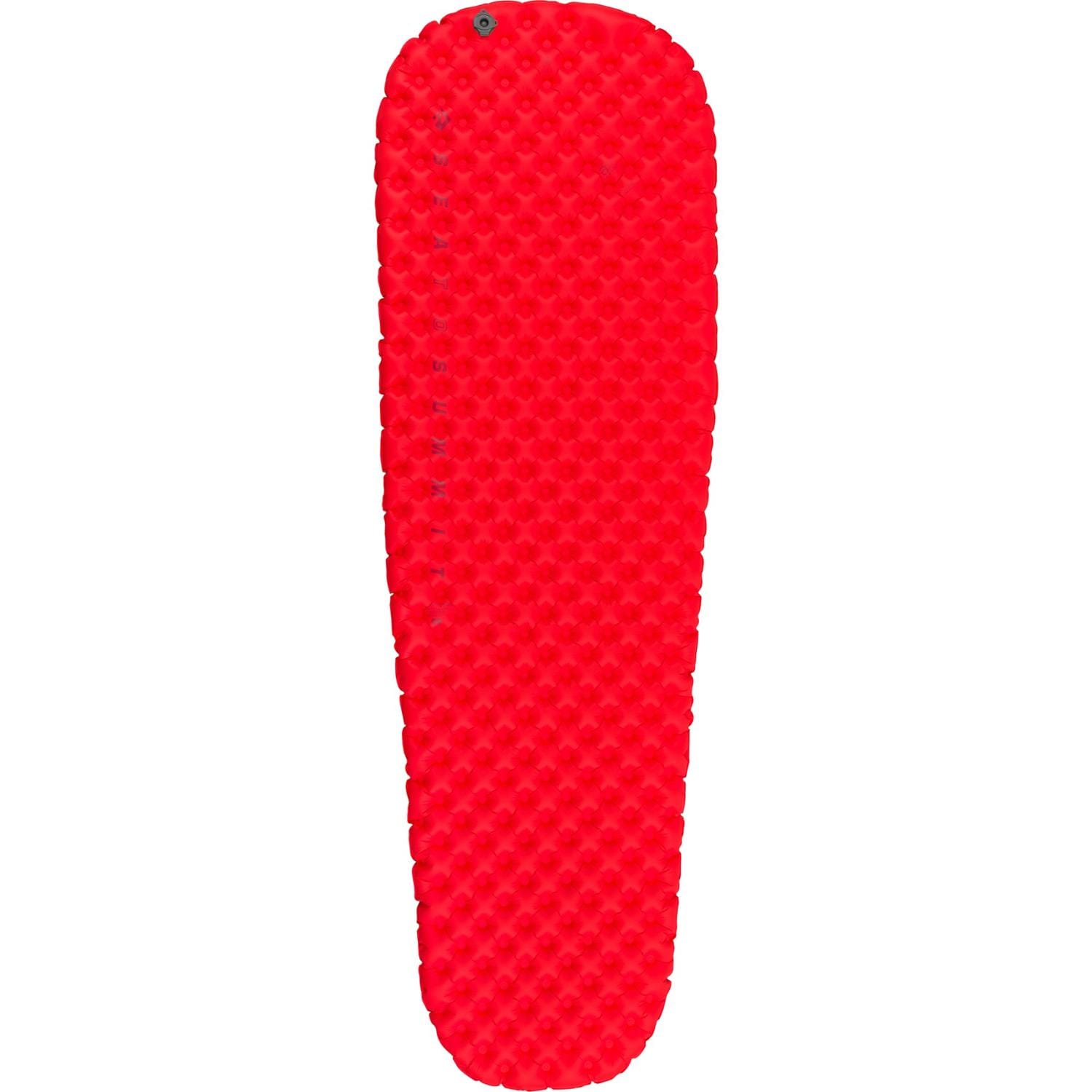
Rest easy after a day on the trail with this Sea to Summit sleeping pad. It features 2 layers of high-resolution cells that can be pressurized independently. Thermolite® insulation keeps you warm.
Imported.
View the Sea to Summit Comfort Product LineView all Sea to Summit Air Pads| Best Use | Backpacking |
|---|---|
| Sleeping Pad Type | Air |
| Sleeping Pad Shape | Mummy |
| Insulated | Yes |
| Insulation Type | Synthetic |
| R-Value | 4 |
| Repair Kit Included | Yes |
| Stuff Sack Included | Yes |
| Packed Size | 11 x 6 x 5 inches |
| Sleeping Capacity | 1-person |
| Ultralight | Yes |
| Pad Thickness (in.) | 2 inches |
| Dimensions | 79 x 25 x 2 inches |
| Weight | 2 lbs. 4.86 oz. |
| Gender | Unisex |
Adding a review will require a valid email for verification
Possibly one of the best, most overlooked pads On the market. What’s the primary function of “the sleeping pad”? Comfort? - NO. It’s insulation. Yes there are a few situations were an uninsulated “air-only” sleeping pad with suffice… but the vast majority of us sleep on ground that is colder, much colder than body temperature.. and in all of those cases the ground will always win. It will suck the heat flight out of you. The part of your sleeping bag that you lie on is worthless. Your body weight compresses the sleeping anywhere you make contact with it and reduces its insulating ability to virtually ZERO. The only protection you have from the ground and its “conductive” heat loss is your sleeping pad. 0°degree sleeping bag on a 55° degree night lying directly in the ground in the Sierra - your gonna be cold. It’s your pads job to insulate you from the ground, not your sleeping bag. Your sleeping bag protects you from “convective” heat loss: the air. We all used to use closed cell sleeping pads. You could not pop them. But they were not comfortable. Then Thermarest invented their first pad. Open cell foam encased in an air pad, it was insulating, pseudo self inflating and comparatively down right comfortable. But with one major flaw that still plagues all modern sleeping pads - they puncture. And if/when they puncture you are sent directly to the ground floor. In seconds your pad is worthless. Hello conductive heat loss. Goodbye sleep. This is why most experienced backpackers, thru-hikers, alpinist etc. carry a lightweight light, thin closed cell foam pad to put UNDER their sleeping pad. It protects against punctures and boosts your R value (Insulating rating). So what’s so great about our Unsung hero the Sea To Summit Comfort Plus line of pads? Not only is it insulated to a stout R4 it’s DUAL CHAMBERED. The ONLY dual chambered light weight pads designed for backpacking on the market. THE ONLY ONE. “Dual” as in if one side of the pad punctures the other side saves your you know what. You don’t wake up at 3am at 10,000’ lying on the ground freezing. Oh, and if you’re thinking “but my pad comes with a repair/patch kit? Yeah, good luck finding that tiny needle sized puncture at 3am, in the dark with a headland. Good luck finding it in the light! Why doesn’t every shop employee tell you all this? Most don’t actually understand it or have the time to explain it all to you while meeting thier membership sales quota. The Sea to Summit Comfort Plus a really ingenious, double layered insulated pad. I’ve put at least 100 nights on mine and while heavier I sleep more soundly with the knowledge my pad gots its own back up and my trip is not going to be ruined if I miss that one little stick, pine needle, whatever that could pierce the tent floor and my Pad. Plus I no longer carry a ⅛ or ¼” thick closed foam pad which makes up for half of the extra weight - unless I’m sleeping in snow or ice…’then I still put a ridgerest under it which boost my R rating to roughly 6 which pleanty. Leave only footprints, take only memories… miss ya A16;-)
I bought this recently and used it on a backpacking trip- so comfortable! Easy to pack up and use and not too heavy.