Skip to search results
loaded 1 results
Marmot 6-person Tents
(1 product)Products (1)
Filter
- Camping Tents (1)
- Deals (1)
- 12 to 19.99 (1)
- 3-season (1)
- Freestanding (1)
- Camping (1)
- 2 doors (1)
- New Arrivals (1)
- Limestone (1)
- Red (1)
Sort: Best Match
View:
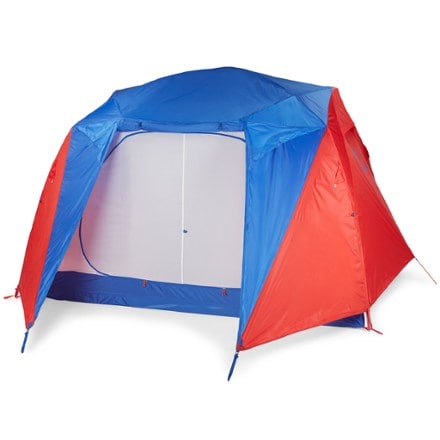
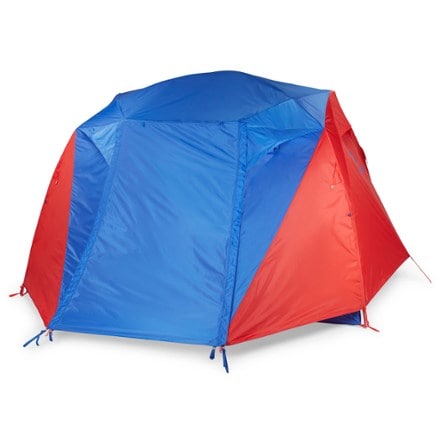
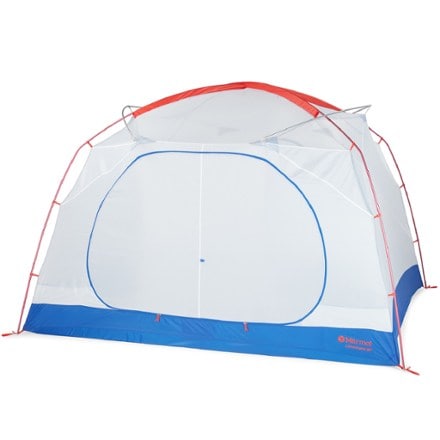
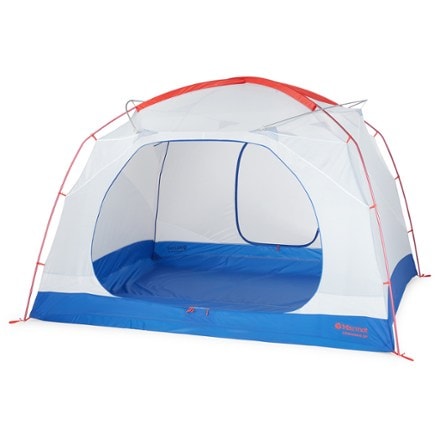
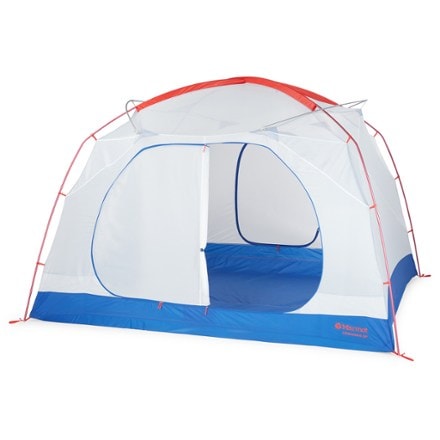
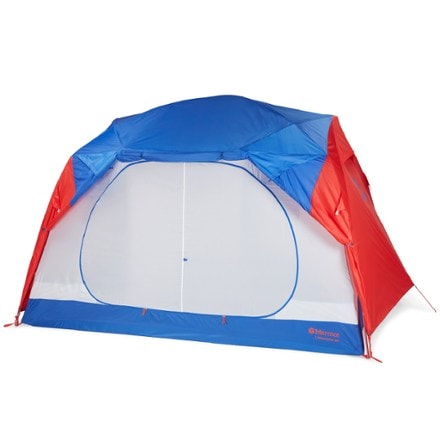
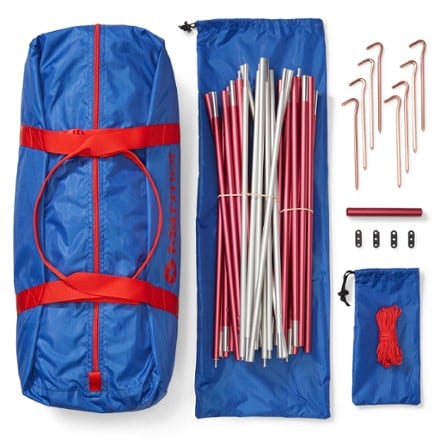
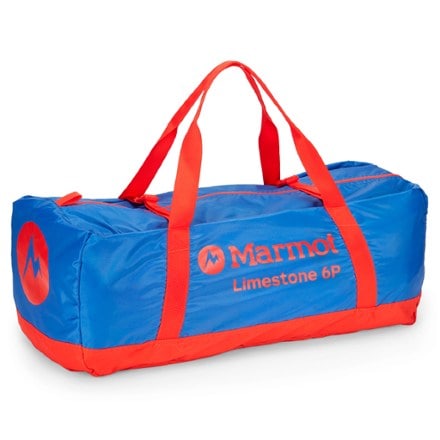
- Sale Ends May 25MarmotLimestone 6-Person TentNew arrival$418.73Save 30%compared to $599.00(0)0 reviewsREI OUTLET
Sort: Best Match
Related Expert Advice articles
What capacity tent do you need?
- How many are in your group? Tents vary in size from 2- to 8-person.
- Assume a close fit for the number of people your tent is designed to accommodate. If you need more space for dogs and gear, size up.
Choose the seasonality
- 3-season tents are great shelters for most of the year. They have ample mesh for good airflow and can withstand basic downpours.
- 3+- season tents are a little sturdier, and with less mesh, and are warmer than their 3-season cousins.
- 4-season tents are engineered to handle high winds and other severe weather. This can make them stuffy in warm weather.
Decide on key features
- Peak height: Look for a taller peak height if you want to stand up in the tent.
- Floor length: Can you fully lie down if you’re tall? Will it fit your cot or air mattress?
- Doors: If multiple people are sleeping in the tent, you might want more than one door for more convenient access.
Learn how to fix a broken tent pole in the field and at home with these expert tips.
Wondering what’s up with roof-top tents? We cover the basics so you can decide if this new style of camping is right for you.
What capacity tent do you need?
- Backpacking tent models usually hold 1-5 people.
- Sizing varies by brand, so check product specs.
- Need more elbow room? Consider the next size up.
Seasons rating
Choose the level of weather protection you need
- 3-season tent: Great for all-around protection, most backpackers.
- 3-4 season tents: Slightly sturdier and warmer, and with less mesh.
- 4-season tents: Designed to handle severe weather, but can feel stuffy in warm conditions.
- Consider alternative shelters like hammock tents, bug shelters or bivy sacks depending on preferences and conditions.
Weight
- Backpacking tents balance weight, comfort and packability.
- Packaged weight: Every part included.
- Minimum trail weight: Tent body, rain fly and poles only.
Livability
- Peak height: How tall is the tent inside?
- Floor area: How much usable space do you have?
Learn what a footprint is, whether you need one and what to consider when buying.
Learn how to select a good campsite and get tips on setting up your footprint, poles, rainfly and guylines when you’re pitching your tent.