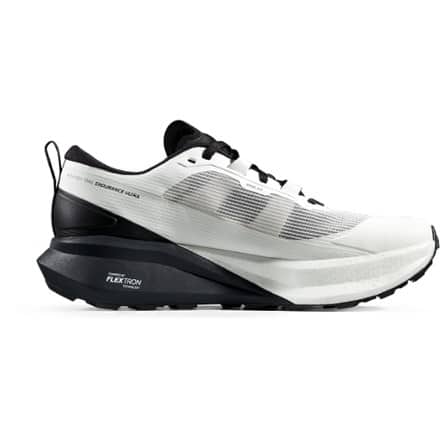
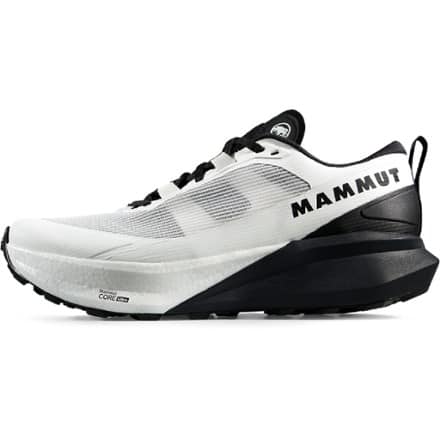
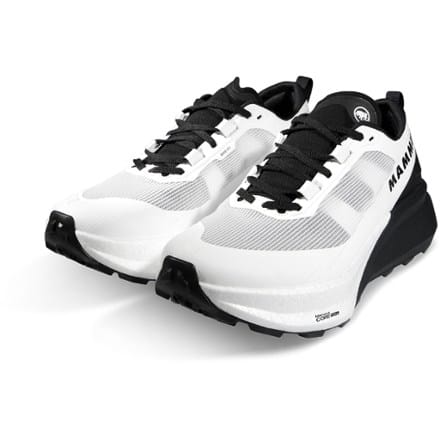
Mammut Shoes
(1 product)- Running Shoes (1)
- Women's (1)
- 6 (1)
- Deals (1)
- Trail Running (1)
- Regular (1)
- Moderate Cushion (1)
- Single-pull Lace (1)
- 5 to 8 (1)
- Blue (1)
- $50.00 to $99.99 (1)
- Rugged-Trail (1)
- No (1)
- Ankle (1)
- 1 to 1.49 (1)
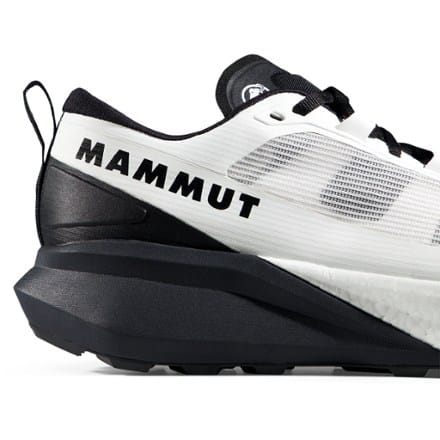
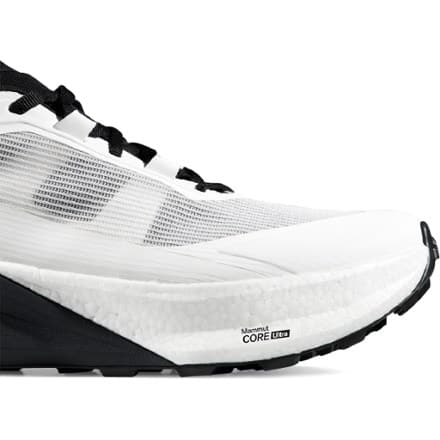
- MammutSertig TR Low Trail-Running Shoes - Women's$88.73Save 40%compared to $149.00(0)0 reviewsREI OUTLET
For every trail ahead
Explore hiking boots and shoes for your terrain and your goals.
Shop hike footwear
Related Expert Advice articles
Best uses
Most climbing harnesses are versatile enough for indoor climbing or outdoor multi-pitch routes, while some are more specialized for mountaineering or ice climbing.
- Sport or indoor climbing: Stripped down for fast travel and feature minimal gear loops.
- Trad climbing: More gear loops since climbers place their own protection. Comfort and padding are key, as you may spend hours on a route or hanging in your harness.
- Mountaineering: Designed for long approaches and all-season versatility
- Ice climbing: Designed to perform in winter conditions
Key features:
- Padded waist: Thicker padding or a broader surface area helps distributes pressure
- Adjustable leg loops: Fit different body types and clothing layers
- Gear loops: Typically two to five loops for racking gear
- Droppable leg loops: Leg loops unclip at the back for easier bathroom breaks
Women-specific harnesses
- These typically feature a higher rise, a larger leg-to-waist ratio and a shaped waistbelt
- Choose a women-specific harness if it better matches your body type.
Locking vs. Non-locking
Locking carabiners: Gates lock to prevent accidental openings during falls; essential for belaying or critical protection placements
- Screw-lock: Requires manual twisting to close
- Auto-locking (twist lock): Automatically locks when the gate closes
Non-locking carabiners: Lighter, quicker to clip or unclip but can accidentally open; ideal for racking gear or for quickdraws
Carabiner shape
- D shape: Strongest shape, excellent for most kinds of climbing
- Asymmetric D: Lighter than D shape with a larger gate for easy clipping; use for belaying, rappelling, general climbing
- Pear shape: Designed for belaying, rappelling and anchor points; heavier and more expensive
- Oval shape: Smaller gate opening, affordable but not as strong or light as others; ideal for aid climbing or racking trad gear
Gate Types
- Straight-gate: Durable, easy to use; common for clipping gear to harnesses
- Bent-gate: Makes rope clipping easier; generally used for quickdraws
- Wire-gate: Lightweight, less likely to freeze or vibrate open during a fall
- Locking: Most secure; essential for anchors or belaying
Waterproof vs. water-resistant
- Waterproof/breathable: keeps out hard, driving rain while also being breathable
- Waterproof/nonbreathable: a slicker or poncho—inexpensive but traps heat
- Water-resistant: can handle light to moderate rain, breathable but permeable
Windproof vs. wind-resistant
- Waterproof jackets are also windproof, do not let wind pass through fibers
- Wind-resistant jackets are lighterweight but won't handle a squall
Hard shell vs. soft shell
- Hard shell: the most protection, less breathability, not insulated
- Soft shell: stretchy and breathable, best for high-exertion, typically water-resistant, not -proof
Rainwear layers
- 2-layer: quietest, midweight, durable moderately priced
- 2.5-layer: lightweight, good protection, lowest priced
- 3-layer: best protection, best protection and breathability, highest price
What is an avalanche transceiver?
- If you recreate in snowy backcountry terrain, an avalanche transceiver is an essential safety device—along with a probe and shovel
- Transceivers help you locate someone buried in an avalanche and it helps rescuers find you if you’re buried
What features should I look for?
- Analog or digital: Most modern transceivers are digital; some are both digital and analog
- Multiple burials: Allows searchers to detect more than one buried person; most offer this feature
- Marking function: Lets a searcher to mark the location of a buried person so they can search for another one
- Display screen: Displays direction and distance to a buried person
- Range: Listed in meters (typically 40-70m), the circular range at which one transceiver can detect another
Read full article: How to Choose and Use an Avalanche Transceiver
Dynamic vs. static ropes
- Dynamic: Designed to stretch to absorb the impact of a falling climber
- Static: Stretch very little, so they shouldn't be used in cases where a fall could occur; ideal for rescue, rappelling and hauling
Ropes categories
- Single rope: Most climbers buy single ropes, which are designed to be used by themselves and not with another rope; common for sport and trad climbing
- Half rope: When climbing with half ropes, you use two ropes, clipping alternately for reduced rope drag; common for trad climbing on wandering routes, mountaineering and ice climbing
- Twin ropes: Also a two-rope system, but both strands are clipped through each piece of protection
Diameter and length
- Thinner ropes (about 8.5-9.5mm) are lighter, less durable and require more skill to handle safely
- Thicker ropes are generally more abrasion-resistant; ideal for beginners or frequent use
- Dynamic ropes range in length from 30-80 meters. A 60-meter rope is the standard and will meet your needs most of the time.
Dry treatment
Some ropes include a dry treatment that reduces water absorption. Dry-treated ropes are more expensive than non-dry options.
- Dry-treated: Dry ropes can have a dry core, a dry sheath or both. Ropes with both core and sheath offer the greatest moisture protection.
- Non-dry: A non-dry rope is probably sufficient for sport climbing