Skip to search results
loaded 3 results
Black Diamond Rechargeable Running
(3 products)Products (3)
Filter
- Running Safety (3)
- Running Lights (3)
- Running Lights (3)
- Deals (1)
- Running (3)
- Backpacking (2)
- Regulated Output (3)
- Red Light Mode (3)
- Top Rated (1)
- $50.00 to $99.99 (1)
- $100.00 to $199.99 (1)
- $200.00 to $499.99 (1)
- Distance (2)
- Rechargeable (3)
- 0 to 0.49 (3)
- LED (3)
- Adjustable (2)
- Flood / Spot (1)
- 500 to 999 (1)
- 1000 and above (2)
- 100 to 199 (2)
- 50 to 74 (1)
Sort: Best Match
View:
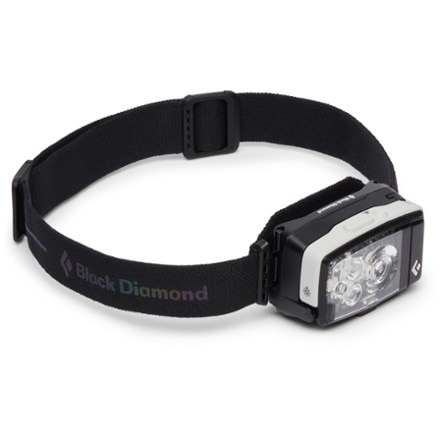
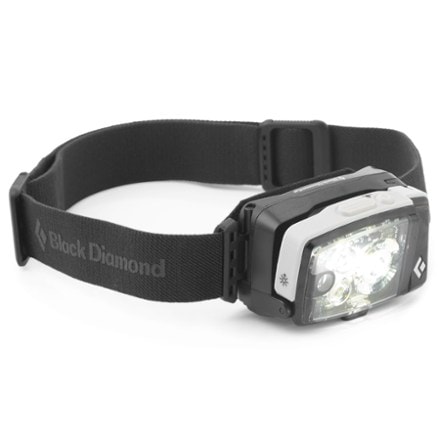
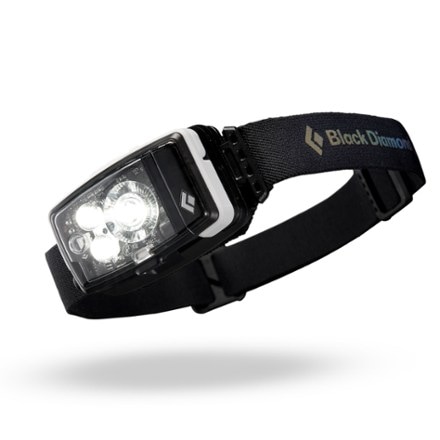
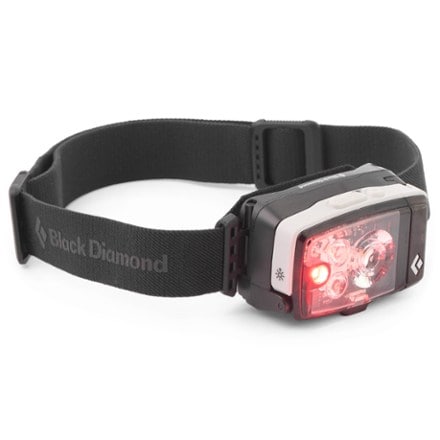
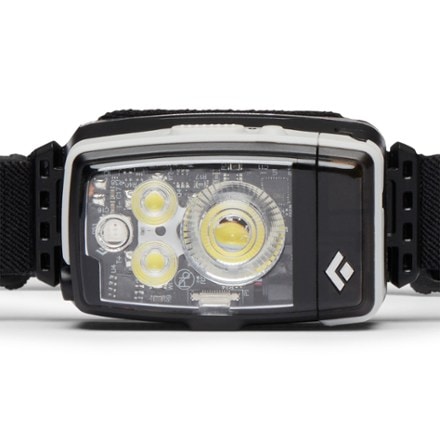
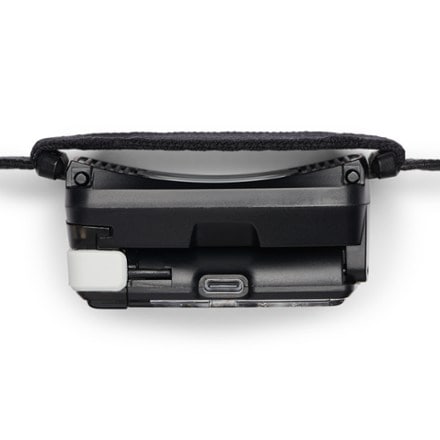
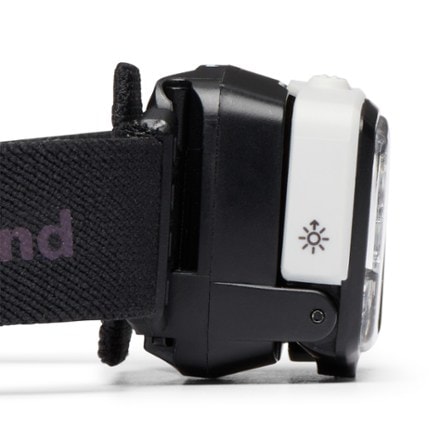
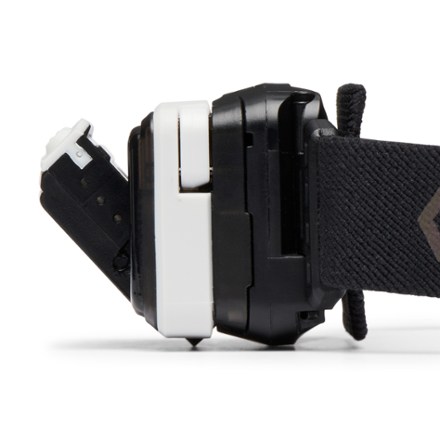
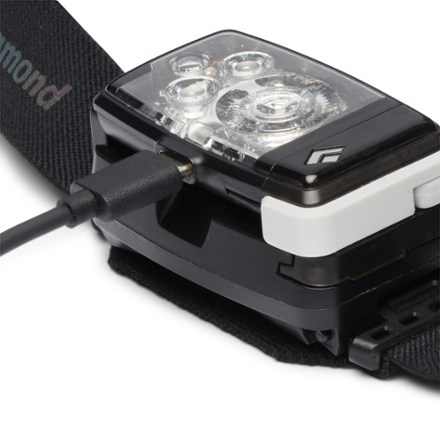
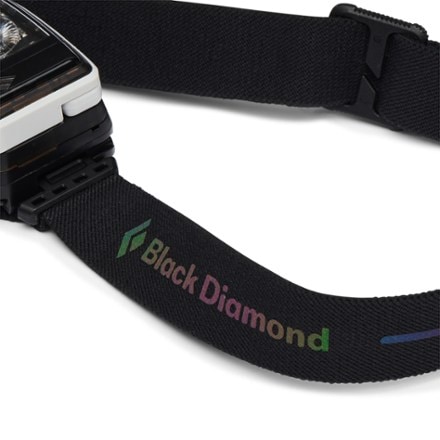
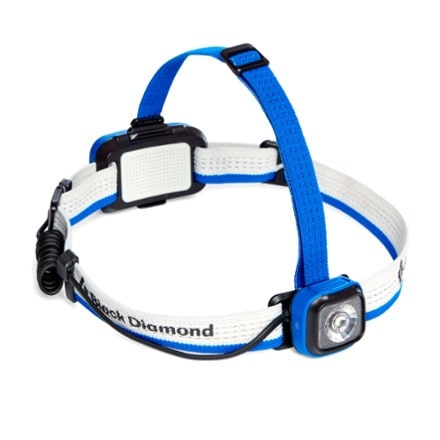
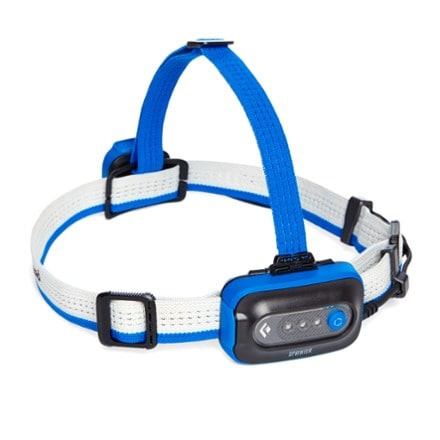
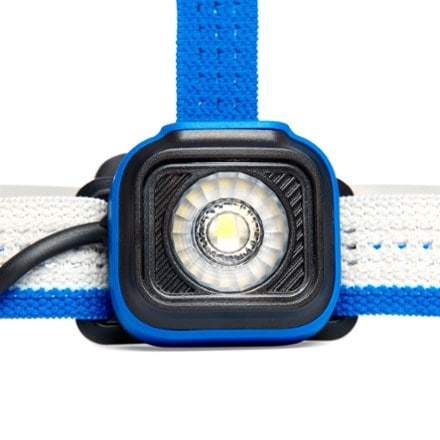
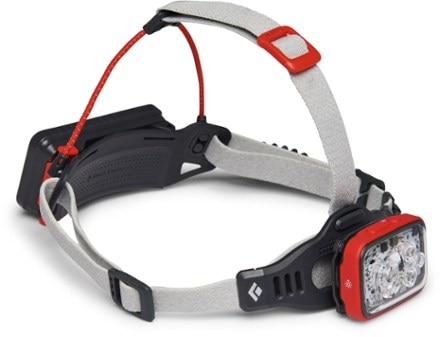
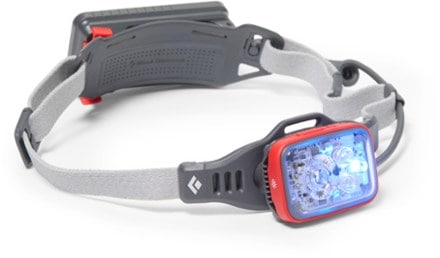
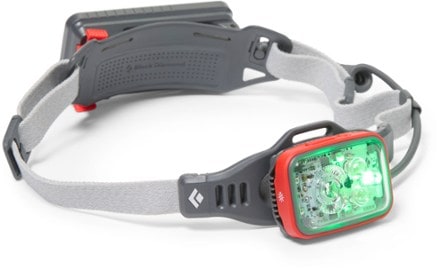
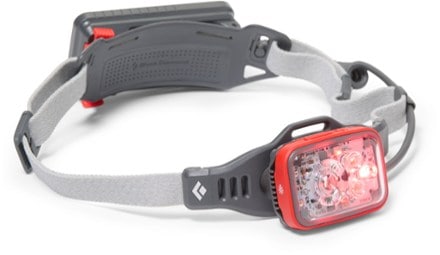
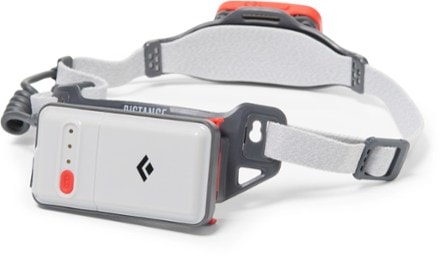
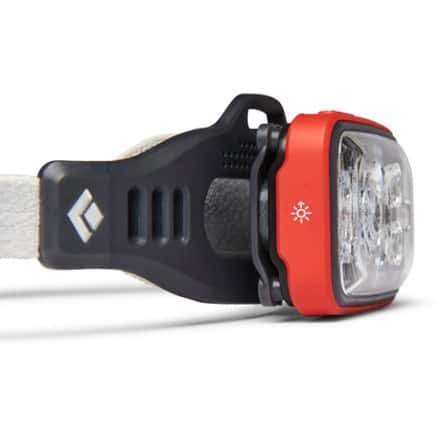
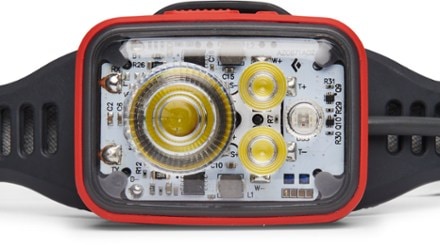
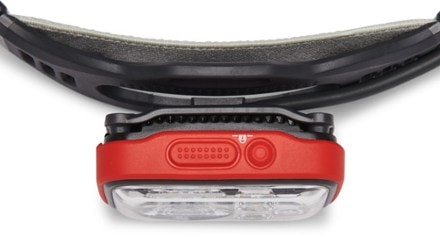
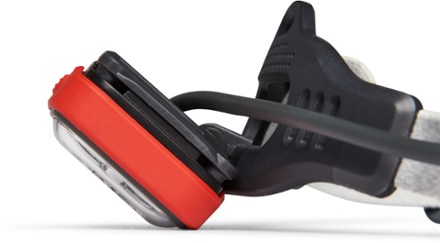
- Black DiamondDistance LT 1100 Headlamp$149.95(74)74 reviews with an average rating of 4.3 out of 5 stars
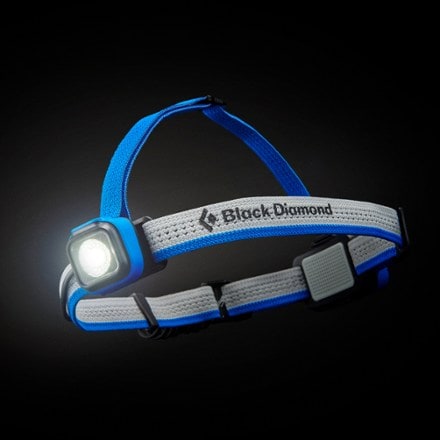
- Black DiamondSprinter 500 Headlamp$74.73Save 25%compared to $99.95(4)4 reviews with an average rating of 3.0 out of 5 starsREI OUTLET
- Black DiamondDistance 1500 HeadlampTop Rated$249.95(74)74 reviews with an average rating of 4.5 out of 5 stars
only at rei
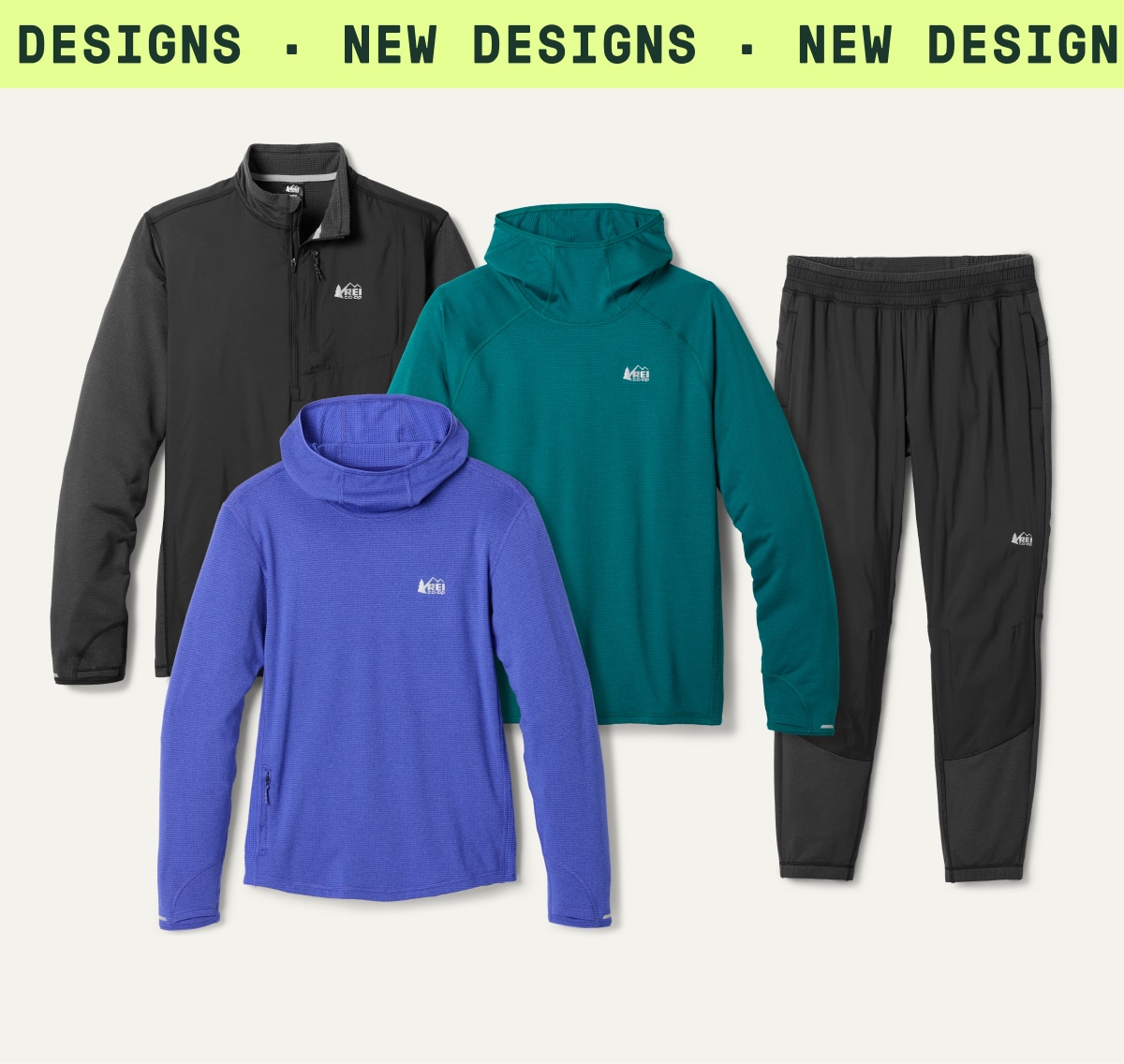
REI Co-op Swiftland thermal layers
Ideal for crisp days, these thermal layers feature grid-back fleece designed to be warm without trapping excess heat.
Shop Swiftland
Move. Lounge. Repeat.
Get Vuori's latest versatile favorites, made for workouts, weekends & everything in between.
Shop Vuori
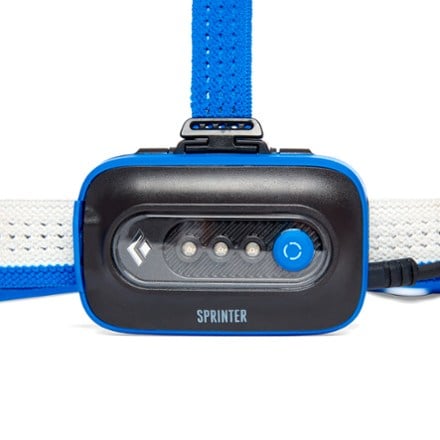
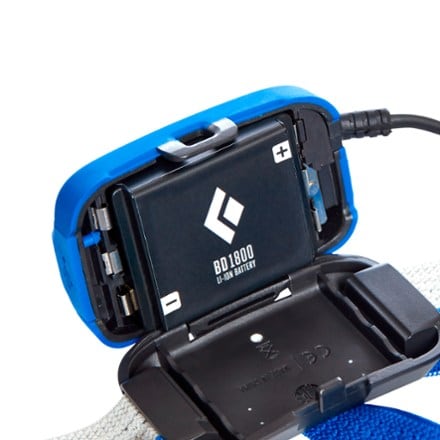
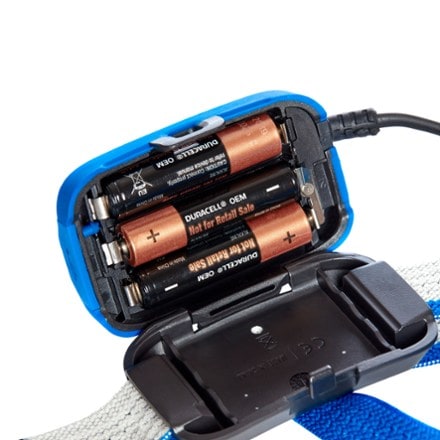
Sort: Best Match
Related Expert Advice articles
Our REI field testers pick their 8 favorite headlamps for running, camping, backpacking and more.
Types of gaiters
- Hiking: lightweight, breathable; offer basic protection against rocks, grit and light rain or snow
- Mountaineering: heavy-duty protection, added insulation for harsher conditions, often waterproof/breathable
- Trail running: lightweight and compact to keep out debris, not usually waterproof
Gaiter height
- Over-ankle: best for dry conditions, trail-running, summer hiking
- Mid-calf: 8–12 inches tall, often water resistant but best for dry or moderately wet conditions
- Knee: 15–18 inches tall, best for deep snow, wet brush, harsh or rugged conditions
What size gaiter to buy? (U.S. sizes)
- Small: women's 6.5–8.5, men's 5–7
- Medium: women's 7.5–10.5, men's 6–9
- Large: women's 9.5–10.5, men's 8–11
- Extra large: men's 10–13
Discover our list of the 6 best gaiters at the co-op, including over-the-ankle options and knee-high options for hiking, running and mountaineering.
Brightness
Typically, the higher the number of lumens, the brighter the light.
- A headlamp with a high lumens count will consume energy at a higher rate than one with a lower lumens number.
- Most headlamps offer several brightness levels like low, mid and high (max). Others may offer an emergency strobe or red-light mode for nighttime vision.
Consider the power source
- Lithium battery–powered headlamps are a good choice for cold-weather use, since lithium batteries outperform alkaline batteries in cold conditions.
- Rechargeable batteries can be used repeatedly but tend to lose power when sitting idle.
Understand headlamp beam type and distance
- Flood (or wide): This spreads the beam wider and is for general, close tasks like cooking dinner or reading.
- Spot (or focused or narrow). A tight beam for longer-distance viewing, such as navigating a trail at night.
- Flood and spot: Adjustable headlamps are the most versatile.