Skip to search results
loaded 61 results
Black Diamond Climbing Hardware
(61 products)Products (61)
Filter
- Climbing Protection (24)
- Rock Protection (11)
- Aid Gear (3)
- Anchor Systems (1)
- Carabiners (21)
- Quickdraws (9)
- $0.00 to $9.99 (1)
- $10.00 to $19.99 (13)
- $20.00 to $49.99 (20)
- $50.00 to $99.99 (13)
- $100.00 to $199.99 (12)
- $200.00 to $499.99 (4)
- $500.00 to $749.99 (1)
- Climbing (42)
- Rock Climbing (9)
- Bouldering (5)
- Camping (2)
- Ice Climbing (2)
- Mountaineering (1)
- Auto-lock (5)
- Bent-gate (5)
- Screw-lock (7)
- Straight-gate (7)
- Wire-gate (10)
- Locking (13)
- Non-locking (8)
- Top Rated (46)
- Made in USA (12)
- Suitable for Belaying (6)
- Suitable for Rappelling (5)
- 0 to 0.49 (48)
- 0.5 to 0.99 (6)
- 1 to 1.49 (4)
- 1.50 to 2.99 (1)
- 5 to 7.99 (1)
- 12 to 19.99 (3)
Sort: Best Match
View:
- Black DiamondIce ScrewUp Carrier$24.95(0)0 reviews
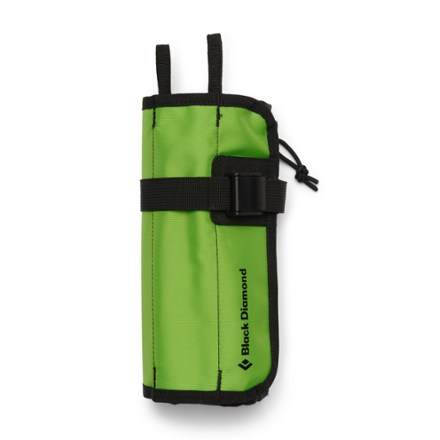
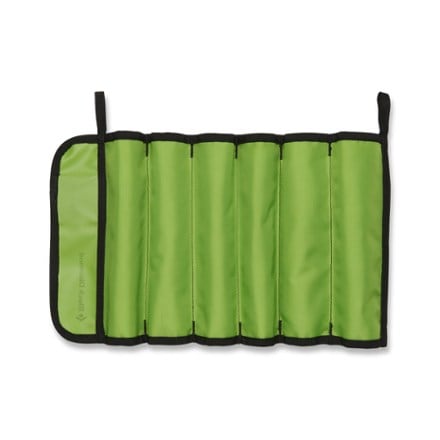
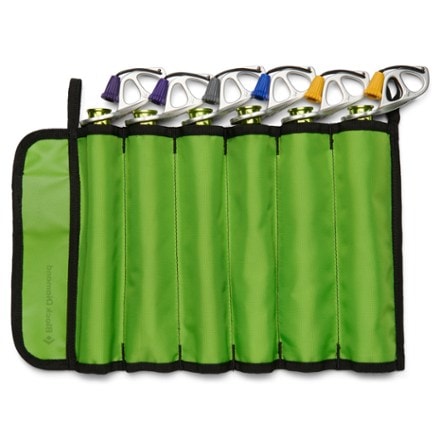
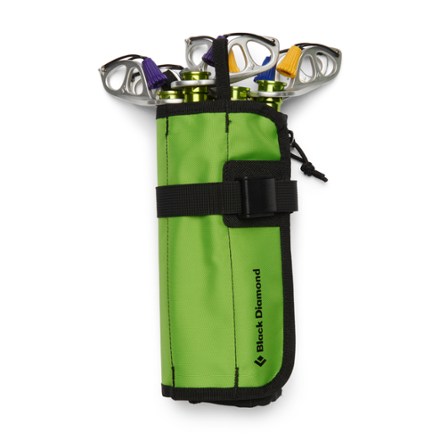
61–61 of 61 products
Sort: Best Match
Related Expert Advice articles
Gate type
Since each quickdraw has two carabiners on it, a quickdraw could have a combination of gate types.
- Straight-gate: Easy to operate; common on many carabiners and on the side of the quickdraw that is clipped to a bolt
- Bent-gate: Curved shape makes it easier to clip a rope
- Wire-gate: Lightweight, a wire loop creates its own spring mechanism as it pivots
Sling length
- Short-length (10-16cm long) work in most situations when the route is relatively straight
- Medium-length (17-18cm) are useful for reducing rope drag in longer routes or if the route isn't straight
- Long-length (25cm+) help keep the rope running in a straighter line, especially on routes that wander or have overhangs
Learn the basics of top rope belaying, including gear, setup, safety checks and procedures, plus the PBUS method and how to lower a climber.
The number of quickdraws you need varies based on the climb, but most sport climbing routes can be led with 12 or fewer.
Learn to belay a lead climber, including how it differs from top-rope belaying. We cover gear, setup, safety, communication and technique.
Learn how to quickly and efficiently clip quickdraws so you can move through the crux moves safely and securely.
Locking vs. Non-locking
Locking carabiners: Gates lock to prevent accidental openings during falls; essential for belaying or critical protection placements
- Screw-lock: Requires manual twisting to close
- Auto-locking (twist lock): Automatically locks when the gate closes
Non-locking carabiners: Lighter, quicker to clip or unclip but can accidentally open; ideal for racking gear or for quickdraws
Carabiner shape
- D shape: Strongest shape, excellent for most kinds of climbing
- Asymmetric D: Lighter than D shape with a larger gate for easy clipping; use for belaying, rappelling, general climbing
- Pear shape: Designed for belaying, rappelling and anchor points; heavier and more expensive
- Oval shape: Smaller gate opening, affordable but not as strong or light as others; ideal for aid climbing or racking trad gear
Gate Types
- Straight-gate: Durable, easy to use; common for clipping gear to harnesses
- Bent-gate: Makes rope clipping easier; generally used for quickdraws
- Wire-gate: Lightweight, less likely to freeze or vibrate open during a fall
- Locking: Most secure; essential for anchors or belaying