Skip to search results
loaded 62 results
Strap Watersports
(62 products)Products (62)
Filter
- Deals (18)
- Men's (19)
- Women's (29)
- Unisex (1)
- Boys' (8)
- Girls' (8)
- Kids' (8)
- Toddler Boys' (7)
- Toddler Girls' (7)
- Toddlers' (7)
- $20.00 to $49.99 (12)
- $50.00 to $99.99 (37)
- $100.00 to $199.99 (18)
- Vegan (36)
- Can Be Resoled (23)
- Top Rated (12)
- New Arrivals (5)
- Watersports (60)
- Multisport (56)
- Hiking (16)
- Casual (2)
- 0 to 0.49 (1)
- 0.5 to 0.99 (17)
- 1 to 1.49 (28)
- 1.50 to 2.99 (6)
- Open Toe (49)
- Closed Toe (10)
- Buckle (8)
- Bungee Lace (33)
- Lace-up (13)
- Single-pull Lace (3)
- Slip-on (70)
- Strap (62)
Sort: Best Match
View:
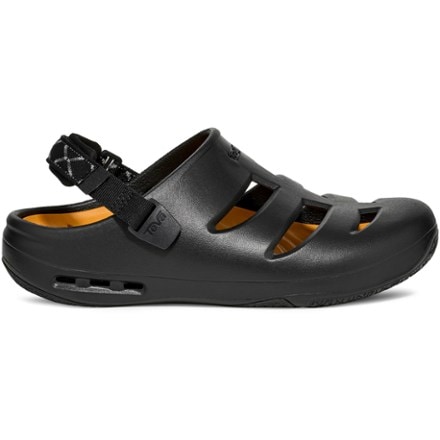
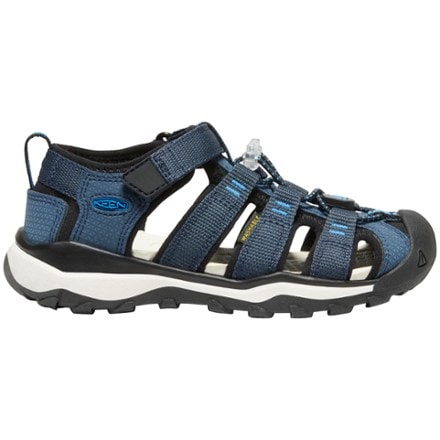
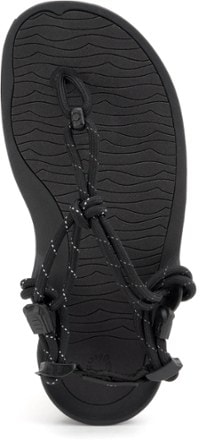
- ForsakeRogue Sandals$85.00(12)12 reviews with an average rating of 3.3 out of 5 stars
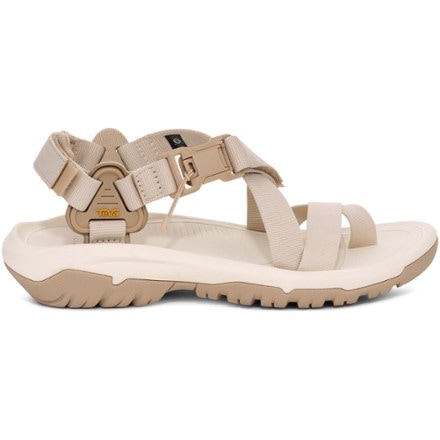
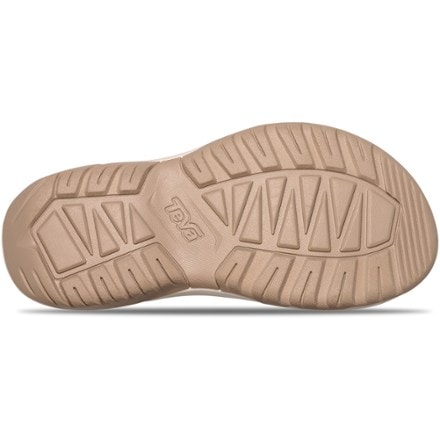
- TevaTirra Sandals - Women'sTop Rated$44.83Save 50%compared to $90.00(651)651 reviews with an average rating of 4.5 out of 5 stars
61–62 of 62 products
Sort: Best Match
Related Expert Advice articles
What hull type is best for you?
- Planing: Maneuverable and rides on top of the water—great for leisure paddling, surfing, SUP yoga and whitewater.
- Displacement: Efficient for longer distances and speed; less maneuverable than planing hulls.
- Hybrid: Combines aspects of planing and displacement hulls to cut through water easily with more stability.
Solid or inflatable SUP?
- Inflatable: Budget-friendly, easy to store and travel with; good for paddling whitewater and SUP yoga.
- Solid: Best performance—fast, smooth and more stable with less effort. Requires plenty of storage and a way to transport it.
Sizing your board
- Volume, weight capacity and thickness affect stability. Factor in cargo and passengers when figuring weight capacity.
Length: Longer boards are generally faster than shorter ones but less maneuverable.
Width: Wider boards are more stable than narrow ones, but can be slower and more difficult to paddle.
Standard or inflatable personal flotation device (PFD)?
- Standard: Low-maintenance, always buoyant, great for various water sports, often with pockets. Can feel bulky, restrictive and hot while paddling.
- Inflatable: Slimmer profile and comfortable, but must be inflated to work so not great for high-impact activities, kids under 16, nonswimmers or situations where you might end up injured or unconscious before you can inflate. Requires regular maintenance and replacement of carbon dioxide cartridge.
- Hybrid: Balances features of both, with a heftier price tag.
What conditions will you encounter?
- Level 50: For competent swimmers and activities like kayaking and paddle boarding, where mobility is needed but quick rescue is expected.
- Level 70: For calm, inland waters where fast rescue is likely.
- Level 100: For rough or remote waters or offshore where rescue may take a while.
Finding the right fit
- Try on PFDs with your paddling clothes to get the best fit.
- Mimic paddling motions to ensure there’s no chafing.
- Make sure it works with your seat without riding up or feeling uncomfortable. Shorter PFD work well for kayakers.
- If possible, test your PFD in a pool or shallow water; it should not ride up or slip over your chin while floating.
Where in the boat do you want to sit?
- Sit-in kayaks move fast, track straight with covered cargo compartments. Good for paddling to a destination and in cooler conditions.
- Sit-on-top kayaks are easy to get on, self-draining and less confining. Best for easy flowing waters and warmer conditions.
What category of kayak is best for you?
- Recreational: Affordable, stable, easy to use and simple to turn. Best for shorter outings.
- Day touring: Sleeker and more efficient. Easier to transport and handle than touring models but often pricier.
- Touring: Ideal for long distances, tracks and handles wind and currents well with more storage—but at higher cost.
- Specialty: Includes folding, inflatable, tandem and pedal-powered models. Great for limited storage or specific activities like fishing.
Where do you want to paddle?
- Calm waters (lakes): Any sit-on-top or recreational sit-in kayak is a fun choice.
- Flowing rivers (no technical rapids): Choose a short, stable recreational or day-touring model.
- If dealing with wind, waves, currents and tides: Look for a sit-in touring kayak with a rudder or fin. A sit-on-top is a good choice if you don’t mind getting wet.
Kayaking with kids may seem like a daunting proposition, but our tips will help you and your kids have a great time on the water.
A guide to assessing when your gear is at its end of life, and how to responsibly donate, resell, recycle, downcycle or dispose of.
Our testers choose the 6 best sandals at REI for water crossings, kayaking, ultralight trips, urban hiking and more.
Read full article: The 6 Best Hiking Sandals of 2025: Tested