Hiking shoes are a great alternative for someone looking to get out on the trail without heavier, stiffer hiking boots. Why? Hiking shoes tend to be just the opposite—lighter weight and more flexible—while still delivering top-notch traction, stability and durability. Essentially, they marry the best attributes of a hiking boot with those of a trail-running shoe.
For many outdoor lovers, hiking shoes deliver the Cinderella fit for two important—and interconnected—rules of the trail, notes Carlos Rodriguez, a long-distance mountain runner and department manager at the REI store in Looking to get out on the trail without heavy, stiff hiking boots weighing you down? Hiking shoes are a great alternative. They’re lighter, more flexible and often more comfortable for less strenuous hikes while still delivering the traction, stability and durability hikers need. Think of them as a middle ground between a hiking boot and a trail-running shoe.
For many outdoor lovers, hiking shoes deliver on two important—and interconnected—rules of the trail, notes Carlos Rodriguez, a long-distance mountain runner and department manager at the REI store in Wichita, Kansas. First, have fun. If you're not enjoying your time, then you're wasting it, he says. Second: Pick the right shoe. "If we can keep rule two intact, then rule one is pretty safe."
So how can you determine the right option for your foot? "The mark of a good shoe," Rodriguez says, "is that I'm not thinking about it when I'm outside."
Here, we've compiled our list of nine hiking shoes you'll barely notice once you lace them up (and we mean that in the best way possible). The picks below were chosen after several months of field testing by REI Co-op Members and staff, on a wide variety of adventures. To help you select which shoes will work best for your favorite hikes, we organized them by the terrain they’re best designed for: Learn more about footwear and terrain in the Buying Advice section and our How to Choose Hiking Boots and Shoes guide.
Test Results
Find quick recommendations below or scroll down for in-depth reviews.
Light terrain
Moderate terrain
Rugged terrain
Light terrain


Salomon XA Pro 3D V9 GORE-TEX Trail Shoes
Score 92
Waterproof Yes
Waterproofing GORE-TEX membrane
Upper Synthetic textile
Midsole EnergyCell+
Outsole All Terrain Contragrip® rubber
Heel-to-toe drop (mm) 11 mm
Heel stack height (mm) 28 mm
Weight (pair) 1 lb. 6.2 oz. (women's), 1 lb. 9.4 oz. (men's)
If you can get past the alphabet soup that is the X9 Pro 3D V9 GORE-TEX trail shoes from Salomon, you’ll find a stable, durable trail shoe built to chew through dirt, mud, rocks and more. Thanks to an energy-conserving, high-rebound midsole, sticky soles and a tough-as-nails upper, the shoes are a perfect choice for logging fast miles on mixed terrain, splitting the difference between a hiking shoe (stability and structure) and a trail runner (agility).
A proprietary 3D Advanced Chassis layer between the mid- and outsole offers increased stability, preventing your hindfoot from twisting too dramatically on uneven surfaces. Coupled with the sticky rubber soles, this makes the X9 Pro 3D V9s stable enough to tackle a variety of terrains. “Washington trails can be quite muddy, especially post rainy day, and these Salomons held up well,” says Kristina Vateva, an REI Co-op campaign strategist and adventure photographer. “I also tried them out on some mild rock scrambling when using them as an approach shoe for a climb. I really appreciated the grip on rock that traditional trail runners don't offer.”
Testers, including Vateva, noted these shoes were ready to go right out of the box, though the X9 Pro 3D V9s run narrow. One Washington tester couldn’t squeeze their feet into them at all (despite ordering their normal, wider size) making them a better match for hikers with narrow to average-width feet. The high-rebound EVA midsole offers both structure and energy return, and Vateva found it best for shorter, more intense outings than multiday endeavors. A fast lacing system means easy on-off versatility, making these shoes especially useful for climbers, hikers and those who frequently transition between activities. A pocket on the extra wide tongue to safely stash excess lace cord away.
The ready-to-rumble synthetic upper and reinforced toecap holds up to plenty of trail abuse, and waterproof, breathable GORE-TEX makes them all-weather companions. Other versions: Also available without waterproof membranes in women’s and men’s.
Bottom Line: Unbeatable traction and stability on technical trails—but minimal cushion—make the Salomon X9 Pro 3D V9 GORE-TEX Trail Shoes an excellent choice for challenging day hikes.
Testing Stats:
- Testing locations: Oregon, Washington
- Testing duration (miles): 36 miles
- Best testing story: One of tester Vateva’s favorite things about these shoes? The lacing. “I love the fact that these are essentially slip-on/off shoes and I don't need to tie the laces. For climbers, this is huge, because I'm constantly taking shoes on and off, switching to my climbing shoes, etc. Often my hands are full with other things (ropes), or I'm just tired, so a shoe that goes on easily and doesn't need to be tied is huge in my book.”


Brooks Ghost Trail-Running Shoes
Score 90
Waterproof No
Upper 3D Fit engineered air mesh
Midsole DNA LOFT v3
Outsole TrailTack Green rubber
Heel-to-toe drop (mm) 8 mm
Heel stack height (mm) 36 mm
Weight (pair) 1 lb. 3.2 oz. (women's), 1 lb. 5.3 oz. (men's)
Terrain type Light to moderate
There’s a good reason the Ghost has been one of (if not the) best-selling running shoes for Brooks since its launch in 2008, and its latest trail-running version tops our list for hikers (and walkers), too. “They're just the Goldilocks of shoes in terms of support, stability, cushion and durability,” says Ever Meister, the hike editor for REI Co-op Expert Advice. Versatile, lightweight and capable, this trail-focused update has a nitrogen-infused midsole for a cushier ride; 3D-printed, protective toe cap and mudguard layers for extra protection; higher-traction outsoles; and breathable mesh uppers and a vegan-friendly construction—all designed to perform both on-and off-road.
Brooks updated this Ghost’s traction for all-terrain use on wet and dry surfaces, keeping testers secure and upright whether they meandered down city sidewalks or gravel hills with 3 mm multidirectional lugs. “My home is surrounded by steep hills, and I had no problem maintaining traction walking up or down these hills,” said Sarah Grothjan, REI camp and backpack editor. That said, one tester who took them for faster spins thinks the extra cushion might make them more suitable for less technical terrain and prefers them for milder trail runs. “On a dry gravel trail, they're great, but steeper root systems and areas that are damp were tougher underfoot and I had to slow down,” says Kristina Vateva, marketing campaign specialist for REI.
No matter your speed, the Ghost 18 trail runners are so comfortable, our testers modified the Brooks catchphrase to “Hike happy.” “It feels like I'm wearing a little cloud on each foot,” says Grothjan, who wore them on outings throughout her pregnancy’s second trimester. That said, she notes that those with very high arches may not find quite as much support as they crave.
They’re durable, too. Multiple testers noted that even after a month or longer of daily or regular wear, they still looked fresh out of the box with no fraying, discoloration or wear. Meister wore theirs for weekly long hikes and noted that older Ghost versions would almost always quickly pull or show distress at the first metatarsal joint, but the 18 Trail hasn’t shown any wear at all. They also noted that they didn’t experience any of the heel slippage they remember from a decade in Ghost road-running shoes. “For the first time, I didn’t have to use an alternate lacing technique to keep my toes from jamming into the top of the toe box, which always killed me on descents before.”
Overall, the Ghosts 18 trail runners float to the top with high marks: Their excellent fit, comfortable support, versatile tread and durability make them a great choice for trail, town or gym. Other versions: Brooks Ghost come in multiple versions including standard and maximum cushion road-running shoes. Shop the Brooks Ghost collection here.
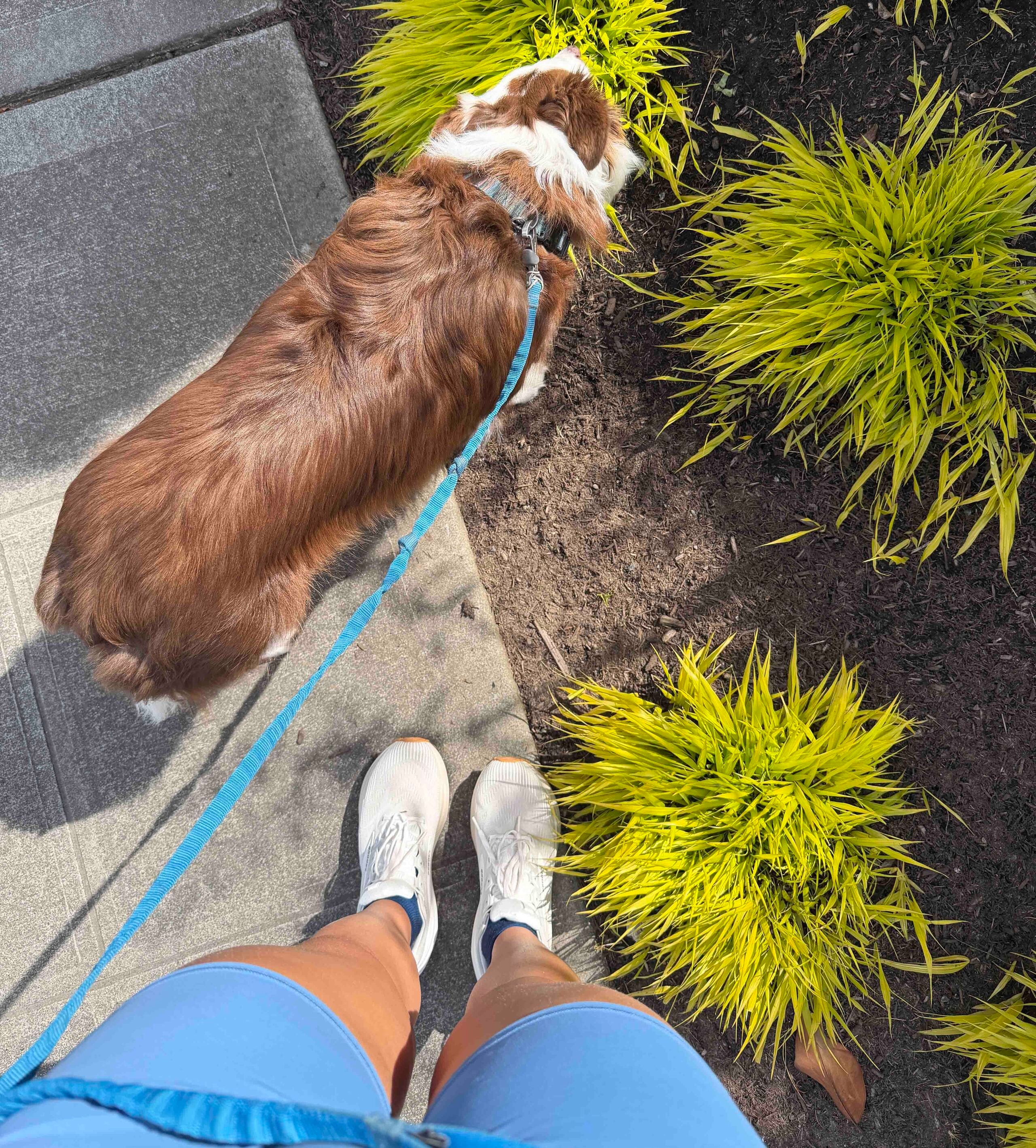
Bottom Line: The Brooks Ghost 18 Trail-Running Shoe prioritizes comfort while offering stability on wet and dry paved paths and groomed, light to moderate trails.
Testing Stats:
- Testing locations: Georgia, Minnesota, Washington
- Testing duration (miles): 91 miles
- Best testing story: REI hike editor Meister says, “A friend and fellow runner once described Brooks Ghosts as ‘The Dunkin' Donuts of running shoes: They’re approachable, affordable and get the job done.’ I agree with that assessment here. I haven't put on a pair of Ghosts in nearly 7 years, but the moment they went on I felt like I'd come home—just like stopping at Dunkin' first thing when I land at an East Coast airport to visit family.”


On Cloudhorizon 2 Hiking Shoes
Score 86
Waterproof No
Upper Polyester/TPU
Midsole Helion™
Outsole Missiongrip™ rubber
Weight (pair) 1 lb. 4.3 oz. (women's), 1 lb. 9.6 oz. (men's)
Terrain type Light
Best for Casual hiking, an ultraplush ride
The newest Cloudhorizon from On features updated hiking-specific CloudTech Phase™ cushioning structure: angled “Cloud” pass-throughs in the sole that compress sequentially as you step for a smooth toe-to-heel stride. Wide-spaced, multidirectional but relatively shallow lugs and Missiongrip™ rubber soles are perfect for strolls on light to moderate terrain in wet and dry conditions.
Keeping them clean proved to be a challenge according to all testers, who were sent lighter-colored pairs to take into the field, but their durability was spot-on thanks to hardworking TPU uppers and trail-ready toe guards. “These shoes held up great and had great traction on the fallen tree crossings we had to do,” said Washington-based mountaineer Indigenous cultural advisor Rachel H., whose Cloudhorizons took her on a long lowland amble with several creek crossings and rocky terrain.
Those who prefer ankle support on longer or more technical walks or hikes may not find these shoes as stable (blame that plush midsole), but our Expert Advice gear testers unanimously agree: They’re plenty comfortable. After suffering a broken foot some years ago, Rachel requires a roomier forefoot area and more arch support for longer outings, and it’s safe to say the Cloudhorizons fit the bill. “I usually wear HOKAs as trail runners and simple hiking shoes. I will be giving those up for another pair of Ons. They have stayed comfortable day after day and even on the longest days,” she says.
REI Co-op Member and gear tester Kate R. in Tennessee agrees: She wore them for 15 miles on asphalt and concrete and was impressed by the Cloudhorizons’ ability to balance trail capability with versatile style. “I felt great arch support during a long day exploring and standing. I could stand in these all day,” she says. “These are super light and walking in the city was a breeze. Everyone complimented me on these shoes,” she says. Other versions: Available in waterproof versions in women's and men's.
Bottom Line: All-day comfort, trendy style and capable traction make the On Cloudhorizon 2 a solid choice for town to light or moderate trail adventures.
Testing Stats:
- Testing locations: Tennessee, Washington
- Testing duration (miles): 61 miles
- Best testing story: “I wore these just as a comfort shoe to run errands and go to the gym, says REI gear tester Rachel in Washington. “I had no plans to wear them hiking. I don't know why my brain went blank, but I forgot to change my shoes before we got to the trailhead and didn't even notice until we were about a half-mile into the hike. By then, I was not turning around to go change them. I was worried they may not be comfortable considering the terrain we were navigating—rocks, creeks, tree roots and riverbanks—however they held up perfectly and my feet were comfortable all day.”
Moderate terrain


HOKA Speedgoat 7 Trail-Running Shoes
Score 96
Waterproof No
Upper 57% textile/43% synthetic
Midsole Supercritical foam EVA
Outsole 100% rubber
Heel-to-toe drop (mm) 5 mm
Heel stack height (mm) 37.3 mm
Weight (pair) 1 lb. 0.6 oz. (women's), 1 lb. 3.4 oz. (men's)
Terrain type Moderate to rugged
The HOKA Speedgoat trail-running shoe debuted in 2008, named for legendary ultrarunner Karl “Speedgoat” Meltzer, and it quickly became a best-selling choice for trail runners and hikers of all stripes. The Speedgoat 7 carries on that tradition of excellence so well that it’s won an Editors’ Choice Award for 2026. The update maintains the fit and reliable traction of the 6 but features a more comfortable heel collar and a gaiter integration loop to help keep your runs impenetrable.
The Speedgoat 7 is a whisperweight as a hiking shoe so it won’t slow you down when you’re moving fast. “I would have thought that a trail runner with the support and toughness of the Speedgoat, it'd feel like I was lugging around cement blocks on my feet,” says REI Co-op gear tester Gerard V. in Pennsylvania. “Not a chance—they’re very light. Not only is that good while I was wearing them, but looped onto my pack, I couldn't really tell that I had them on there.” Oklahoma-based REI gear tester and adventure travel writer Nicky O. agrees, adding her 7s fit superbly as she wore them for miles through the city streets in Bogotá and elsewhere on a trip through Colombia. “These shoes felt comfortable from the very first time I wore them and throughout the testing process. The heel cup fit snugly to my foot and I never developed any blisters.” (It’s worth noting the shoes Nicky received were a half-size larger than she normally wears.)
Gerard tested his Speedgoats on wet, rugged and uneven terrain, and the Vibram® Megagrip soles with Traction Lugs held their own through water crossings, mud, dirt and rocky paths for almost 25 miles. “These have great traction on the bottom and even the sides of the sole, making it a really solid trail runner. Taking it up and down fairly steep inclines, I never felt as if they were going to let me down,” he says. The shoes stood up to it all, with multiple testers noting that the Speedgoat 7 showed little to no signs of wear after plenty of travel and trail miles, and they were easy to clean, too.
A thinner-edged, lay-flat tongue is comfortable even with no-show socks. The moderate toe box suited our testers fine, though hikers who prefer extra wiggle room in the toe or have bunions or wider forefeet may find it a bit narrow. Testers disagreed about arch support—one with higher arches found them plenty supportive while another wished there was more—but it didn’t keep the 7s from earning top marks across the board, from comfort, traction and stability right down to style and versatility. In summary, Gerard has three words to say about the updates to this HOKA standby: “They nailed it.” Other versions: Also available in big kids’.
Bottom Line: The HOKA Speedgoat 7 Trail-Running Shoes are lightweight, travel-friendly and trail capable, built for adventure on all terrain—including city streets.
Testing Stats:
- Testing locations: Colombia, Oklahoma, Pennsylvania
- Testing duration (miles): 70+ miles
- Best testing story: REI Co-op Member gear tester and adventure travel writer Nicky packed her Speedgoats for a trip through Colombia. “That country surprised me in so many ways. From walking coffee plantations to relaxing on the beach, it was an epic place to test these shoes. I didn't realize that Bogotá would be so hilly with uneven pavement, so I appreciated having these shoes to test out there.”


Merrell Moab 3 Hiking Shoes
Score 92
Waterproof No
Upper Pigskin leather/mesh
Midsole Super Rebound compound
Outsole Vibram® TC5+
Heel-to-toe drop (mm) 11.5 mm
Weight (pair) 1 lb. 10 oz. (women's), 2 lbs. 1 oz. (men's)
Terrain type Light, moderate or rugged
Best for The long haul on any terrain
Thru-hiker Elizabeth Nguyen, a senior retail specialist at the Atlanta REI store in Atlanta, trusts the traction, comfort and durability of the Moab 3 Hiking Shoes from Merrell so much she wore them on her Appalachian Trail push. It's also why the Moab is often the first shoe she recommends for beginners as well as those going long distances or transitioning from a traditional boot to a hiking shoe. "It's the shoe that does everything," she says. "It's great for hiking. No breaking-in is needed at all. You wear it and it's comfortable. That's it. You're good to go."
Many aspects of the Moab 3 are drawn from the brand's 40-plus-year bootmaking history. The shoe's no-slip grip comes from its versatile, Merrell-exclusive Vibram® TC5+ nonmarking outsoles, designed for reliable traction on a wide range of surfaces, including everyday indoor wear. Molded nylon arch shanks keep feet steady on rough trails, and removable, contoured insoles with reinforced cushioning in the heel offer additional support. Shock-absorbing midsoles keep you on the trail longer, and stabilizing Merrell Air Cushion provide heels with a super smooth ride. The shoe's top-shelf materials—including dual gold-rated leather/mesh uppers—contribute to its impressive durability. All that, and this updated Moab features recycled materials in the mesh lining, laces and webbing.
"I own and love the Merrell Moab 3," says Kristi Wisen, a program manager with the REI finance team. "They are my go-to hiking shoes. I have tried so many others and always go back to Merrell." Other versions: Merrell Moab hiking shoes and boots come in a variety of styles to match your hiking needs, including waterproof and non-waterproof low and mid versions, with leather uppers, GORE-TEX membranes, and even kids’ sizes. Shop the Moab collection here.
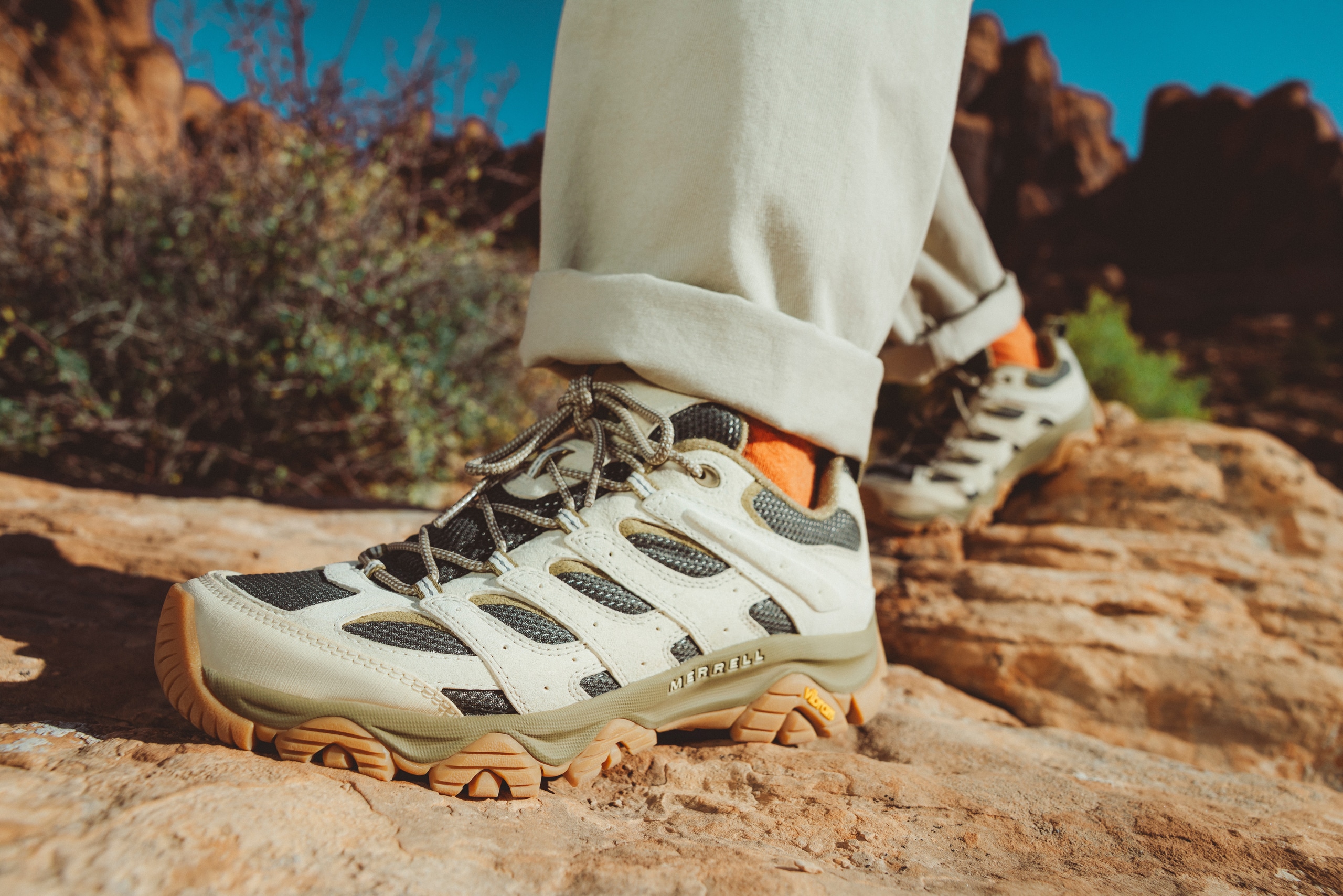
Bottom Line: Whether you’re a beginner hiker or looking for a lighter-weight shoe that performs like a sturdy boot, the Merrell Moab 3 Hiking Shoes are ready to go where you go, straight out of the box.
Testing Stats:
- Testing locations: The Appalachian Trail, Washington
- Testing duration (miles): 2,000+ miles
- Best testing story: “I remember being very happy with my decision to go with the Merrell Moab,” Nguyen says about her Appalachian Trail journey. “I think the most memorable part for me was hiking through Vermont. The terrain offers such varying environments, steep climbing opening up to panoramic views to rocky water cross, 150 miles of hiking of quick change in elevation from 400 to 4,000 feet. I hiked through rock paths, boardwalk paths and sketchy water crossing near waterfalls in such a beautiful state. There was a moment of feeling so tiny and grateful for being able to be alive when I hiked up the fire tower in Stratton Mountain.”


Altra Lone Peak 9 Waterproof Low Hiking Shoes
Score 90
Waterproof Yes
Waterproofing Waterproof bootie construction
Upper Recycled polyester mesh
Midsole Altra EGO™ foam
Outsole MaxTrac™ rubber
Heel-to-toe drop (mm) 0 mm
Heel stack height (mm) 25 mm
Weight (pair) 1 lb. 7.6 oz. (women's), 1 lb. 13.7 oz. (men's)
If you scour thru-hiker website, blogs and YouTube reviews, you might notice that Altra Lone Peak trail-running shoes are especially popular on the Appalachian Trail nowadays: A roomy, foot-shaped toe box, grippy outsoles and zero-drop platform make them a trail angel for your toes. For the Waterproof Low version, Altra beefs up the beloved shoe with a water-resistant bootie to help shed muck and moisture on sploshy days.
The tradeoff: This weather protection makes the Lone Peaks warmer and less breathable than other shoes on the list. "I only use them in colder environments since it tends to warm my foot comfortably and keep my feet dry," says Mimi Alvarez, a retail sales specialist at the REI store in Albuquerque, New Mexico. "Hiked Whitney, Rim to Rim and all my high-altitude hikes in Altras and I never feel my feet tired."
Altra loyalists will recognize the same dual-density EVA midsole and 25-millimeter stack height found in other versions of the shoe. Durable, recycled polyester mesh uppers with protective overlays can stand up to whatever the trail throws at them, and for anything else, there are gaiter attach points to help you easily add a fortress layer. Other versions: Altra Lone Peak 9 and 9+ shoes are available in a wide range of versions, including trail-running shoes, GORE-TEX waterproof shoes, and mid-height hiking boots. Shop the Lone Peak collection here.
Bottom Line: Zero-drop enthusiasts who want more ground contact but still need a bit of cushion and waterproof protection should reach for the Altra Lone Peak 9 Waterproof Low Hiking Shoes.
Testing Stats:
- Testing locations: Arizona, California, New Mexico
- Testing duration (miles): Thousands of miles (thru-hikers, after all)
- Best testing story: REI Co-op gear tester and MYTH (multiyear thru-hiker) Jasmine S. didn’t begin undertaking long-distance hikes until after age 50 and has since logged thousands of miles on the PCT, John Muir Trail and elsewhere. She swears by her Lone Peaks, which she says keep her feet happy over hundreds of miles.


KEEN Targhee Apex Waterproof Hiking Shoes
Score 87
Waterproof Yes
Waterproofing KEEN.DRY waterproof/breathable membranes
Upper Performance mesh/TPU overlays
Midsole Light, compression-resistant KEEN.ReGENX foam
Outsole KEEN.ALL-TERRAIN rubber
Heel-to-toe drop (mm) 14 mm
Heel stack height (mm) 38 mm
Weight (pair) 1 lb. 4.8 oz. (women's), 1 lb. 8 oz. (men's)
The iconic, rugged KEEN Targhee footwear line has been going strong for 21 years now, and the latest Apex waterproof hiking shoe is a nimble and quick addition designed for technical trails and speedy pursuits. Thanks to the highly responsive KEEN.ReGENX foam that provides almost 70% energy return with every step, they’re perfect for big mile days.
KEEN traditionalists might balk at the modern-looking mesh uppers with durable TPU overlays, but these casual-looking kicks are built for the outdoors. They’re just equally comfortable at the coffee shop or grabbing happy hour—and we love versatility. Multidirectional lugs on the proprietary rubber compound outsoles grip to a variety of wet and dry surfaces, and a wraparound rubber guard adds extra protection around the midsole. REI Co-op gear tester and avid birder Andy N. in Washington says that while the tread didn’t seem overly aggressive, he had no issues with slipping or sliding on a variety of terrain. He did, however, wonder if the shoe’s torsional control could withstand more technical surfaces, and recommends sticking to lighter or moderate terrain.
That experience helped Any define exactly where the Targhee Apex shines. “For me personally, the KEEN Targhee Apex fit perfectly into a two-shoe philosophy that most hikers probably use: one burly, supportive high-top hiking boot for technical terrain, and a light, comfortable shoe for well-maintained trails,” Andy says. “The KEENs are perfect for that second role—they’re the shoe I'd reach for on a casual park outing or a well-groomed trail where I don't need heavy support or rock protection.
They’re also ready for all-weather performance thanks to a PFAS-free KEEN.DRY membrane, which testers found more than functional (if a little stuffy on warmer days, says Gerard). In addition to tackling muddy trails, wet grass and (classic Pacific Northwest) rain, Andy went the extra mile and put them through what he calls his “Extreme Dunk Test.” “Wading into water and standing for 60 seconds—which I performed twice: once straight out of the box, and again after 35 miles of use. Not a drop of water entered on either occasion, showing the waterproof membrane remained fully intact throughout my testing period.” And, as a nod to sustainability efforts, it’s worth sharing that KEEN was one of the earliest adopters of PFAS-free waterproofing technology for footwear.
As for comfort, one tester noted the classic KEEN comfort fit: Everything from the heel cup to the wider toe box made for a roomy and all-day-comfortable ride, particularly for those who prefer or need extra space in the forefoot. And, while they don’t provide the same structure and support as more rigid shoes, their light weight and sneakerlike flexibility helped keep them comfortable over long days on the trail. Other versions: The Targhee line includes a wide variety of hiking boots, shoes and sandals. Shop the KEEN Targhee collection.
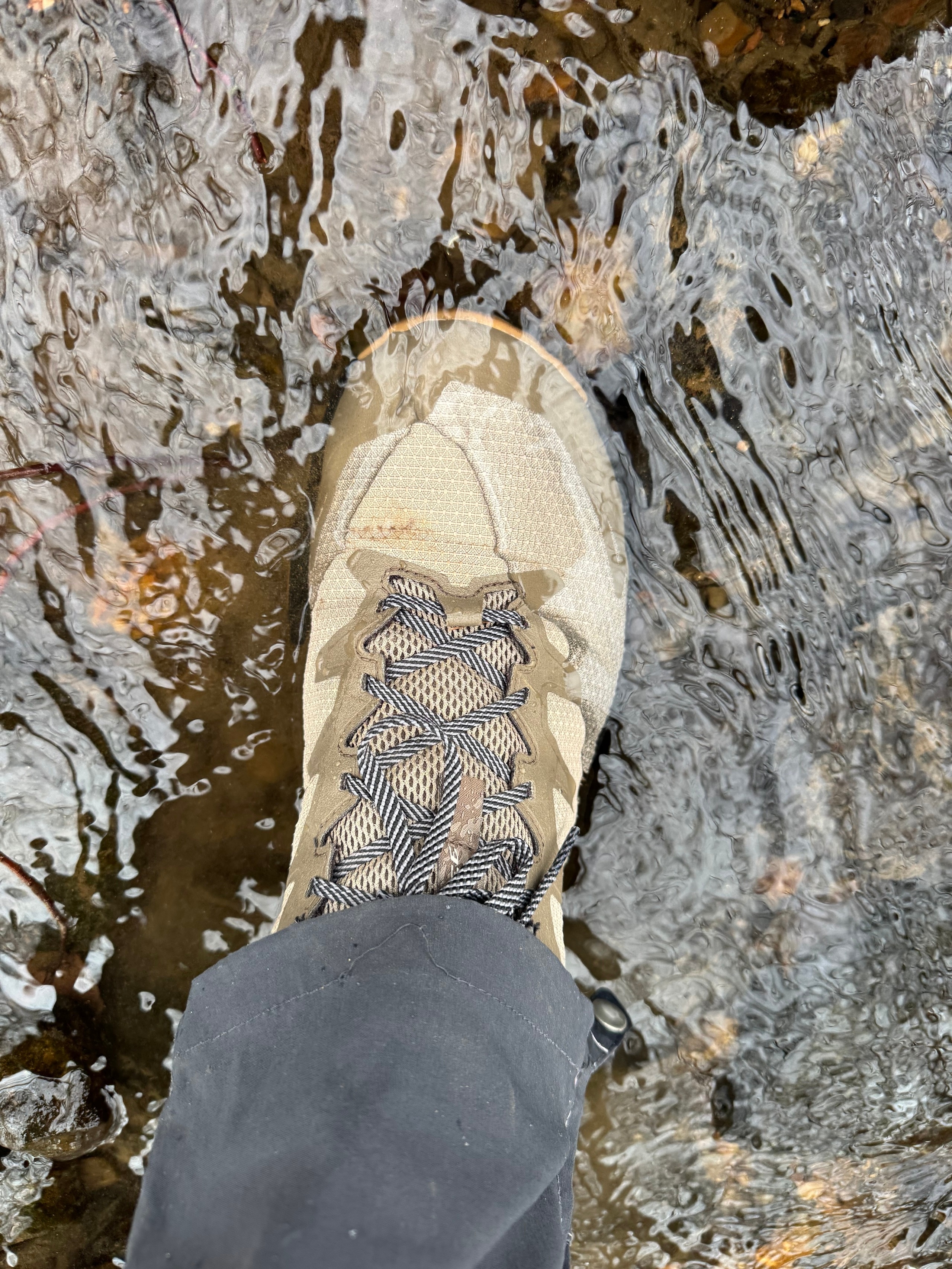
Bottom Line: Light weight, reliable waterproofing and signature KEEN roomy fit make the Targee Apex Waterproof Hiking Shoes a strong choice for well-maintained trails, everyday hikes and mixed-surface adventures.
Testing Stats:
- Testing locations: Pennsylvania, Washington
- Testing duration (miles): 59 miles
- Best testing story: REI gear tester Andy N. in Seattle is also an avid birder who took his Targhee Apexes out to see what fanciful fliers he could see. “I spotted two Say's phoebes—a relatively rare flycatcher in our area—on separate outings at Discovery Park and Union Bay Natural Area. At Marymoor Park I came across an early Rufous hummingbird, one of the first signs of spring migration.”


The North Face Offtrail Hike GORE-TEX Hiking Shoes
Score 86
Waterproof Yes
Waterproofing GORE-TEX 3L waterproof membrane
Upper CORUDRA® ripstop
Outsole SURFACE CTL rubber
Heel-to-toe drop (mm) 6 mm
Heel stack height (mm) 30 mm
Weight (pair) 1 lb. 10.6 oz. (women's), 1 lb. 14.3 oz. (men's)
Terrain type Light to moderate
Like several of the options on this list, the Offtrail Hike GORE-TEX Hiking Shoes from The North Face hit a sweet spot between trail runner and hiking shoe, combining the comfort, capability and durability of both into one sneakerlike package. They aren’t the lightest shoes in the guide by ounces, but they’re not lightweights when it comes to performance, either. Durable CORDURA® ripstop uppers with protective TPU overlays keep abrasions few and far between, and scuffs don’t stand a chance against leather-reinforced ballistic rubber toe caps. Three-layer PFAS-free GORE-TEX waterproof membranes keeps moisture out while staying moderately breathable, though REI gear tester and adventure travel guide Brooke B. found that heat got trapped on warm, humid Florida days, causing some hot spots after logging long miles.
She also reports that when conditions are right, the Offtrails provide a luxe ride. “They have the perfect amount of cushion that feels bouncy but still secure,” she says. REI Hike editor Ever Meister agrees, after wearing theirs on mixed-trail hikes along the Mississippi River in Minnesota and on creekside trails in Georgia. “They’re snug enough to feel secure but flexible enough to move with me when I change pace,” Meister says. “I generally prefer shoes with wider toe boxes, like Altras, but these had plenty of forefoot room despite their more traditional fit.” A padded collar and tongue add plushness without too much bulk.
Where the beefiness does come in, somewhat unexpectedly, is the outsole and tread. Proprietary high-traction SURFACE CTRL™ rubber with generously spaced 5 mm lugs offer excellent traction, Meister says. “These have some nice, beefy lugs for what looks like a more casual hiking shoe; the multidirectional lugs shed dirt, mud and rocks easily and offer plenty of grip on the trail,” they say. The rocker sole encourages smoother footfalls and a nice fluid heel-to-toe motion, they add, helping roll the foot forward with each step and making it easier to speed across flatter terrains. A rubber-wrapped heel and forefoot keep the uppers clean when you’re kicking mud, and SKYCORE rock guards help keep the soles of your feet from feeling every rock and root. Other versions: The North Face Offtrail Hike is available in waterproof mid versions in women's and men's.
Bottom Line: The North Face Offtrail Hike GORE-TEX Hiking Shoes combines trail-runner comfort with hiking-shoe protection, making it a strong option for mixed terrain hikes and wet conditions.
Testing Stats:
- Testing locations: Florida, Georgia, Minnesota
- Testing duration (miles): 64 miles
- Best testing story: Hike editor for the co-op Ever Meister tests a lot of shoes, so they have a few regular hikes where they’ll test out several pairs at a time on the same terrain. “My favorite place to try out multiple shoes is the woods at Crosby Farm regional park in St. Paul, which has kind of a buffet of terrains to explore: There are rough and ready dirt and sandy hiking and MTB trails, a long paved portion, a semisecret slot canyon, boardwalks and a nice long stretch of secluded riverbank when you get down the bluff to the Mississippi.”
Rugged terrain


Oboz Katabatic RT Low Waterproof Hiking Shoes
Score 90
Waterproof Yes
Waterproofing GORE-TEX Invisible Fit
Upper Recycled polyester mesh with TPU overlays
Midsole EVA
Outsole Vibram® Megagrip rubber
Weight (pair) 1 lb. 8.4 oz. (women's), 1 lb. 14.4 oz. (men's)
Terrain type Moderate to rugged
Best for Catching speed on more technical trails
Montana outdoor brand Oboz may be better known for its classic, burly hiking boots, but the Katabatic RT Low Waterproof hiking shoes prove the brand can also outfit lighter, faster treks across challenging terrain. Part of its nimbler Katabatic line, introduced in 2023, the RT Low Waterproof impressed our testers whether they were tackling long trails to the crag, daylong adventures in the North Georgia Blue Ridge Mountains or daily crosstown journeys.
No matter where they wore the shoes, testers praised their durability: Rocks, sticks, wear and tear hate to see these tough, ballistic mesh uppers coming. Protective TPU overlays and reinforced heel and toe caps boost the Katabatic RTs’ abrasion-resistance even more. Waterproof GORE-TEX linings are directly bonded to the upper for less bulk and better breathability.
The latest Katabatic shoes feature an updated midsole comprising 15% bio-based EVA, which cuts grams while maximizing energy return and plenty of rebound for fleet feet. A higher-density, mid- to forefoot EVA rockplate levels up the shoes’ torsional stability and provides a buffer from sharp rocks and uneven terrain. A pair helped REI Co-op gear tester Kate R. in Tennessee lug equipment out to the bouldering field for a day of climbing, and even got a couple V0s in, as though they were designed for the approach. “Even carrying a crash pad on my back and a backpack on my chest—really weighted down—I felt like I could trust my shoes.” Scrambling over rock scree was also a breeze for her, thanks to multidirectional 5 mm lugs and Vibram® Megagrip rubber outsoles.
While testers found the Katabatic RTs pleasantly springy and all-day ready underfoot, they all noted that the fit was a little narrow. Georgia-based REI Co-op gear tester and professional travel writer Sheeka S. says they threatened blisters toward the end of a long mountain hike, and hikers with wider forefeet or those prone to foot swelling on long hikes may want to size up to prevent hotspots once hardworking feet start to swell. Other versions: The Oboz Katabatic RT is available in waterproof mid versions in women’s and men’s.
Bottom Line: The Oboz Katabatic RT Low Waterproof Hiking Shoes are high-performance hybrid hikers that are comfy out of the box and ready to head off the grid.
Testing Stats:
- Testing locations: Georgia, Minnesota, Tennesee
- Testing duration (miles): 48 miles
- Best testing story: “This was the only pair of shoes I brought on a camping trip in the Blue Ridge mountains in early Spring, so days were warm and nights were near freezing. My feet usually run cold, but with hiking socks, my feet felt warm and supported during the warm days and cooler mornings,” says Georgia-based REI Co-op Member gear tester Sheeka.
Buying Advice
REI experts say there really isn't an objectively best or worst hiking shoe. "There's a lot of 'different,'" notes Carlos Rodriguez, long-distance trail runner and department manager at the REI store in Wichita, Kansas. "It's going to come down to what your wants and needs are."
When you're trying to find the hiking shoe that works for you, you'll want to consider several factors, including the sizing/fit, shoe traction, flexibility, weight and whether you need waterproofing.
Sizing and fit
Our feet swell throughout the day, even when we're doing run-of-the-mill activities. Remember that when deciding what size hiking shoe to purchase. The best bet for getting the right size: Go into your local REI for an in-person fitting, ideally at the end of the day when your feet are at their largest. When you do, be sure to wear hiking socks similar to what you might wear on your next outing. (Read How to Choose Hiking Socks and check out our Best Hiking Socks: Staff Picks.)
When trying on hiking shoes, make sure there’s enough room in the toe box to allow your toes to move comfortably, especially if you’ll be hiking downhill or carrying a heavy pack.
Traction
The efficacy of a hiking shoe's traction—its ability to grip the ground—comes from the lugs' depth and the outsole material.
Lugs are the protrusions on the bottom of your hiking shoe, and they help keep us upright by digging into the dirt or clutching onto the rock. They also serve as a defensive layer between our feet and the ground. Some brands go a step further by designing each lug's shape and pattern to best suit the shoe's intended movement or environment. (Note that deeper lugs means more rubber, which means more weight.) Deeper lugs tend to perform better in loose dirt, mud and soft terrain, while shallower lugs often feel smoother on hard-packed trails or pavement. The North Face Offtrail Hike and Oboz Katabatic RT have 5 mm lugs, while the Brooks Ghost Trail have 3 mm lugs.
Hiking shoe outsoles are made from a wide range of different rubbers with varying levels of "stickiness." Softer rubber compounds usually have better grip, but they can be less durable and wear out faster than harder rubber compounds.
Since hiking shoes are designed for the trail, they're all going to have relatively good traction, thru-hiker and REI Atlanta senior retail specialist Elizabeth Nguyen says. "If it fits you well in the toe box and heel areas, then the traction will do the job it's meant to do."
Flexibility
A hiking shoe's stiffness or flexibility depends on its midsole construction. Hiking shoes with more flexible midsoles will likely be more comfortable, even right out of the box. Since they're made with softer, less-dense materials and typically have fewer supportive layers, they're also lighter and may feel less clunky. On the other hand, they may also be less durable than a stiffer shoe.
More traditional hiking shoes have a stiffer midsole, designed to sustain additional compression on our feet from wearing a heavier backpack. A stiffer midsole can also reduce foot strain by preventing the arch from curving around rocks or roots and helps protect the soles of our feet. Stiffer hiking shoes are likely to last longer but weigh more.
Weight
How much weight matters when choosing hiking shoes depends on your goals.
If your priority is speed and comfort, then opt for a lighter shoe. Just keep in mind that the lighter shoe (especially if it has a less robust build) will likely be less durable and less supportive.
If you want more support and durability, heavier hiking shoes tend to be made with tougher materials (e.g., leather uppers, denser and/or luggier outsoles) and include more supportive elements like a shank or rock plate. While a burlier shoe might not wear out as fast as a lighter one, you might wear out faster if you're not used to wearing something heavy on your foot.
The lightest hiking shoes in this guide are the HOKA Speedgoat 7: The women's version is just 15.7 ounces, and then men's is 1 pound, 1.2 ounces. The North Face Offtrail and Merrell Moab 3 shoes are the heaviest. Both women’s shoes weigh about 1 pound, 10 ounces, while the men’s The North Face Offtrail weighs in at 1 pound, 14.3 ounces, and the men’s Merrell Moab 3 weighs 2 pounds, 1 ounce.
Ultimately, our experts say it's a continuum between lightweight, speed and comfort versus protection, durability and stability. Which hiking shoe is best for you comes down to personal preference, foot type and your objectives.
Waterproofing
Experts agree you may want waterproof hiking shoes if:
- You plan to encounter some moisture, such as dewy grass, puddles or melting snow.
- You're in cool or cold conditions, as waterproof barriers obstruct airflow, trapping more of the heat your foot generates.
You may not want waterproof hiking shoes if:
- Your body tends to run hot, as waterproof shoes are less breathable.
- You'll be in a more humid or desert environments, as that lower breathability can cause your feet to overheat and sweat more, which can cause blisters.
- You plan on tackling full water crossings or submerging your shoes, since waterproof barriers will keep water in just as well as they keep it out and may stay wet for a long time. Instead, opt for a quick-drying hiking shoe or consider a hiking sandal instead.
Many hiking shoes—including several on this list—are available in both nonwaterproof and waterproof versions at REI. Even standard hiking shoes typically offer some water protection on the outsole and likely through the midsole. Truly waterproof shoes also have that water protection in the shoe's upper, either through a durable water repellent (DWR) coating or built-in liner. GORE-TEX, eVent® and Outdry are some of the most well-known waterproof technologies.
Of the versions appearing on this list, the waterproof shoes are the Salomon X9 Pro 3D V9 GORE-TEX, Altra Lone Peak 9 Waterproof Low, KEEN Targhee Apex Waterproof, The North Face Offtrail Hike GORE-TEX and the Oboz Katabatic RT Low Waterproof.
How We Tested
We sent more than 25 pairs of shoes to REI Co-op Member gear testers and staff across the United States and asked them to show no mercy on the trail. They wore their shoes hard: Testers like adventure guide Brooke B. in Florida and experienced mountaineer Rachel H. in Washington hit double-digit mileage in their first weekend of testing. These are their top choices available at REI Co-op, evaluated for everything from comfort and stability to traction, appearance and affordability.
Related articles
- How to Choose Hiking Boots
- Hiking Boots vs. Hiking Shoes: What's the Difference?
- Should I Get Waterproof Trail-Running Shoes?