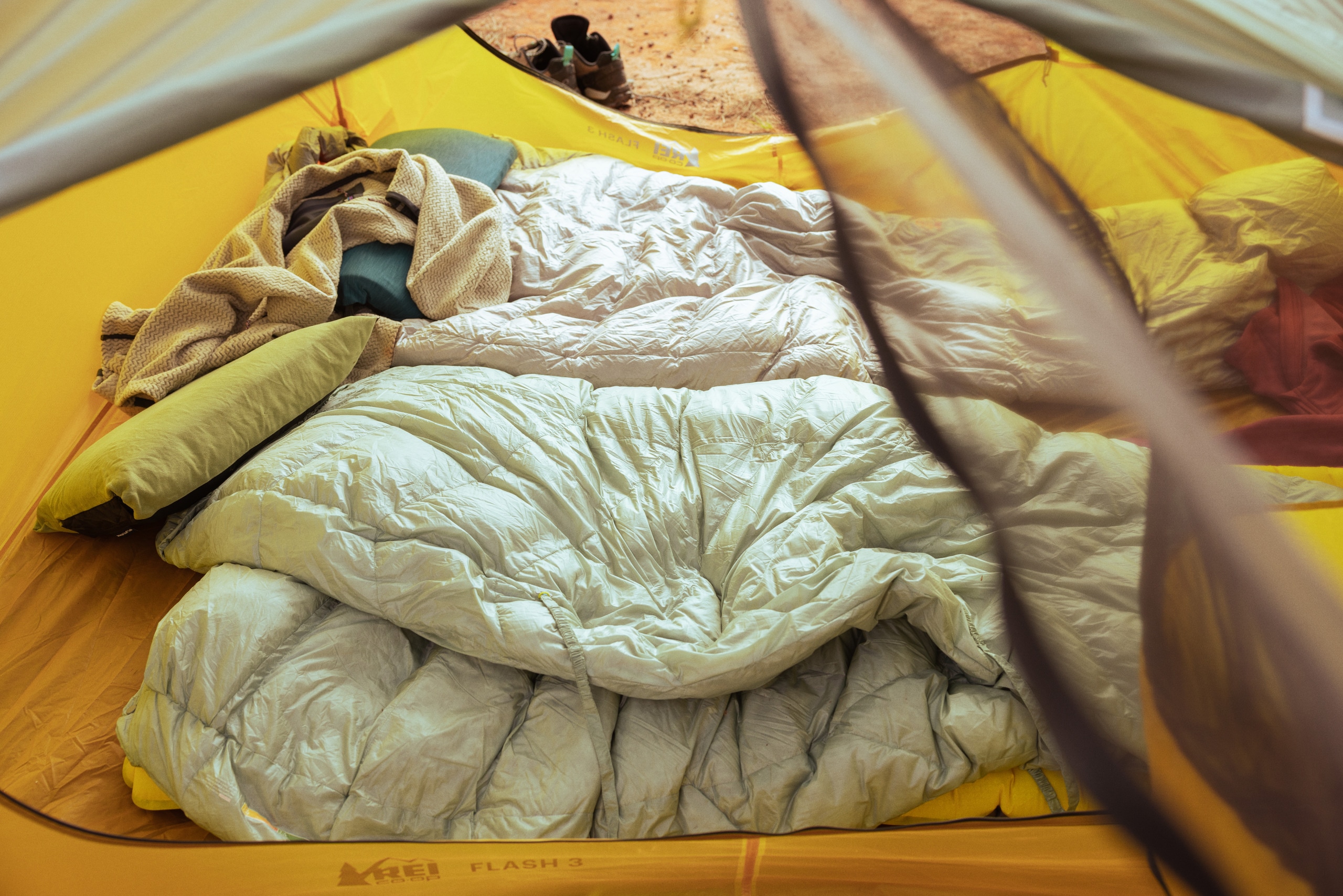
Packing for an ultralight backpacking trip can feel a little like a puzzle: You're trying to maximize weight savings while prioritizing the essential and nice-to-have gear needed for a comfortable, safe trip.
That’s why we put together this gear checklist for your next ultralight adventure, complete with tips for choosing lightweight options when possible. The list is comprehensive, so we don’t expect you to pack every item (unless it's one of the "Ten Essentials"). Instead, think of it as a gear menu you can tailor to your specific trek.
Whether you’re a seasoned ultralighter or just looking to lighten your load, use this list to guide your trip prep.
(Related articles: Ultralight Backpacking Basics | The Ten Essentials)
Ultralight Backpacking Gear
For quick recommendations, click below, or keep scrolling for more information.
Backpacking Gear
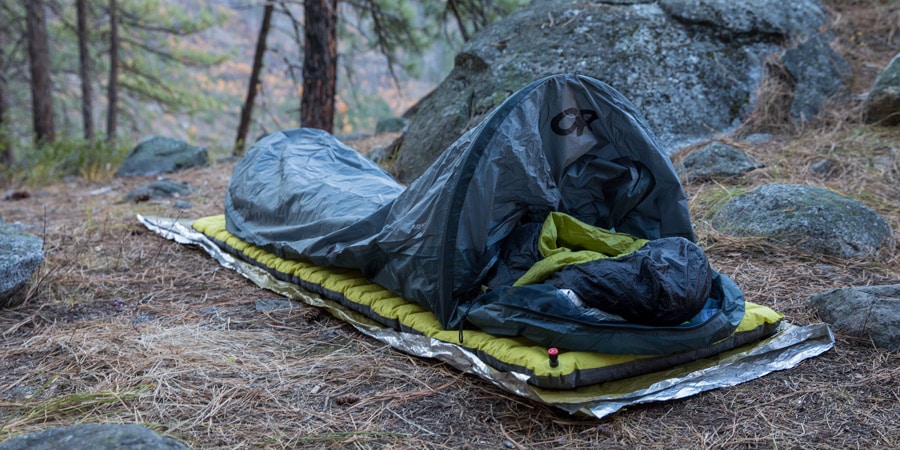
Your pack, sleep system and shelter are the bulkiest, heaviest items in your kit. The quickest way to trim ounces is to look for ultralight versions.
Essential Items
- Backpack: Ultralight packs are typically frameless, minimally padded and between 45 and 55 liters.
- Shelter: There are five main options, and choosing the right one for you depends on budget, weather conditions, comfort level and personal preference.
- Tent: You can save ounces by ditching the rainfly on dry days or by bringing only the rainfly and footprint (no tent body).
- Tarp: These minimalist shelters have no floor but provide some coverage from rain.
- Bivouac (bivy) sack: These lightweight bags offer a breathable barrier for your sleeping bag.
- Bug shelter: Most consist of netting and poles but no floor.
- Ultralight hammock: Pair with a bug net or rainfly for extra protection.
- Sleeping bag: Down-filled bags are lighter and more compressible than synthetic options.
- Sleeping quilt: This is a lighter alternative to a sleeping bag that provides only a top layer.
- Sleeping pad: Closed-cell foam pads are typically the lightest option, followed by air pads.
Related articles: How to Choose a Backpacking Tent | How to Choose the Best Sleeping Pad for Camping and Backpacking | How to Choose Sleeping Bags for Backpacking
Optional Items
- Pack liner: An space-saving alternative to a pack cover, a liner can help keep your gear dry during rain showers.
- Trekking poles: Fixed poles (those without adjustment points) are lighter. REI classifies ultralight poles as those that weigh less than 1 pound per pair.
- Tent footprint: This protective barrier between your tent and the ground adds extra weight but can extend your tent’s lifespan.
- Pillow: Comfortable sleep may be worth the extra couple ounces.
- Bear spray: Some national parks require bear spray. Check local regulations. (See also: Bear canister)
Cookware and Drinking Water

You’ll need these items on the trail to make a hot meal and filter/purify your water, but you may decide to bring more or fewer items depending on your approach to cooking and cleaning up in the backcountry. For instance, some ultralight backpackers cold soak their food (a method of reconstituting dehydrated meals using cold water) to avoid bringing a stove and fuel. Depending on where you’re camping, you may also need to bring a mesh strainer to dispose of water used for washing up. Read up on Leave No Trace principles and any site-specific rules before heading out.
Cooking System
- Backpacking stove: Tablet and alcohol stoves are often the lightest.
- Stove fuel: Options include fuel tablets, alcohol and gas blends (typically propane and isobutane), among others. Check that your stove is compatible with your fuel source.
- Mini lighter
- Mug and/or pot: Save weight by choosing a pot that can double as a mug.
- Utensils: A simple, lightweight spork is typically all you need.
- Dish scrubber: You can buy a full-size sponge at the store and cut it in half to save space (and give the other half to a backcountry friend).
Food Storage and Disposal
- Food bag: Odor-proof options can help protect your food from bears and other animals. You can tie them to a tree limb to keep them out of reach.
- Bear bag/bear canister (if required): Food bags don't always cut it. Modular bear canisters are compact and can double as storage in your pack. Some parks require them, so check local regulations.
- Trash bag: Bring a trash bag from home to pack out waste.
- Mesh strainer: Use this to strain food particles from your grey water.
Water System
- Water filtration system: For those counting grams, lighter options include straw and squeeze filters.
- Purification drops or tablets: Alternatively, you could bring drops or tablets to purify water. Keep the tablets in a bag instead of their container to save weight and space (unless their directions say otherwise).
- Collapsible water bottles: You can fold these up as you drain them to conserve space in your pack.
Related articles: How to Choose the Right Backpacking Stove Fuel | How to Choose a Backpacking Stove | How to Choose a Water Filter or Purifier | How to Treat Water in the Backcountry
Clothing and Footwear
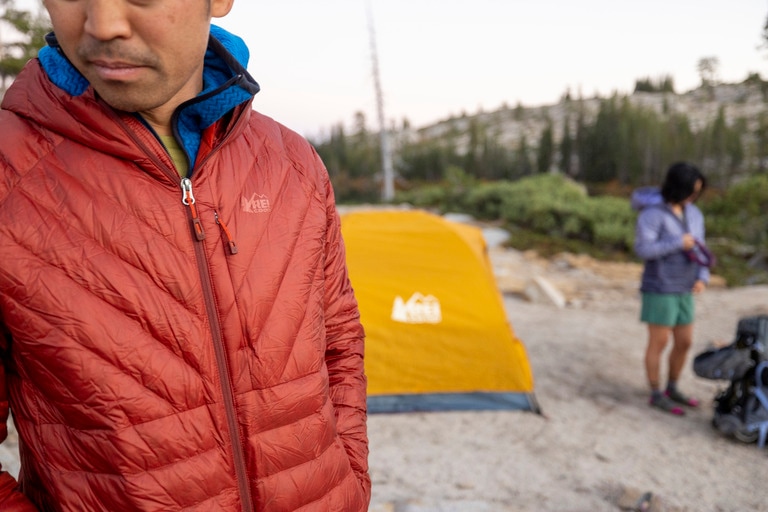
The clothing you bring will depend on weather, trip duration, location and personal preferences. Read Ultralight Backpacking Basics for tips on what to consider.
For the Trail
- Hiking or trail-running shoes: Hiking and trail-running shoes are typically the lightest options. Boots offer ankle support but are heavier.
- T-shirt or base layer: Wool is resistant to odor-causing bacteria, making it a solid option for multiday trips.
- Hiking or running shorts: Look for options that are breathable and durable. If you're thru-hiking, select an option with a drawstring so you can adjust fit over time.
- Hiking pants: Convertible versions provide versatility for stream crossings, chilly mornings, warm afternoons and more.
- Underwear: Avoid cotton. Instead, choose moisture-wicking materials, like wool or polyester.
- Sports bra: Choose a breathable option with a soft band that will feel comfortable beneath a pack.
- Socks: Socks with padding can make a multiday trek feel a little easier on your feet.
- Sun-protective hat: Consider a cap made with UPF-rated fabric and a wide brim.
- Sun sleeves (opt.): These provide extra sun protection and are easy to take on and off throughout your hike.
- Bandana: Wear it around your neck for sun protection, tie it on your pack to add trail flair or dip it in a stream for a quick cool-down.
Related articles: How to Choose a Sports Bra | How to Choose Hiking Underwear | How to Choose Sun-Protection (UPF) Clothing | How to Choose Hiking Socks
For the Campsite
- Long-underwear top for sleep: These come in multiple weights (lightweight, midweight and heavyweight) as well as different materials (silk, synthetic and wool).
- Long-underwear bottoms for sleep: For multiday outings, consider a wool layer. Wool naturally resists odor-causing bacteria.
- Warm hat: Temps often drop as the sun sets. Consider a beanie to stay warm.
- Wool or synthetic socks for sleep: Consider dedicating one pair of socks for sleep only, so that you’re never sleeping in sweaty stockings (damp feet=cold feet).
- Puffy insulated jacket or vest: Down versions tend to be lighter and more compressible than synthetic options.
- Sandals (opt.): These can be helpful for river crossings and lounging at camp.
Related articles: How to Choose Base Layers | Layering Basics
For Rain or Cold Weather
- Rain jacket: Look for options with features like pit zips that allow ventilation while you move.
- Rain pants: Versions with ankle zips make them easy to take on and off in unexpected weather without removing your shoes.
- Warm gloves: Consider a waterproof version to keep your fingers dry, too.
Navigation System
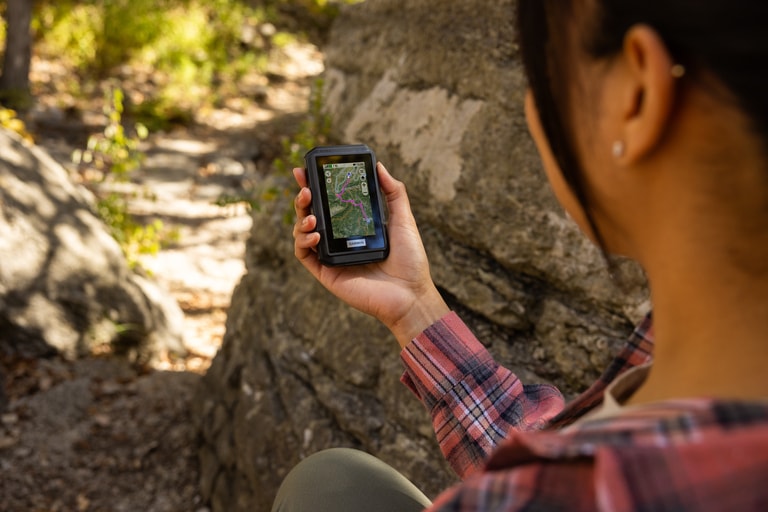
Before you set off on your backpacking trip, it's important to learn a few basics about navigation—like how to read a map and use your compass. To brush up on these essential skills, check out our Intro to Navigation series.
- Map: Carry a map of the trail(s) you intend to hike. If you’re printing one, consider using waterproof paper.
- Compass: Carry a compass and know how to use it. Learn more in How to Use a Compass.
- Solar/portable charger: You can use this to charge your GPS, phone and more.
- GPS: Features like preloaded maps, an electronic compass and altimeter can make GPS devices handy on long trails.
- Satellite communicator or Personal Locator Beacon: A satellite communicator allows two-way communication (text messaging, tracking) in remote areas, while a personal locator beacon sends one-way SOS signals to nearest rescue services via satellite.
- Route description: You can photocopy relevant pages in your guidebook to cut down on bulk.
- Permits: Many trails require permitting to park, hike and/or camp there. Make sure to research the proper permits ahead of time.
Related articles: How to Choose and Use a GPS | How to Choose Between a PLB and a Satellite Messenger
Hygiene and Toiletries
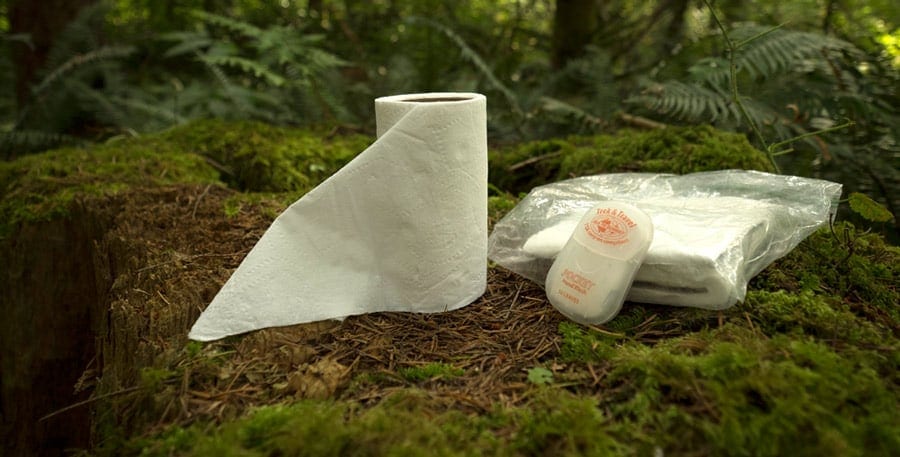
Going ultralight doesn’t have to mean forgoing hygiene. You can find compact, backcountry-specific versions of toothbrushes, toilet paper and more to help save space and weight in your pack.
- Sun protection: This includes sunscreen (stick versions are light and long-lasting) as well as sunglasses, UPF-rated clothing and a hat.
- Insect Repellent: Look for small bottles or single-use packets.
- Hand sanitizer: Clip a keychain-size version to your pack for bathroom trips, meal prep and more.
- Toothpaste or baking soda: Travel-size versions and tablets save space and weight.
- Small toothbrush: Some ultralighters saw off the end of a full-size toothbrush or bring only the brush head of an electric toothbrush.
- Biodegradable soap: You can use this to clean your dishes, hands, face and hair.
- Pre-moistened wipes (2 per day): You can use these instead of biodegradable soap, but you’ll have to pack them out.
- Toilet paper: Add squares to a small bag or purchase a lightweight mini roll.
- Pee cloth: Antimicrobial versions can be reused on multiday trips.
- Trowel: Depending on where you camp, you may have to bury your waste.
- Hygiene products: Menstrual cups are the lightest option but require soap and water for proper cleaning. Tampons and pads must be packed out.
- Pee funnel: These can make bathroom breaks more convenient for people who squat to pee.
- Prescription medications: Store them in baggies or smaller containers to save space.
Related articles: Backpacking with Your Period | Ask an Outsider: Should I Still Bury My Poop in the Backcountry? | Gear I Hold Dear: My Kula Cloth
First Aid and Emergency
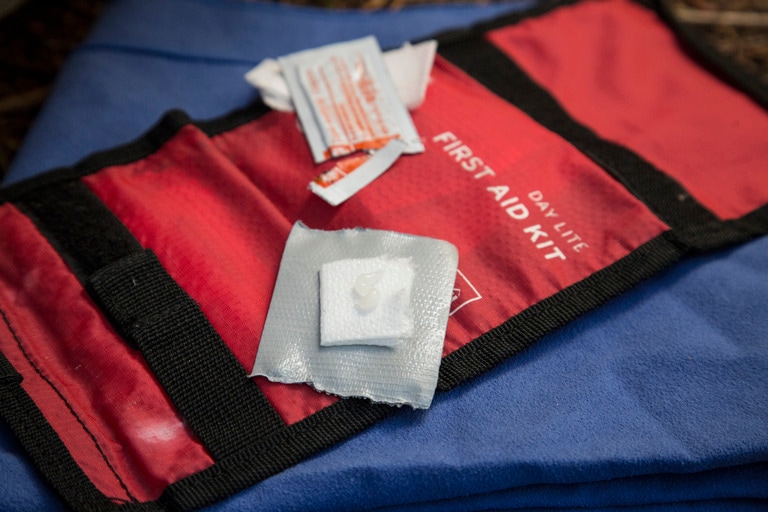
Your exact kit may vary depending on your personal needs, the duration of your trip and where you plan to backpack. You can purchase a pre-made kit or customize your own.
- First-aid supplies: Control the weight and size by customizing your own kit.
- Safety whistle (with neck cord): This tiny tool creates a sound louder than a human voice. Use it to deter wildlife or call for help.
- Emergency shelter: An emergency blanket weighs less than 3 ounces and packs small.
- Stormproof matches: Carry these for rainy or windy evenings.
- Firestarter: Strikable fire points and heat nuggets are light, compact options.
- Itinerary copies (for friend + under car seat): Always share your itinerary with a friend or family member so they know where you are and when you plan to return.
- Small knife: Use it for gear repair, food prep, first aid and more.
Related articles: A Guide to Common Hiking Injuries | Wilderness First Aid Basics | Blister Prevention and Care
Miscellaneous
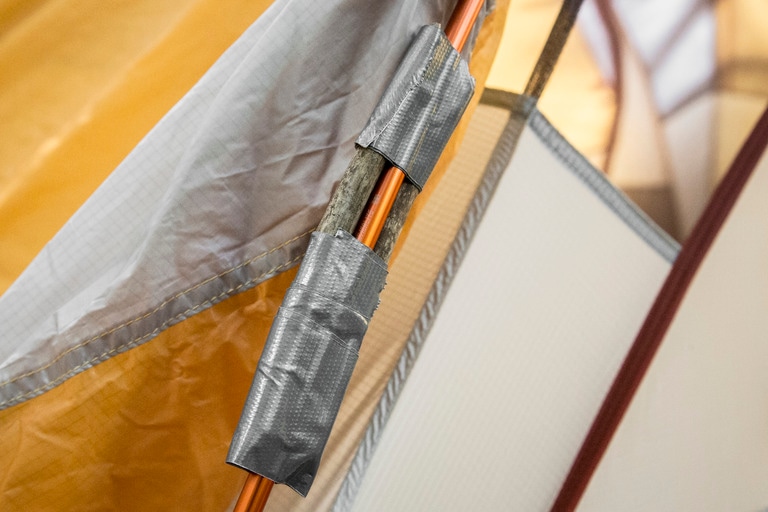
Some of these items, like a headlamp and sun protection, are essential no matter the time of year or destination. Others, like an ice axe and gaiters, depend on trail conditions, terrain and weather.
- Headlamp with fresh batteries: Many ultralight versions weigh less than two ounces.
- Extra batteries: Pack spares for all battery-powered devices.
- Lip balm: Choose one that contains SPF.
- Sunglasses: Look for polarized lenses if you plan to hike through high-glare areas, like snowy trails.
- Mosquito head net: These small, lightweight nets protect you from thirsty insects.
- Gaiters: If you plan to hike through snow or sand, consider a pair of protective gaiters.
- Ice traction devices: These provide extra grip on icy trails.
- Ice axe: Thru-hikers often carry one in early or late hiking season when snow is still present on some trails.
- Repair kit: Come prepared with the right tools to mend your gear. A jammed zipper, punctured sleeping pad or torn tent can create an uncomfortable and potentially dangerous situation in the backcountry.
- Small amount of cash: If you’re a thru-hiker planning resupplies in towns along the trail, make sure to carry cash.
- Credit card: Stash your card in a part of your pack you use infrequently to avoid losing it.
- Cellphone: Put it on airplane mode or power it off to conserve battery.
Luxury Items
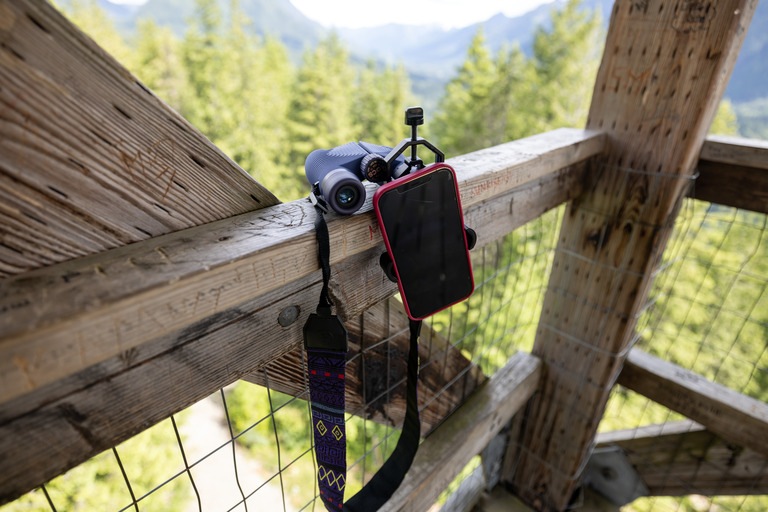
Going light and compact with essential gear can create extra room for those nice-to-have items—like a camera to snap sunrise pictures or a journal to document wildlife. Here are a few ideas to inspire your packing.
- Camera: A simple point-and-shoot is perfect for capturing campfire memories.
- Binoculars: Bring a neck strap so you can keep these within reach on the trail.
- Journal or sketchbook: Weatherproof versions will hold up best.
- Pen or pencil: Great for sketching nature, journaling your thoughts or documenting wildlife.