Part of the joy of camping is its simplicity: You can savor a night under the stars with little more than a tent, sleep system and a few cooking essentials. But there’s also something magical about turning your campsite into a personal oasis. That could mean adding cozy camp blankets to your tent or investing in a griddle so you can whip together morning pancakes.
No matter your camp style, every good trip begins with at-home prep. That’s why we created this handy checklist of car-camping essentials to keep you organized.
Use this gear list as a guide to ensure you pack necessary supplies (like the Ten Essentials) as well as nice-to-have items that can make a campground feel more like home. This list is comprehensive, so you shouldn’t feel the need to bring everything—though we won't judge you if you do.
(Related article: Camping for Beginners)
Printer-friendly version (PDF)
Camping Essentials Checklist
For quick recommendations, click below, or keep scrolling for more information.
Core Camp Gear
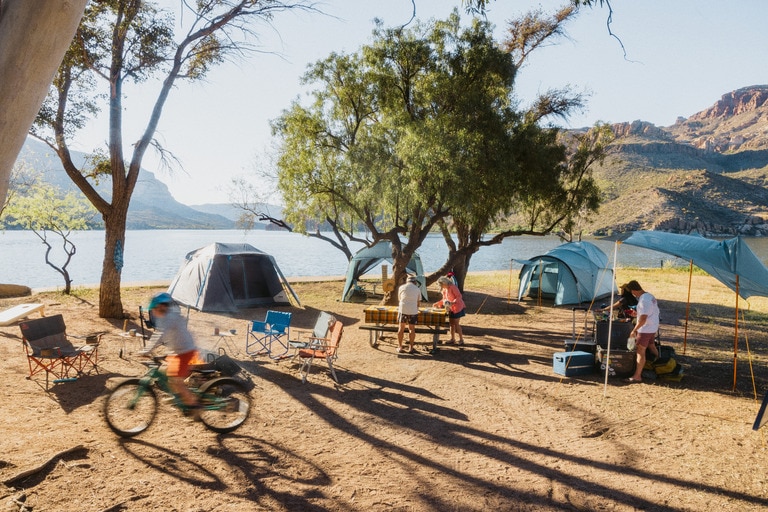
These are the most important items on your camping essentials checklist. Feel free to choose plush, roomy, comfortable versions of each. After all, one benefit of car camping compared with backpacking is that you can be more generous with weight and size.
- Tent (and footprint, stakes): For optimal comfort, choose a shelter that’s sized for one or two more people than will regularly be sleeping in it.
- Sleeping bag: Choose one with a comfort temperature rating at or below expected overnight lows.
- Sleeping pad: The thicker the pad, the comfier it’s likely to be. Self-inflating models that expand with a combination of foam and air offer the plushest sleeping surface.
- Headlamp or flashlight (and extra batteries): Choose one with a red light to preserve night vision for stargazing.
- Lantern (and fuel/batteries if needed): Lanterns add ambiance and make it easier to move around after nightfall.
- Navigation tools: Choose a map (physical or digital), compass and/or GPS. If you use a digital map, make sure you can access it offline and that you have a way to recharge whatever device you've stored it on.
- Dog gear: If bringing your furry companions, don’t forget their food, bowls, leash, toys, waste bags and other gear.
Elevate Your Core Setup
- Camp pillow: Options made with compressible foam will feel most similar to your pillow at home.
- Camp chair: Pick a style based on comfort and vehicle space. Options include simple stools, scoop chairs and loungers.
- Sunshade, tarp or screen house: A covered seating area can provide a place to relax away from sun or rain.
- Hammock: Opt for a two-person sling if you want extra room to stretch (or get snuggly with a buddy).
- Cots: These can provide extra comfort and insulation from the ground—and they're easier to get on and off than a pad, thanks to their height.
- Sleeping bag liners: These can boost a bag’s temperature rating and protect it from dirt and skin oils.
- Firewood (sourced near campsite): Collect dead and downed wood if the destination allows or purchase bundles from within a few miles. Always follow Leave No Trace principles.
- Ground mat: Place one outside your tent door to keep the interior clean.
- Tablecloth and clips (or tape): Public picnic tables can become grimy over time. Covering it with a cloth is often easier than cleaning it yourself.
- Clothesline with clips: Perfect for drying damp clothes or swimwear.
- Extra storage: Bring dry bags, stuff sacks and bins to keep everything secure and organized for a stress-free experience.
Related articles: What to Look for in a Camping Tent | How to Choose Sleeping Bag Liners | How to Choose a Sleeping Pad for Camping and Backpacking | What Is a Tent Footprint?
Camp Kitchen Supplies
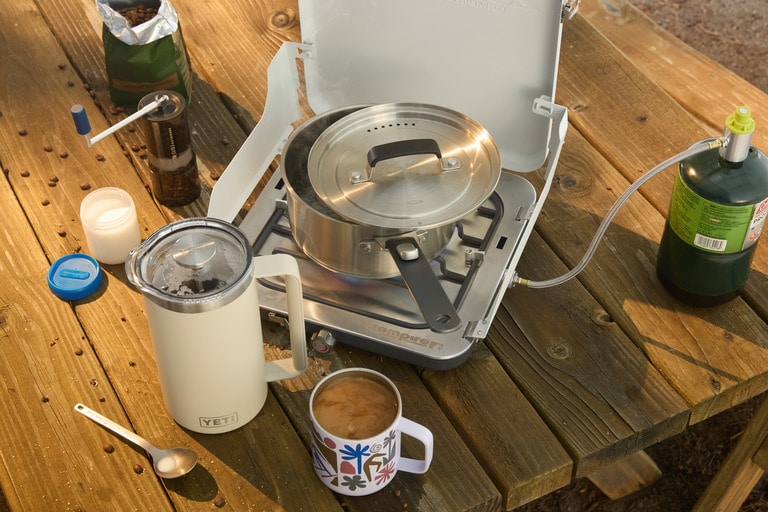
What you choose to cook—and how simple or elaborate it is—determines the kitchen tools you’ll need to pack. A dehydrated meal calls for a stove, matches, fuel and a spork. If you’re planning a multi-dish feast for several campers (or even just for yourself), you may want to pack extras like a camp table, dinnerware, cutting board, cook pots and more. For additional ideas and food suggestions, see our dedicated Camp Kitchen Checklist.
- Stove and fuel: Single-burner stoves are typically more compact. A double-burner stove allows you to cook more food at once, making them great for larger feasts and group dinners.
- Matches/light/firestarter: Bring at least two methods for starting a fire in case one fails.
- Cook pots (and pot holder): You can purchase individual pots or invest in a set (many of which come with other kitchen tools like a fry pan). Most camp pots nest together to save space in your gear bin.
- Frying pan: Perfect for grilling veggies, burgers, eggs and pancakes.
- Eating utensils: Pack a spork or elevate your camp experience with a full cutlery set.
- Cooking utensils: A spatula, serving spoon and flipper are a good place to start.
- Bottle opener, can opener, corkscrew: Keep one of each in your camp kitchen kit to open wine, canned chili, beer and more.
- Sharp knife: Your multi-tool won't cut it when it's time to chop vegetables for dinner.
- Plates/bowls: Some options nest within each other while others collapse or fold for easy transport and storage.
- Mugs/cups: Perfect for hot beverages and mixed drinks.
- Cutting board: Bring at least two—one for raw meat and another for everything else. Pack extras for plating shared finger food, like sandwiches and fruit.
- Cooler: Consider ease of use, cooling capabilities and features like cupholders, straps and wheels. Soft-sided coolers are easy to tote, but hard-sided versions can double as seating and keep contents cold longer. Electric options can offer flexibility on long trips if you don’t have access to ice.
- Ice or ice substitutes: Ice packs are less messy but often can’t be refrozen on longer trips.
- Water bottles: Stay hydrated throughout your trip. Insulated options keep drinks cold or hot, but reusable plastic versions may be less likely to dent if dropped.
- Camp sink or wash bins: These make cleaning up after meals easy, especially if your campground doesn’t have a dish sink. Set up your wash station 200 feet from all water sources.
- Biodegradable soap: Use it to wash your dishes or bathe. Never use any soap in natural bodies of water.
- Pot scrubber/sponge(s): Essential for stuck-on food residue.
- Trash/recycling bags: Pack out your litter with a reusable trash bag. Line it with a compostable trash bag if using it for food scraps.
- Dish towel: Lightweight microfiber options are absorbent and can be used for drying dishes, gear or hands.
Elevate Your Kitchen Setup
- Camp grill and fuel: If you prefer cooking over charcoal or an open flame instead of a gas-powered stove, a portable grill may appeal to you. Don’t forget to bring wood or charcoal if collecting downed wood isn’t allowed where you’re camping.
- Grill rack: Not all campgrounds provide them, so pack your own if you plan to cook over a campfire.
- Griddle: Making pancakes for a group? A griddle provides more space than a fry pan.
- Dutch oven: These large vessels are great for making one-pot big-batch dinners, like stews or chili.
- Portable coffee makers and kettles: Choose one based on your coffee preferences and the size of your group. A French press or percolator makes several cups at a time while pour-overs and portable espresso makers are perfect for one or two.
- Camp table: A packable table makes preparing meals more functional if there’s no picnic table.
- Roasting forks: Grab a few to cook hot dogs or toast marshmallows over an open flame. We promise it’s easier than finding the perfect stick.
- Food storage: Bring a mix of containers, reusable bags and foil to store leftovers, to-go lunches and ingredients.
- Large water jugs: How much you pack in depends on whether your campsite has drinkable water. Be prepared to treat water if there's only a natural water source.
- Large, clear plastic bins to store kitchen gear: An organized camp kitchen box or bin makes meal prep fast and easy.
Related articles: The 6 Best Camp Coffee Makers: Tested | The Perfect Kit for Camp Cooking | How to Set Up the Perfect Camp Kitchen | How to Choose Camping Cookware
Clothing and Footwear Basics
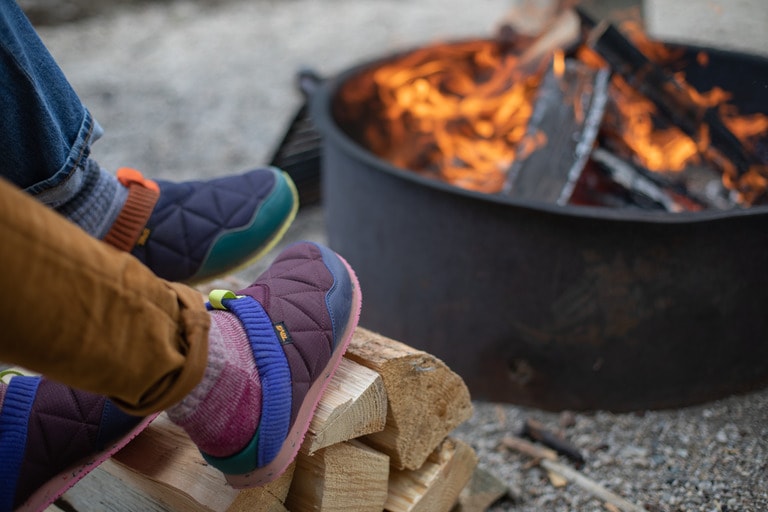
The right clothing can make or break a camping trip. Synthetic materials are often a safe choice because they dry fast and wick sweat. But keep the temperature and humidity in mind when packing, and dress in layers for ultimate versatility.
- Moisture-wicking underwear: Avoid cotton, which can cause discomfort and chafing when damp.
- Moisture-wicking T-shirts: Quick-dry fabrics can keep you cool and comfortable.
- Quick-drying pants/shorts: Choose based on your preferences and chosen activities. If your plans don't involve physical activity, lounge clothing may be enough.
- Long-sleeve shirts: Sleeves offer sun and insect protection.
- Lightweight fleece or jacket: Even if it’s warm during the day, temps often drop once the sun sets. Plan for chilly evenings and mornings.
- Boots or shoes suited to terrain: Consider features like waterproofness, ankle support and whether they’re closed- or open-toe.
- Socks: Wool options regulate temperature, resist odor and wick moisture. Synthetic options dry faster, wick moisture and can provide extra cushion.
- Sleepwear: Set aside a clean pair of breathable clothes for sleeping. You can pack dedicated pajamas or set aside a pair of unworn layers.
For Rainy and/or Cold Weather
- Rainwear (jacket and pants): If you're expecting precip, look for a jacket with a waterproof rating of at least 15,000-20,000 (check the product tag), which signifies how much water pressure the fabric can withstand before leaking.
- Long underwear: A cozy base layer takes up little space and can add significant warmth. Choose among lightweight, midweight and heavyweight options, depending on the temps you expect and how cold/warm you run.
- Insulated jacket or vest: When sizing, leave room for layering underneath. Down jackets are extra warm, lightweight and compressible. Synthetic options offer warmth even when wet, dry quickly and are more affordable than down.
- Fleece pants: These are perfect for staying cozy around the campfire on cool nights.
- Gloves or mittens: Layer a liner glove beneath a heavier glove for versatility.
- Warm hat: A beanie takes up little space in your kit and can add a lot of warmth when temps drop at night.
- Swimsuit: For impromptu alpine lake dips or lazy river tubing.
- Water sandals: These can be worn in communal showers or when wading into a lake. They drain and dry fast.
- In-camp sandals or booties: Insulated slippers when it’s cold and sandals when it’s warm make camp life comfier.
- Bandanas: Good for everything from pre-filtering water to keeping sweat out of your eyes.
Related articles: How to Choose Base Layers | Layering Basics
Entertainment for Downtime
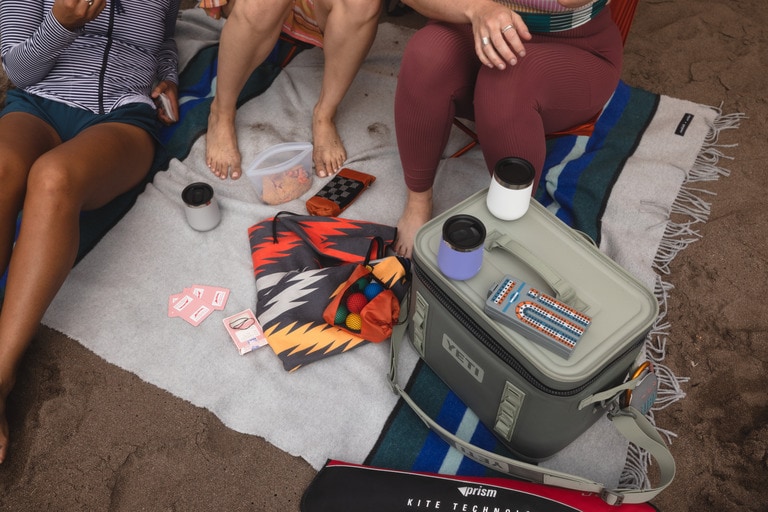
Most of the following items are optional, but they can provide entertainment, comfort, efficiency or even education. (Hello, field guides.)
- Solar and portable power: Portable batteries and solar panels come in all shapes and sizes. Choose one based on trip length and the number of devices you need to keep charged.
- Binoculars: Super for spotting wildlife.
- Field guides: Handy for folks who like to identify local plants, animals or insects.
- Star chart/night-sky identifier: Digital or printed versions can help you pinpoint constellations.
- Reading (or listening) material: Bring an e-book, paperback or pre-downloaded podcast for lazy afternoons.
- Notebook and pen/pencil: Ideal for writing poetry or notes while committing to a digital detox. Waterproof versions are extra durable.
- Music player with headphones: Always follow Leave No Trace by respecting campground quiet hours, silencing your phone and using headphones to listen to music.
- Games and toys: Many games—like cornhole and checkers—come in travel sizes that are perfect for camping.
Hygiene and Toiletries
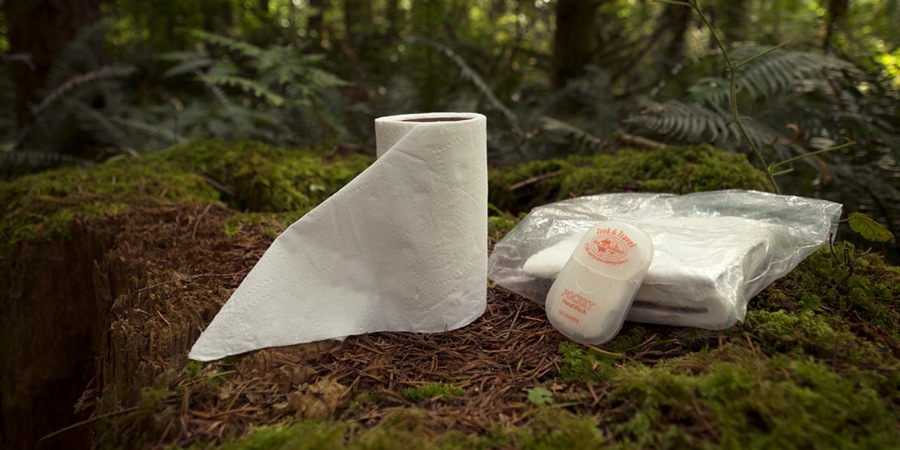
There are some essentials you should pack for any trip, including camping trips. Namely, your usual health and hygiene items. Rule of thumb: If you use it at home, you’ll need it at the campground, too.
- Toilet paper: This is especially important if you’re dispersed camping far from proper bathrooms. Always follow Leave No Trace principles.
- Hand sanitizer: Bring one for the kitchen table and a smaller bottle to keep on hand during activities. However, hand sanitizer doesn’t kill the bacteria or viruses that cause food poisoning. For that, you’ll need to use soap and water.
- Toothbrush and toothpaste: Travel-size options and toothpaste tablets take up less space.
- Toiletry kit: A durable toiletry bag that keeps everything in its place and easily accessible can streamline morning and evening rituals.
- Quick-dry towel: These are handy for drying off after camp showers or polar plunges.
- Menstrual products: Remember, tampons and pads must be packed out. Reusable menstrual cups may be more convenient but require soap and water for proper cleaning.
- Prescription medications: Bring enough for your planned trip plus a few extra days.
- First-aid kit or first-aid supplies (see First-Aid Checklist): Bring enough for the whole group plus any pets.
Optional
- Urinary products: Pee funnels and reusable cloths can help people who squat to pee do so more comfortably.
- Sanitation trowel: Also known as a cat hole shovel, a trowel is essential for burying waste when you have to dig a cat hole.
- Body wipes: Feel cleaner in the absence of a shower. Travel-size versions take up less space in a pack or gear bin.
- Alcohol or antiseptic wipes: Keep these on hand to wipe down surfaces like picnic tables. Unless the wipes contain bleach, don’t rely on them to kill bacteria or viruses that cause food-borne illness.
- Personal care items: You can bring a compact brush, mirror and tinted moisturizer––or skip them. There's no right way to exist outdoors.
- Spare eyeglasses/contact lenses: In case you drop one in the dirt.
- Eyeshades: Late sleeper? You can opt out of the sunrise with an eye mask.
- Earplugs: These are essential at busy campgrounds to drown out late-night or early-morning noise.
- Portable camp shower: Stay squeaky clean even when dispersed camping or at a designated site without a shower.
Related articles: Ask an Outsider: Should I Still Bury My Poop in the Backcountry? | Gear I Hold Dear: My Kula Cloth | A Guide to Common Hiking Injuries | Wilderness First Aid Basics | Blister Prevention and Care
Sun and Bug Protection
- Sunscreen: At least SPF 30, applied every two hours.
- Sunglasses (and sunglasses straps): Think about what activities you have planned at camp when choosing a pair. Polarized lenses protect from glare (important if you’re on or near the water), and certain frame materials are more durable than others.
- Sun hat: A sun sat plays double duty by protecting your eyes and skin from the sun.
- Lip balm: Choose an option with SPF.
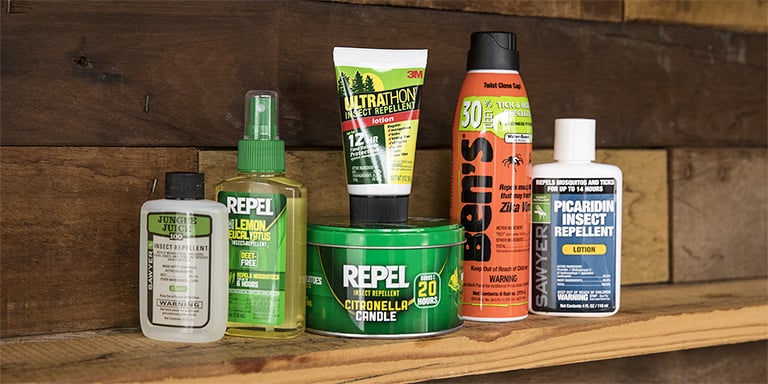
- Insect repellent: Choose a chemical option, like DEET or picaridin, or a natural alternative made with synthesized plant oils.
- Insect repellent device: Station these on camp tables to ward off insects around the whole campground.
Related articles: How to Choose Insect Repellent | How to Choose and Use Sunscreen | Best Sunglasses: Staff Picks
Tools & Repair Items
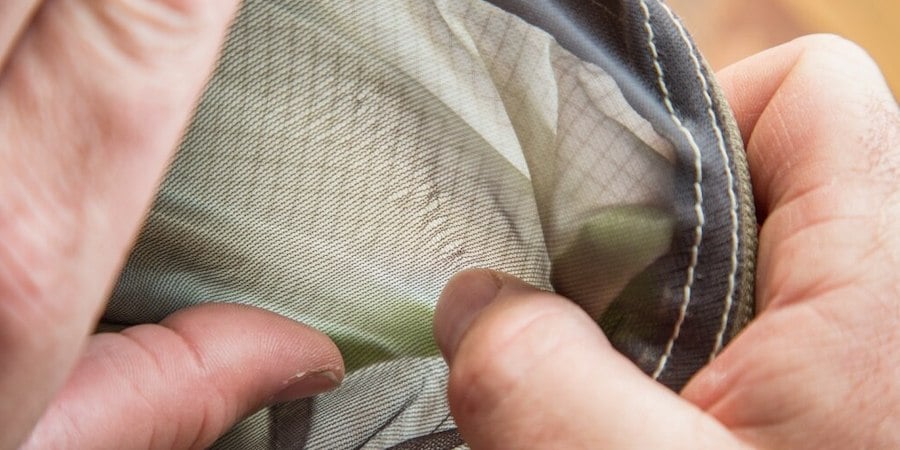
Come prepared for anything—and avoid cutting your trip short due to a minor gear malfunction—by packing a few essential tools and repair items.
- Multi-tool: Use it to open cans, unscrew battery covers or cut tape.
- Duct tape: Patch a hole in your tent or craft a temporary repair for broken sandals. The uses are endless.
- Extra cord: This can be used to hang wet clothes, anchor a sunshade, lash gear to your pack and much more.
- Tent-pole repair sleeve: Slide one over a bent or fractured tent pole to create a temporary brace.
- Pad/mattress repair kit: Don’t be caught with a slowly deflating pad. Keep patches on hand to seal up small punctures.
- Mallet or hammer: Use it to pound tent stakes into hard soil.
- Camp saw or axe: Remember to only chop dead and downed wood. Never cut down live trees.
- Small broom and dustpan: This duo makes cleaning up your tent floor a breeze.
Related articles: How to Fix a Tent Pole | How to Patch a Down Jacket | How to Fix a Zipper | How to Repair a Sleeping Pad
Personal Items
Likely, you wouldn’t dream of going anywhere without most of these items, but don’t leave them at home just because you’re headed outdoors for a few days, even if you plan to be off the grid.
- Credit card and/or cash: Credit cards are widely accepted, but cash can come in handy when paying for campgrounds after hours, purchasing firewood or dealing with emergencies.
- Government ID: Many campgrounds require proof of identity.
- Cellphone: Check to see if you’ll have service before you go. Download offline maps just in case.
- Campsite reservation confirmation (if required)*: Print it out or download it on your phone.
*Recreation.gov is a great resource for public lands campsite reservations; Hipcamp is great for booking private lands campsite reservations.