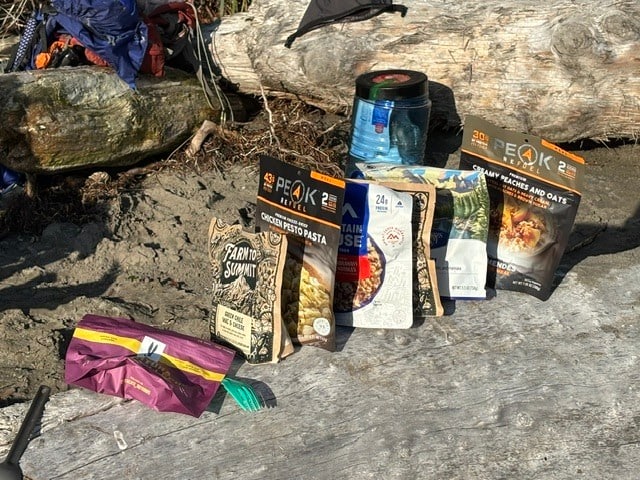
Employees at REI don't just love backpacking, we can get pretty obsessive about it. Many of us spend countless nights on the trail, testing gear, planning meals and experimenting with what tastes good al fresco. (We also love to debate endlessly about what to eat on night one versus what to save for night two or three). We asked backpackers across REI to share the premade breakfasts, dinners and desserts they’ve packed, devoured and would recommend to others. From comfort-food classics to cold-soak surprises, here are the trail-tested freeze-dried or dehydrated meals our staffers think you should try on your next adventure.
Staff Picks
For quick recommendations, check out our roundup below, or scroll down for in-depth reviews.
Breakfasts
Best Sweet Breakfast: Backpacker's Pantry Granola with Blueberries, Almonds & Milk
Best Savory Breakfast: PEAK REFUEL Biscuits & Sausage Gravy
Best Dessert for Breakfast: Itacate Aventura Arroz con Leche
Vegetarian Options
Best No Cook / Cold Soak Side Dish: Farm to Summit Thai Carrot Slaw
Best Vegan Backpacking Meal: PEAK REFUEL Butternut Dal Bhat
- Best Mac and Cheese (with a Kick): Farm to Summit Green Chile Mac and Cheese
- Most Gourmet Meal: GOOD TO-GO Herbed Mushroom Risotto
Dinners
Best Protein-Packed Meal: PEAK REFUEL Chicken Alfredo Pasta
Kid-Friendly Meal: Backpacker's Pantry Three Cheese Mac & Cheese
Best Meal that Employees Eat Even When Not Camping: PEAK REFUEL Sweet Pork & Rice
- Best Noodles: Backpacker's Pantry Pad Thai with Chicken
Dessert
- Best Dessert – Kids’ Pick: Backpacker’s Pantry Astronaut Neapolitan Ice Cream Sandwich
Note: All nutrition specs are listed per serving
Editors' Note: We updated this guide on Aug. 27, 2026, after asking REI Green Vests and other employees to share their favorite backpacking meals.
Breakfasts
Best Sweet Breakfast

Backpacker's Pantry Granola with Blueberries, Almonds & Milk - 2 Servings
Servings 2
Calories 260
Protein 8 grams
Carbohydrates 37 grams
Fat 9 grams
Dietary notes Vegetarian
Hot or cold, this granola is jazzed up with almonds and brown sugar and about as easy as it gets to prepare at camp.
“I love to make my own granola for breakfast, but sometimes between work and navigating parenthood, I just don't have the time! That's when I reach for Backpacker's Pantry Granola with Blueberries, Almonds and Milk. It's simple and delicious without any unwanted additions,” says Taylor Burr, a sales specialist based in the Pacific Northwest.
Best Savory Breakfast


PEAK REFUEL Biscuits & Sausage Gravy - 2 Servings
Servings 2
Calories 570
Protein 18 grams
Carbohydrates 27 grams
Fat 45 grams
Dietary notes None
It's biscuits and gravy like grandma used to make—but without the mess. This PEAK REFUEL breakfast packs a whopping 36 grams of protein to power multi-day adventures.
"The PEAK REFUEL Biscuits and Gravy has become a breakfast staple. [It’s a] truly ample portion can easily be shared or be plenty of calories [for one] for a big day. The biscuits retain their texture very well and don't simply become a soggy mess,” says Isham Adams, department manager at the REI store in Bloomington, Minnesota.
"As a Southerner, there is nothing better than real comfort food on day four of a backpacking trip,” adds Richard Garcia, senior operations specialist at the Columbia, South Carolina, REI store. “It’s a fresh pair of socks for the soul.” Buy here.
Best Dessert for Breakfast


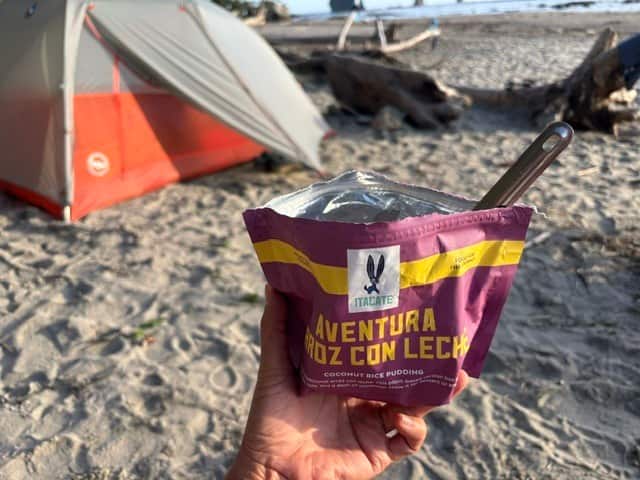
Itacate Aventura Arroz con Leche
Servings 1
Calories 450
Protein 7 grams
Carbohydrates 80 grams
Fat 10 grams
Dietary notes Contains nuts
This small but mighty brand has developed a loyal following since it launched several years ago. Founder Martha Y Díaz longed for the familiar Latin flavors of her culture while backpacking and set out to diversify the backcountry menu with Itacate Foods.
"If you love rice pudding, this is an excellent backcountry take,” says Phuong Le, managing editor for Expert Advice, who ate it on a July backpacking trip to Olympic National Park. While it’s technically a dessert, she brought it along for breakfast. “The coconut, chia and strawberry combo was a refreshing change from old standbys like oatmeal and granola.” Her tip: Use boiling, not lukewarm, water and let it soak a few extra minutes beyond the package instructions, so the rice fully rehydrates. Better yet, tuck the pouch inside your jacket while you sip your morning coffee. Buy here.
Vegetarian Options
Best No Cook / Cold Soak Side Dish


Farm to Summit Thai Carrot Slaw - 2 Servings
Servings 2
Calories 230
Protein 7 grams
Carbohydrates 27 grams
Fat 13 grams
Dietary notes Vegan
Sometimes you just don’t feel like firing up the backpacking stove or you’re not in the mood for a hot meal. This cold-soak (just add cold water) Thai Carrot Slaw from Farm to Summit is the answer to those days.
“It's a cold-soak vegetable side and let me tell you, salad is a revelation after days of dried, salty food in the backcountry,” says Young. “Eat the slaw on its own or add it to a wrap (it's awesome with some almond butter and Sriracha).”
Adds Francisco, our camp buyer, “the Farm to Summit Thai Carrot Slaw is a sleeper and an absolute revelation for backpacking trips!” Buy here.
Best Vegetarian/Vegan Meal


PEAK REFUEL Butternut Dal Bhat - 2 Servings
Servings 2
Calories 430
Protein 12 grams
Carbohydrates 52 grams
Fat 22 grams
Dietary notes Vegan, contains nuts
If you can't make it to a Nepali restaurant, this backpacking dinner by PEAK REFUEL may be the next best thing. The lentil-and-rice dish satisfies from a flavor and fuel standpoint with the addition of butternut squash, chickpeas and coconut milk.
“As someone who doesn't eat a lot of meat, it's an excellent vegetarian (vegan, actually) option that also packs in a lot of protein. It's really flavorful and has a nice texture. I've eaten it while on the PCT (Pacific Coast Trail), on the Colorado trail, and sometimes I have it at home when I'm too lazy to cook,” says Jeanie Murphy, retail sales specialist at the REI store in Tacoma, Washington. Buy here.
Best Mac and Cheese (with a Kick)


Farm to Summit Green Chile Mac and Cheese - 2 Servings
Servings 2
Calories 350
Protein 14 grams
Carbohydrates 62 grams
Fat 8 grams
Dietary notes Vegetarian
This Durango, Colorado, brand sources a large portion of its produce from small local farms and doesn’t use any preservatives. That means you may get a shorter shelf life (about 18 months to 2 years) than many traditional backpacking meals, but staffers say the flavor really sticks with you.
“The Green Chile Mac and Cheese has great kick and good texture,” says Heather Young, senior manager of content readiness at REI and a recent convert to this brand. Her two pro tips: Use a little less water in the first step of soaking the plain noodles so you'll have less to drain and pour it into a mug so you can add some back with the cheese powder if needed to get the perfect sauce consistency. “When I've been working hard all day, the two servings make a solid dinner for one.”
Young also recommends drinking the spicy-starchy pasta water or dispersing the liquid responsibly according to Leave No Trace principles. Buy here.
Most Gourmet Meal

GOOD TO-GO Mushroom Risotto - 1 Serving
Servings 1
Calories per Serving 410
Protein 13 grams
Carbohydrates 64 grams
Fat 10 grams
Dietary notes Vegan, gluten-free
Imagine restaurant-quality cuisine with the sounds of nature: That's exactly what you get with this herby backpacking rendition of an Italian classic. Jennifer Scism, cofounder and head chef of GOOD TO-GO, draws on her experience as an Iron Chef winner to bring gourmet flavors to the backcountry. This is a crowd favorite among our plant-based backpackers.
"GOOD TO-GO Mushroom Risotto is the classic for me,” says Ben Francisco, REI assistant category merchant for cookware and other camping furniture.
"Following a plant-based/vegan diet, options are not overly abundant. But adding another vote for GOOD TO-GO Mushroom Risotto!” adds Cara H., a statistical analyst at REI. Buy here.
Dinners
Best Protein Packed Meal


PEAK REFUEL Chicken Alfredo Pasta - 2 Servings
Servings 2
Calories 410
Protein 24 grams
Carbohydrates 23 grams
Fat 23 grams
Dietary notes None
This trail favorite from PEAK REFUEL packs a protein punch, with 24 grams per serving (that’s 48 grams total in one pouch). It’s crammed with a satisfying combo of diced chicken, rotini noodles, Parmesan and creamy Alfredo sauce, but the hint of garlic enhances the already savory taste and earns this one another no-backpack-required vote.
“It's super comforting and tasty,” adds Claire Allinson, senior shipping and receiving specialist at the Loveland, Colorado, REI store. “I always save this meal for the hardest day of my backpacking trip, so I have something to look forward to!” She notes that this would be a great option for picky eaters or kids since the ingredients are cheese, chicken and pasta. Buy here.
Best Kid-Friendly Meal


Backpacker's Pantry Three Cheese Mac & Cheese - 2 Servings
Servings 2
Calories 260
Protein 12 grams
Carbohydrates 32 grams
Fat 9 grams
Dietary notes Vegetarian
Any parent will tell you: Getting little ones to eat at camp is as difficult as shouldering a 60-pound pack up a steep climb. The distractions are bad enough (birds! bugs! dirt! tent!), but most kids simply don't like backcountry cuisine. Enter Backpacker's Pantry Three Cheese Mac and Cheese. While this meal is a fave of kids, our adult staffers can vouch for it, too!
“Like eating fresh mac and cheese—feels cozy and is so delicious,” says Lizzy Rudge, an associate product manager with REI Co-op Brands who has eaten this meal many times but her fondest memory was while backpacking on Five-Mile Island in the Hoh Rainforest in the Olympic National Park. Buy here.
Best Meal that Employees Eat Even When Not Camping


PEAK REFUEL Sweet Pork and Rice - 2 Servings
Servings 2
Calories 370
Protein 20 grams
Carbohydrates 59 grams
Fat 23 grams
Dietary notes None
Who says you must go backpacking or camping to feast on a backpacking meal? For Martie Johnson, this PEAK REFUEL Sweet Pork and Rice, with veggies and a brown sugar glaze, is so good that she often reaches for it as a quick dinner even at home.
“All-time favorite, and (I) even eat it when not camping,” says Johnson, a customer service contact specialist at REI. Buy here.
Best Noodles


Backpacker's Pantry Pad Thai With Chicken - 2 Servings
Servings 2
Calories 410
Protein 21 grams
Carbohydrates 49 grams
Fat 17 grams
Dietary notes None
Taylor Burr is an avid backpacker who enjoys exploring the national parks and remote wilderness areas. Her favorite way to enjoy a backpacking meal is with good company beside an alpine lake after a long day on the trail.
And one of her go-to meals is the Pad Thai with Chicken, which is also available in a vegetarian version. “It comes with a lime packet, spice packet and peanuts, which is really great to let you personalize the flavor and is awesome for sharing purposes if you and your friend have different spice tolerance levels,” Burr says. Buy here.
Dessert
Best Dessert – Kids’ Pick


![Astronaut Neapolitan Ice Cream Sandwich - Single Serving [Back view]](/media/cf15308f-cfe4-4ad9-822c-93ddd82107a3/?size=440)
Backpacker's Pantry Astronaut Neapolitan Ice Cream Sandwich - Single Serving
Serving 1
Calories per Serving 130
Protein 2 grams
Carbohydrates 21 grams
Fat 4 grams
Dietary notes Vegetarian
This nostalgic dessert from Backpacker's Pantry was the OG among freeze-dried treats, and it still delights kids today. It’s a light, crunchy ice cream sandwich that satisfies a sweet tooth, and is just unusual enough to spark conversations.
“My kids always save this treat for the last night of backpacking, so they can savor the delightful weirdness,” says Le, whose kids enjoyed it on a recent three-night backpacking trip in Yellowstone. Buy here.
Buying Advice
While ready-to-eat backpacking meals can be pricier than the food you find in grocery aisles, they are convenient, lightweight, require little cleanup and have a place on many backpacking excursions. In most cases, you just add hot water to the meal pouch and wait for the food to rehydrate.
The variety of nutritious, tasty choices has expanded over the years. Though you can still find delicious backcountry staples like chili mac or lasagne, you're also likely to find dishes you'd order off-trail, like pad Thai, curry and risotto. The flavors and textures of these dehydrated meals have also improved, delivering above-average taste and sustenance in a lightweight package. With more and more brands making backcountry food, you can also find a lot of delicious options to suit your dietary needs, whether you're gluten-free, dairy-free, vegetarian or vegan.
When buying backpacking food, you should consider three factors: calories per serving size, cooking time and, if you're looking to keep your pack on the lighter side, weight and volume.
Calories and Serving Size
Knowing what snacks and meals to bring on your backpacking trip largely depends on how many calories you want to consume each day. A reasonable range is about 2,500 to 4,500 calories per person per day. Figuring out where you land on that spectrum depends on a couple of factors.
First, consider the length and intensity of your trek as well as your body type. Generally, a larger person may need more calories per hour than a smaller person. And someone hiking 10 miles with a strenuous 4,000-foot climb will burn more calories—and therefore need more food—than someone covering a few miles of flat trail.
When buying dehydrated or freeze-dried meals, you should also pay attention to the serving size and calorie count on the package. Some pouches like the GOOD TO-GO Mushroom Risotto contain one serving, while others in this guide contain two servings. Perhaps more important is the calorie count per serving. If you're sharing a meal with another person, consider whether the total calories per pouch will provide each of you with enough energy. PEAK REFUEL Biscuits & Sausage with Gravy sits on the higher end of the calorie range, with each exceeding 570 calories per serving. Farm to Summit Thai Carrot Slaw is on the lower end with 230 calories per serving. You'll also want to note other ingredients, like sodium. (Related reading: How to Choose Energy Food and Drinks)
It's also a good idea to pay attention to the macronutrients in the meal. In general, you're looking at three macronutrients: carbohydrates, fat and protein. While some people may think that energy is all about carbs, carbs, carbs, finding a good mix of the three is the best way to enjoy sustained energy on the trail (and help your muscles repair themselves after miles on foot). Of course, everyone is different, and each body needs different nutrients.
Cooking and Preparation Time
The time it takes to rehydrate your meals can range widely depending on the brand and meal. Some trail treats are ready to snack on immediately, no cooking needed, so they work great for eating on the go. Other meals require that you fill the package with hot or cold water and wait—from several minutes to 20 minutes or more, depending on the meal and whether you use hot or cold water. Some meals may take a little prep work (like opening and combining separate pouches of ingredients).
Weight and Volume Per Total Calories
Most backpackers need anywhere from 2,500 to 4,500 calories per day, which amounts to 1.5 to 2.5 pounds of food (for more information about what to eat, read Backpacking Food Ideas and Meal Planning). If you hit the trail for multiple days at a time, that food allotment adds up, which is why it's a good idea to evaluate how many calories you're getting per ounce of weight you're carrying. An ounce will always weigh an ounce on your back, but it will feel better if it brings you 125 calories of energy versus 50. A good starting place is to aim for at least 100 to 125 calories per ounce of weight. You can adjust your meals as you experiment and learn more about what works best for you.
Our Process
How we chose these favorites: In August, we asked backpackers across REI to share the meals, snacks and desserts they regularly bring on backpacking trips. These picks reflect their tried-and-true choices in the backcountry.