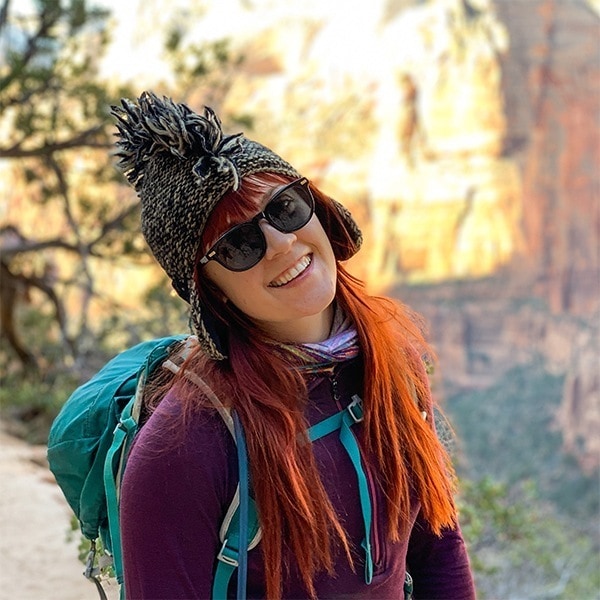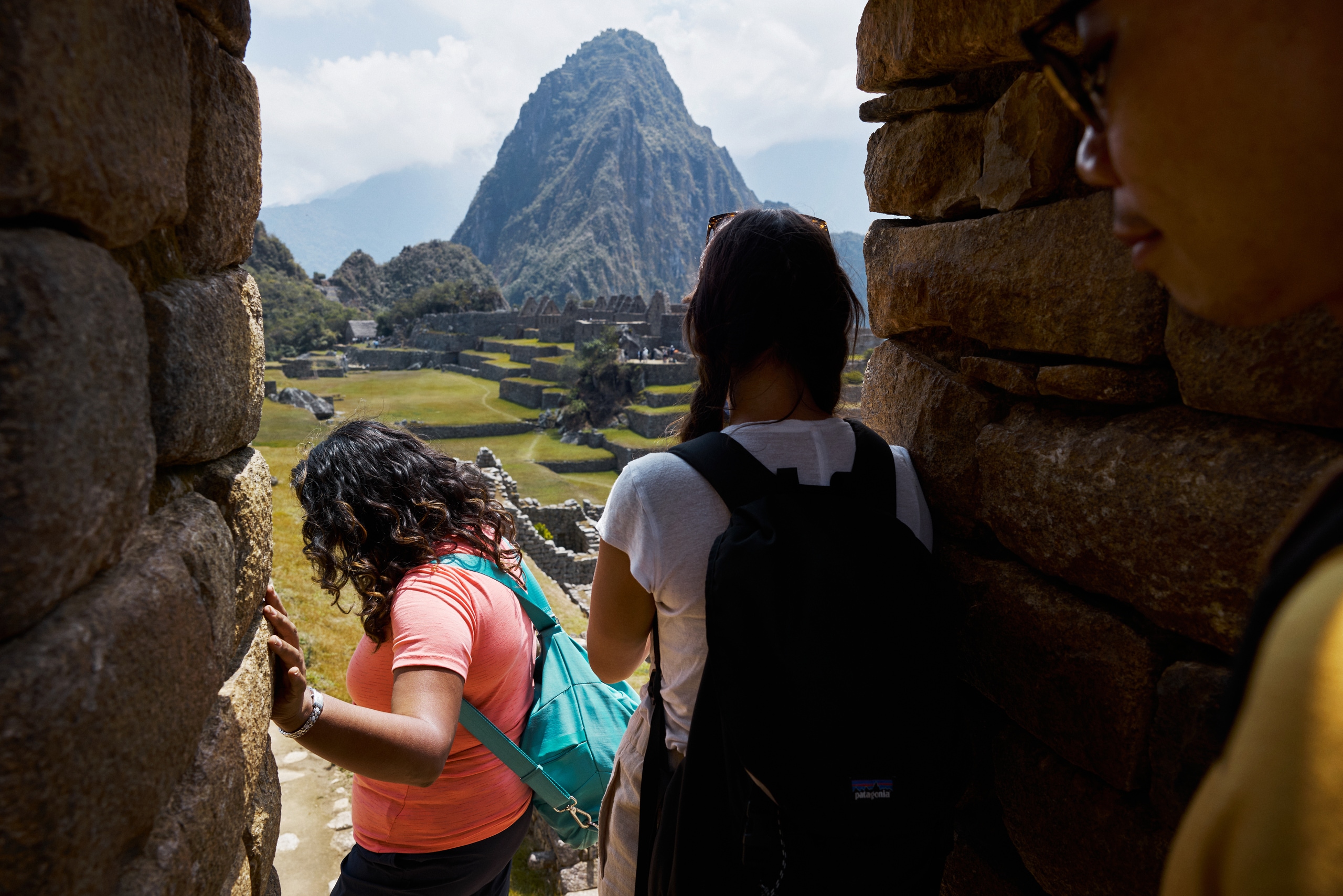
From Himalayan treks to strolls through Arizona’s red rock wonderland, REI understands adventure travel better than most. We partner with expert planners at Intrepid to bring you some of the world’s best domestic and international trips, all guided by experienced local leaders.
But what do you pack on a multiday hiking trip punctuated by stays in mountain lodges? Or on an inn-based national park tour? To answer these questions and more, we consulted expert-level travelers to create the ultimate adventure travel packing list below. More than a simple laundry list of items to toss into your bag, we hope it empowers you to curate the perfect kit of gear for your next awe-inspiring journey.
My Expertise: I’m a dual-citizen and lifelong traveler who was put on her first international flight at 3 weeks old. In addition to being (at times) hilariously type-A and nerdy about organization, I’ve also spent the last 7 years as a full-time adventure travel writer. I’ve trekked the Annapurna Circuit, kayaked Alaskan fjords, hiked in Antarctica, backpacked the John Muir Trail, summited numerous 14ers, and had a run-in with a curious grizzly bear in Gates of the Arctic. I love making people’s wildest travel dreams come true by helping them find the best gear for the ride.
Use the links below to jump to the sections most relevant to your trip:
- Documents, Money and Travel Info
- Packs/Luggage and Organizing Gear
- Clothing & Footwear
- Electronics and Tech Essentials
- Toiletries, Medications and Personal Items
- Travel and Camping Gear
- Miscellaneous and Fun Items
- Pro Tips for Packing

Documents, Money, Travel Info
You'll have more fun and be able to relax if you figure out logistics ahead of your trip.To avoid unnecessary hiccups at the airport and on arrival day, double check that essentials like itineraries and your passport are packed in a purse or carry-on bag where you have easy access to them.
- Passport or REAL ID: You’ll need a passport to travel internationally and most countries require that the passport is valid for at least six months beyond your travel date so check the expiration date. Within the U.S., a REAL ID or passport is required to board domestic flights.
- Driver's license: Even if you aren’t flying, you’ll likely need a driver’s license or other official form of identification to check into hotels and make tour bookings while on the road.
- Money: Consider bringing a credit card, cash for tipping and currency that’s valid at your destination, especially in countries where credit card payment isn’t always available.
- Travel insurance: Many U.S. healthcare plans are void abroad. It’s a good idea to nab an affordable travel insurance plan to cover any gaps while you’re adventuring. Some countries may require travel insurance for entry or for longer stays.
- Entry visa (or any required paperwork): Check visa requirements for international travel as soon as you book your trip so you have time to fill out the visa application or other paperwork. Research recommended vaccinations for the country where you are traveling and bring related paperwork with you.
- Photocopies of important documents: Carry these with you in a separate location from the originals, in case they get lost or stolen. (If you know you’ll have reliable access to the internet, you can keep copies in a cloud storage service).
- Printed itineraries: Bring printed backups of your trip itinerary, flight information, backcountry permits, and reservation confirmations (guided tours, hotel, rental car, etc.).
- List of key phone numbers: Print out a list of important phone numbers (family, partner, doctors) to bring with you, in the unfortunate event that your phone goes missing.

Packs/Luggage and Organizing Gear
Consider the kind of trip you’re taking, whether hotel-based or self-supported trekking, when choosing a bag. Wheeled luggage can be a breeze at airports, but may be cumbersome to roll on cobblestone streets, up stairs or along rough terrain. Meanwhile, multiday travel backpacks and duffels make for more seamless transitions between camps and small villages, but may cause physical strain.
- Travel pack, overnight backpack, wheeled luggage or duffel bag: Rolling suitcases might work well if you’re staying in a hotel, but a travel pack or backpack can help you stay nimble as you stroll around towns, navigate gravel roads or ride public transportation where storage space is limited. Read more about How to Choose Luggage, Packs and Bags.
- Daypack or waist pack: A lightweight daypack (that packs down into your larger bag for travel days) is useful for carrying essentials like your phone, camera, snacks, and a water bottle for day activities.
- Packing cubes and organizers: Keep clothing organized and maximize space with packing cubes. Compression cubes help provide more packing space by allowing you to cinch down clothing.
- Pack rain cover or pack liner: Many brands make rain covers designed to fit specific packs. You could also purchase a pack liner (line the inside of your pack with a large garbage bag) to keep belongings dry.
- Dry bag: These can be useful for separating wet and dry clothes and/or keeping a sleeping bag safe from rain.
- Resealable plastic bags: Store snacks and leftovers, and waterproof small electronics with these bags.
- Luggage locks: Locks come in handy if you travel on public buses or trains where your luggage is stored separately from you. Choose TSA-approved locks, and attach your favorite luggage tags for easier bag recognition on the carousel.
Guided trip vs. self-supported
Consider the weight of each item you use to pack on trekking and self-supported trips. For example, you might enjoy having a big daypack, laundry bag, and packing cubes on hotel-based vacations, whereas these items might quickly feel unnecessary (and heavy) on a backpacking trip.
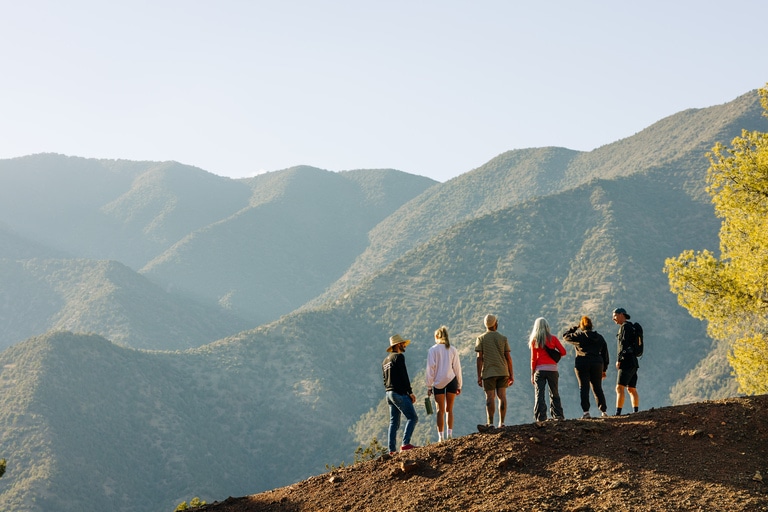
When possible, choose quick-dry clothing that packs small, wicks sweat, dries fast, and won’t wrinkle. Look for clothes that can serve more than one purpose, and base your choices on the type of trip, length of stay, and weather conditions you expect for the month or season you’re traveling in.
Hiking footwear, sandals and other footwear
- Hiking shoes: Good quality, comfortable hiking or trekking shoes are essential on a trip where you plan to be active. Focus on stable, grippy soles. If you plan to buy a new pair of walking shoes or hiking boots, give yourself time to break them in. Ankle support and waterproofing are nice to have, but not dealbreakers.
- Sandals: Many travelers like to bring lightweight sandals as their second pair for comfort around camp. Secure them to your pack with a carabiner.
- Casual shoes: Depending on the type of travel, you might consider a third slightly dressier shoe. Choose simple, solid-colored flats or loafers that match a variety of outfits and are comfortable to walk around in at museums and temples.
Clothing
- Socks: For adventure travel and trekking, select synthetic or wool hiking socks, which offer hike-specific padding and arch support. Plus, they are usually designed to help minimize blisters. We do not recommend cotton socks.
- Underwear/sports bras: Plan on bringing at least three pairs of moisture-wicking underwear (or one per day for inn-based trips) and two bras that are comfortable for hiking and movement.
- Moisture-wicking shirt(s): For quick-drying action, you can’t go wrong with synthetic fabrics. Wool is also moisture-wicking and naturally antimicrobial, meaning that it won’t stink up as quickly.
- Pants/shorts: Look for bottoms made of synthetic fabrics, so you can wear them over and over again (or do a little sink laundry), with minimal wrinkles and stress. Solid colors double nicely as dinner wear for town days.
- Long-sleeve shirts (for sun, bugs): If you plan on long days of walking around, visiting a mosquito-heavy area, or boating in the sun, long-sleeved sun shirts are a must.
- Lightweight puffy jacket: A good insulated jacket is a staple of any adventure gear lineup. It packs down small, is incredibly lightweight, and will keep you comfy if temperatures suddenly plummet.
- Rainwear (jacket and pants): Grab a good rain shell and rain pants, and they’ll last you for years of outdoor adventures.
- Sun-shielding cap or hat: When the sun’s beating down on you all day, sunglasses often aren’t enough. Make sure it has a chin strap for boats or windy environments.
- Sleepwear: Whether it’s pajamas or a simple comfy T-shirt, you know what you like.
- Swimsuit: If there are natural hot springs or wild swimming opportunities, pack one you wouldn’t mind getting a little dirty.
- Town outfits: Many tours (even trekking ones) host a welcome and a closing dinner. Pack a travel dress or nice trousers and a button-down shirt.
- Bandana or Buff: Shields the sun from your neck and even makes a great impromptu pee rag.
Clothing & Footwear
For cold climates, add:
Base layers: Merino wool or synthetic base layers wick moisture while still keeping you insulated. These can double as toasty sleepwear on tent-based trips.
Lightweight fleece or jacket: A puffy is a great catch-all, in case you encounter colder-than-expected temperatures along the way. However, in really frigid environments, turn to a layering system with base layers on the bottom, a midweight fleece in the middle, and a puffy on top. Top it all off with a waterproof, breathable shell for wet or extra-windy days. If you’re worried about extra bulk, swap the fleece for an insulated vest. Read more in Layering Basics.
Gloves or mittens: Waterproof is ideal, and liner gloves are usually too thin, unless you’ll be trail running.
Warm hat: Find a beanie that packs down small and covers your ears.
Thick socks: For winter camping and most Himalayan trips, it can be nice to have a special set of thicker socks that you keep clean and only use for nighttime.

Electronics and Tech Essentials
These days, it’s hard to escape the pull of modernity, even on a rustic camping trip. GPS devices, high-quality cameras, and smartphones have become staples for navigation and international treks. Here are the most important electronics to pack for adventure travel.
Cellphone: About as essential as you can get; use your phone to snap photos, perform research on the fly, navigate roads or trails, or translate foreign languages.
Charging and power: Double check that you have the requisite charging cables, plugs, converters, portable power banks (charge them first!), and electrical adapters for the region you are visiting. Pack extra batteries in a resealable plastic bag.
Headphones: A lightweight, wireless pair is ideal for airport days and listening to music before bed.
Camera: If you aren't simply using your phone, stash your larger camera in a padded case or camera cube for safety, and pack a gallon-sized resealable bag, too, for cheap and easy waterproofing. Budding videographers won’t want to forget their action camera.
GPS watch: Many people feel that looking at their phone constantly for GPS and mapping takes them out of the moment. If that sounds like you, consider purchasing a portable GPS device/watch and/or paper maps. Always download your maps before leaving home and losing Wi-Fi.

Toiletries, Medications and Personal Items
Personal items are, well, personal. While many backpackers might skimp on the creature comforts and cut off half of their toothbrush to save weight, other travelers might find their bedtime routine soothing and worthy of the extra weight and packing space. Here are the main items to remember.'
Medications
- Prescription medications: Make a checklist and pack everything in its original bottle, in case of airport restrictions. A pill case can be nice once you arrive, to help you stay organized.
- Spare eyeglasses or contact lenses: The last thing you want is to not be able to see the place you traveled to.
Toiletries
- Hand sanitizer: Get a TSA-size bottle or spray to stash in your purse, carry-on, or daypack. Use after the bathroom and before camp meals.
- Skin lotion or balm: Some climates might be much drier that you’re accustomed to; pack a travel-size lotion to keep hands from cracking, or opt for a tiny, lightweight moisturizing balm.
- Earplugs and eyemask: Great travel hacks for sleeping on the airplane (or under the midnight sun).
- Travel clothesline and travel packets of detergent (for longer trips): While you should never use soap to wash clothes in a natural stream or lake, having something you can easily string up in a hotel or hostel shower can make your packed clothes go a lot farther.
- Toiletry bag: To keep small items separate/organized.
Toiletries: Toothbrush, toothpaste, floss, shampoo, conditioner, cosmetics, face wipes, tissues or toilet paper, deodorant, brush/comb, razor, nail clippers, feminine products
Health and Safety:
First-aid kit (see our First-Aid Checklist): A simple 1-2 day backpacking first-aid kit is often enough for self-guided trekking. Don’t forget your preferred over-the-counter pain relievers, electrolyte tablets, and bandages in a variety of sizes. Guided trekking and backpacking tours will almost always have a large first-aid kit carried by the guide.
Sunglasses or glacier glasses: Eye health is incredibly important in wilderness environments, when the sun can beat down for hours on end. Be sure to pack sunglass straps, especially for river trips.
Sunscreen: Ideally, rated SPF 30 or above and water-resistant. Double-check that it’s reef safe if you plan on jumping into the ocean.
SPF-rated lip balm: No one wants blistered lips. This is especially important for ski and snow trips.
Insect repellent: Whether you prefer DEET or the natural stuff, research the bugs in the area you’ll be traveling and come prepared. Insect bite treatment is also nice, should you miss a spot.

Travel and Camping Gear
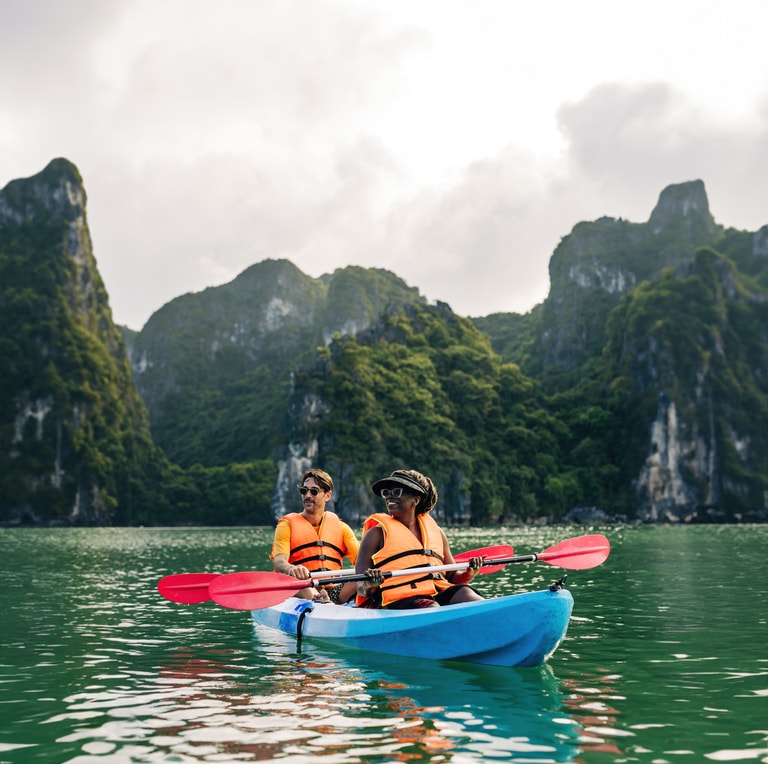
Whether you sleep in a tent, bed down in a comfy hotel or stay in a traditional Moroccan riad after a fabulous day of hiking and rafting, there are a few assorted items that every adventure traveler needs.
Hotels vs. mountain huts
A “mountain hut” means different things in different countries, and you might be surprised at the camping gear you’ll need in these cabin-adjacent lodgings. For example, you might need a zero-degree sleeping bag in Nepal’s unheated alpine guesthouses, a cooking kit in Iceland’s remote shelters, and nearly nothing in Switzerland’s mountain huts, if you’re paying for half-board, which often includes a prepared breakfast and dinner.
- Sleeping bag or quilt: Down sleeping bags offer the most warmth for the weight and pack down small. Remote guesthouses and huts may require that you bring your own sleeping bag.
- Sleeping pad: Self-inflating pads are bulky and cumbersome. Pack a lightweight closed-cell foam pad or an air pad that rolls down small. Most cabins and developed mountain huts do not require a sleeping pad, though rugged shelters, like those found along the Appalachian Trail, might.
- Camp cookware: Many guided trips require that you bring at least a travel plate, spork, and mug. For self-supported treks, pack a portable stove and purchase fuel after your flight. You cannot fly with gas or compressed fuels in a commercial aircraft.
- Food, day snacks, and treats: Even on a guided trip, it’s nice to bring a few of your favorite chocolates or energy bars. Plan and purchase meals in advance.
- Trowel and toilet paper (if self-supported): Pack a lightweight, slim trowel and toilet paper. Bring along an extra resealable baggy or two to pack out dirty TP when you’re done.
Miscellaneous and Fun Items
These items won’t make or break your trip, but they can go a long way in keeping you happy and comfortable
Water bottle or hydration reservoir: This is crucial for staying hydrated on long flights, while hiking and at altitude.
Water treatment system or tablets: If you’re trekking self-supported or traveling in a country where the water might not be safe to drink, having a system to kill harmful viruses and bacteria is essential.
Headlamp or flashlight: Great for those late-night moments when nature calls, or reading in a shared space after hours.
Binoculars: Excellent for wildlife watching, route finding or birding.
Trekking poles: Excellent for reducing knee strain on long downhills.
Knife or multi-tool: If you know you like to hike or camp with a trusty blade, just be sure to pack it in your checked luggage before flying.
Carabiners: Useful for clipping wet or bulky gear to the outside of your pack.
Entertainment: Wind down with a book/reading material, a lightweight game or deck of cards, or a well-worn journal or sketchbook. A local language phrasebook or app can also be a fun challenge in your down time.
Quick-dry travel towel: Find a small, lightweight microfiber towel for drying off after river crossings, visiting hot springs or jumping in a lake.
Sleep sheet (or sleeping bag liner): This can add great comfort if you want a little extra warmth from your bag or you’re renting a bag from your trekking company.
Travel pillow: If you know, you know. Nothing is more vital while traveling than sleep, and a packable travel pillow can help ensure you get some much-needed slumber.
Pro Tips for Packing
We consulted the pros for some of their tried-and-tested advice on smart packing for adventure travel. Here’s what they suggest.
When in doubt, go lighter. You might need less stuff abroad than you think you do. Select items that can serve multiple functions whenever possible, like a dark-colored trekking trouser that can double as in-town slacks or a bandana that can serve as an impromptu towel. Learn more in How to Pack Light for Traveling.
Keep your most important documents with you at all times, concealed in a secure pocket. In addition, keep paper copies and/or digital photos of your passport, driver’s license, and travel bookings somewhere you can retrieve the information (like a hotel safe or checked bag) if the originals are lost or stolen.
Pack toiletries, chargers, and a change of clothes in your carry-on bag, in case your checked bag gets lost or delayed. Be sure to place all essential documents (IDs, flight reservations, itineraries, etc.) in your carry-on, as well.
If your adventure takes you to the backcountry and you're not traveling with a guided group, never go without The Ten Essentials in your pack.
Traveling internationally? Consult your destination's customs regulations and TSA's What Can I Bring? before you travel.
Roll items of clothing or purchase compression sacks to squeeze out unnecessary air and save precious space in your luggage.
Related articles:
The Perfect Kit for Adventure Travel