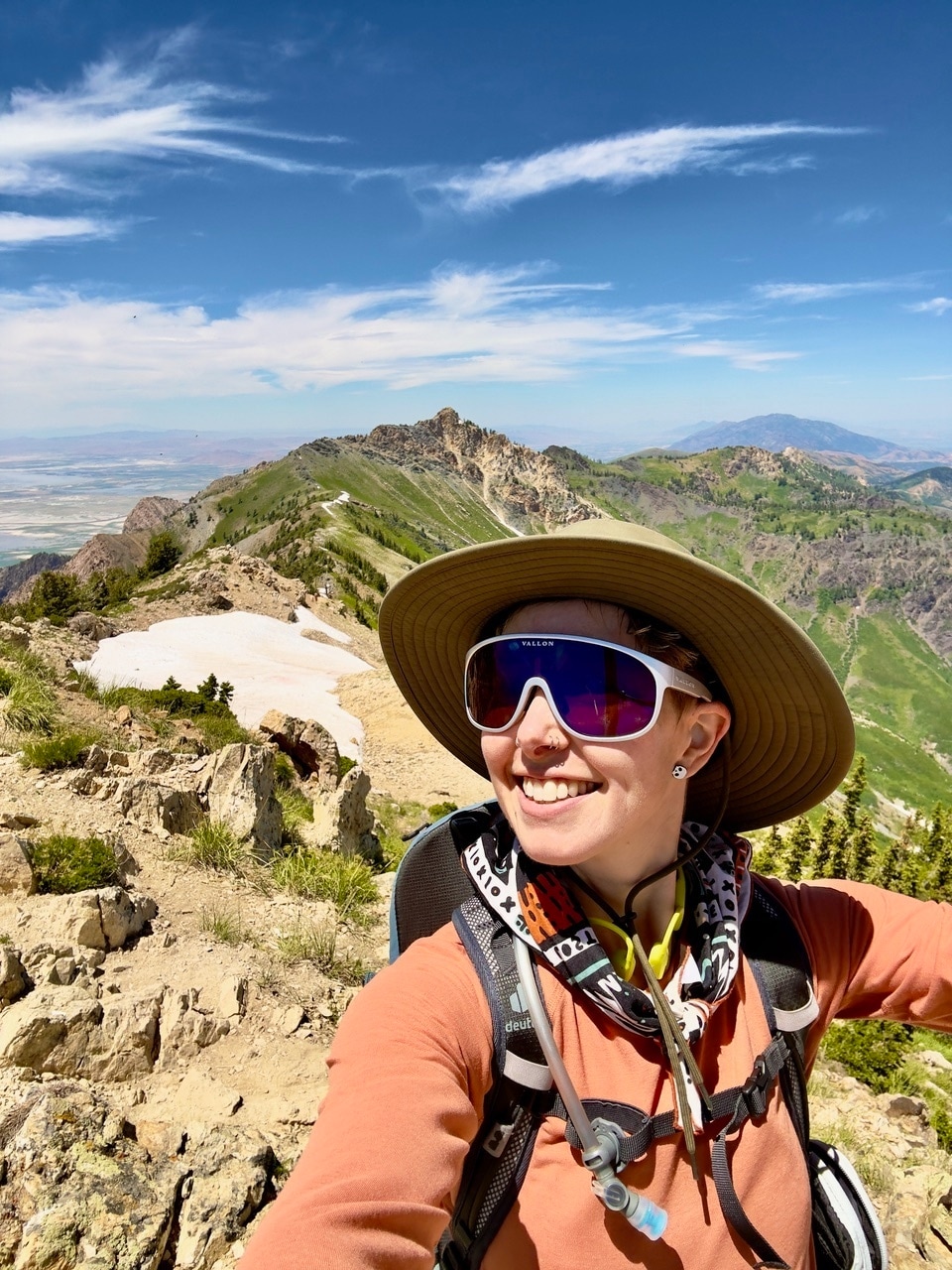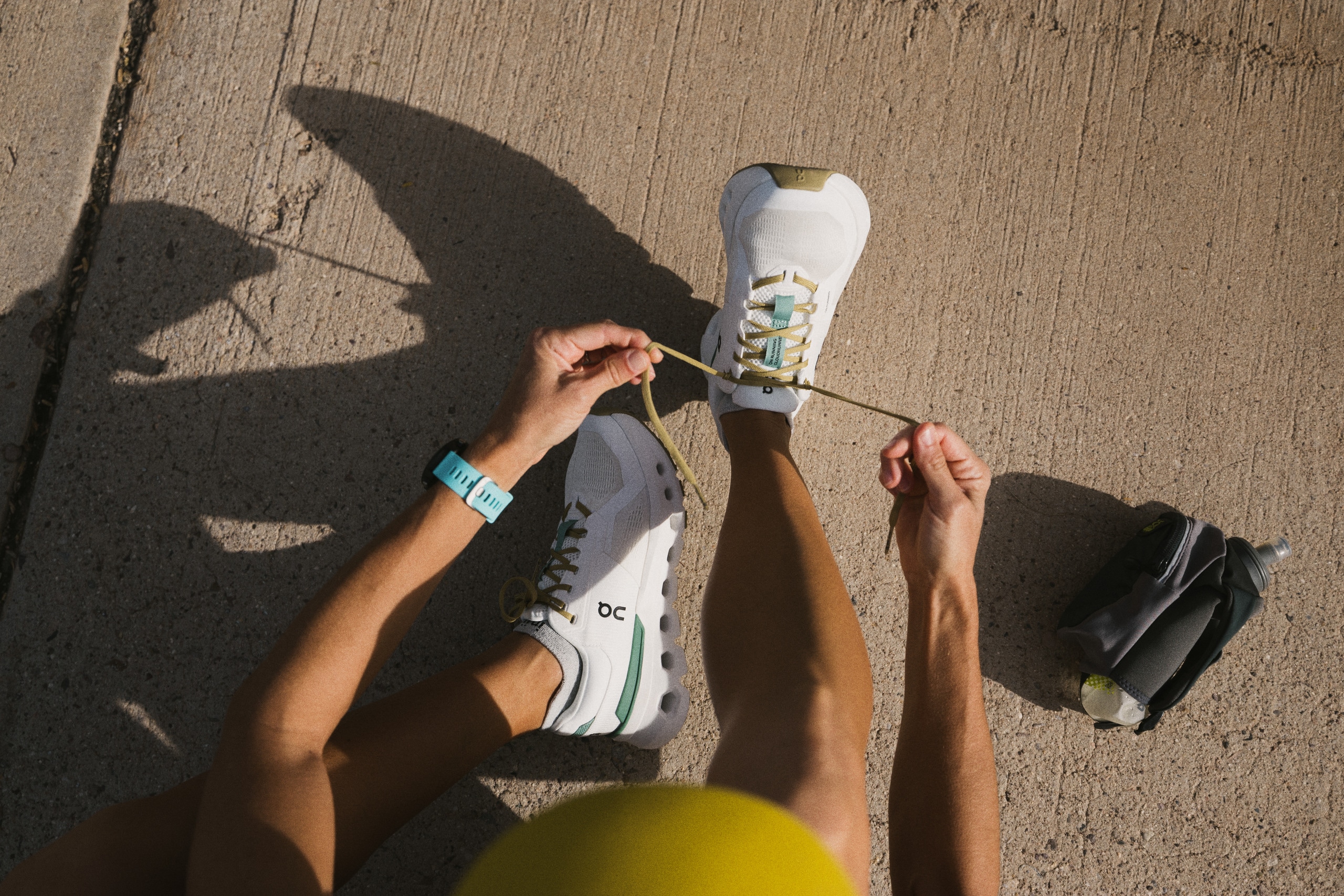
Walking is one of the simplest ways to stay active, whether you're exploring local trails, running errands around town or logging miles with your dog. “Walking just 30 minutes a day decreases your risk for dementia and severe cardiovascular disease,” says Dr. Sherry Brewer, a board-certified internal and integrative medicine doctor and certified functional medicine practitioner. While walking is easier on the joints than many higher-impact activities, the right footwear can make a big difference in your comfort over the long haul.
The best walking shoe isn't necessarily the most cushioned, most supportive or most expensive. It depends on factors like your foot shape, walking style and where you spend most of your time on your feet. That's why we sent more than a dozen walking shoes—from trail runners and hiking shoes to everyday trail-to-town options—to REI Co-op Member gear testers around the country and ask them to put them through their paces. They reported back on their shoes' fit, cushioning and stability, and we narrowed their list to the top performers to help you find the right match.
Wondering how to choose the best walking shoes for you? Start here, with these REI Co-op Member– and staff-tested walking shoes available at REI.
Test Results
Find our quick recommendations here or read on for full reviews of our favorite walking shoes at the co-op.
- Brooks Ghost Trail-Running Shoes
- HOKA Transport 2 Shoes
- Merrell Moab 3 Hiking Shoes
- Altra Lone Peak 9 Waterproof Low Hiking Shoes
- KEEN Jasper Zionic Sneakers
- On Cloudhorizon 2 Hiking Shoes
Editor’s note: We updated this guide from a Staff Picks to a Tested guide on June 18, 2026, after nearly three months of field testing more than 12 pairs of walking shoes. REI Co-op Members and staff wore these walking shoes on pavement, gravel, indoor surfaces and even dirt trails to test their durability, comfort, support and overall performance. Learn more in How We Tested.



Brooks Ghost Trail-Running Shoes
Score 94
Upper 3D Fit engineered air mesh
Midsole DNA LOFT v3
Outsole TrailTack Green rubber
Heel-to-toe drop (mm) 8 mm
Heel stack height (mm) 36 mm
Weight (pair) 1 lb. 3.2 oz. (women's), 1 lb. 5.3 oz. (men's)
Best for Fitness walking, lighter trail running, cross-training, everyday use
There’s a good reason the Ghost has been one of (if not the) best-selling running shoe for Brooks since its launch in 2008, and its latest trail-running version tops our list for fitness walkers and hikers, too. “They're just the Goldilocks of shoes in terms of support, stability, cushion and durability,” says Ever Meister, the hike editor for REI Co-op Expert Advice. Versatile, lightweight and capable, this trail-focused update has a nitrogen-infused midsole for a cushier ride; 3D-printed, protective toe cap and mudguard layers for extra protection; higher-traction outsoles; and breathable mesh uppers and a vegan-friendly construction—all designed to perform both on-and gently off-road.
The Ghost trail runners are so comfortable, our testers modified the Brooks catchphrase to “Walk happy.” “It feels like I'm wearing a little cloud on each foot,” says Grothjan, who wore them throughout her pregnancy’s second trimester—including long hours at her standing desk. That said, she notes that those with very high arches may not find quite as much support as they crave. Meister, meanwhile, chases distance more than speed or incline, and loves the energy-conserving, nitrogen-infused midsoles that absorb every footstrike. “When I go for a walk, I like to go for a walk, and anything under 5 miles doesn’t cut it. The Ghost Trail left me feeling like I still had gas in the tank even after a couple hours on pavement, walking the Minneapolis Chain of Lakes loop.”
Brooks updated this Ghost’s traction for all-terrain use on wet and dry surfaces, keeping testers secure and upright whether they meandered down city sidewalks or gravel hills thanks to its 3 mm multidirectional lugs. “My home is surrounded by steep hills, and I had no problem maintaining traction walking up or down these hills,” said Sarah Grothjan, REI camp and backpack editor. That said, REI marketing campaign strategist Kristina Vateva found that they couldn’t always keep up with her on rougher trails: Shoes with this much cushion and torsional flexibility don’t always perform on rooty, jagged or uneven routes.
Multiple testers noted that even after a month or longer of daily or regular wear, the shoes still looked fresh out of the box with no fraying, discoloration or wear. Overall, the Ghost Trails float to the top with high marks: Their excellent fit, comfortable support, versatile tread and durability make them a great choice for park or groomed trails, around town or the gym. Other versions: The Brooks Ghost is also available as a road-running shoe, and with leather uppers. Shop the Ghost collection here.
Bottom Line: The Brooks Ghost Trail-Running Shoe is a dependable daily walker that prioritizes comfort while offering stability on wet and dry paved paths and easy urban trails.
Testing Stats:
- Testing locations: Georgia, Minnesota, Washington
- Testing duration (miles): 91 miles
- Best testing story: REI hike editor Meister says, “A friend and fellow runner once described Brooks Ghosts as ‘The Dunkin' Donuts of running shoes: They’re approachable, affordable and get the job done.’ I agree with that assessment here. I haven't put on a pair of Ghosts in nearly 7 years, but the moment they went on I felt like I'd come home—just like stopping at Dunkin' first thing when I land at an East Coast airport to visit family.”


HOKA Transport 2 Shoes
Score 93
Upper 59% textile/41% synthetic
Midsole 30% sugarcane EVA
Outsole 100% rubber
Heel-to-toe drop (mm) 5 mm
Heel stack height (mm) 36.3 mm
Weight (pair) 1 lb. 3.37 oz. (women's), 1 lb. 6.58 oz. (men's)
Best for Everyday wear, urban hikes, walking, travel
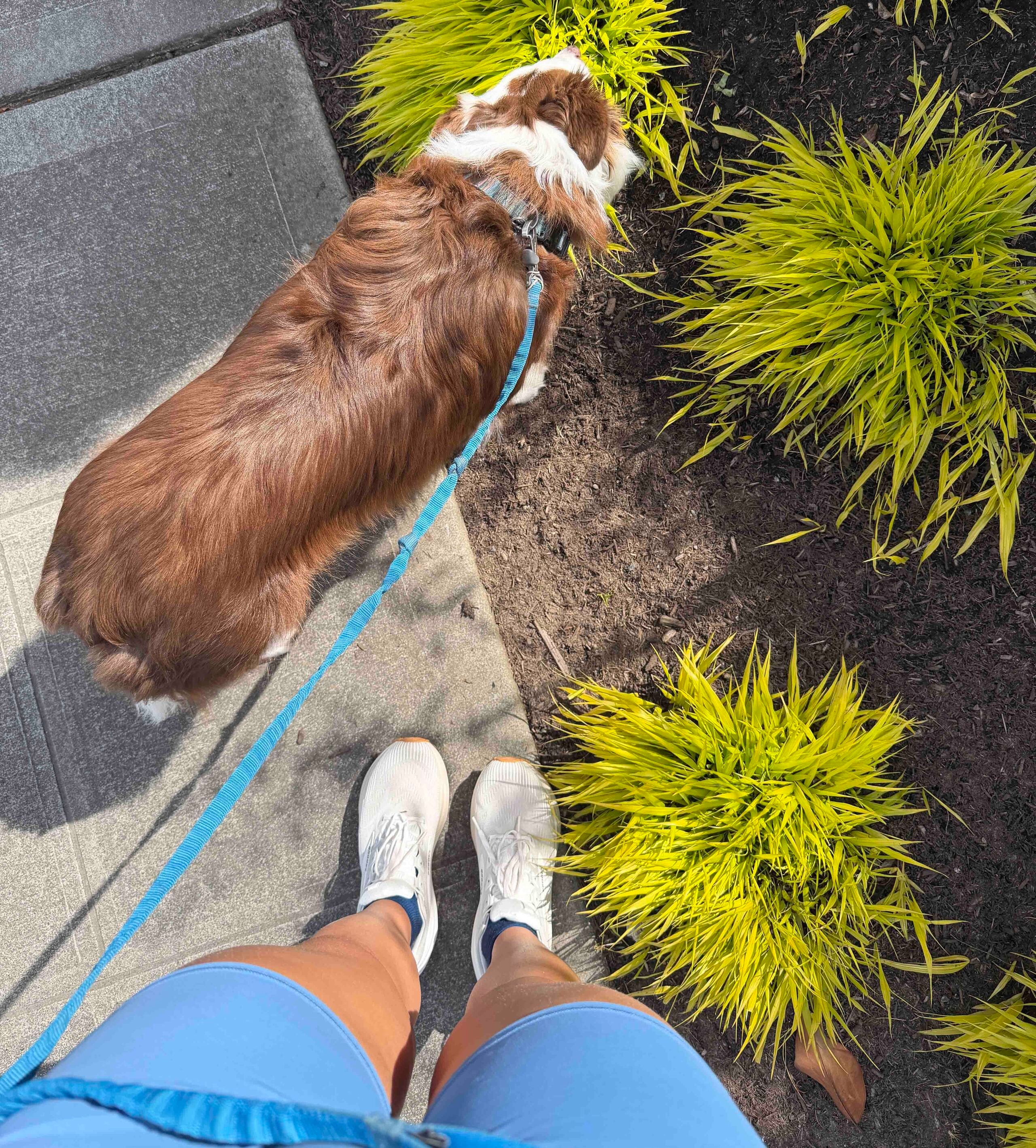
The updated Transport 2 from HOKA is an instant hit with REI Co-op gear testers who regularly explore city streets and sidecountry trails—including Boston-based urban trail builder and writer, Miles H. These walkers logged over 100 miles in their Transport 2s, including on park trails, along the Washington coastline, up and down boardwalks, and on city streets and sidewalks. Despite some hesitation about a slightly narrow fit, the Transport 2 came out near the top of our walking shoes list.
The shoes were surprisingly comfortable through it all and offered solid traction when scrambling over wet or muddy roads or trail, says REI managing editor Phuong Le. Even on wet, forested trails in Pinnacles National Park, Le’s Transport 2s held their own—and kept a firm grip underfoot. “I felt confident hiking along slippery boardwalk sections; rocky, wet trails; as well as crossing small streams,” she says. Even mud didn’t seem to slow her down.
Miles noted he was initially nervous about the narrow toe box, but the shoes softened and conformed to his foot after just a few minutes of wear. And Le immediately noticed (and loved) the shoes’ updated, extra-cushioned midsole with 30% sugarcane EVA. “Putting on these HOKAs for the first time felt like sliding into slippers,” she says.
That said, Miles notes the Transport 2 made for occasionally wobbly footsteps when stepping on uneven surfaces—common for shoes with a supremely soft and squishy midfoot—but he didn’t consider it a dealbreaker. On flatter surfaces, he felt the moderate stack height balanced the cushion and created a solid platform underfoot. A quick-lacing system makes the shoes easy to slip on and off, but Miles preferred to add the included traditional laces for more precise tension and a more locked-in fit. The Transport 2s are durable, too, with one tester noting that even after a few trips and scrapes, the shoes haven’t shown many signs of wear.
Overall, they’re lightweight, comfortable, and designed for both paved paths around town and groomed trails, and a great option for traveling. Other versions: The HOKA Transport line features both waterproof and nonwaterproof versions, mid-height hiking boots for men and women, and kids’ versions. Shop the Transport collection here.
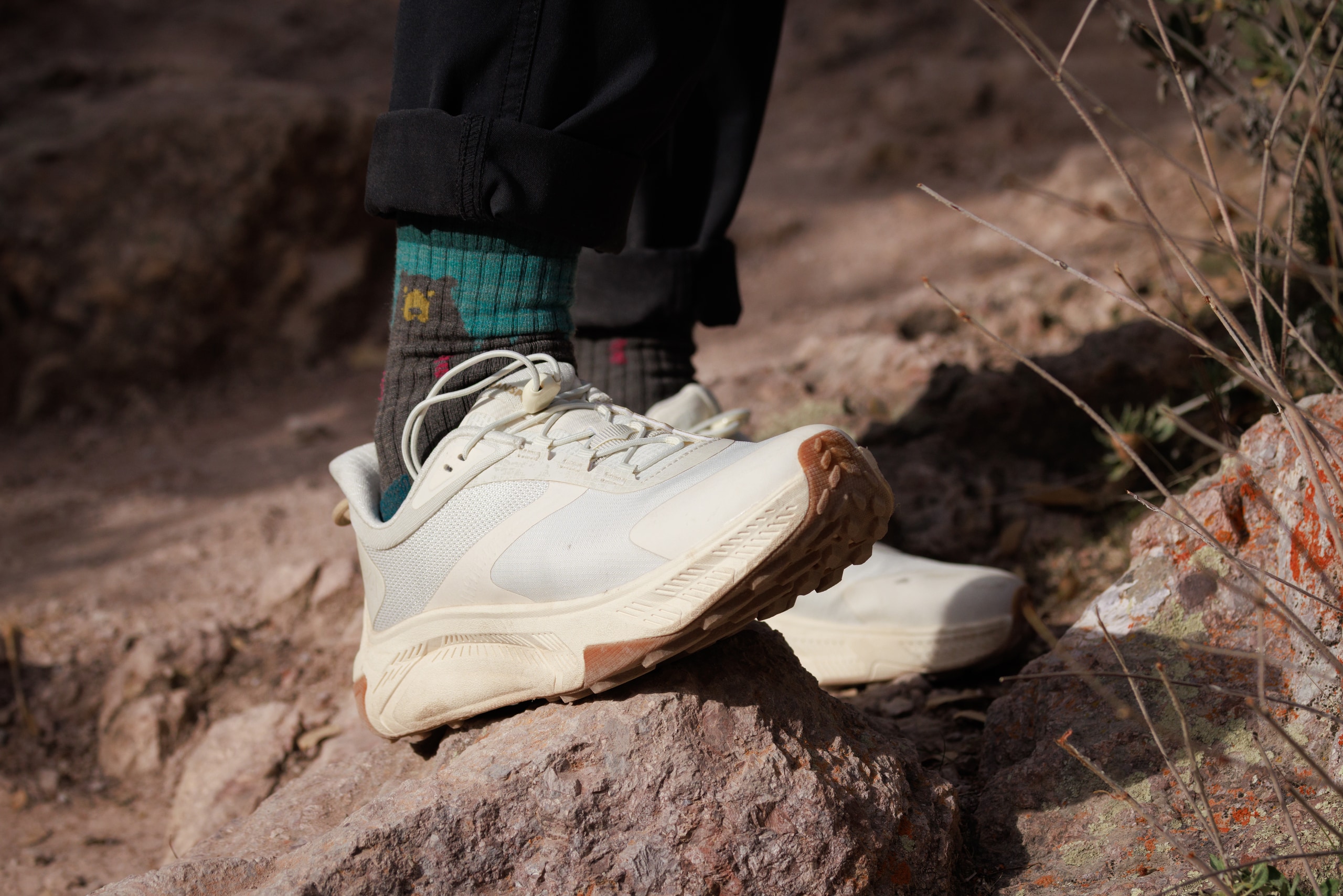
Bottom Line: Combining slipperlike comfort with outdoor-ready traction, the HOKA Transport 2 shoes are a versatile option for both walkers and light hikers.
Testing Stats:
- Testing locations: California, Massachusetts, Washington
- Testing duration (miles): 120 miles
- Best testing story: These became REI managing editor Le’s go-to shoes for everything from morning hikes to sightseeing and beach walks after taking them on a spring trip to California. “They were so supportive and comfortable while hiking a rocky trail to spot the endangered California condor in Pinnacles National Park. By afternoon, I was still wearing them for sightseeing along the coast trails in Monterey Bay. They looked good enough for around-town walks, too.”


Merrell Moab 3 Hiking Shoes
Score 92
Upper Pigskin leather/mesh
Midsole Super Rebound compound
Outsole Vibram® TC5+
Heel-to-toe drop (mm) 11.5 mm
Weight (pair) 1 lb. 10 oz. (women's), 2 lbs. 1 oz. (men's)
Best for The long haul on any terrain
Elizabeth Nguyen, a senior retail specialist at the Atlanta REI store, trusts the Moab 3 Hiking Shoes from Merrell so much it’s often the first shoe she recommends, for walkers, beginner hikers and those going long distances off-road. (And she should know: She wore them throughout her Appalachian Trail trek.) "It's the shoe that does everything," she says. "No breaking-in is needed at all. You wear it and it's comfortable. That's it. You're good to go."
Many aspects of the Moab 3 are drawn from the brand's 40-plus-year bootmaking history, translated into an easy-wearing package that walks just as well as it hikes. The shoe's no-slip grip comes from its versatile, Merrell-exclusive Vibram® TC5+ nonmarking outsoles, designed for reliable traction on a wide range of surfaces, including everyday indoor wear. Molded nylon arch shanks keep feet steady, and removable, contoured insoles with reinforced heel cushioning offer additional support. Shock-absorbing midsoles keep you pounding the pavement even longer, and stabilizing Merrell Air Cushion provide heels with a super smooth ride. Together, these features result in a shoe that testers describe as supportive, comfortable and trail-ready right out of the box.
The shoe's top-shelf materials—including dual leather/mesh uppers—contribute to its impressive durability. All that, and this updated Moab features recycled materials in the mesh lining, laces and webbing. Other versions: Merrell Moab hiking shoes and boots come in a variety of styles to match your hiking needs, including waterproof and non-waterproof low and mid versions, with leather uppers, GORE-TEX membranes, and even kids’ sizes. Shop the Moab collection here.
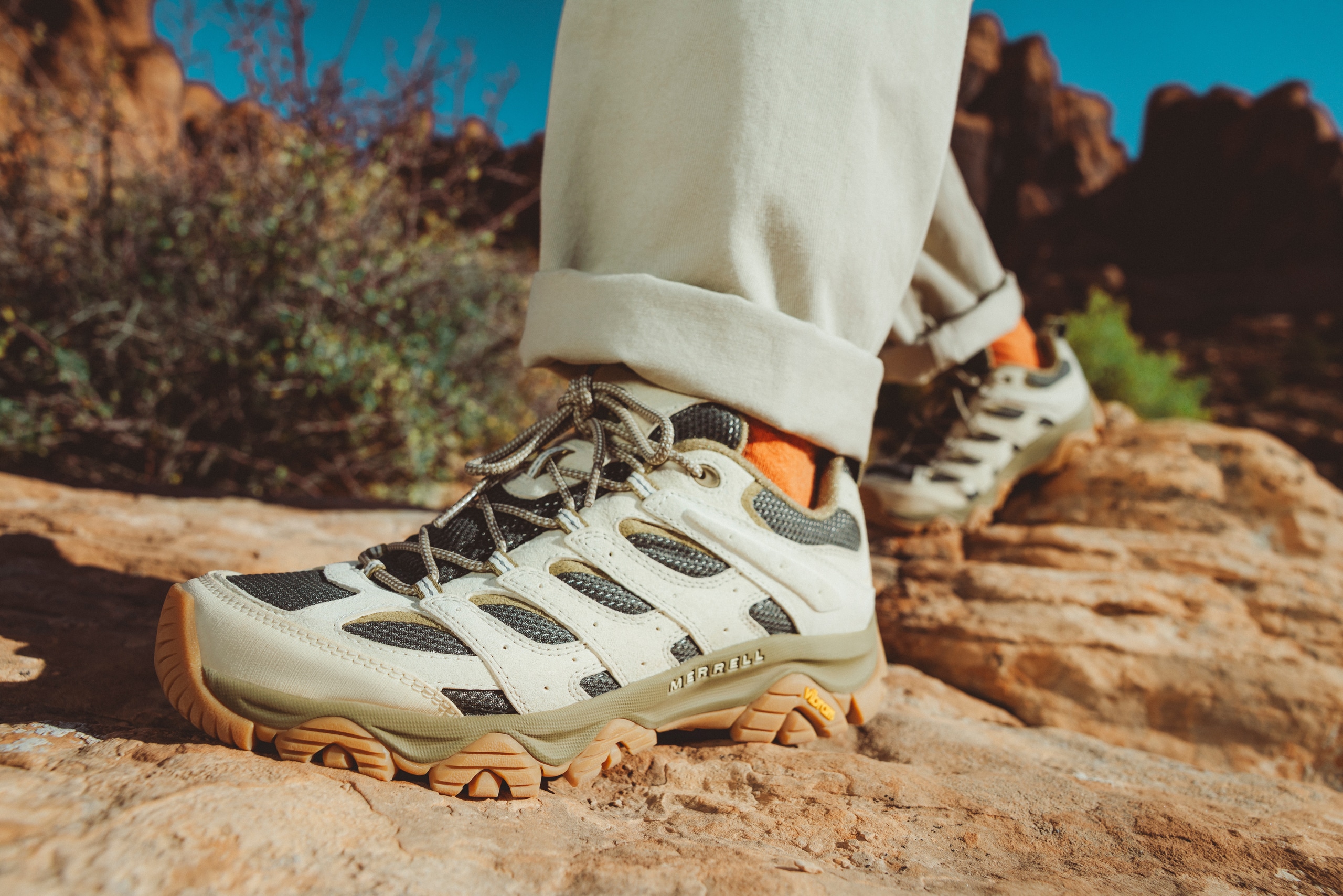
Bottom Line: Whether you’re walking city streets or looking for a lighter-weight trail shoe that performs like a sturdier boot, the Merrell Moab 3 Hiking Shoes are ready to go where you go, straight out of the box.
Testing Stats:
- Testing locations: The Appalachian Trail, Washington
- Testing duration (miles): 2,000+ miles
- Best testing story: REI senior retail specialist Nguyen was grateful for her Merrell Moabs when she was on the Appalachian Trail, especially in Vermont. “The terrain offers such varying environments. I hiked through rock paths, boardwalk paths and sketchy water crossing near waterfalls in such a beautiful state. There was a moment of feeling so tiny and grateful for being able to be alive when I hiked up the fire tower in Stratton Mountain.”


Altra Lone Peak 9 Waterproof Low Hiking Shoes
Score 90
Upper Recycled polyester mesh
Midsole Altra EGO™ foam
Outsole MaxTrac™ rubber
Heel-to-toe drop (mm) 0 mm
Heel stack height (mm) 25 mm
Weight (pair) 1 lb. 7.6 oz. (women's), 1 lb. 13.7 oz. (men's)
Best for Walkers who go long, zero-drop or barefoot shoe enthusiasts, anyone needing a wider toe box
If you scour thru-hiker websites, blogs and YouTube reviews, you might notice that Altra Lone Peak trail-running shoes are especially popular on the Appalachian Trail nowadays. Thankfully, you don’t have to be a thru-hiker to appreciate their roomy, foot-shaped toe box; grippy outsoles; and a zero-drop platform that lets you walk with a more natural gait with more ground contact. Many fitness walkers appreciate the wide forefoot fit because it allows their feet to spread naturally, and can accommodate the swelling that comes from long walking days. For the Waterproof Low version, Altra beefs up the beloved shoe with a water-resistant bootie to help shed muck and moisture on sploshy days.
The tradeoff: This weather protection makes the Lone Peaks warmer and less breathable than some other shoes on the list. "I only use them in colder environments since it tends to warm my foot comfortably and keep my feet dry," says Mimi Alvarez, a retail sales specialist at the REI store in Albuquerque, New Mexico. After relying on the waterproof version of Lone Peaks for many long hikes, she’s become a loyal fan. "Hiked Whitney, Rim to Rim and all my high-altitude hikes in Altras and I never feel my feet tired."
Altra loyalists will recognize the same dual-density EVA midsole and 25-millimeter stack height found in other versions of the shoe. Durable, recycled polyester mesh uppers with protective overlays withstand whatever town or trail can throw at you. Other versions: Altra Lone Peak 9 and 9+ shoes are available in a wide range of versions, including trail-running shoes, GORE-TEX waterproof shoes, and mid-height hiking boots. Shop the Lone Peak collection here.
Bottom Line: Zero-drop enthusiasts who want more ground contact but still need a bit of cushion and waterproof protection on their long walks should reach for the Altra Lone Peak 9 Waterproof Low Hiking Shoes.
Testing Stats:
- Testing locations: Arizona, California, New Mexico
- Testing duration (miles): Thousands of miles (thru-hikers, after all)
- Best testing story: REI Co-op gear tester and MYTH (multiyear thru-hiker) Jasmine S. didn’t begin undertaking long-distance hikes until after age 50 and has since logged thousands of miles on the PCT, John Muir Trail and elsewhere. She swears by her Lone Peaks, which she says keep her feet happy over hundreds of miles.


KEEN Jasper Zionic Sneakers
Score 88
Upper Leather
Midsole Air-injected polyurethane
Outsole High-traction rubber
Weight (pair) 1 lb. 3.2 oz. (women's), 1 lb. 3.4 oz. (men's)
Best for Casual urban hikes, around-town walks, running errands
IIf it looks like a climbing shoe but walks like a sneaker it might be the KEEN Jasper Zionic Sneakers, with its lightweight construction, contoured fit, trail-ready traction and athletic aesthetic.
Florida tester and outdoor adventure guide Brooke B. appreciated these responsive, lightweight kicks on several challenging, faster, longer outings, and found them to be surprisingly cozy. “These are some of the most comfortable walking or hiking shoes I've ever worn,” she says after initially dismissing their unconventional look. “They just cupped my heel perfectly with the right amount of cushion. It had great arch support, and my toes had plenty of room even after long distances in hot conditions.” The tongue-to-toe lacing system lets you dial in a more precise fit.
Breathable mesh lining adds all-day wearability to the stylish, brushed suede uppers, though Brooke says the textured material was a magnet for dirt, grime and (bane of a hiker’s existence) burs. She also noticed some interior wear near her big toe after nearly 30 miles, but she admits she was probably pushing them on more demanding terrain than they’re designed to go.
High-traction rubber tread with 4 mm lugs keeps you secure and upright on surfaces from rocks to roots, packed dirt to city sidewalks, and a stability shank adds extra support. “They felt firm enough on the bottom to keep me from ‘feeling’ too much of the trail underneath my feet, but light enough to help me fly through miles without a lot of foot fatigue or excessive tiredness that I sometimes get from heavier boots,” says Brooke, who says these are exactly the Florida trail shoe she’s been looking for.
Bottom Line: While they may look unconventional for a hiking or walking shoe, the KEEN Jasper Zionic is a comfortable trail-to-town option with a distinctive climbing-inspired design.
Testing Stats:
- Testing locations: Florida
- Testing duration (miles): 28 miles
- Best testing story: Gear tester and adventure guide Brooke B. wasn’t immediately sure about her Jasper Zionic sneakers, but she’s happy she didn’t judge the shoe by its upper. “I really wanted to hate these shoes. When I pulled them out of the box and saw the pink, fuzzy exterior with black trim, I laughed out loud. When I got to the trailhead and laced them up, my hiking buddies had a good laugh too! How could something that looks like this be a good shoe? Let me tell you, I was wrong: This shoe really gave me wings. Comfy and supportive while being lightweight. I looked online and realized it does come in colors that are more my style, so I might be purchasing another pair, because I'm pretty attached now.”


On Cloudhorizon 2 Hiking Shoes
Score 89
Upper Polyester/TPU
Midsole Helion™
Outsole Missiongrip™ rubber
Weight (pair) 1 lb. 4.3 oz. (women's), 1 lb. 9.6 oz. (men's)
Best for Urban or light hiking, long city days on asphalt and concrete, an ultraplush ride
The newest Cloudhorizon from On are a walker’s best friend, thanks in large part to an updated hiking-specific CloudTech Phase™ cushioning structure: angled “Cloud” pass-throughs in the sole that compress sequentially as you step for a smooth toe-to-heel stride. The result: pillowy comfort that can keep you moving all day long.
Wide-spaced, multidirectional but relatively shallow lugs and Missiongrip™ rubber soles are ready for wet and dry strolls, particularly on pavement or lighter, groomed terrain, though testers also took them off-road a bit to see how they held up. After several longer outings, they applauded the the Cloudhorizon 2s’ durability, thanks to hardworking TPU uppers and protective toe guards. “These shoes held up great and had great traction,” said Washington-based mountaineer and Indigenous cultural advisor Rachel H., whose Cloudhorizons took her on a long lowland amble with several creek crossings and rocky terrain in addition to around town.
Those who prefer ankle support on longer or more technical walks or hikes may not find these shoes as stable (blame that plush midsole), but our Expert Advice gear testers unanimously agree: The Cloudhorizon 2s are plenty comfortable. After suffering a broken foot some years ago, Rachel requires a roomier forefoot area and more arch support for longer outings, and it’s safe to say that the Cloudhorizons delivered both. “They have stayed comfortable day after day and even on the longest days,” she says.
REI Co-op Member and gear tester Kate R. in Tennessee agrees: She wore them for 15 miles on asphalt and concrete and was impressed by the Cloudhorizons’ ability to balance trail capability with everyday style. “I felt great arch support during a long day exploring and standing. I could stand in these all day,” she says. “These are super light and walking in the city was a breeze. Everyone complimented me on these shoes,” she says. Other versions: Available in waterproof versions in women's and men's.
Bottom Line: All-day comfort, trendy style and capable traction make the On Cloudhorizon 2 a solid choice for town to trail walking adventures.
Testing Stats:
- Testing locations: Tennessee, Washington
- Testing duration (miles): 61 miles
- Best testing story: “I wore these just as a comfort shoe to run errands and go to the gym, says REI gear tester Rachel in Washington. “I had no plans to wear them hiking. I don't know why my brain went blank, but I forgot to change my shoes before we got to the trailhead and didn't even notice until we were about a half-mile into the hike. By then, I was not turning around to go change them. I was worried they may not be comfortable considering the terrain we were navigating—rocks, creeks, tree roots and riverbanks—however they held up perfectly and my feet were comfortable all day.”

Buying Advice
What exactly constitutes a walking shoe? Just about any athletic shoe can be worn for exercise walking, but it's important to find one that remains comfortable over long stretches of walking and/or standing. Racing flats, for example, are lighter and thinner to better suit sprint-distances and may not offer the support you need. Hiking boots may have the underfoot structure for stable movement but feel more restrictive or less breathable around the top of the foot. We recommend starting with road- or trail-running shoes or lower-cut hiking shoes to see how they feel over some distance.
While shopping for walking shoes comes down almost entirely to personal preference, consider these factors: fit, stability and cushioning.
Fit
Of the three primary factors to consider, fit is always going to be the most important. A good-fitting shoe is much less likely to bruise your feet, irritate your skin or cause you to lose toenails. When trying a shoe on, aim for a snug but not tight fit at the heel so that your Achilles tendon isn’t sliding up and down. Ideally, you also want a secure fit through the midfoot and enough room in the toe box to allow your toes to splay naturally. People with wider forefeet, bunions or feet that swell during long walks may prefer shoes with a roomier toe box.
Shoe volume is another factor when considering fit. The volume is the amount of space inside the shoe, particularly over the top of the foot and through the forefoot. A shoe with a low-volume toe box may touch the top of your foot and cause irritation, whereas a high-volume shoe may allow for too much wiggle room. People with higher insteps or fuller feet often need a higher volume, while those with lower-volume feet may prefer a more secure, close fitting upper. Shoes with flexible uppers, like the Brooks Ghost Trail, On Cloudhorizon 2 or KEEN Jasper Zionic, and those with a wider toe box like the Altra Lone Peak 9 Waterproof can be a better choice for those who need more space at the forefoot. If you prefer more structure around the top of your foot, a slightly more rigid upper like in the Merrell Moab 3 or HOKA Transport 2 might be more comfortable.
Stability
You’ll likely spend a lot of time in these walking shoes, so it’s important to have the right level of lateral support for your needs. This means the shoe is less likely to bend or twist beneath your feet, which could cause injuries. Most shoes built for a specific activity, such as walking (like the HOKA Transport 2 and KEEN Jasper Zionic), road running, trail running (like the Brooks Ghost Trail) or hiking (like the Altra Lone Peak 9, Merrell Moab 3 and On Cloudhorizon 2), will have support built into the construction, but there are varying levels.
For example, some road- or trail-running shoes may have guide rails built into the shoe to curb pronation—the sideways motion of your foot as it propels you forward—whereas hiking footwear typically gets most of its support from the midsole and the wider base.
When in doubt, these tests can help gauge the shoe’s minimum stability:
- Bend the shoe upward at the toe and heel. In a perfect world, you’ll see the shoe flexing at the ball of the foot and not a random lower point closer to the arch.
- Grab the shoe at the heel and toe again, and twist this time. You should feel a moderate amount of resistance. If it bends easily and doesn’t “fight back,” that means the shoe won’t provide much lateral support.
Cushioning
In running shoes, you're more likely to find a higher stack height, or the amount of cushioning underfoot, to absorb shock. Another measurement you'll see is heel-to-toe drop, which refers to the difference between the amount of cushioning beneath the heel and beneath the forefoot. The Brooks Ghost Trail, for example, has an 8 mm heel-to-toe drop and a 36 mm heel stack height.
However, some walkers prefer a more even, uniform platform with the same amount of cushioning beneath the heel and forefoot. The Altra Lone Peak 9 Waterproof has a zero drop (0 mm heel-to-toe drop) and a 25 heel mm stack.
Ultimately the “right” amount of cushioning comes down to personal preference, foot shape, gait, comfort needs and where you plan to walk. People who spend long days on their feet, walk primarily on pavement or have a history of foot discomfort may prefer more cushioning, while others prefer a firmer, more responsive feel. In general, hiking shoes tend to have less cushioning than running shoes for stability purposes on uneven terrain. If you like a plush ride, consider road-running or trail-running shoes. Read How to Choose Walking Shoes for more information.
How We Tested
We sent more than a dozen pairs of shoes to REI Co-op Member gear testers and staffers around the country and asked them to hoof it all over town in search of the best walking shoes at the co-op. Testers ran errands, strolled through parks, traveled to distant lands and practically lived in these shoes for almost three months to see how they held up in terms of durability, comfort, stability, appearance and affordability.