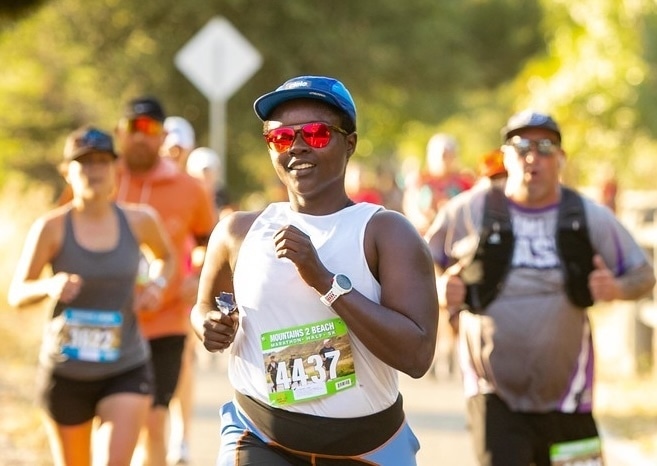
Trail runners are serious about their footwear. When it all comes down to you and the uneven ground below, keeping your footing is everything. And there's all kinds of trail, from mostly even, often manicured light paths to the wildness of rugged mountainscapes. The trail-running shoes suited to each—and everything in between—will look and feel a bit different, but a few basics run across categories: You'll want your them to have appropriate grip; to withstand the added wear-and-tear of rocky, dusty, and even muddy or icy running; and to be nimble enough to handle quick changes in footing and direction.
So, how to find that special pair for you? Over several months in the summer of 2026, our team of REI Co-op Member-testers have logged hundreds of miles in an array of trail-running shoes, evaluating everything from comfort to traction to bring you the best of the best. They ran up and down various routes in the country, from slippery Washington descents to dusty California climbs, battling serious heat and stormy weather alike. In this guide, you'll find options for long runs, technical terrain, gravel running, hiking and more.
Test Results
Find our quick recommendations here, or read on for full reviews of our round-robin test of the five best trail-running shoes.
- Salomon Speedcross 6 Trail-Running Shoes
- New Balance Fresh Foam X Hierro V9 Trail-Running Shoes - 2026 Editors' Choice Award Winner
- NNormal Cadi Trail-Running Shoes
- HOKA Stinson 8 Trail-Running Shoes
Jump to Buying Advice and How We Test.
Editor's note: We updated this story on August 26, 2026, to replace out-of-stock merchandise with new winners: the Salomon Speedcross 6, NNormal Cadi and HOKA Stinson 8 trail-running shoes.


Salomon Speedcross 6 Trail-Running Shoes
Score 99
Weight (Pair) 1 lb. 2.5oz (women's), 1 lb. 5 oz. (men's)
Heel-to-toe-drop (mm) 10
Cushion Moderate (32 mm stack height)
Best for Technical terrain, rugged trail, daily runs, hiking
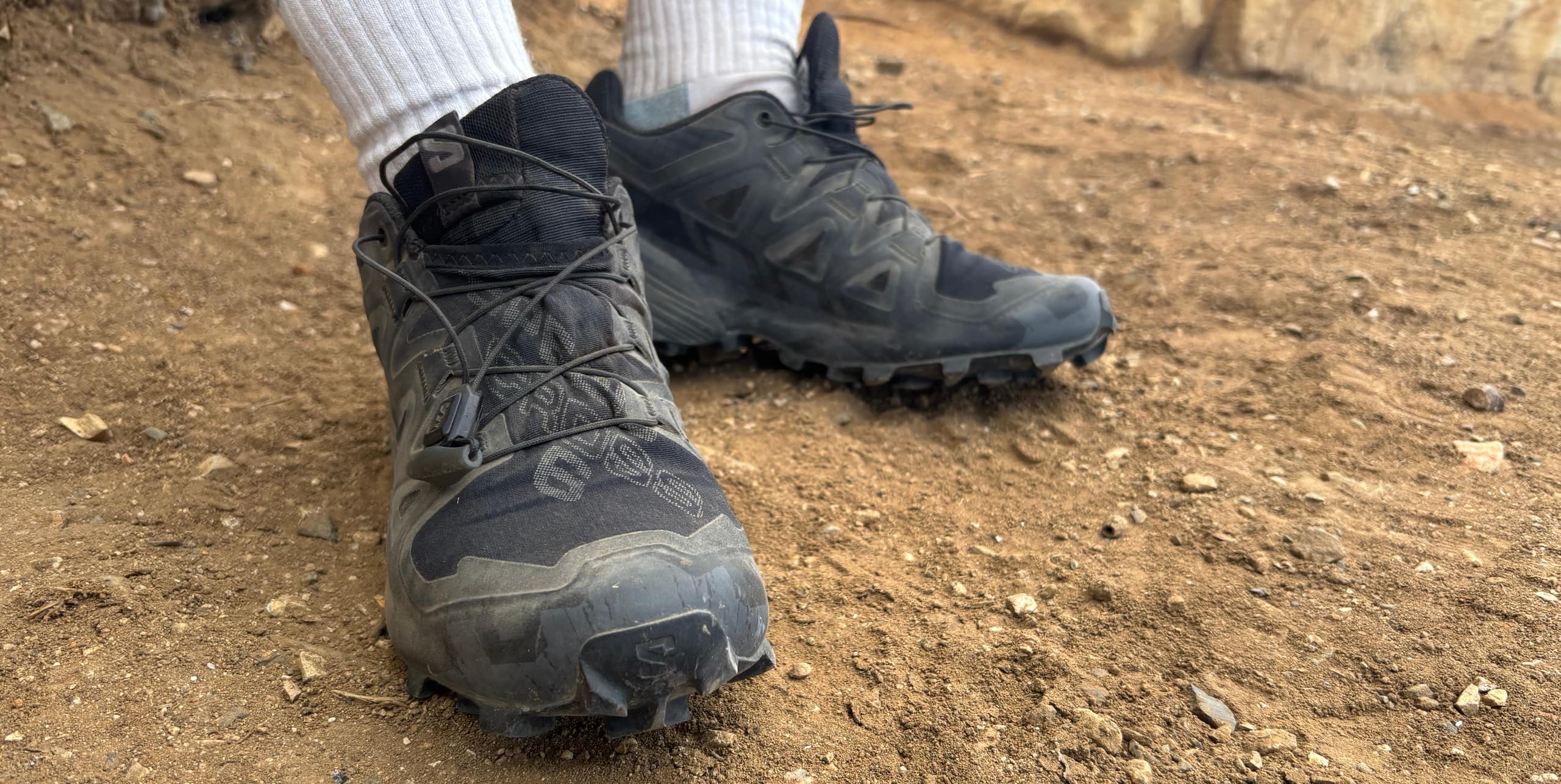
Most runners know Salomon for their trail acumen, with grippy soles and comfy yet responsive cushioning. The Speedcross, with its substantial lugs and supportive design is the ultimate Salomon shoe for trail enthusiasts who like to venture far and wide. The Salomon Speedcross 6, a lighter-weight and even grippier update to the previous version, excels in all categories, from fit to comfort to durability, while ushering in runners with a variety of foot shapes who require a precise fit and secure lockdown.
These are serious trail runners, built to keep you upright on even the loosest rock and muddiest dirt. California-based gear tester Fi L. was thoroughly impressed with the traction of the Speedcross 6, saying it's "the first shoe I've found that I trusted to get me up a steep incline with more intense weather conditions, [whether] rain or extremely dry dust [or] sand."
Our other Califronia-based tester Maddie A. agreed, saying the shoes held their own on a variety of train. Both testers also found the Speedcross 6 refreshingly light and comfortable on the foot for different speeds. "It was especially useful for trails that included a combo of hiking and running because they are also very supportive [...] without being as heavy as a hiking boot. I didn't have to break them in at all, [and] took them right on a trip [out of the box]." Fi sang similar praises—also using the Speedcross 6 as a running and hiking shoe with no required break-in period and noting their flexibility and fluidity on the trails is rare. "It felt almost like wearing a ballet slipper with cleats."
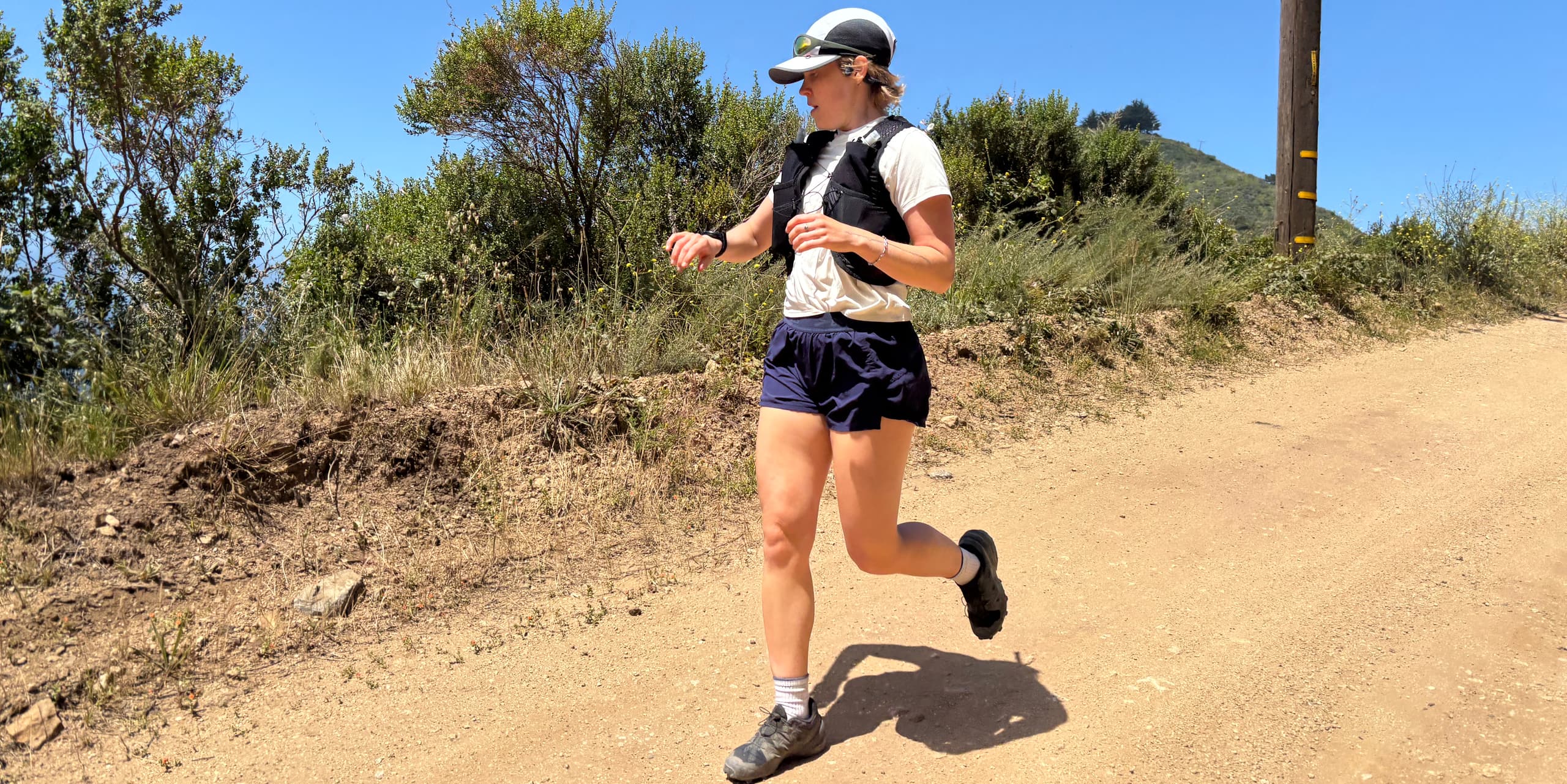
Bottom Line: The Salomon Speedcross 6 is the ultimate trail runner for all conditions. Whether you're running or hiking on mud or rock, you can count on the shoes to be grippy, supportive and nimble all at once.
Testing Stats:
- Total distance: 60 miles
- Testing states: California
- Best testing story: After a little online research, Fi L. was initially concerned that the Speedcross 6 wouldn't be for them. "I really was not expecting to love these shoes because I have a narrower foot and had read that this brand might not be as good for that. But I found the lacing style allowed for a lot more flexibility in tightening the shoe without feeling like I was losing circulation in my toes." Now, they're a huge fan. "Such a good shoe!! I wore them hiking and running all over the California coast and ran in the Trans Pride 5K in them in Los Angeles in Griffith Park."


New Balance Fresh Foam X Hierro v9 Trail-Running Shoes
Score 96
Weight (Pair) 1 lb. 0.6 oz. (women's), 1 lb. 4.6 oz. (men's)
Heel-to-toe drop (mm) 4
Cushion Maximum (42 mm stack height)
Best for Technical terrain, rugged trail, long runs, daily training
Few other athletic brands have been on the rise like New Balance these last few years. Known for their super-comfortable sneakers, the brand has embraced their soft-sole legacy while dialing up the technical bona fides of its wide array of running shoes. The Fresh Foam X Hierro v9 is no exception to this upward trend, which is why we gave it an Editors' Choice Award in 2026. With a monster stack height of 42 mm in the heel and 38 mm in the forefoot (for a stable, moderate drop of 4 mm), these max cushioned shoes or built to take you the distance on the trails. There's no need to fear the plushness when it comes to energy return: Washington-based tester George O. found the Fresh Foam X Hierro v9 plenty responsive, calling them "a full-suspension mountain bike for your feet!"
A synthetic mesh upper and gusseted tongue allow for a cozy fit while a toe cap keeps the rocks, roots and debris of technical trails from wreaking havoc. As for fit, a slightly more aggressive profile means the Hierro v9 shoe sports a medium-sized toe box in comparison to other New Balance models. George O. found the toe box plenty roomy for his purposes while Illinois-based tester and REI marketing program specialist Emily Leu found it a little snug around the pinky—so if you tend to prefer a wider fit, consider a half-size up.
Don't worry about slipping in these durable trail runners: Vibram® Megagrip outsoles, Traction Lug™ tech plus a new-and-improved tread pattern provide sure footing in wet and muddy conditions. Leu was impressed by the Hierro v9's grip during rainy runs while George O. "felt totally secure" on uneven terrain and had no problems navigating light mud. Durability impresses, too. After over 70 miles in the shoes, "they barely look used," Leu says. Both testers praised the reinforced stitching around the toe box, with George O. crowning the Fresh Foam X Hierro v9 his "new trail runner—no question about it." Buy here.
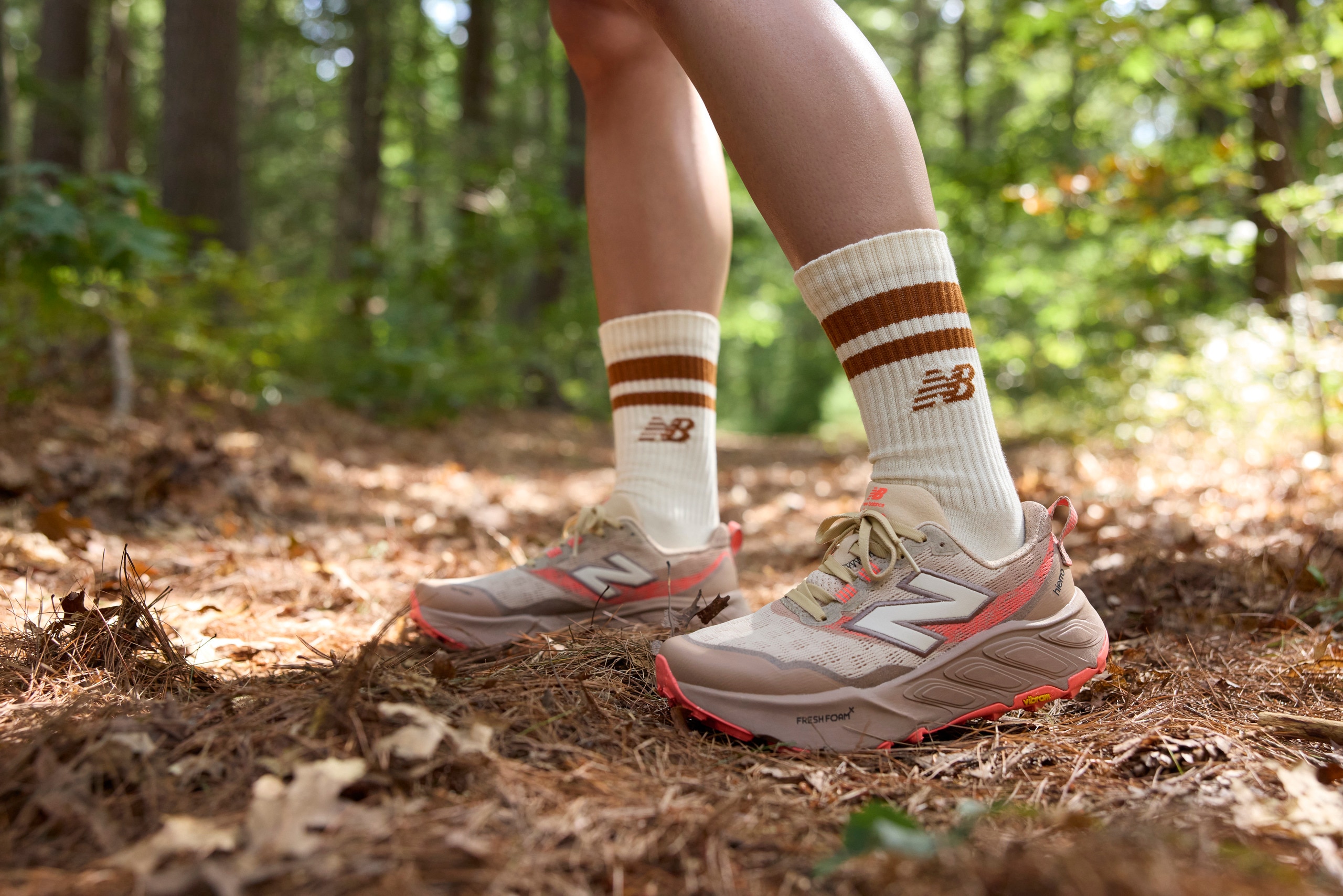
Bottom Line: The New Balance Fresh Foam X Hierro v9 is a majorly comfy running shoe that's game for whatever the trails throw at you—from big rocks and roots to mud and hills.
Testing Stats:
- Total distance: 132 miles
- Testing states: Washington and Illinois
- Best testing story: Washington-based tester George O. took the Fresh Foam X Hierro v9 into the mud and came out all the better for it: "I ran through it all like a gazelle (although I'm sure that's not what it looked like to others). Full confidence in every step."


NNormal Cadi Trail-Running Shoes
Score 95
Weight (Pair) 15.52 ounces (women's), 1 lb. 3.05 oz. (men's)
Heel-to-toe-drop 6
Cushion Moderate (35 mm stack height)
Outsole Vibram Megagrip
Best for Daily runs, gravel running, rugged terrain
In 2022, ultra-running royalty Killian Journet launched NNormal, a collaboration with the beloved Spanish shoe brand Camper, to shake up the offerings in the trail space. Somewhat ironically, Camper's slogan is "Walk, Don't Run." They sell comfortable yet fashionable and even avant-garde casual, lifestyle and walking shoes. Nnormal, meanwhile, chose the slogan "You Path, No Trace." The brands are offering pretty opposite product, but if you read closely enough, the visions are aligned: Footwear should enhance your chosen experience without getting in the way.
The NNormal Cadi optimizes this outlook with its pleasant yet un-intrusive design, including moderate cushioning and drop, a lightweight Supercritical EVA foam midsole and sturdy Vibram Megagrip outsole. "The upper of this shoe is like one of those ski boots that has a next-to-skin quality material," says Mottola. "It's just so comfortable getting into this shoe, and without a ton of foam, to still feel like you're riding easy over mixed terrain."
REI product copy editor Yitka Winn agrees, saying that the Cadi shoes "hit such a nice sweet spot between really well cushioned and yet also responsive." And while they're categorized as a light-trail option mostly fit for gravel and packed-dirt paths, Winn insists they work perfectly well on rockier technical terrain as well. "Everywhere I've run with these, they have given me wonderful and confidence-inspiring grip," she says. "Even on steep, dry, gravelly 'cat litter' type of terrain that can be super easy to slip on, I could run downhill without worrying about my shoes losing traction." Mottola doesn't quite agree, saying he prefers flatter trails in these over hills due to a lack of aggressive lugs—but that difference may depend on fit, as Mottola didn't get as favorable of a lockdown in the roomy shoe.
Both Mottola and Winn gave the shoe top marks for durability, with Winn clocking over 100 miles in them without a hitch. And Mottola admits that despite some slight misgivings, these are the shoes he turns to when he wants to go out and simply enjoy a run on the trail rather than train for maximum performance. Arguably, it doesn't get better than that.
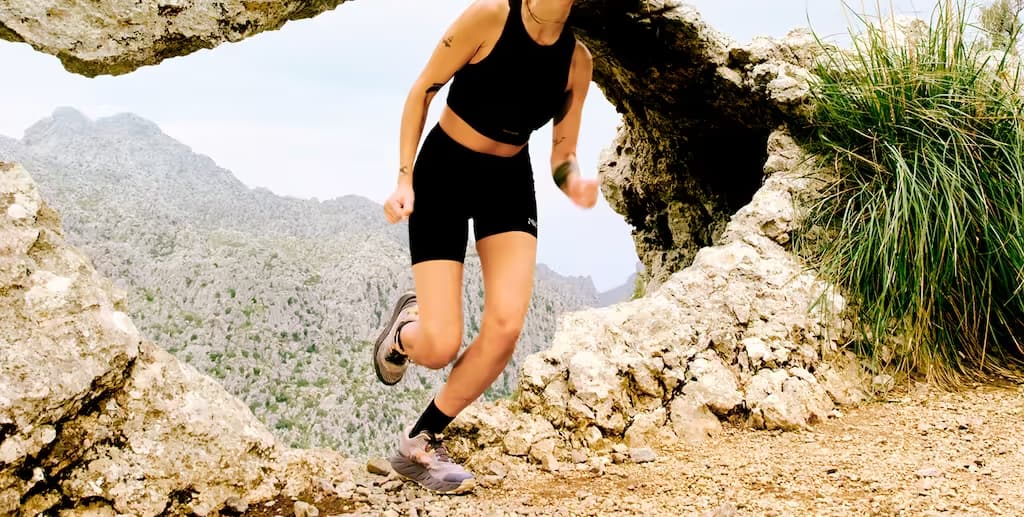
Bottom Line: Grab the NNormal Cadi if you're looking for a versatile, supportive and lightweight trail runner that will fit in smoothly with your lifestyle.
Testing Stats:
- Testing distance: 162 miles
- Testing states: Washington
- Best testing story: Get ready to find community when you throw on a pair of NNormals: "I learned that people who wear NNormal have already grown VERY loyal to the brand," says REI product copy editor Yitka Winn. "Any NNormal fan I encountered on the trails was quick to comment on my shoes with great enthusiasm and ask how I liked the Cadi."


HOKA Stinson 8 Trail-Running Shoes
Score 94
Weight (Pair) 1 lb. 3.19 oz. (women's), 1 lb. 6.6 oz. (men's)
Heel-to-toe-drop 5
Cushion Maximum (44.3 mm stack height)
Outsole 100% rubber
Best for Gravel running, door-to-trail, daily runs, easy and recovery runs
When you think HOKA running shoes, you liking are thinking mega comfort. The newest Stinson 8 is a high achiever in that category, zooming in at a stack height of over 44 mm and a softer than ever H-Frame™ EVA midsole pair with a rocker to keep you rolling through your gait. Our testers found these shoes supremely plush, with California-based tester Dariel S. calling them "flotation devices" for the almost weightless feeling they gave her.
"There's so much room in the forefoot and they're extremely cushy...all over," says Dariel. "The sole is springy yet they feel solid like you have a foundation glued to your foot. Yet, I still felt dexterous over the rocks in the riverbed." REI DVP of content, community and partnerships Paolo Mottola also pointed out that of all the HOKA trail shoes he's tried, the Stinson 8 is the most successful at translating the comfort level of HOKA's road shoes to dirt.
But not all trail-running shoes serve the same purpose. The Stinson 8 is a light-trail model focused on providing a soft landing for slow and steady runs on gravel, manicured dirt paths and even the road. You won't find it ideal for more rugged terrain or speed work that benefits from a springier midsole—but if you stay within its lane, the shoe will excel. "The [Stinson 8] is very forgiving and comfortable so it's the kind of shoe that keeps the easy days feeling easy," says Mottola.
For those focused on looking sleek and stylish on the trail, the Stinson 8 provides some exciting colorways, but you'll have to be up for a chunkier, more ergonomic look. "Aesthetically, they're not cute," says Dariel, "but they are functional." Good looks don't tend to last in a well-loved trail-running shoe, though, so feel free to let your feet decide.
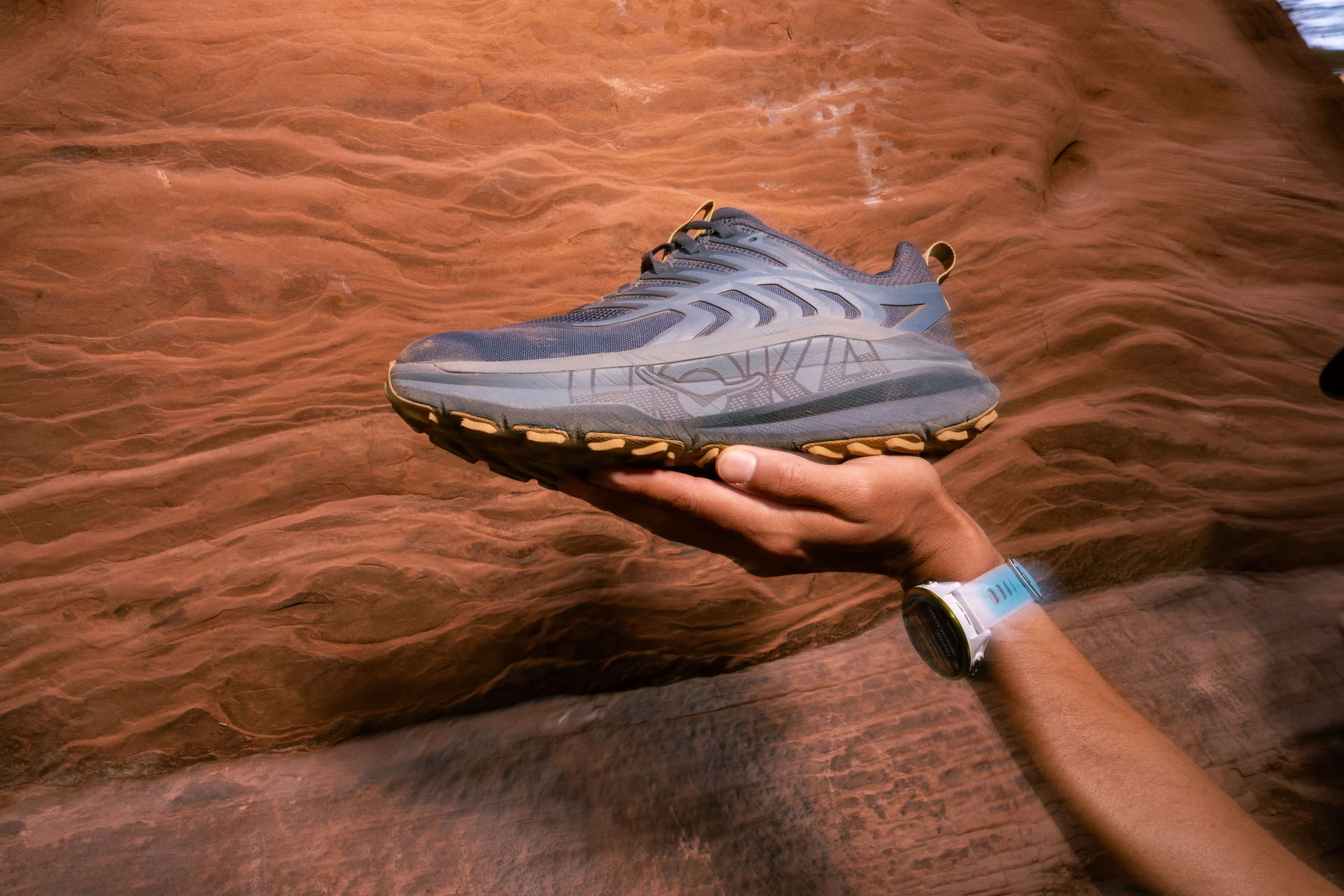
Bottom Line: If you're looking to glide through easy trail and gravel runs that might start and end at your door, look no further. The HOKA Stinson 8 is an ultra-cushioned and reliable light-trail shoe for beginner and advanced runners alike.
Testing Stats:
- Testing distance: 100 miles
- Testing states: California, Washington
- Best testing story: Beauty is in the eye of the beholder, as it turns out. "I have these in the Varsity Navy/Faded Navy color," says REI marketing DVP Paolo Mottola, "and I had a few people on the trail ask me if I was wearing HOKAs because I think the colorway, while conservative, is a head-turner."


Altra Lone Peak 9+ Trail-Running Shoes
Score 90
Weight (Pair) 1 lb.. 3 oz. (women's Lone Peak 9), 1 lb. 6.4 oz. (men's Lone Peak 9); 1 lb. 2.6 oz. (women's Lone Peak 9+), 1 lb. 7.1 oz. (men's Lone Peak 9+)
Heel-to-toe drop 0
Cushion Moderate (25 mm stack height)
Outsole MaxTrac rubber (Lone Peak 9), Vibram Megagrip (Lone Peak 9+)
Best for Rugged-trail, zero-drop enthusiasts, ground feel
The current Lone Peak model from Altra has two iterations: The Lone Peak 9 (women's and men's) and the newer Lone Peak 9+. Both versions of the super-popular trail-running and hiking shoe offer the brand's classic wide and anatomical toe-box, secure lockdown, superior traction, and zero heel-to-toe drop (zero-drop) profile with moderate cushioning for increased contact with the trail without sacrificing comfort. The main difference is that the 9+ features a Vibram Megagrip outsole, whereas the 9 sports a MaxTrac rubber outsole. This shift makes the 9+ slightly stiffer and heavier, yet grippier and more slip-resistant on trail.
Our testers loved both models, and your choice of which version to go to with depends on how hard you want to rip it and in what conditions.
California-based tester Karsten O. found the Lone Peak 9+ comfortable over long runs, and found the Stoneguard™ rock plate to be handy in rugged terrain. "Vibram [Megagrip] is insanely grippy," said Karsten. "Hilariously angled rock slabs were no problem, just a matter of how far my achilles could stretch to accommodate the angle." Our Lone Peak 9 testers—REI sales specialists Heidi Watcher and Shelly Manzella—also praised that shoe's traction, finding the MaxTrac rubber grippy on climbs and descents through "dirt, sand and rocky trails."
The difference the testers noted besides the extra grip and stiffness of the Vibram-soled Lone Peak 9+? The 9+ is roomier, and may benefit from sizing down by a half size, while the 9 runs a bit small, and you may want to size up a half size.
The verdict? Upgrade to the 9+ if you're an ambitious trail runner, navigating rough and tough, slippery and slide-y rock. For your more typical runs and hikes, the 9 should do just fine. Buy the Lone Peak 9 + women's version and men's version . Buy the Lone Peak 9 women's version and men's version.
Pro tip: If you're not familiar with zero-drop shoes, you may want to ease in by trying shoes with moderate heel-to-toe drop first, like the Topo Ultraventure 4.
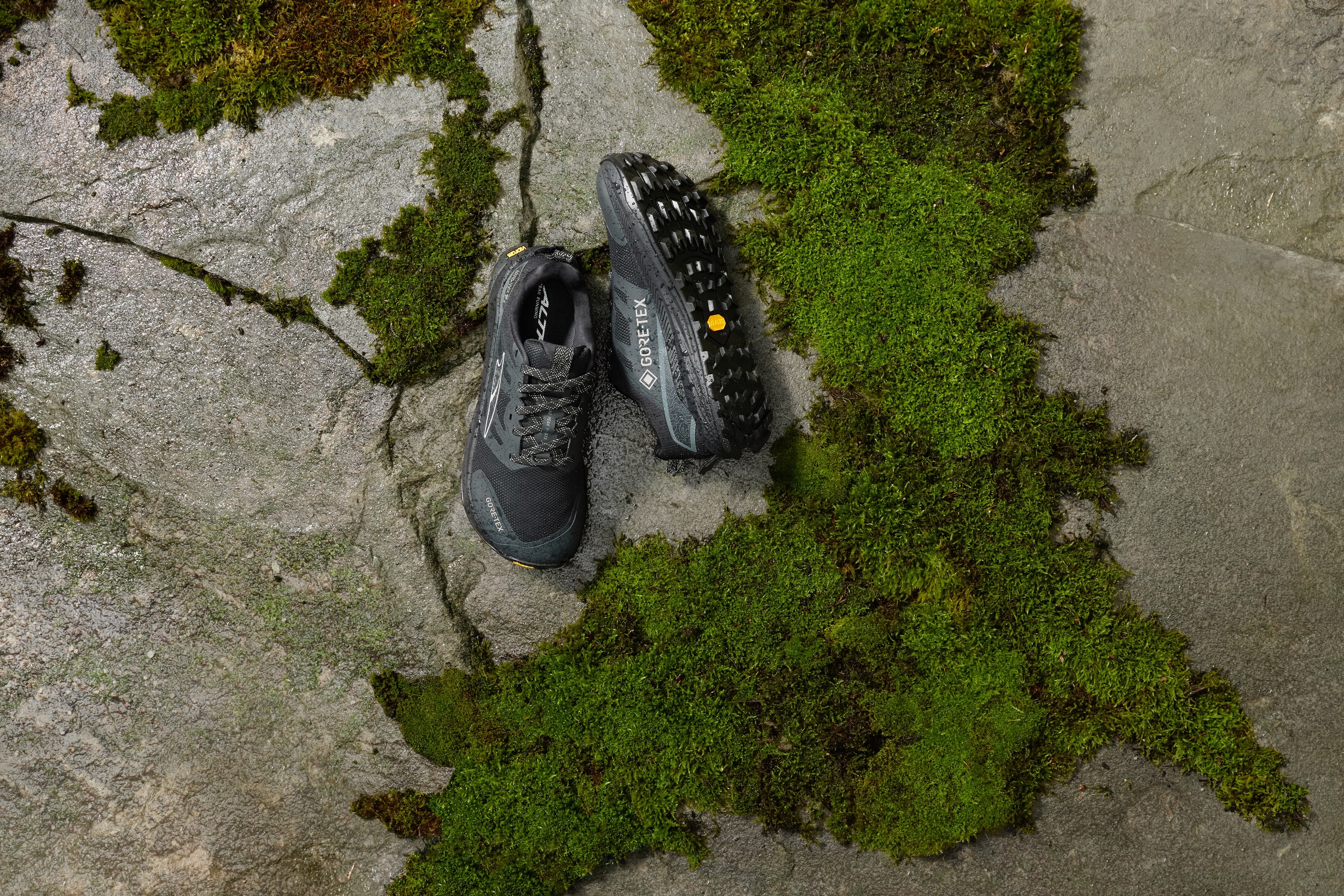
Bottom Line: The Altra Lone Peak 9+ is a tougher, grippier version of the Lone Peak 9, sporting a Vibram Megagrip outsole that's ready to take on the trickiest terrain your heart desires.
Testing Stats:
- Total distances (9+ and 9): 215 miles
- Testing states: California, Minnesota
- Best testing stories: Karsten O. was happy to take advantage of the Lone Peak 9+. "[I went on a] weekend backpacking trip in the High Sierra with a friend of similar fitness levels and experience." But the contrast between their trail-running shoes meant Karsten excelled on mountainous stretches while his friend had a harder time. "Too bad!" Manzella, meanwhile, said the same of her San Gorgonio Peak hike in the Lone Peak 9: "Traction was great even on some snowy parts. The breathability of the shoe was great, feet and toes stayed dry! While others were complaining of hot spots and sore toes, mine felt great!"
Buying Advice
When purchasing trail-running shoes, consider these three factors: heel-to-toe drop, cushioning and traction. Read on or check out our Trail-Running Shoes Buying Guide for more detailed information.
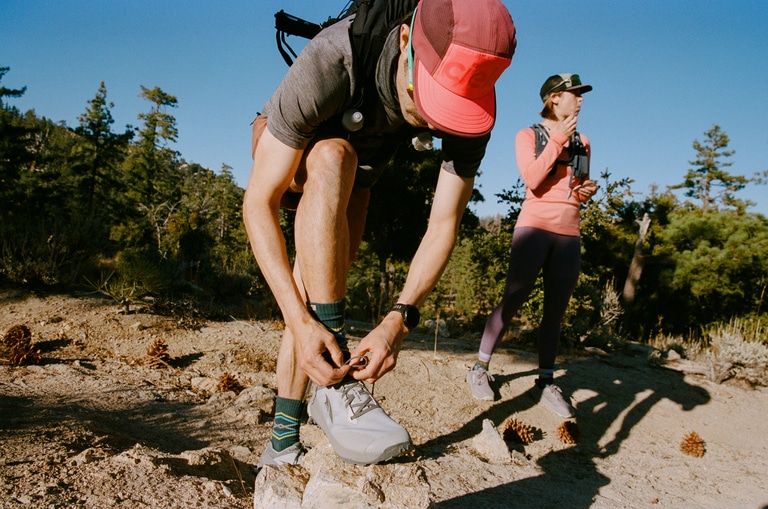
What is drop and why does it matter when shopping for trail-running shoes?
When someone mentions the "drop" of a running shoe, they are referring to the difference in height between a shoe's heel and toe. A shoe's drop primarily affects how your foot strikes the ground.
In previous years, high drop shoes (10 millimeters or more) have been more popular, because they help you land on the heel first and roll through your foot to complete the running motion—which was thought to be the preferable way to run. More recently, however, "midfoot striking," or landing on the middle of your foot, is all the rage in running content, as many physical therapists who specialize in the activity consider it a more natural way to land. (Learn more in Minimalist/Barefoot Running Basics.)
In this gear guide, you'll find shoes with high drop (9 millimeters and above), moderate drop (6 to 8 millimeters), low drop (3 to 5 millimeters) and zero drop (0 millimeters). For folks who haven't tried midfoot striking before, consider sticking with a high-drop shoe, like the Salomon Speedcross 6 or a moderate-drop shoe, such as the NNormal Cadi.
If, however, you're interested in dabbling with mid- or forefoot striking to minimize any injuries you think may be coming from heel striking, look for a low-drop shoe like the New Balance Fresh Foam X Hierro v9 or HOKA Stinson 8.
And if you're interested in a shoe with zero heel-to-toe drop, try the Altra Lone Peak 9+ and 9. Zero-drop shoes mimic your natural gait.
Note: If you're a heel striker, or someone transitioning from a higher-drop shoe to a lower-drop shoe, progress slowly. Jumping straight into a low- or zero-drop shoe may result in muscle soreness or even injury. Such shoes often make your Achilles tendon work harder than it's probably used to.
Why does cushioning matter when it comes to trail-running shoes?
Your shoe's cushioning is often referred to as "stack height." This number refers to the amount of padding under your foot, particularly beneath the heel. The higher the stack height, the more comfort you can expect while pounding the ground. (You’ll also be more protected from obstacles you might land on.) But, higher stack shoes sometimes lack precision and ground feel, since there’s more room between your foot and running surface.
Today, there are generally four categories of cushioning in trail-running shoes:
Barefoot: Made popular in the early 2000s, a barefoot-style shoe means there is no padding underfoot. This is the preference for runners who want to "feel" the ground beneath them, and understand their own biomechanics. There are no barefoot-style shoes on this list.
Minimal: Minimalist shoes can be a good option for runners who still want to feel the ground, while enjoying a small amount of cushion (think: race flats). Again, you won't find any minimalist shoes on this list.
Moderate: Shoes with moderate cushioning have enough padding for cruising over rocks with little risk of bruising your feet. Look for shoes with a stack height between 20 and 35 millimeters, like the, Altra Lone Peak 9+ and 9, Salomon Speedcross 6 and Nnormal Cadi.
Maximum: Shoes with maximum cushioning—like the New Balance Fresh Foam X Hierro v9 and HOKA Stinson 8—boast more than 35-millimeter stack heights. Advocates believe the bonus padding is easier on the joints and minimizes muscle fatigue, but opponents believe these shoes are bulkier and less agile.
How does traction help trail-running shoes perform?
Unlike their road-running brethren, trail shoes rely on grip. In order to properly assess a shoe’s grip, it can help to understand how the type of rubber and the arrangement of the lugs—or cleatlike bumps on the sole—affect traction. For instance, a softer rubber will be grippier, but it will wear down faster.
For maximum traction, look for trail-running shoes with deep (greater than 4 millimeters), angular lugs, which hug the ground while expelling mud and muck. For dry trails and fine grit, a shoe that has large, blocky lugs spaced farther apart will grip best.
How We Test
In the summer of 2026, we enlisted REI Co-op members, staff and contributors from around the country to log miles on the best trail-running shoes currently available at the co-op. Our testers took a variety of shoes through the paces on rolling meadows, technical ridgelines, down steep descents and up rugged hills to rate each shoe's performance.
After four- to eight-week stints, our crew rated the shoes on five categories: comfort, fit, traction, durability and support. Testers ranked their shoes in each category on a scale of 1 through 10. We tallied the data and calculated the average, adjusting the chosen score where written feedback qualified it. The five pairs of trail-running shoes included here are the highest-scoring shoes in our test, and the scores are their averages.
After doing the math, the New Balance Fresh Foam X Hierro v9 received the highest marks, earning it an Editors' Choice Award in 2026.. The Salomon Speedcross 6, Nnormal Cadi and HOKA Stinson 8 scored just below, proving they earned top spots in their respective categories. And the Altra Lone Peak 9+ and 9 scored high in most categories, still receiving top marks from trail runners.
Related Articles