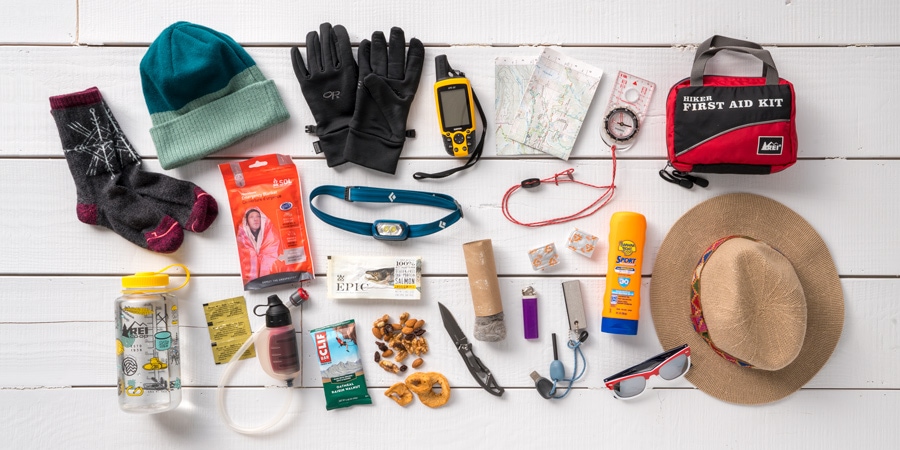
Anytime you venture into nature for a day hike or any kind of outdoor adventure, it’s smart to bring the Ten Essentials. They’re the readiness items that help travelers stay comfortable and get through nature’s surprises: Just as a city dweller might grab wallet and sunglasses when leaving the apartment, outdoor explorers rely on a short list of must-haves that prepare them for bad weather, an injury, a missed turn on the trail and other mishaps. You may never have to use items on this list, but you’ll be glad you have them, should things go sideways.
The advice is nearly 100 years old, but remains gold-standard protocol. First developed in the 1930s by The Mountaineers, a Seattle-based group of climbers who notched ambitious adventures like weeks-long forays into previously unexplored terrain, the Ten Essentials provided recreationists with tools to safely spend a night in the wilderness or respond to emergencies.
The original list has evolved over time into a systems approach, more of a set of categories rather than a prescriptive list, to which you can make tweaks based on your own needs. But it’s still just as valuable.
“The Ten Essentials remain relevant for everyone who recreates outside, but the specific items that you should bring depend on where you’re going and what you’re doing,” says Doug Klingemann, a lifelong outdoorsman and Incident Commander for Routt County Search and Rescue in northwest Colorado. “But when you head into the backcountry and go far from town, I do believe that everything on the list remains recommendable.” During his eight years on the search and rescue team, he has encountered many lost or injured adventurers—some who were able to safely spend the night outside because they brought along Ten Essentials items while waiting for rescue.
Gear has evolved since the list was first published; for example, your smartphone might now substitute for a paper map and flashlight. And if your outing remains relatively close to sources of help, the Ten Essentials could safely shrink to a smaller number (see “Tailor Your List,” below). No matter what, it remains an important foundation for thinking critically about safety and preparedness outdoors, which is worth doing whether you’re planning an urban hike or a remote climbing trip.
Updated Ten Essentials
Read on for an explanation of these systems or click on the links to jump ahead:
- Navigation (may include map, compass, altimeter, GPS device, personal locator beacon or satellite communicator, power bank for electronics)
- Light (may include headlamp and extra batteries, smartphone flashlight, handheld flashlight)
- Sun protection (may include sunglasses, clothing with UPF, sunscreen)
- First aid (may include adhesive bandages, blister care, EpiPen, sting treatment, gauze like QuikClot)
- Knife/tools (may include equipment repair kit)
- Fire (may include matches, lighter, firestarter, stove)
- Shelter (may include lightweight bivy, space blanket)
- Extra food (may include snacks, an additional meal)
- Extra water (may include additional capacity, water treatment)
- Extra clothes (may include insulated jacket, rain shell, backup socks)
Editor's note: We updated this article on Aug. 28, 2026, with additional information and examples of what to bring.
Tailor Your List
For each outing, your Ten Essentials might look different depending on your location, the weather and your sport.
Your intended location will determine whether you need all Ten Essentials or an abbreviated kit. Some outings like a brief hike on a popular trail close to town might call for a smaller assortment of preparedness items. Others like a daylong mountain bike ride to remote, lightly traveled trails necessitate a more robust list, because help might take hours or days to reach you.
The season and weather forecast should also inform your packing. “Consider what you’d need to stay comfortable if you have to stop your activity and hunker in place till help comes,” suggests Klingemann. In winter, that might mean bringing a very warm puffy jacket, an emergency blanket, and a neck gaiter or skin balm to protect your face from frostbite. In summer, that same emergency blanket or tarp can shade you from the sun.
Some activities require specialized fix-it kits. A mountain biker’s version of the Ten Essentials might include tools to repair malfunctioning tires or drivetrains, while overlanding campers might carry accessories for basic trailside auto repairs. (See #5, below, for more details about situation-specific variations on the Ten Essentials.)
Video: Ten Essentials for Backpacking, Camping and Hiking
The Ten Essentials, Explained
1. Navigation
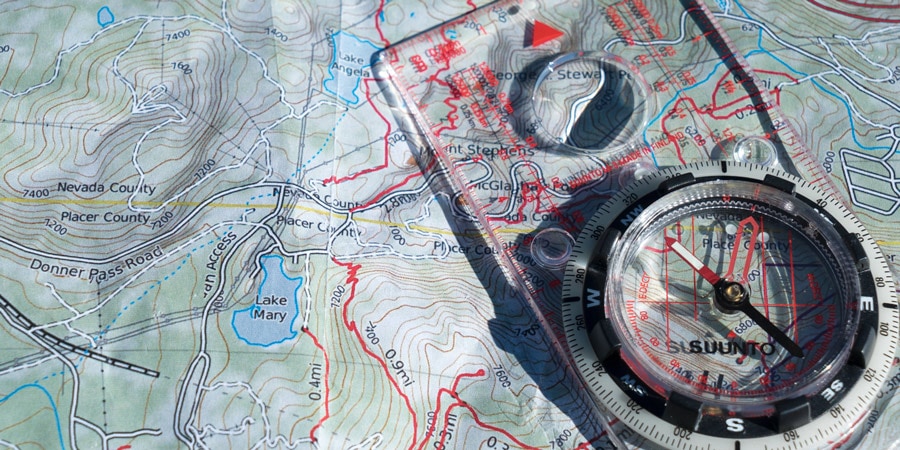
Getting lost or off course is one of the most common misadventures in the outdoors, and it doesn’t happen only in wilderness settings. Urban trail networks can be confusing, and an unexpectedly long walk on a scorching day can lead to dehydration and even heat stroke if you’re not carrying and drinking enough water (see #9, below). Even on short outings, you can benefit from one of these navigational devices. On longer, more remote trips, Klingemann recommends carrying multiple navigation aids, so you’ve got a backup.
Some navigation tools include:
Smartphone: Many people, including Klingemann, now use a smartphone and mapping app (such as AllTrails or Gaia GPS) to stay oriented while outside. It’s a good idea to download a map of the area if there is any chance that you’ll be without cell service. Plus, it allows you to put your phone on airplane mode to save battery life. “It’s still important to know how to read the maps on the screen,” says Klingemann. But even if you’re truly lost, as long as the device is charged, a smartphone’s GPS capability can relay your location, often quite precisely, to emergency services, which “makes life a lot easier for us and helps us respond quicker,” says Klingemann. The newest smartphones use Emergency SOS via satellite or Satellite SOS, making it possible to dial 911 and share your location even from remote locations that lack cell coverage. Some carriers have also made text to 911 possible off-grid.
Satellite messenger: Backpackers, ultrarunners, mountain bikers, skiers and backcountry hunters who explore zones that lack reliable cell service might carry a satellite communicator to relay messages or a personal locator beacon (PLB) to send out an SOS signal in an emergency. Read more about choosing satellite messengers and PLBs.
GPS device: Dedicated electronics like GPS watches, GPS-enabled bike computers and handheld GPS units can track distance, altitude and other locational data. Just note that battery life can be short-lived.
Paper map and compass: For short-mileage day hikes, you could opt to carry a hiking guidebook that includes a map of your intended route. If you’re logging more mileage, consider carrying a topographical map of the area to keep you oriented, should your electronic aids lose capability. Learn more about using a compass and reading a topographical map, or take a class.
💡Pro tip: Klingemann always carries a portable power bank for his smartphone and other electronic devices that he plans to use for navigation. “Battery life can vary depending on the weather and any apps you’re using, but keeping your phone charged through unexpected delays will preserve your ability to find your way and make it easy for responders to reach you if needed,” he explains.
2. Light
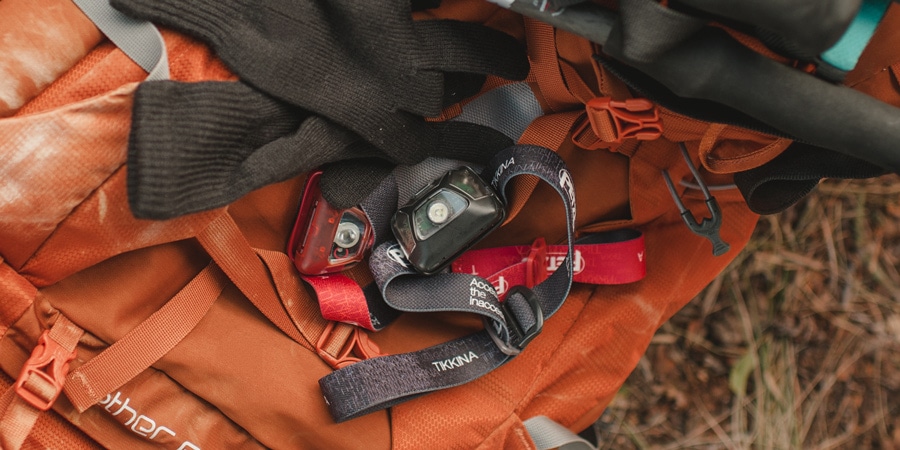
Carrying some form of light—such as a headlamp or a smartphone’s flashlight feature—lets you safely negotiate a trail after dark, should you stay out longer than expected. Having a light also allows you to execute critical tasks after sundown, like finding your way around, starting a fire, preparing food or administering first aid. Just as valuable is light’s effect on morale, says Klingemann. “Being in the dark with no light is very anxiety-producing, whereas maintaining the ability to see what’s around you is calming.”
Some illumination options include:
Smartphone flashlight: This is suitable for short trips close to town.
Headlamp: Essential gear when you’re traveling farther afield, a headlamp frees your hands for other tasks such as gear repair.
Flashlight: Helpful for group use, especially when combined with a headlamp.
Portable lanterns: Some camp lanterns weigh only a few ounces, and inflatable ones take up little space in your pack.
💡Pro tip: “Lighting technology has really improved, making it easier to find lightweight lamps that are really bright,” reports Klingemann. Just make sure they’re properly charged and carry extra batteries or a charging device on longer trips.
3. Sun protection
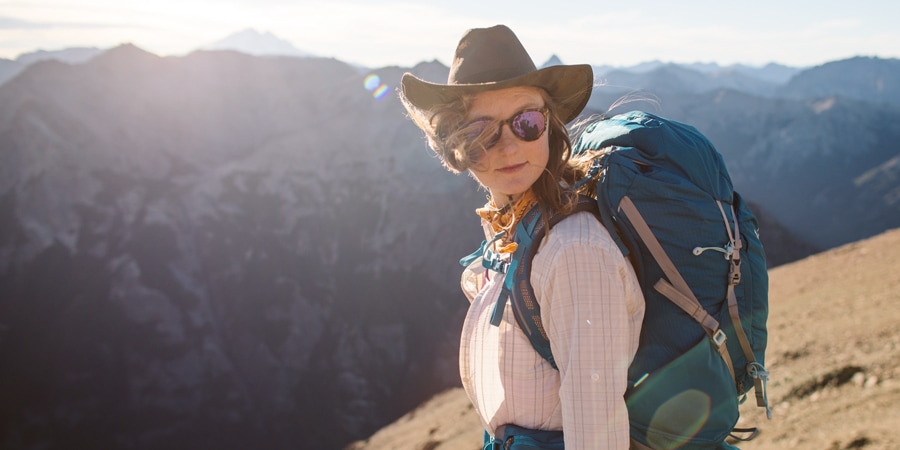
Sunglasses, sunscreen, skin-covering clothing, a brimmed hat—all of these can help during longer-than-anticipated sessions outdoors by keeping you cool and preventing sunburn.
Some sun protection options include:
Sunscreen: Remember to reapply after sweating or swimming and use sunscreen even in winter or on overcast days.
Clothing with UPF: “I prefer long sleeves and pants to wearing sunscreen,” says Klingemann. This coverage strategy requires no greasy reapplications to be effective.
Sunglasses: Wearing UV protection for your eyes prevents fatigue and sunburn of the cornea, should your exposure extend for hours longer than planned.
Sun hat: Brimmed hats or caps, especially those made of sun-protective fabric, can help shield your head, neck and face from harmful UV rays.
💡Pro tip: “Think about sun protection not just during activity, but if something goes wrong,” suggests Klingemann. That might mean carrying sunscreen on a quick hike, in case the outing ends up taking long enough to call for reapplication.
4. First aid
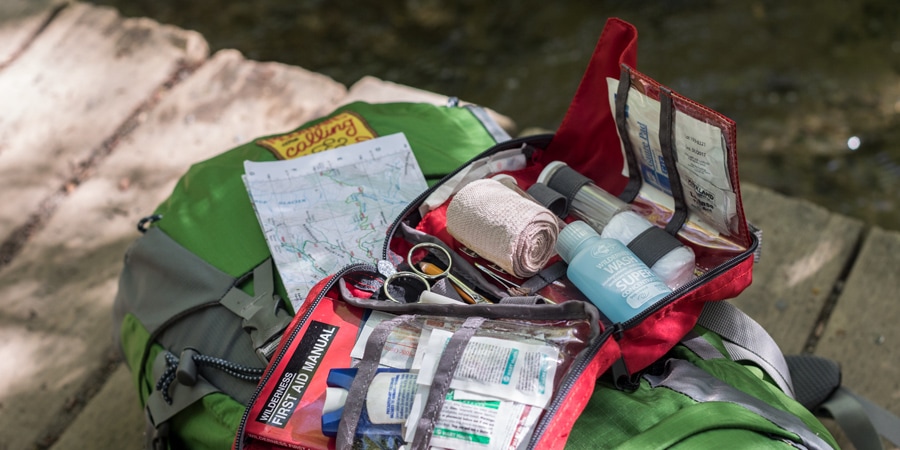
Here’s a Ten Essentials item that varies greatly depending on the duration of your trip. Many hikers skip this element during quick walks in a local park. But the farther you travel into the backcountry, the more first-aid gear you should bring. Klingemann once responded to a group of snowmobilers who had effectively used a splint that they’d packed in their first-aid kit.
Some first-aid items you may want to bring with you:
Pre-assembled first-aid kits: These make it easy to address assorted medical needs and range from light and compact (for quick hikes close to home) to large and comprehensive (for extended multiday adventures). Many kits list how many people and days out the supplies will cover.
Blister treatment: Fuzzed adhesive bandages or gel pads are valuable for hiking and paddling, when blisters may form on the feet and hands.
Personal medications: Bring what you need to manage conditions like diabetes or allergies. People with sting sensitivities should carry an EpiPen even on short outings close to home.
Prevention items: Depending on the season, consider bringing an anti-chafe balm, insect repellent or a balm to shield skin against frostbite.
💡Pro tip: “What you’re doing dictates what you may need,” says Klingemann. Hikers should consider packing a compression bandage since ankle sprains are common, while bow hunters might prioritize items for wound care. “Carrying arrows, people often cut themselves and deal with deep lacerations,” he explains.
5. Knife/tools
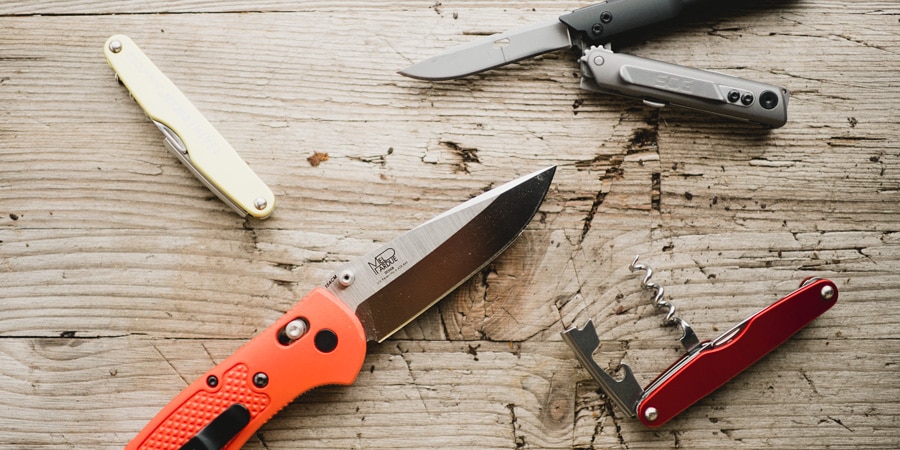
“Depending on your recreational activity, you may need tools to fix a situation,” says Klingemann. Backpackers may want thread and a needle or awl to stitch torn clothing, packs or tent fabrics. Skiers could pack paracord or a ski strap to jerry-rig a broken binding. And the basic folding knife, multi-tool and duct tape remain essential gear for a multitude of fix-it situations.
Some of the options you may consider:
Knife: Not just for slicing apples, a small folding blade can help you manage injury (think cutting fabric to build a splint) or repair gear (cutting rope to secure broken portage wheels).
Scissors: Small, folding versions are handy for trimming blister pads or fabric repair tape. They can often be found on multi-tools.
Sport-specific tools: Try to anticipate the most uncomfortable gear mishaps, like a punctured sleeping pad on a multiday trip or a rip in a down jacket in chilly conditions, and pack a repair kit. Mountain bikers carry tire levers, a tire tube and an air pump. Backpackers might bring a pole repair kit, should stormy weather snap a tent support.
💡Pro tip: Don’t forget about the motorized transport you use to get you to the trailhead. When driving in remote locations, a portable jump starter or traction boards might be worth carrying to keep you moving if you experience a dead battery or stuck vehicle.
6. Fire
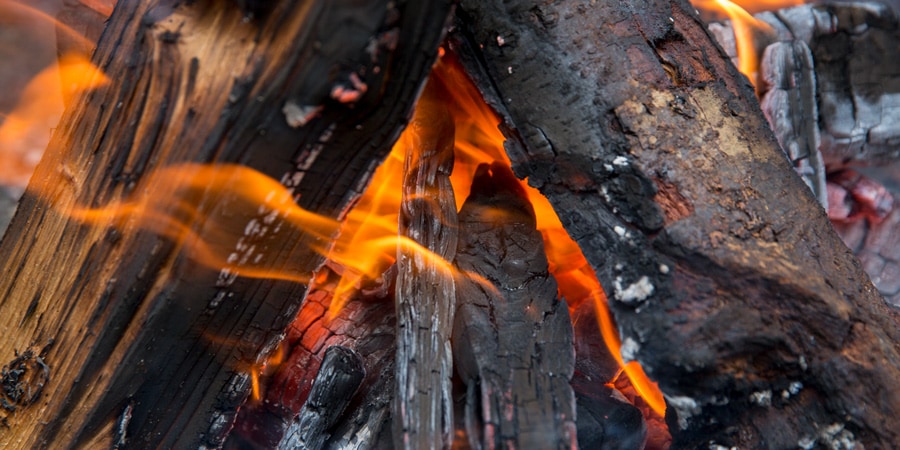
Starting a fire isn’t always a requirement for survival. Many lost or injured outdoorspeople can wait for help without striking up a blaze. But making a fire can radically improve your comfort and prevent compounding injuries by mitigating shock and preventing hypothermia. The farther you travel, the more critical it is that you have a way to preserve body heat, should you end up waiting hours or days for assistance. Your fire can even alert responders to your location: Using heat-sensing drones or helicopters, Klingemann’s team often spots targets by their smoke and flame.
Here are some fire options:
Pocket lighter: Great for low-commitment trips but may not work in windy weather.
Stormproof matches: Valuable for starting a spark when wind disables a lighter. They’re also waterproof and usually come in a waterproof container—good for anyone traveling in potentially wet conditions or on the water.
Fire starters or tinder: Consider packing a fire-starting tool that creates a spark or solid blocks of fiber or fuel that burn for a sustained amount of time and “make it a lot easier and faster to start a fire because you don’t have to get picky about finding and trimming kindling,” Klingemann says.
Folding saw: Handy for collecting and trimming wood.
💡Pro tip: “On trips into the backcountry I always carry multiple ways to start a fire, in case one doesn’t prove useful,” says Klingemann. You can also make your own tinder (read about it along with our other camp hacks).
7. Shelter
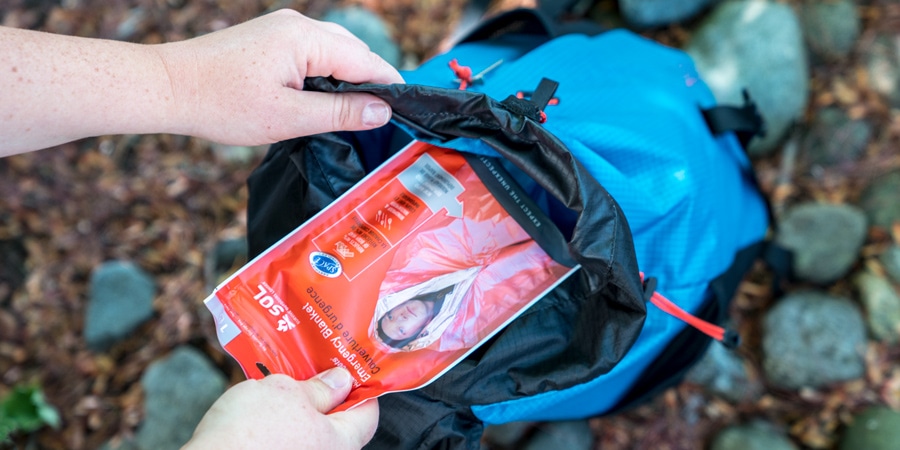
On trips that require more time and energy, particularly in cold weather or in exposed locations (such as summits above treeline), it’s smart to carry an emergency bivy that can provide protection during unplanned overnights. But “shelter” could also be an emergency blanket that’s no bigger than your fist when packed, or the clothing you wear. “A waterproof jacket that can keep you dry may be all the shelter you need, and it makes a significant difference in your comfort level,” says Klingemann.
Some shelter options include:
Waterproof shell: Worth packing on virtually every foray, a weatherproof jacket delivers major protection for minimal weight and bulk.
Lightweight tarp: Paired with a few yards of paracord, sil-nylon tarps can provide protection from rain, sun or snow while you tend to an injury or wait for help.
Bivy sack: These shelters are just large enough to fit over a sleeping bag and range from tent-like tunnels to insulating sleep sacks with hoods.
💡Pro tip: “The technological advances in bivy construction have let them become very small and compact, so it’s much easier to bring them along than it was a couple of decades ago,” says Klingemann. We’ve found that a poncho or a heavy-duty garbage bag could also provide cover in a pinch.
8. Extra food

Yes, humans can survive for weeks without eating. But your decision-making abilities suffer when you’re calorie-deficient, and if mishap strikes while you’re outside, you may need sharp wits to solve problems and stay safe. Plus, there’s nothing like food to comfort you when things go south.
Food solutions to consider:
Non-perishable snack: For short, close hikes, stash an energy bar or two in your pocket or daypack, ensuring you’ve got a way to boost your energy and attitude, should the outing take a worrisome turn.
Extra meal: On weekend or multiday trips, consider packing extra snacks or a surplus no-cook meal (like granola and powdered milk), should raccoons raid your pantry or your stove fuel run short.
💡Pro tip: Pack extra calories on cold-weather trips, when your body burns extra energy just to maintain healthy body temperatures.
9. Extra water
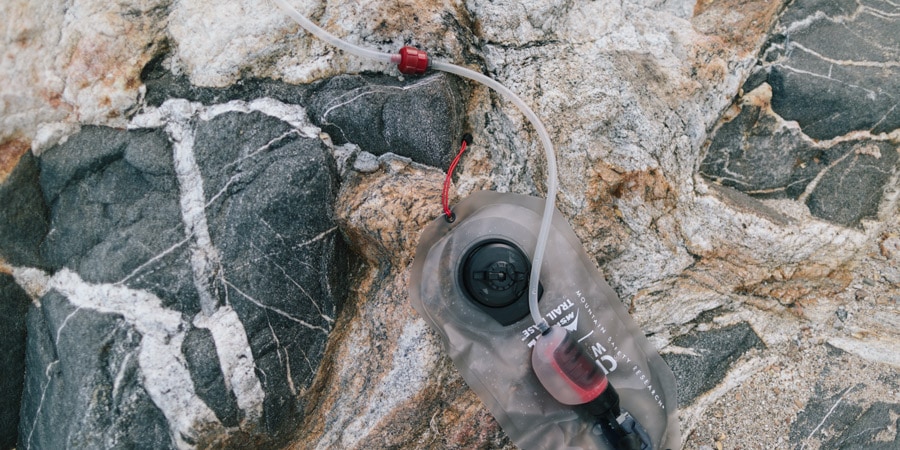
Like getting lost, running out of water is a common problem among outdoor recreationists. Perhaps the activity turned out to be more strenuous than you expected, the weather was hotter or delays like taking a wrong turn increased the amount of water required to avoid dehydration. And while you can go without food for weeks, you can generally only survive a few days without water. The solution isn’t necessarily to carry more ounces (though that’s one option). Many backpackers and long-distance trail runners opt instead to pack a pocket-sized water filter so they can safely drink from lakes and streams they encounter.
For short trips, consider super-sizing your bottle (by grabbing the 32-ounce size instead of 16). Encourage everyone in the group to do the same, so that four people aren’t hydrating from a single bottle. Or try the pocket filter trick, which works great when water is readily available along your route.
Some options for water treatment:
Portable water filters: For fast filtration on the go, consider a lightweight filter (in formats such as straws, squeezable bags, chemical water treatment tablets or pumps) that makes it easy to supplement the water you carry in, should you run out. Note that these filters are only practical where a water source like a lake or stream is available. In arid locations, you may simply need to carry more water or cache some along your intended route. (Learn more about how to treat water in the backcountry.)
Backpacking stove: Boiling water is also an effective way to make it safe to drink and can be a good choice for winter day trips where you might need to melt snow. Don’t forget to pack enough fuel for your needs.
💡Pro tip: Try fulfilling the “extra water” advice with targeted pre-trip drinking: Drink water several hours or even a day or two before your trip. In hot weather, it’s important to start your outing with fully hydrated muscle tissue, so that your on-trip drinking needs only to replenish what you’ve lost—not make up for a hydration deficit. Leave a metal jug of water in your vehicle at the trailhead so you have extra water when your trip is done.
10. Extra clothes
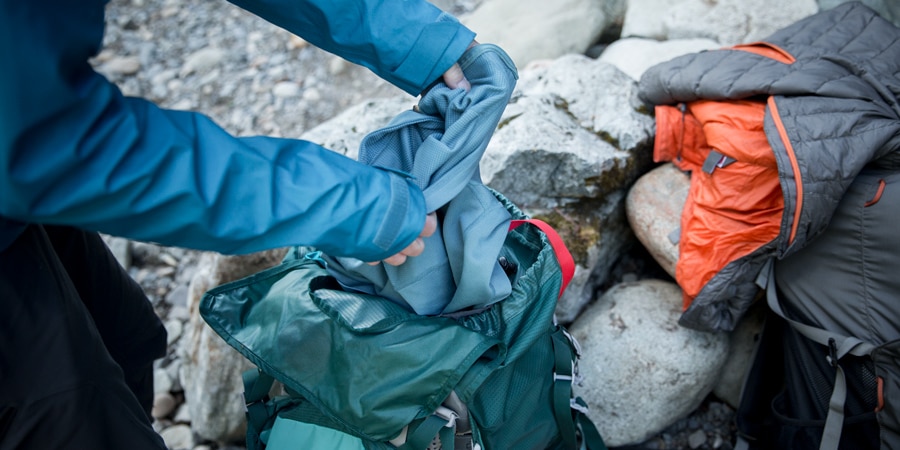
Conditions can abruptly turn wet, windy or chilly in the backcountry or an injury can result in an unplanned night out, so carry extra clothes beyond those required for your trip.
Most people think to pack an extra layer on winter hikes and ski tours. But in spring and fall—the most dangerous seasons for exposure, says Klingemann—recreationists often skip the extra layers. That’s a problem in unexpectedly cold or rainy weather, when people wearing summer-weight clothing risk hypothermia. “Wet shoulder-season conditions can make people much colder than they’d be in drier winter weather,” Klingemann says.
For shorter trips, consider tossing a windbreaker, beanie or insulated vest into your daypack. For weekend or longer trips, consider an extra top or bottom base layer, extra socks and the options below.
Fleece or puffy jacket: A fleece keeps you warm when it’s wet, but down jackets lose their insulating value once soaked. Synthetic puffies are a better choice for soggy weather.
Waterproof jacket and pants: Beyond keeping you dry, these layers also help hold in body heat, which is helpful when you’re stopped in chilly conditions.
Hat: Ounce for ounce, there’s no clothing more effective than a hat for maintaining body heat. In mountain locations, which see abrupt weather changes, a warm beanie is worth bringing on every excursion, even short ones.
Frequently Asked Questions
We asked Doug Klingemann, Incident Commander for Routt County Search and Rescue in northwest Colorado, to provide some straight talk on the Ten Essentials.
Aren’t the Ten Essentials overkill for most outdoor situations?
When I’m recreating close to town, I don’t carry everything on the list. But I take nearly everything, and when I head into more remote areas where weather changes are possible or gear might malfunction, I do carry something to fulfill every element of the Ten Essentials.
Is it better to carry a paper map than a smartphone for navigation?
Actually, smartphones are really useful tools, not just for mapping (though, it’s important that you know how to use the mapping apps) but also for communicating with emergency services, because the phone [can often provide] your exact location to responders. For trips into the backcountry, I bring both.
How do you call 911 when you have no cell service?
In an emergency, you should try dialing 911 even if your phone indicates no coverage. That’s because your phone remains capable of communicating with other towers from competing carriers that are within range, and for 911 calls it will connect you even when your provider indicates you have no service. If your call doesn’t go through, try texting 911 instead.
Which is more useful as an extra layer: a fleece or a waterproof shell (jacket)?
It depends on the forecasted weather, but generally, I’d go with the shell. It’s more versatile and will keep the wind off you, as well as rain or snow.
Are the Ten Essentials more important in winter, when the weather is harsher?
Carrying items that satisfy the Ten Essentials is worth doing in every season, whenever you go into locations where help isn’t easily accessible. What’s not well-known is that the times of year when exposure is most dangerous are spring and fall, when people are likely wearing lighter weight clothes, but wet conditions can make them very cold.
Do I really need to pack a shelter every time I leave town?
Reflective blankets and even the clothing you wear, like a waterproof jacket, can serve as shelter, especially on trips that aren’t super remote.