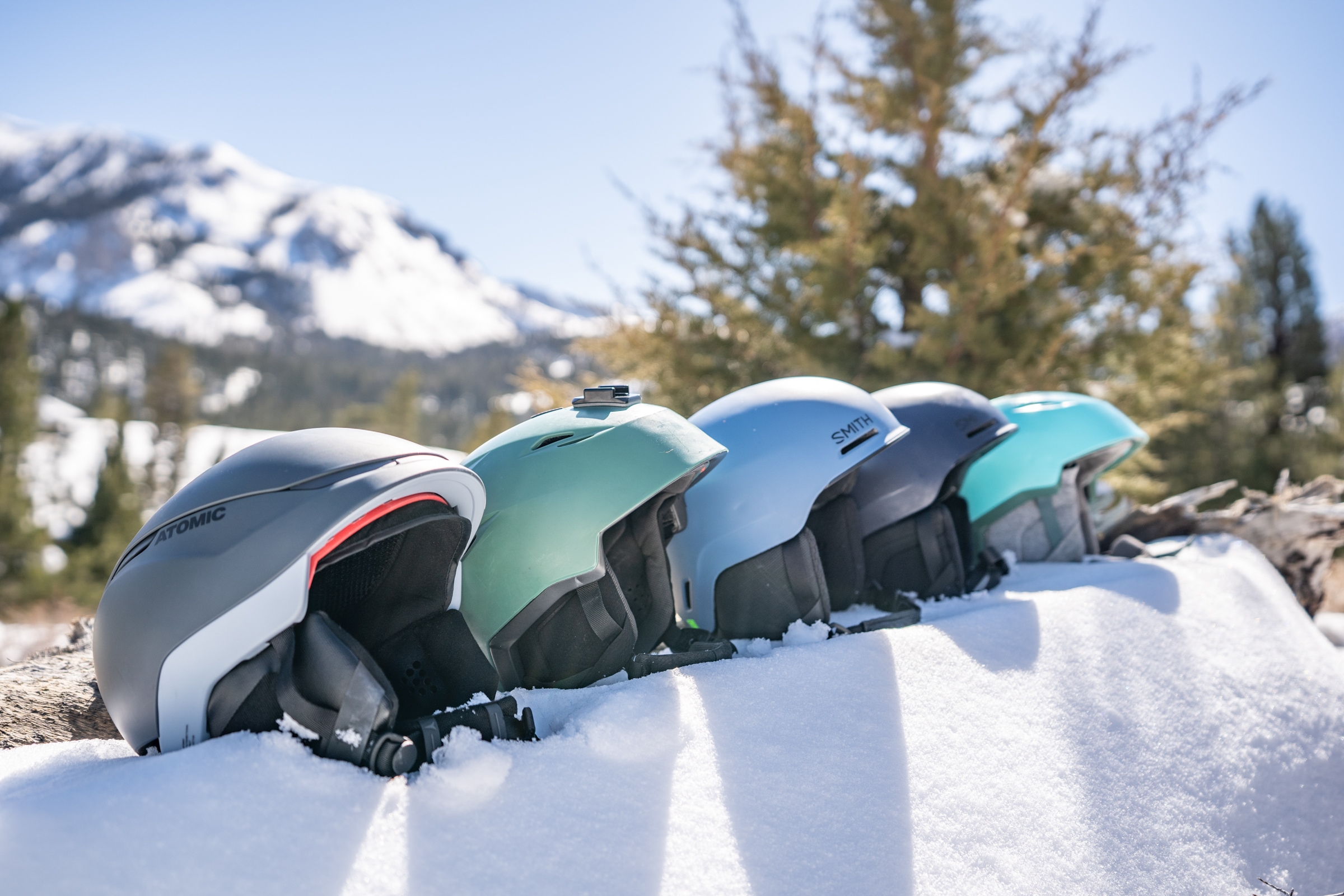
Call us hard-headed, but we don’t consider helmets optional. No matter if you’re a skier or boarder, rookie or veteran, crashing is an occupational hazard on the slopes. The best options don't just protect your head, they're also comfortable, stylish, well-ventilated and warm. Long story short: There’s no reason not to wear one.
While buying a ski or snowboarding helmet is a no-brainer, finding for the right model for skiing or snowboarding can be dizzying. Fortunately, our test team of hard-charging skiers and snowboarders tested over 24 of the top helmets available at REI over several seasons and narrowed down our top-rated helmets for every budget and riding style.
Before we dive headfirst into our favorite helmets, a quick note: Our testers are real skiers and snowboarders—not crash test dummies. We ask them to evaluate helmet features like comfort, fit, ventilation and goggle compatibility. We do not ask them to risk life and limb by purposefully putting protective tech to the test. As such, when discussing safety features, we rely on third-party data and technical specifications.
The 7 Best Ski Helmets of 2025: Test Results
Find our quick recommendations here or read on for the full reviews.
- Smith Vantage Mips Snow Helmet — Editors' Choice Award Winner
- Atomic Revent GT AMID Snow Helmet
- Smith Method Mips Snow Helmet
- Giro Ledge Mips Snow Helmet
- Smith Summit Mips Backcountry Snow Helmet
- Smith Glide Jr. Mips Snow Helmet - Kids'
Jump to Buying Advice and Methodology.
Editors' note: We updated this article on Dec. 3, 2025, to include the Smith Method Pro.Best Overall Snow Helmet & Editors’ Choice Award Winner


Smith Vantage Mips Snow Helmet
Score 90
Helmet Construction Hybrid
Shell material ABS hybrid with Koroyd inserts
Vents 21
Sizing Men's S, M, L, XL; Women's S, M, L
Weight 1 lb. 1.5 oz. (Men's medium)
The best helmets are the ones that you can wear all day long, all season long and Smith's Vantage Mips® is exactly that. It's one of our most popular all-mountain offerings for good reason—the brimmed helmet supplies noteworthy tech, excellent ventilation and comfort bell-to-bell.
Comfort features: The Vantage scores high in the comfort category thanks to several features, among them a hybrid ABS construction with Koroyd inserts (more on the latter below) that keeps weight to a minimum—no bobblehead vibes here. A Wasatch County, Utah, tester appreciated the handy goggle retainer and the "extra-large pad" on the buckle strap, which offers maximum comfort once you're all bundled up to shred. After two back-to-back seasons and adventures big and small in the Vantage, he summed it up: "It's one of the comfiest helmets I've owned." A padded, antimicrobial liner helps the comfort cause, adding ample cushioning and reducing sweat-induced stink, while plush, audio-compatible earpads keep the ears warm on bitter, blizzard days.
Easy ventilation: "Not only do the earpads add welcome warmth on subfreezing storms, but they're removable, making the Vantage ready for spring use too," reported our Lake Tahoe area, California, snowboarder. If removing the earpads allows skiers to open the windows, the primo ventilation system lets them crank the AC. Our Utah-based rider raved about the Vantage's 21-vent AirEvac system, judging it easy to use and extremely effective. "Slide the two tabs forward to stay cool on those spring groomer days," he said. "Slide the two tabs back for those deep days to help keep the wind and snow out so you can stay warm and ride longer."
The Vantage sports Mips technology—a thin, plastic, low-friction insert that reduces rotational forces caused by angled impacts to the head (our testers always gravitate toward Mips or similar technology when possible). But Mips isn't the only tech at play in the Vantage. Zonal Koroyd inserts—the rows of welded, strawlike tubes on the top of the helmet—crumple instantly and consistently to help absorb the force of both direct and angled impacts.
Tester feedback: Our testers had only two critiques for this all-star helmet. One found the brimmed style a little outdated. Also, a splitboarder reported that while the helmet is lightweight and well-suited for all-day resort use, he judged it "too bulky for the backcountry." Buy here.
Bottom Line: For skiers and boarders who want noteworthy tech, a brimmed style and adjustable ventilation, the Smith Vantage Mips Snow Helmet is a solid choice.
Testing Stats:
- Days Out: 80
- Testing locations: Alaska, Utah
- Best Testing Story: "I rode the helmet all season, including every powder day up at Brighton," reported a Wasatch local who took the Vantage on a splitboarding RV trip of a lifetime to Alaska. Their crew slept on the sides of remote Alaskan passes and hiked heavy lines.


Atomic Revent GT AMID Snow Helmet
Score 90
Helmet construction Hybrid
Shell material ABS hard shell/polycarbonate in-mold
Vents 9
Weight 15.9 ounces
Best for All-mountain resort skiers and snowboarders; those who want an upgraded pick
Stylish, comfortable and stacked with safety features, the Revent GT AMID from Atomic ticks all the boxes our testers are looking for in an all-mountain helmet. Its low-profile hybrid construction combines a durable ABS hardshell with a lightweight polycarbonate in-mold interior.
Durability: Our member-tester put the helmet through its paces over multiple snow days and reported no dings or travel-related dents he’s seen in lighter helmets. (While its not as heavy as some models we tested, it’s not our first pick for backcountry touring).
Protection: Instead of Mips, this helmet features the brand’s proprietary rotational-impact protection technology: AMID, which stands for Atomic Multi-directional Impact Deflector. The helmet features a dual-density foam system—clusters of collapsible blue nodules—integrated into the helmet’s core. According to Atomic, “the added layer of lightweight, shock-absorbing foam provides a new level of brain protection no matter the impact’s speed, direction or angle." While our testers can’t verify such claims (they test on the hill, not in a lab, after all), they praised the comfort and ventilation.
Comfort and fit: “When you tighten the helmet, you’re not pressed against hard foam or a plastic liner, which can be common sources of discomfort,” explained our Tahoe-based tester who wore it on over a dozen ski days. Nine vents—including easy-to-shutter front and top vents—increase ventilation, a boon on cold and stormy powder days. Add in plush, audio-compatible earpads, a warm yet wicking merino lining, and a fit adjustment dial our Tahoe tester co-signed as “best-in-class,” and the Revent GT AMID is one of the most comfortable helmets we’ve ever tested.
Tester feedback: Two testers in Pacific Northwest appreciated how you could dial in the fit. “I found the Revent GT AMID with its merino wool liner to be extremely comfortable. This is key for me being a bald male,” our Oregon-based tester said. Though he wished the earpads had a semi-rigid backing, they kept him warm on one frigid day on the slopes. “Durability wise, this helmet is rock solid,” he adds.
“I wore it with or without a balaclava, on warm springy days, brutal Sierra storms, you name it. No matter the conditions or what I was wearing underneath, I was always comfortable,” applauded our Tahoe tester, who gave extra kudos to the padded 360 Fit System harness. “Likely the best fit system I’ve ever tried,” he concluded. Buy here.
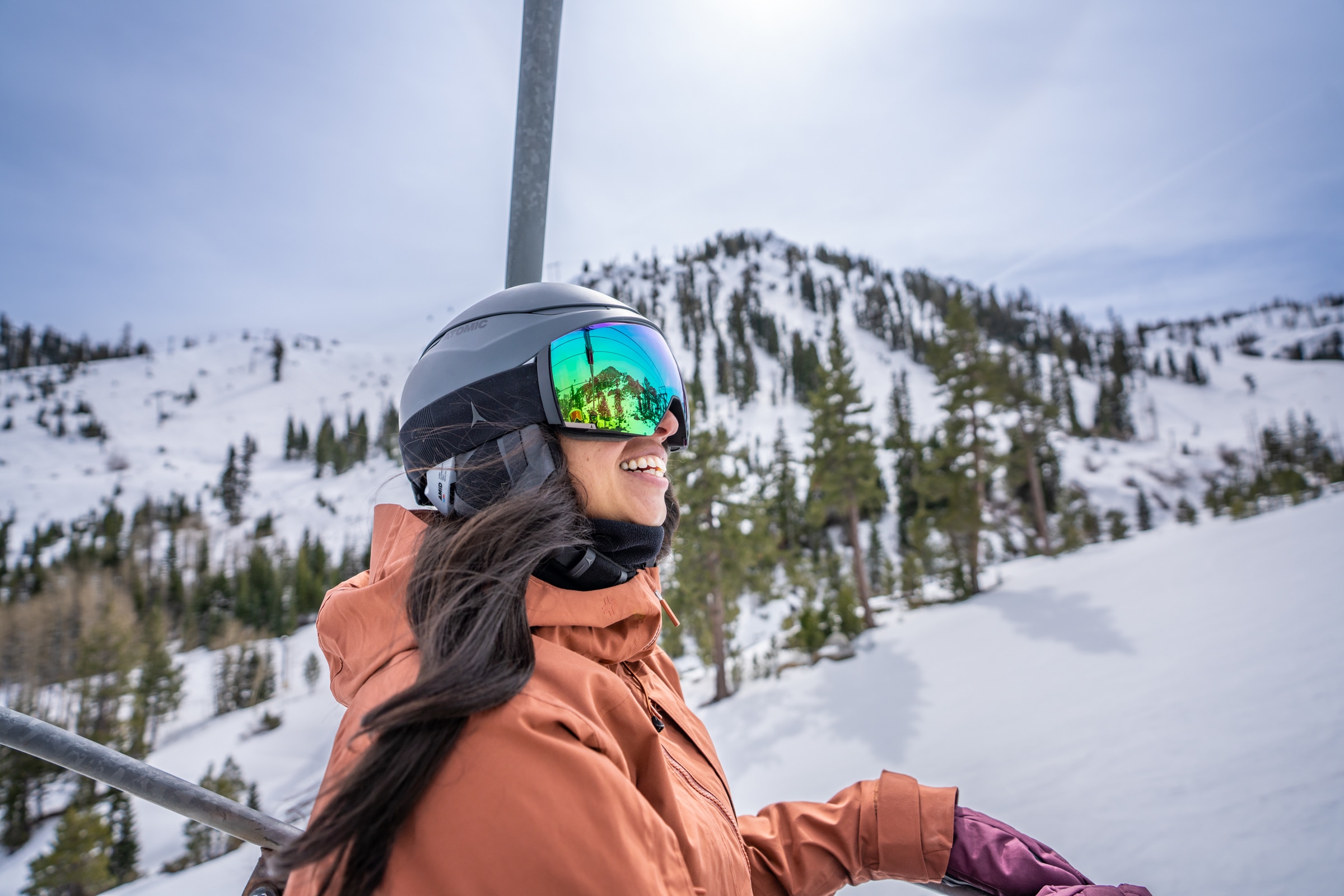
Bottom Line: Thanks to suave yet subtle styling, top-notch comfort and adjustability and a slew of protective features, the Revent GT AMID is a premium, all-mountain option for skiers and riders who want to stay protected and comfortable on the hill.
Testing Stats:
- Days out: 17
- Testing locations: California, Nevada, Oregon, Washington
- Best testing story: “There were a few days this season when I completely forgot my neck gaiter or balaclava at home, only to arrive to wet, windy or frigid temps on the hill. With the Revent GT Amid, I was able to shut the top vents to stay warm and dry. Even better, the merino liner kept my ears warm, despite the ripping winds and gnarly weather.”


Smith Method Pro Mips Snow Helmet
Score 88
Helmet construction In-mold
Shell material Polycarbonate
Vents 8
Sizing S, M, L, XL
Weight 14 oz.
We loved the Smith Method helmet when it debuted a few years ago: It’s a lightweight, low-profile, stylish and affordable helmet that performs well in both in the resort and backcountry. It remains one of our top snow helmet picks. The Method Pro, launched in 2025, is an upgraded version that features new fleece ear pads, an improved fit system (addressing our biggest gripe with the standard Method) and a faster magnetic buckle. These updates bumped the price on the Method Pro, but we found the improvements worth the extra spend.
Like the standard Method, the Pro version includes Mips® Brain Protection System to reduce rotational forces caused by angled impacts. It also has the same in-mold construction that melds a polycarbonate shell with EPS foam. While the thinner shell got dinged up in truck beds and during air travel, that lightweight build is a major bonus for backcountry touring.
Ventilation comes courtesy of eight total fixed vents: in the rear of the helmet for airflow and above the brow to minimize goggle fogging. “Really well ventilated—it controls my temperature well, and my head isn’t sweating when it’s warmer out,” says our tester in Ketchum, Idaho, who skied and rode in all conditions. One downside: The vents don’t close, so she needed a balaclava on ultra-chilly days.
Stylish profile: For on-hill aesthetics, the simple yet stylish silhouette is hard to beat. The helmet earned kudos for a flat brow that pairs cohesively with Smith goggles for a suave look and seamless functionality.
Worthy upgrades: All our testers found the removable, audio-compatible earpads exceptionally comfortable. The gridded fleece pattern felt as warm as our favorite cozy mid layers. “The plush fabric keeps me warm on cool days, and the grid helps wick sweat on warm ones. Plus, they fit my Aleck headphones like a charm. My favorite earpads of any helmet, ever,” says our Lake Tahoe snowboarder who has tested dozens of helmets over the years. That said, another tester reported that the fabric could wet out on high-moisture Sierra storm days.
We snapped out the pads on spring resort days and sunny backcountry tours when we needed to fit a brimmed cap beneath our helmet. However, one tester note that while the Method Pro fit him perfectly with the earpads in, the fit was looser without them, and he subsequently wished the fit dial tightened more than it did.
The adjustable fit is another major upgrade from the original Method's fixed fit system. “I can adjust the fit one-handed while bombing groomers if I want to, no need to stop and take my helmet off,” says our Tahoe snowboarder. Our Idaho tester called the comfortable, adjustable fit her favorite feature.
The final update from Smith? A magnetic buckle that testers found easy to operate one-handed with gloves or mittens. “So much easier than a normal buckle,” sums up our Idaho tester. Buy here.
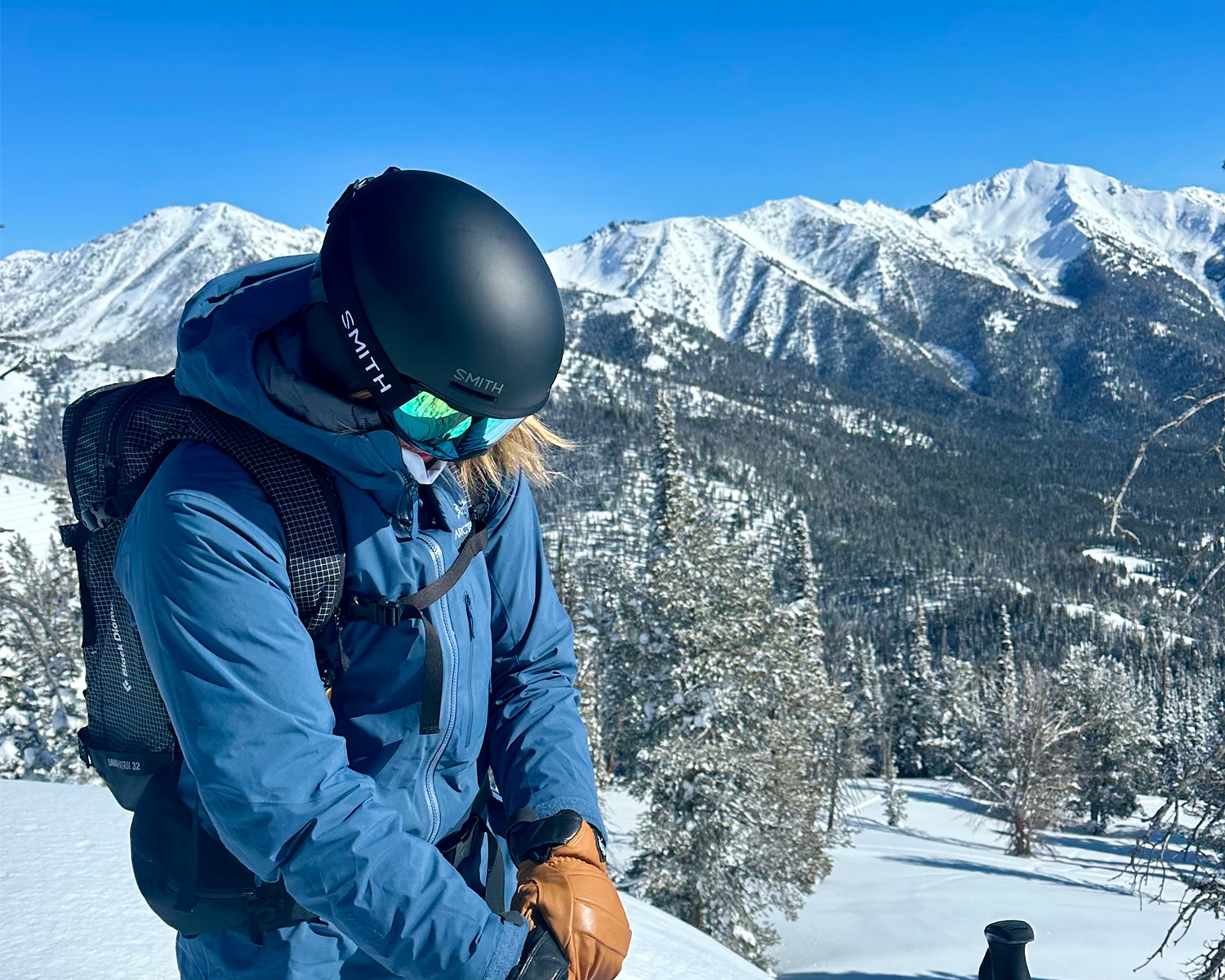
Bottom Line: The Smith Method Pro is a lightweight, versatile and stylish helmet that can handle both resort and backcountry settings. Three key upgrades make this version more comfortable, adjustable and easy-to-use. According to our member-testers, those improvements are worth the higher price.
Testing Stats:
- Days out: 112
- Testing locations: British Columbia, California, Idaho, Nevada, Utah and Wyoming
- Best testing story: “I got food poisoning from a questionable bratwurst the night before a backcountry tour on Teton Pass. I was sick until 1 am and had to get up at 6 to meet the crew in the lot. Not ideal. It was also subzero out, and one of my touring partners bet that I wouldn’t last 20 minutes on the skintrack, but there was a foot of powder, and there was no way I was missing out. I soldiered through and ended up having one of the best backcountry days of my season, riding sheltered, deep tree laps and caked pillows all day long. I was so stoked to have the Method Pro strapped to my backpack that morning—it’s so lightweight on the uphills you hardly notice it’s there. And when it was time to drop in, I felt comfortable and secure. Most importantly, I knew I looked as sick as I’d felt a few hours before.”


Smith Method Mips Snow Helmet
Score 87
Construction In-mold
Shell material Polycarbonate
Vents 8
Weight 14 ounces (men's medium)
Best for Resort and backcountry versatility
If you're looking for one helmet that can handle everything from the terrain park to the national park without breaking the bank, look no further. Method, the newest helmet from Smith, is a lightweight, Mips-equipped offering that supplies skiers and riders with solid style, bell-to-bell comfort, audio compatibility and resort-to-backcountry versatility.
Lightweight: In addition to its sleek style, the Method's negligible weight wowed our test crew. The men's medium weighs just 14 ounces, on par with the Smith Summit, our favorite pick for uphill pursuits. That weight makes the Method ideal for the splitboarder or backcountry skier who wants minimal weight in their pack.
Smith helps keep the in-mold, polycarbonate-shelled Method's weight to a minimum by incorporating Zonal Koroyd® coverage, its lightweight impact-protection technology. Koroyd's network of tubular cells is designed to crumple, absorbing force upon impact. The open cells also help channel airflow through the Method's eight fixed vents.
Fit adjustability: Our testers' biggest gripe is with the fit. At this price point, you won't find a BOA dial for micro adjustments like in pricier models. Instead, a plastic harness snaps into the inner foam liner of the helmet. "There are only three fit settings, and you can't adjust fit without taking off your helmet," he reported.
Features: The Method gets additional kudos for the removable, comfortable and audio-compatible ear pads. "I tested them with the Aleck audio system and was able to quickly pop in the headphones on the gondola," our tester says.
Trade-off: Ventilation isn't the Method's strongest suit. "The eight fixed vents were sufficient for most riding conditions, but you can definitely get cooked while bootpacking or in sunny spring shredding," says our lead tester. Still, the Method is more versatile than the Summit since it can be comfortably used in bounds and out and comes with Mips.
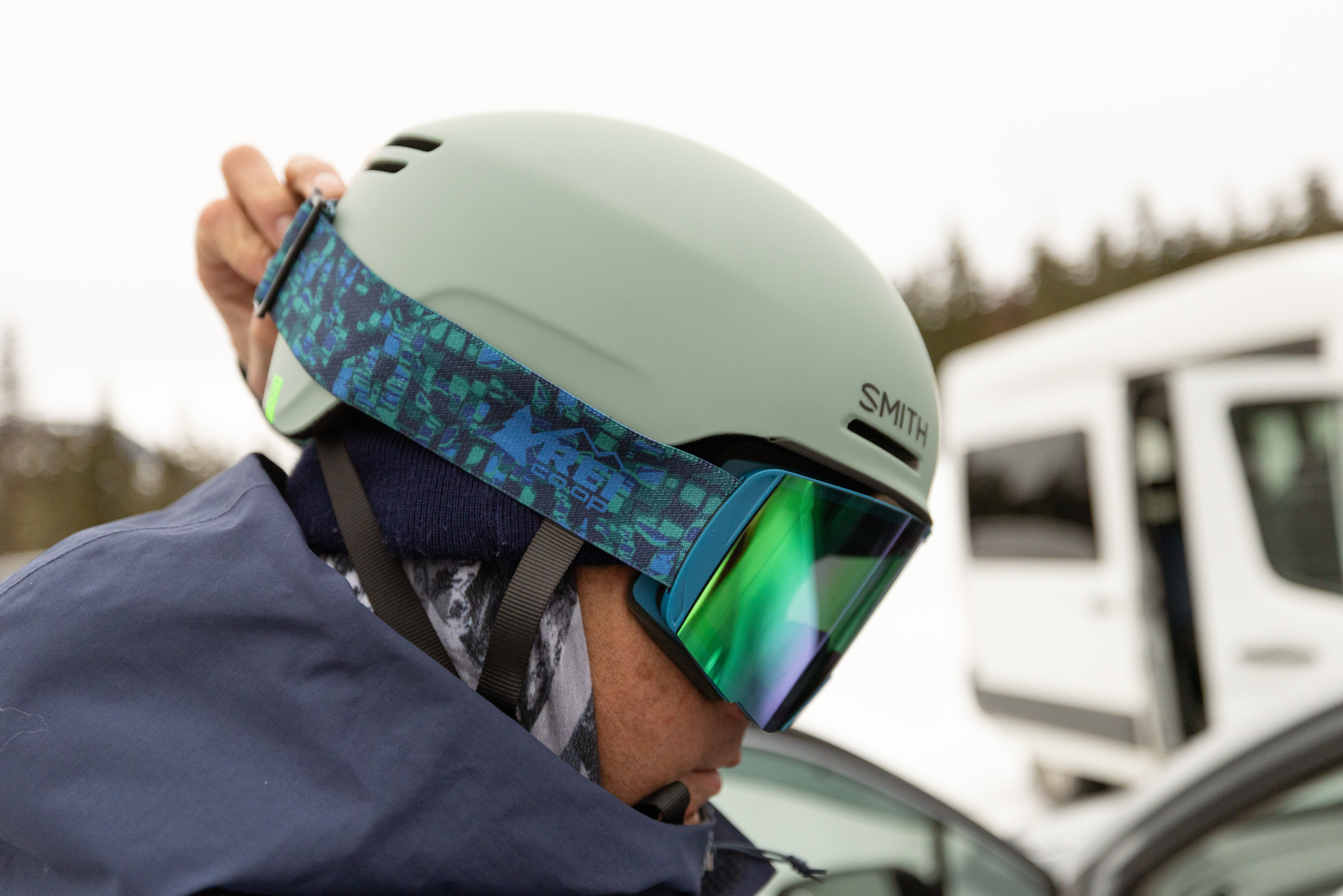
Bottom Line: The Smith Method helmet is a value pick if you’re looking for a stylish, do-it-all lid that can handle resort riding and backcountry travel alike.


Giro Ledge Mips Snow Helmet
Score 86
Helmet Construction In-Mold
Shell material Polycarbonate
Vents 9
Weight 1 lb. 1.6 ounces (Medium)
Best for Those looking for a value or like the skate-style silhouette
The Mips®-equipped Ledge by Giro is our top pick for best value ski or snowboard helmet. Thanks to its skate-inspired outline, minimalistic build and understated style, it's also a great choice for terrain parks too.
Our Colorado-based tester was familiar with the Ledge even before putting it to the test for this review. "With Mips, a Boa®-like dial, a secure-but-barely-noticeable fit and the versatility to wear your goggles over or under (even the goggle clip is removable if you choose not to use it), this helmet is pretty darn hard to beat for the price," he commented.
Clean, simple design: Style was a major plus for another tester, who appreciated that the Ledge "doesn't look like one of those high-performance space helmets." The clean, simple design has functional advantages too: "It integrates with a wide range of goggles, so no dreaded forehead gap," he said after testing with goggles.
Dialed-in fit: Adjustability was a key selling point as well. Our crew liked the option to raise or lower the height of the dial. "This gave the helmet some extra versatility in dialing in your fit," said one tester. If you like to rock a beanie beneath your helmet or prefer to ride without ear flaps, both liner and ear flaps are easy to remove, allowing you to further tweak your kit. That said, our tester did mention that he prefers a helmet that sits lower on the temples, ears and especially the occipital bones, but confessed he hardly noticed the helmet while riding—"exactly what you want in a helmet."
Trade-off: One other tester grievance: The minimalistic vents of the Ledge are adequate, but there's no option to close them, which can be a nuisance on powder days. It's easy to overlook these demerits, though, based on the Ledge's attractive price and performance that punches above its pay grade. Buy here.
Bottom Line: Affordable, stylish and secure, the Giro Ledge Mips Snow Helmet punches above its pay grade for skiers and snowboarders on a budget.
Testing Stats:
- Days Out: 50
- Testing locations: Colorado, Oregon, Utah


Smith Summit Mips Backcountry Snow Helmet
Score 81
Helmet Construction In-Mold
Shell material Polycarbonate
Vents 33
Weight 14 ounces (Medium)
Best for Backcountry enthusiasts; those who want a helmet for alpine snow sports and mountaineering
Backcountry skiers and splitboarders sometimes shred no-fall zones in climbing helmets that aren't rated for downhill skiing, or they climb couloirs in ski helmets that aren't certified for rockfall—both sketchy practices. The triple-certified Summit Mips® from Smith is a solution to the problem. It's lightweight, well-ventilated and certified to standards for alpine snow sports and mountaineering. (All ski and snowboard helmets sold at REI Co-op meet the most common U.S.-based standard for snow helmet certification, known as ASTM F2040, but most are not rated for mountaineering). Learn more in our Buying Advice section.
Built for ascending: A hybrid of climbing helmet and ski helmet, designed with input from renowned Smith backcountry skiers Cody Townsend and Hadley Hammer, the Summit Mips is at its best going uphill, according to a skin track slayer in our test crew. "At [14 ounces] for a medium, it's extremely light, and the easy-to-use Boa® adjustability system nests into the helmet for compact carrying," he reported. "More importantly, 33 vents supply enough airflow that you won't hate wearing this helmet on prolonged climbs when rockfall is a concern, or if you're booting behind a speed demon and chunks of snow are raining down from above." He appreciated that the helmet was designed with billed hats in mind for sunny sojourns, as well as the headlamp compatibility for dawn patrols and the included beanie liner for gnarlier weather.
Safety tech on the downhill: For the descent, the Summit taps Zonal Koroyd tech and a Mips liner to help mitigate against rotational forces. It's an impressive array of armor given the compact package.
Tester feedback: Testers agreed that uphill is where the Summit shines. "It's by far my favorite helmet for uphill travel—which is 95% of backcountry skiing when you think about it," reported one Tahoe backcountry regular.
Trade-offs: The summit is a more minimalist helmet than others in our lineup, and it doesn't wrap as low on the back of the head as other more downhill-oriented helmets we've tested. Buy here.
Bottom Line: A helmet certified for both snow sports and mountaineering, the Smith Summit Mips Backcounty Snow Helmet shines on the uphill with plenty of ventilation and other features.
Testing Stats:
- Days Out: 13
- Testing locations: California, Nevada


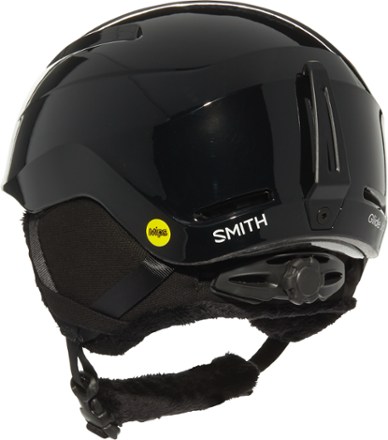
![Glide Jr. Mips Snow Helmet - Kids' [Goggles sold separately.]](/media/521a479e-22e4-4554-815b-587fd64a55c7/?size=440)
Smith Glide Jr. Mips Snow Helmet - Kids'
Score 85
Helmet Construction In-Mold
Shell material Polycarbonate
Vents 8
Gender Unisex
Sizes YXS, YS, YM
Weight 12 oz. (YM)
Best for Kids
Buying Advice
When shopping for helmets, pay attention to sizing, fit, goggle compatibility, certifications, special features and intended use.
Size and fit your helmet carefully.
If possible, visit your local ski/snowboard shop like REI to try on helmets in person. If you’re purchasing a helmet online, we recommend measuring the circumference of the largest part of your head by wrapping a measuring tape above your ears and eyebrows, then consult the size charts for the brands you’re considering. Getting your exact measurements is key as manufacturer sizes differ—you might be a medium in one brand but a large in another. You want a comfortable fit that doesn’t have any wiggle room, but you shouldn’t notice any pinching or pressure points, either. Remember: You want to wear this all day long.
While we’re talking fit, it’s important to note that what works for a tester might not work for you. Fit preferences range from skier to skier and head shape to head shape. Also, if you own goggles, those goggles might not be compatible with a specific helmet. Between goggles, head shape and personal preferences, we highly recommend trying helmets on in person.
Try helmets on with goggles.
Treat your goggles as part of the helmet-purchasing puzzle. Bring your goggles with you to the store or try your goggles on with your helmet once your online order arrives. There shouldn’t be a gap between your goggle frame and helmet brim. Also, check for pressure points from the helmet pushing into your goggles—this can occur at the corner of the frames, especially with oversized goggles. A seamless goggle fit doesn’t just look better on the hill—it feels better too, especially when you’re skiing fast in cold conditions.
For more on helmet sizing, check out our guide on How to Choose Ski and Snowboard Goggles.
Pay attention to certification standards.
All ski and snowboard helmets sold at REI Co-op meet the most common U.S.-based standard for snow helmet certification, known as ASTM F2040. Some also meet CE EN1077 standards, the European equivalent. (These certifications cover nonmotorized recreational snowsports). Helmets like the Smith Summit Mips are also certified to EN 12492 standards for mountaineering. For more on helmet certifications, read How to Choose Ski and Snowboard Helmets.
Focus on features.
In addition to keeping size and fit at the top of mind, it’s smart to consider features when shopping for a helmet. If you tend to overheat, the Smith Vantage is hard to beat thanks to its 21 adjustable vents. If you’re interested in mounting a GoPro, a smooth surface like that of the Giro Ledge will make mount installation easier. If you prefer not to wear a balaclava while riding, warm, comfortable earpads like the ones found on the Smith Method Pro are worth considering.
Backcountry bound? Shop with weight, ventilation and certifications in mind.
Backcountry travelers have a specific set of needs and should shop accordingly. Do-it-all helmets like the Smith Vantage or the Atomic Revent can handle in-bounds riding and backcountry shredding alike, but they’re on the heavy and bulky side for touring. Lighter helmets are hardly noticeable in your pack when slogging up thousands of vertical feet in the backcountry. If you’re skinning, bootpacking and scrambling in zones where ice- and rockfall are a concern, be sure to check out a well-ventilated, mountaineering-certified helmet like the Smith Summit Mips.
Remember that helmets aren’t a silver bullet.
Even the best helmets aren’t silver bullets. Ski and ride responsibly and try not to gain a false sense of confidence just because you’re wearing a helmet.
Replace your old helmet.
Follow your manufacturer’s recommendations and, when in doubt, replace your old helmet early and often. Smith, for instance, recommends at least every five years and anytime you notice wear and tear, or after a crash. Giro recommends the same and suggests replacing a helmet every three to five years, depending on use. If you ride five days a year, this might seem low, but helmets can degrade over time—Smith recommends keeping an eye out for signs of wear like “cracks, ungluing, deformations, flaking and alterations in color.” Also, if you’re putting in 100-day seasons, you might need to invest in a new helmet more frequently. The brands featured in this guide offer crash replacement programs that may help you score a discount on a replacement helmet if your purchase is deemed eligible.
How We Test
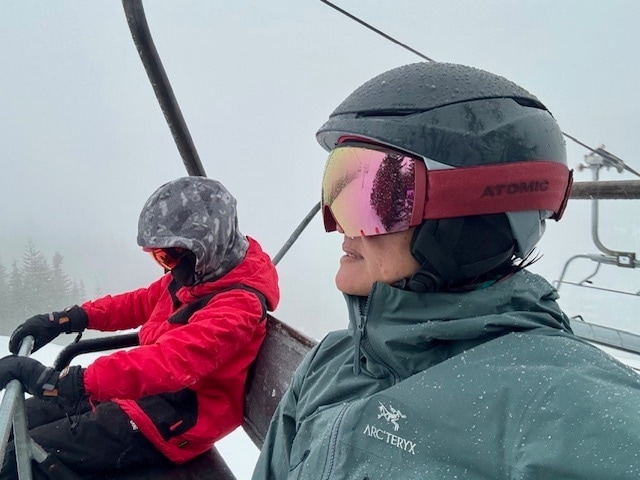
To find the best ski and snowboard helmets available at the co-op, our product team and ski and snowboard experts continually parse through piles of helmets from top-rated brands. Of these helmets, we selected more than two dozen contenders to put to the test over several seasons. These contenders included both groundbreaking new helmets and proven models our customers have rated highly over the years.
Next, over 17 testers based in California, Idaho, Utah and Washington, including women and men skiers and snowboarders, put these picks to the test to come up with the best helmets for skiing and snowboarding. Testers rode hard at the resort and in the backcountry. Testing occurred at (and near) Palisades Tahoe, Mammoth Mountain, Sugar Bowl Resort, Mount Baker Ski Area, White Pass Ski Area, Whitewater Ski Resort, Summit at Snoqualmie, Snowbird, Solitude Mountain Resort, Alta Ski Area, Jackson Hole Mountain Resort, Grand Targhee Resort, Thompson Pass and Denali National Park and Preserve.
Testers scored helmets based on the following categories: overall performance, fit, features, ventilation, sense of security, style, adjustability, comfort, durability and backcountry utility (if applicable). The scores you see are cumulative averages of these tallies, with the highest possible score being a 100. Then, the testers answered longform questions on review forms. Finally, our test director analyzed this quantitative and qualitative data, tested most top contenders himself and wrote these reviews.
Hero image and Atomic image by Katie Botwin Photography
Related reading:
- The Best Ski & Snowboard Goggles
- How to Choose Goggles for Skiing and Snowboarding
- What to Wear Skiing and Snowboarding