
Welcome to Ask an Outsider. We are here to answer your most pressing questions about enjoying time outside, like if dogs should ever be off leash on the trail, whether you have to be outdorky to be outdoorsy, whether you should bury or pack out your poop, or how to reconcile a different risk tolerance with a partner. Our advice givers are experts from both inside and outside REI Co-op who draw from their own experience and knowledge to help inform yours.
We let Mary Beth Skylis, freelance writer and REI Co-op Member since 2015, go down a well-treaded path to answer a question about chafing on long runs and rides. Skylis is a columnist for Backpacker Magazine, and has written for Trail Runner Magazine, Women’s Health, Gear Junkie and more. She’s also a seasoned adventurer herself, and knows how it feels to struggle with discomfort on your most ambitious outings.

Want to submit a question?
Send it to expertadvice@rei.com with the subject line “Ask an Outsider.” Include your name and the year you became an REI Co-op Member. Letters may be edited.
Dear Outsider,
I started training for my first marathon this spring, focusing all of my energy on growing strong and fast. My legs are ready. My lungs are ready, and my snacks are packed. But somewhere around the 10-mile mark, my thighs start to burn. Then the burning turns into a roaring fire until every stride involves searing pain until I’m left with red skin and quickly-weakening will-power. I’ve tried swapping out my shorts, and slathering petroleum jelly on my thighs. One time, I even used a deodorant stick on myself, expecting the film to reduce my thigh sweat. But nothing has successfully cured my greatest nightmare.
Is chafing the price we pay for our love of endurance sports? Or is there a way to stop the chub rub before it begins?
Signed,
Rubbed the Wrong Way, REI Co-op Member Since 2020
Dear Rubbed the Wrong Way,
First of all, you’re not alone. If endurance athletes won badges for discomfort, chafing would decorate our running vests. But the good news is that chafing is a mechanical problem—you don’t need to change anything about your body, fitness or running style to address it. Most athletes just have to find the right concoction of strategies to eliminate the burn.
Human skin is incredibly resilient—stretching, and flexing through thousands of movements every single day. But sometimes repeated motion, sweat and friction contribute to the dreaded chafe. Runners have a tendency to experience this tragedy on the inner thighs, underarms, and along the chest. Cycling also involves sustained pressure on the seat and groin, which can cause minor irritations in those areas that can develop into major discomfort later in the day. In both cases, the moisture generated by sweat softens the skin, which can make it more prone to damage when there’s repeated rubbing.
The solution isn’t to toughen up. Instead, it involves interrupting the factors that contribute to chafing in the first place. Here’s what you need to know before heading out for your next long run or ride:
Pay special attention to your clothing before you hit the road
One of the best anti-chafing strategies is to choose the right clothing before you lace up your shoes or clip on your cleats. Look for technical fabrics with wicking properties like polyester, nylon and merino wool to prevent your clothing from getting soggy since moisture can make your skin more susceptible to damage.
Colorado-based trail runner and ultrarunning coach, Laurel Walker, learned how important clothing choice can be through many years of trial and error. “I find spandex shorts are better than looser shorts,” she says. Spandex moves a lot less, and so can protect skin from rubbing against skin or fabric.

Pay attention to seams, too, since poorly-located seams can contribute to hot spots. Flatlock seams—which don’t have overlapping fabric—tend to reduce rubbing compared to high-rise seams, which can cause friction. Clothing that fits your body well is also less likely to bunch or slide with each stride. And sometimes the natural positioning of a piece of clothing makes you more likely to chafe in a certain area: “If I’m running in a tank, I need to put anti-chafe [balm] under my arms,” says Walker.
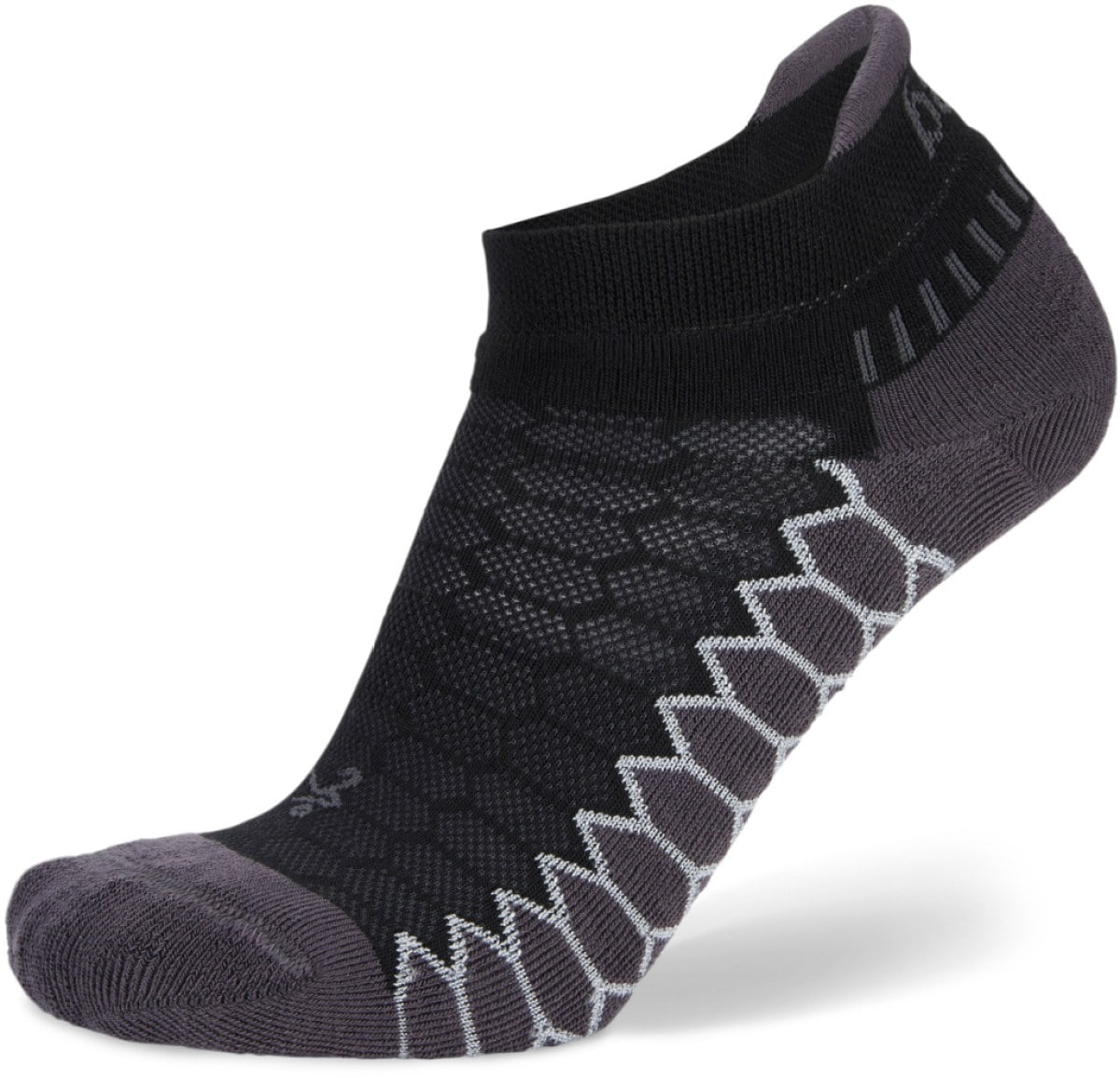
And, no piece of clothing should escape evaluation. Take a look at everything you wear from head to toe since these fabrics can make or break an endurance experience. Walker says that one common mistake that new runners make is forgetting to test their shoe and sock combination. Bunched up socks can create a mound or fold that causes hot spots. Testing this system prior to long days on the road or trail helps minimize foot chafing.
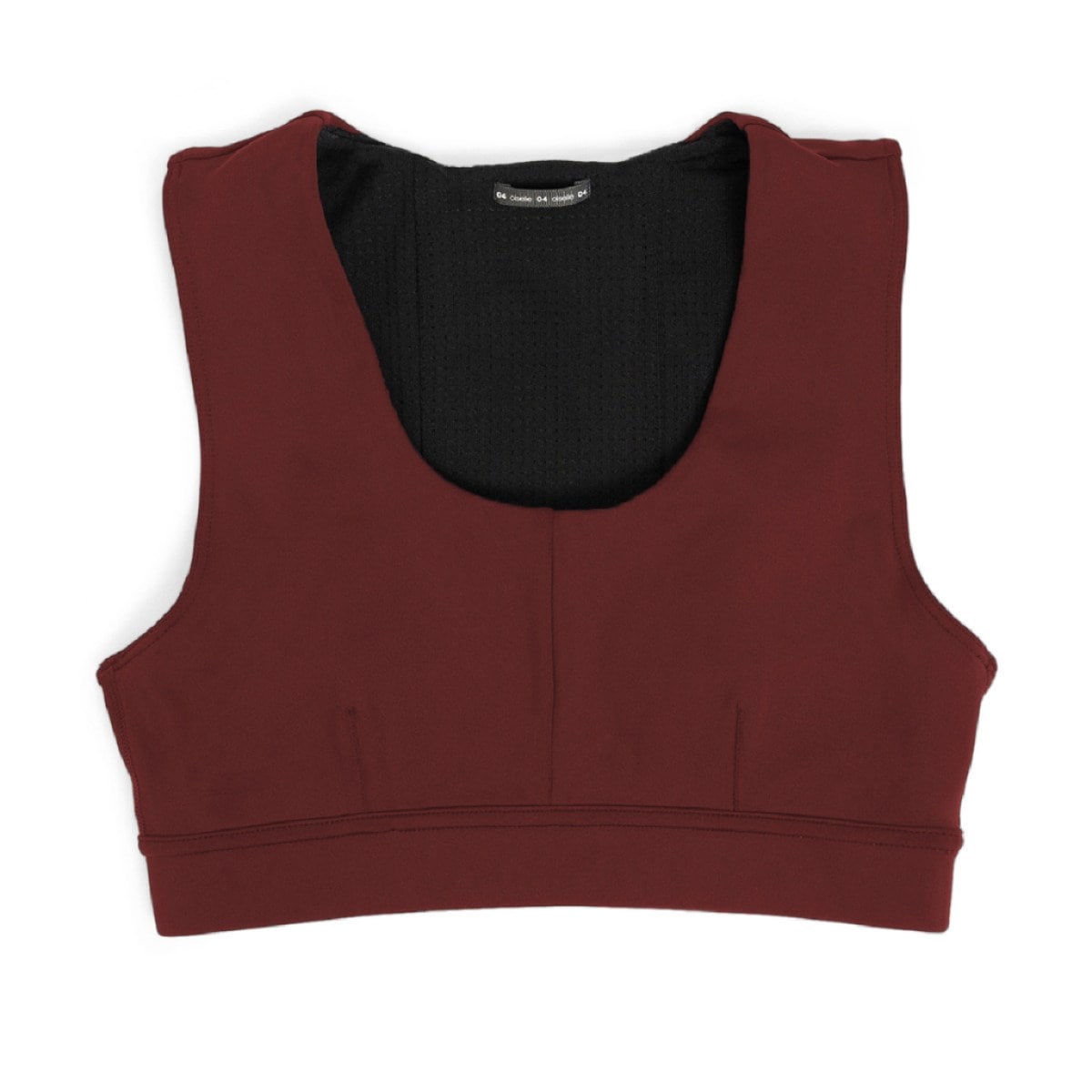
Here are some of our favorite clothes for long runs at REI:

Don’t be afraid to lubricate
There’s a reason why the running aisle in your local sporting goods store is full of anti-chafe balms. Products like Bodyglide are designed to create a protective film in high-contact parts of the body like the thighs and underarms. Unlike deodorant, anti-chafe balms are not designed to stop you from sweating or keep you smelling good—they’re formulated to reduce the amount of friction your body experiences and thus keep chafing at bay.
Walker reaches for Bodyglide when she’s preparing for a long run. “Bodyglide for Her™ is my favorite,” she says. “Squirrels Nut Butter is good as well.” In a pinch, petroleum jelly from your local drugstore can work, since it’s good skin barrier and insulating ointment—but it’s heavy and greasy, can stain your clothes, and is not as good as anti-chafe balms at minimizing friction over very long rides or runs, especially when it’s hot out and you’re sweating.
Keep in mind that the most effective body balm strategy is to apply it before your run or ride instead of after you’ve begun to notice irritation. Don’t be afraid to apply it generously over high-friction areas like the inner thighs, nipples and armpits. Runners and riders who expect to head out in hot and muggy conditions for several hours often pack a small stick or packet of balm for reapplications, too.
Cyclists: Take a hard look at your saddle
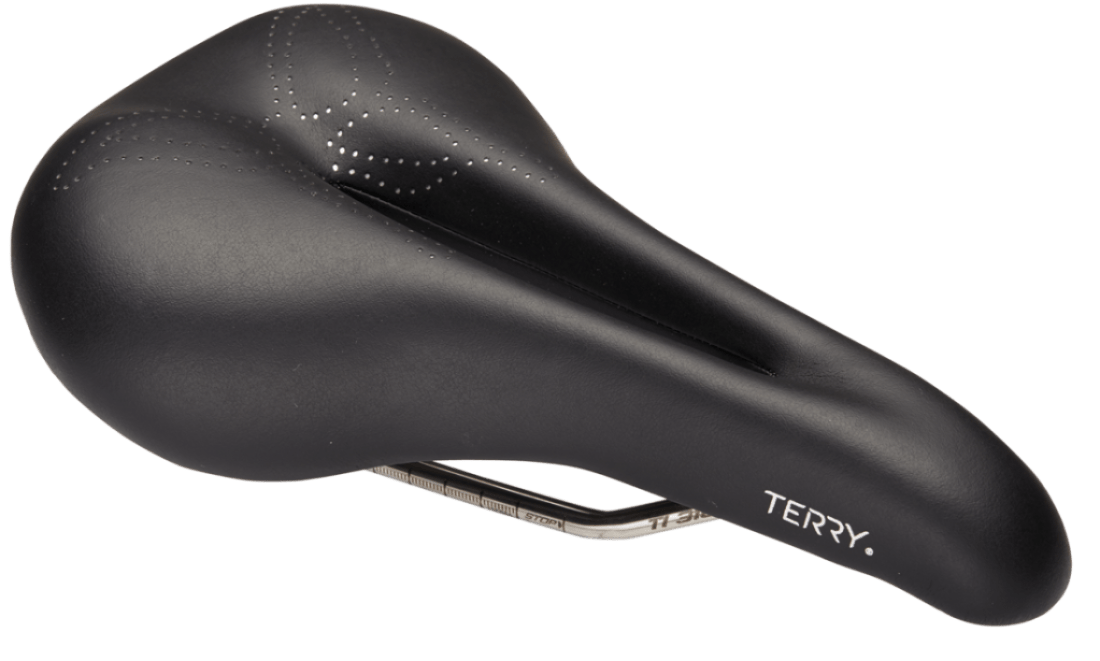
While most runners primarily experience skin-on-skin chafing, cyclists have to navigate the friction that arises from spending hours in the saddle. Even small fit issues with your bike can snowball into major discomfort, contributing to a less-than-ideal ride.
A professional bike fit can help riders to eliminate potential chafing issues by adjusting the height, angle, or even position of the saddle to reduce pressure and friction. There are even bike seats designed to minimize discomfort for riders’ specific anatomy and size. Then, adopt a quality chamois, clean shorts and an anti-chafing cream for a more comfortable ride.
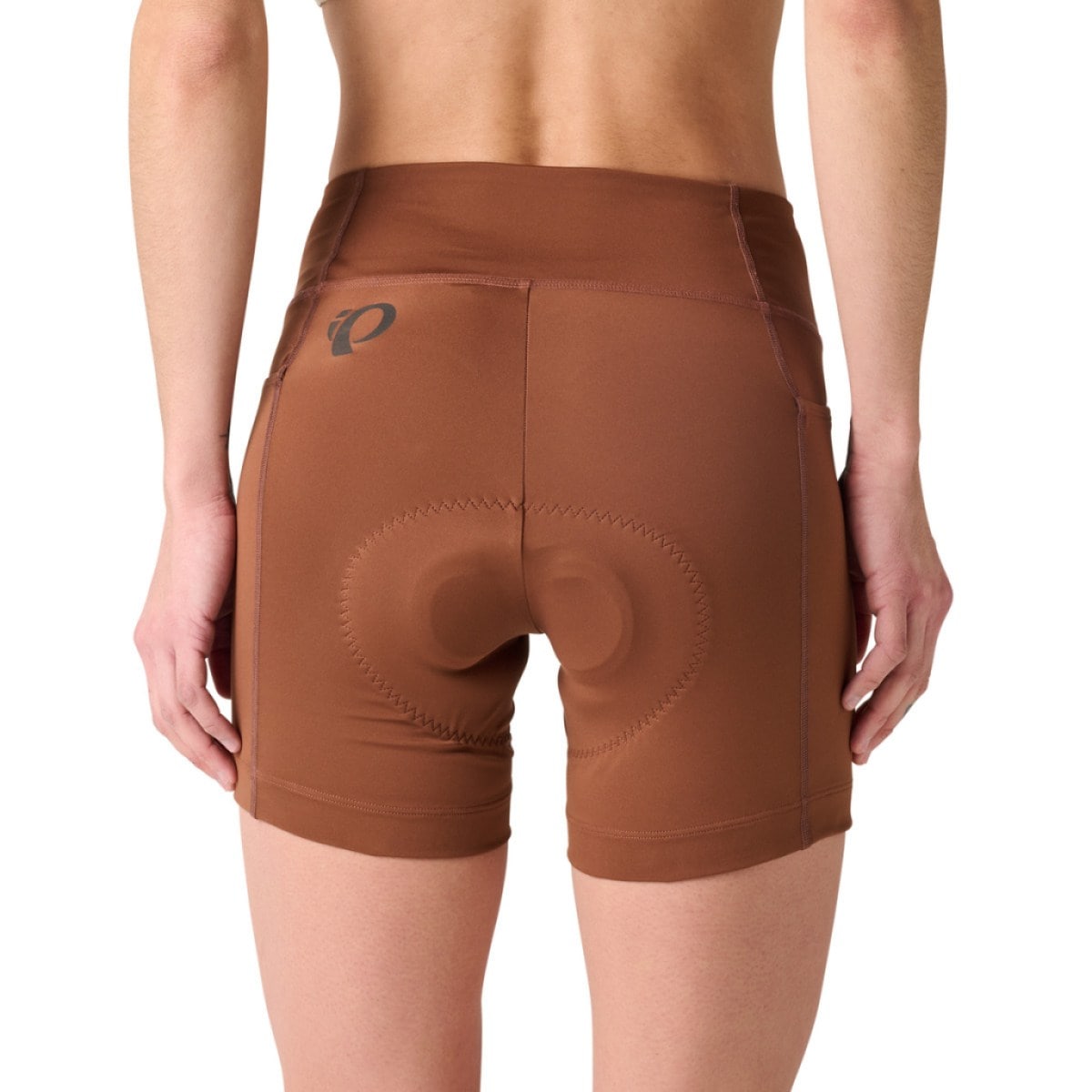
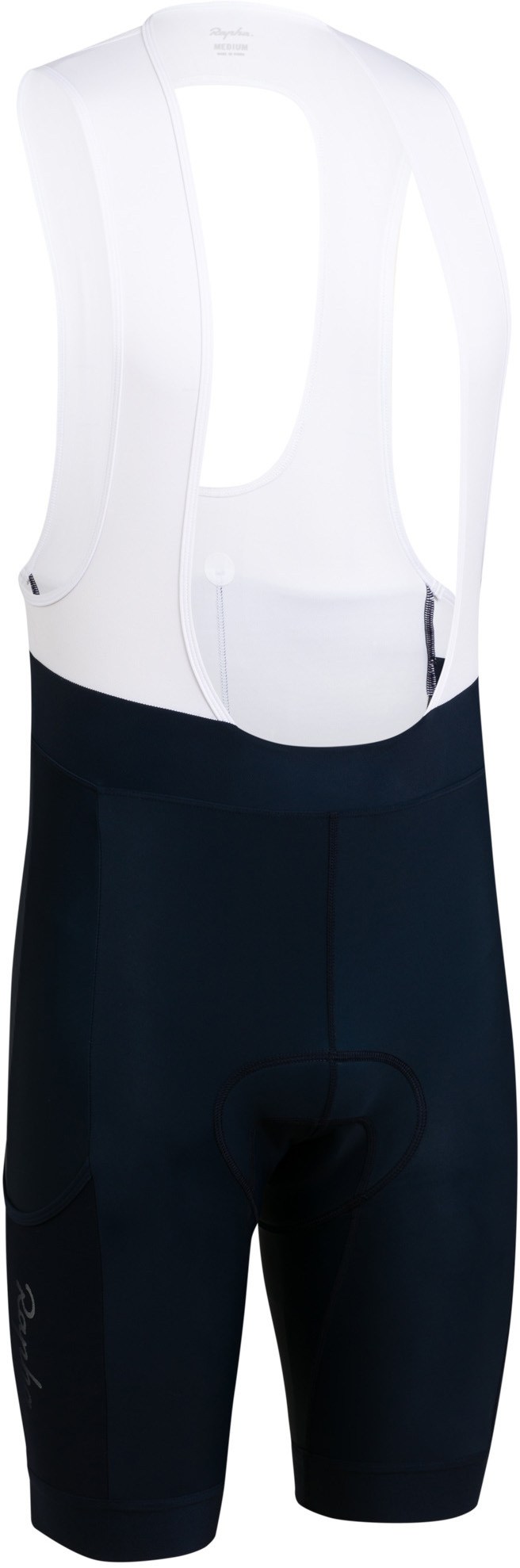
Here is some of our favorite cycling gear for long rides at REI:
Runners: Think past your thighs
Inner thighs are one of the biggest problem areas for distance runners, but they’re not the only high-wear location on the body. Sports bra bands, hydration vest straps and waist belts can cause chafing on other parts of the body; and nipples, toes, underarms, and even fingertips can also experience irritation with enough time and friction.
Walker learned that not only can chafing happen anywhere on the body, it can occur without even venturing into the elements: “My worst chafing experience was actually on a treadmill,” she says. “I forgot the fact that there’s not much airflow indoors, so the sweat stays on you.” She experienced severe chafing between her legs and in her underarms that was so bad that I had to go buy a skirt and a tank because I couldn’t wear pants or a shirt.”
While training outdoors generally results in more chafing problems than climate-controlled gyms, factors like heat, humidity and rain can all contribute to chafing issues. According to Walker, the worst combination is “rain and humidity.”
Pay attention to warning signs
Chafing is frustrating to navigate, but it rarely appears out of nowhere. Pay attention to the warning signs to prevent yourself from grimacing in pain during your long runs and rides.
Plan ahead. Even if you don’t think you’ll chafe that day, it’s always good practice to apply lubricant to any potential problem areas before a run or ride. Make it a habit to apply your lubricant to your inner thighs, armpits, toes and nipples as a pre-workout ritual.
Don’t ignore the early signals. Usually chafing starts as a hot spot, or mild irritation. The earlier you notice this discomfort, the sooner you can do something about it. Take 30 seconds to reapply a lubricant, shift your clothing or your saddle, and restart.
Ditch problematic clothing. If a certain shirt, pair of shorts or accessory continuously causes problems, it may be time to retire it from your endurance collection.
Endurance sports can be incredibly gratifying, supporting athletes to push their comprehension of their own capabilities. And dedicated endurance athletes are no strangers to discomfort. But chafing is one issue that can often be resolved with the right quiver of tricks. Take some time to get your gear right and to test different strategies prior to committing to a long ride or run. Your future self will thank you.