Some gear just can’t be replaced.
Maybe it’s a tent that’s become a home away from home, a hiking staff you carried across one of Iceland’s most challenging mountain passes or a perfectly broken-in bike saddle. Most outdoor sentimentalists have at least one item that we just can’t part with—even long after it stops performing on the road, trail or campsite.
That’s one reason REI Co-op designers make durable, dependable gear: We want it to last as long as the memories do.
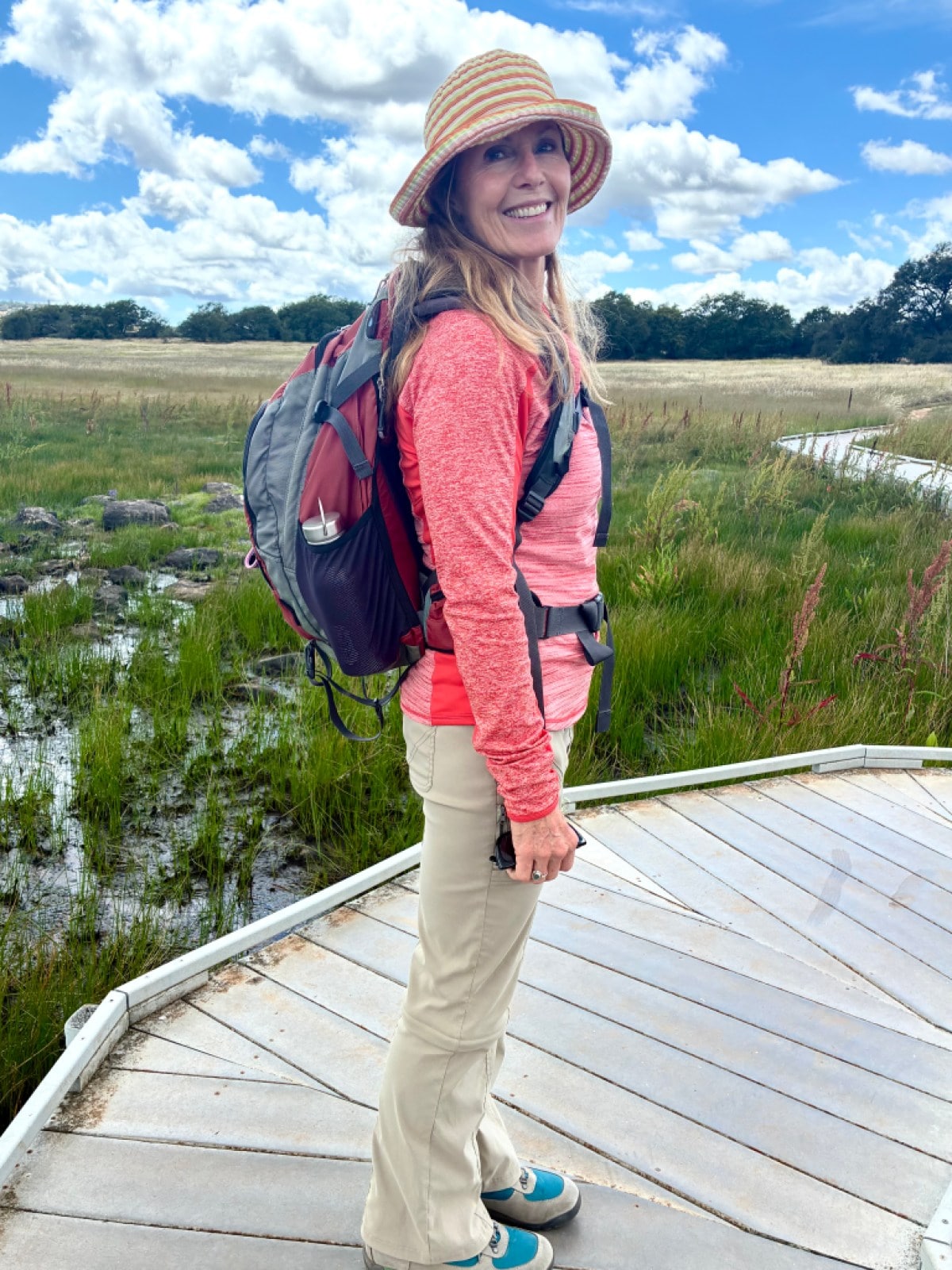
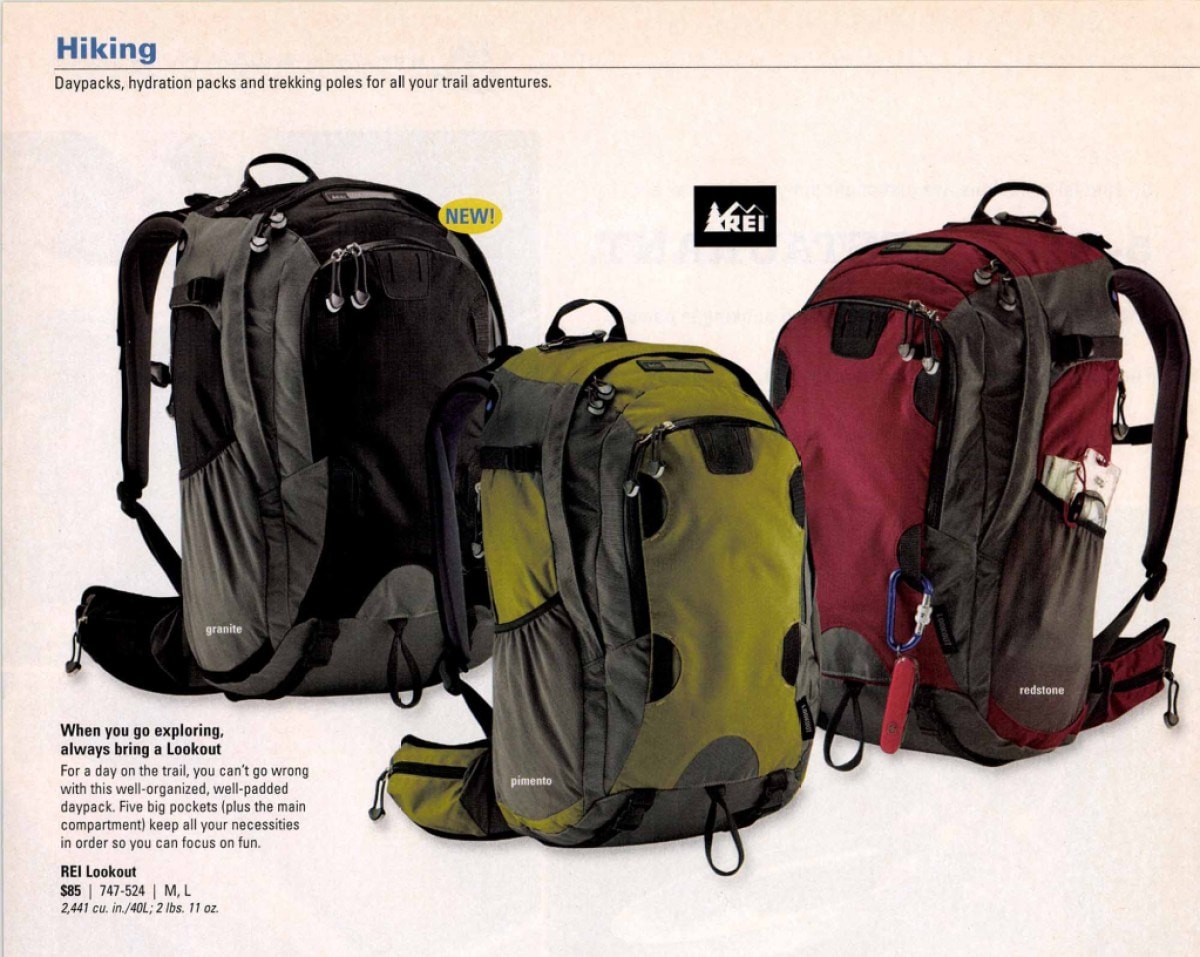
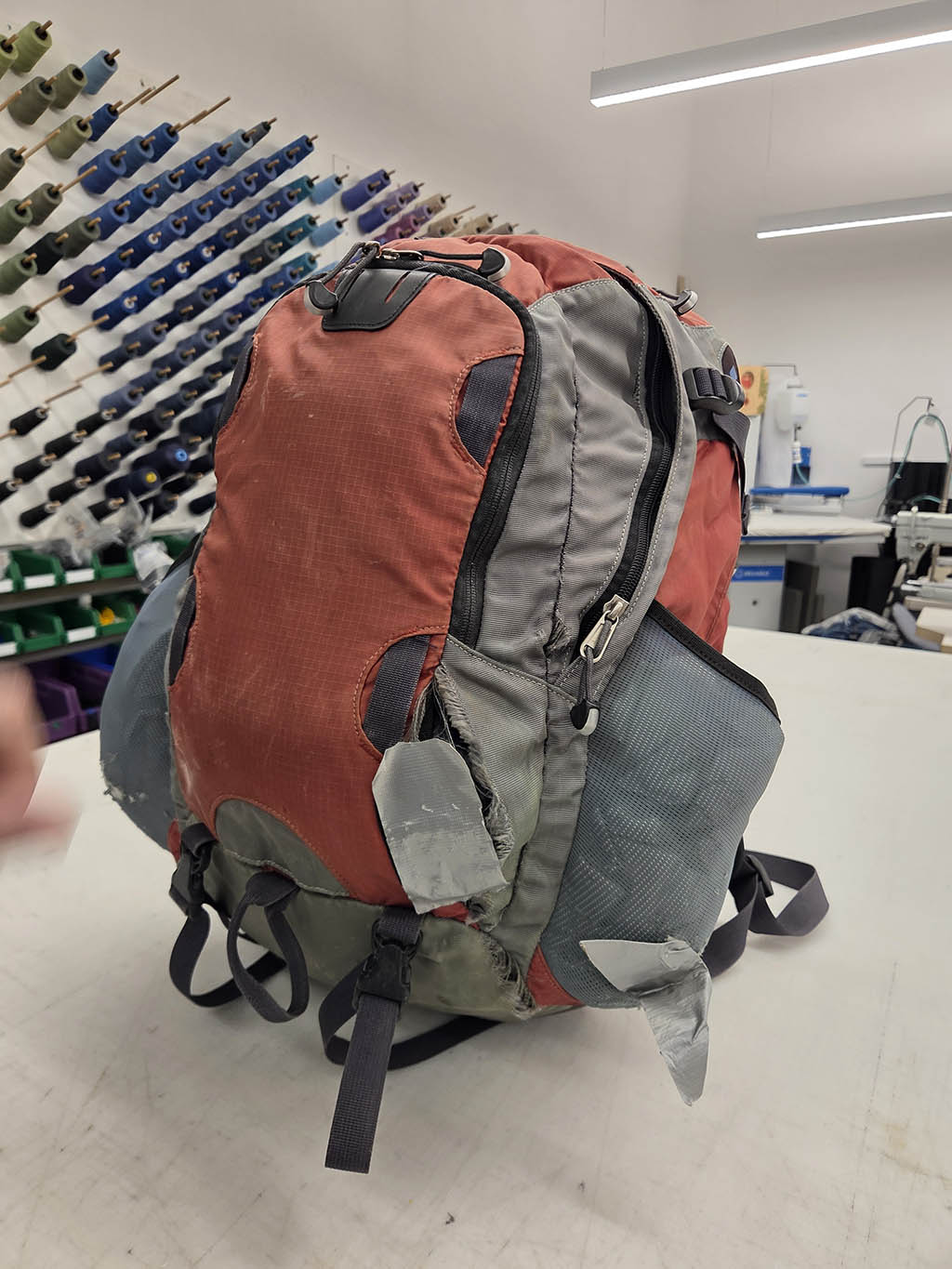
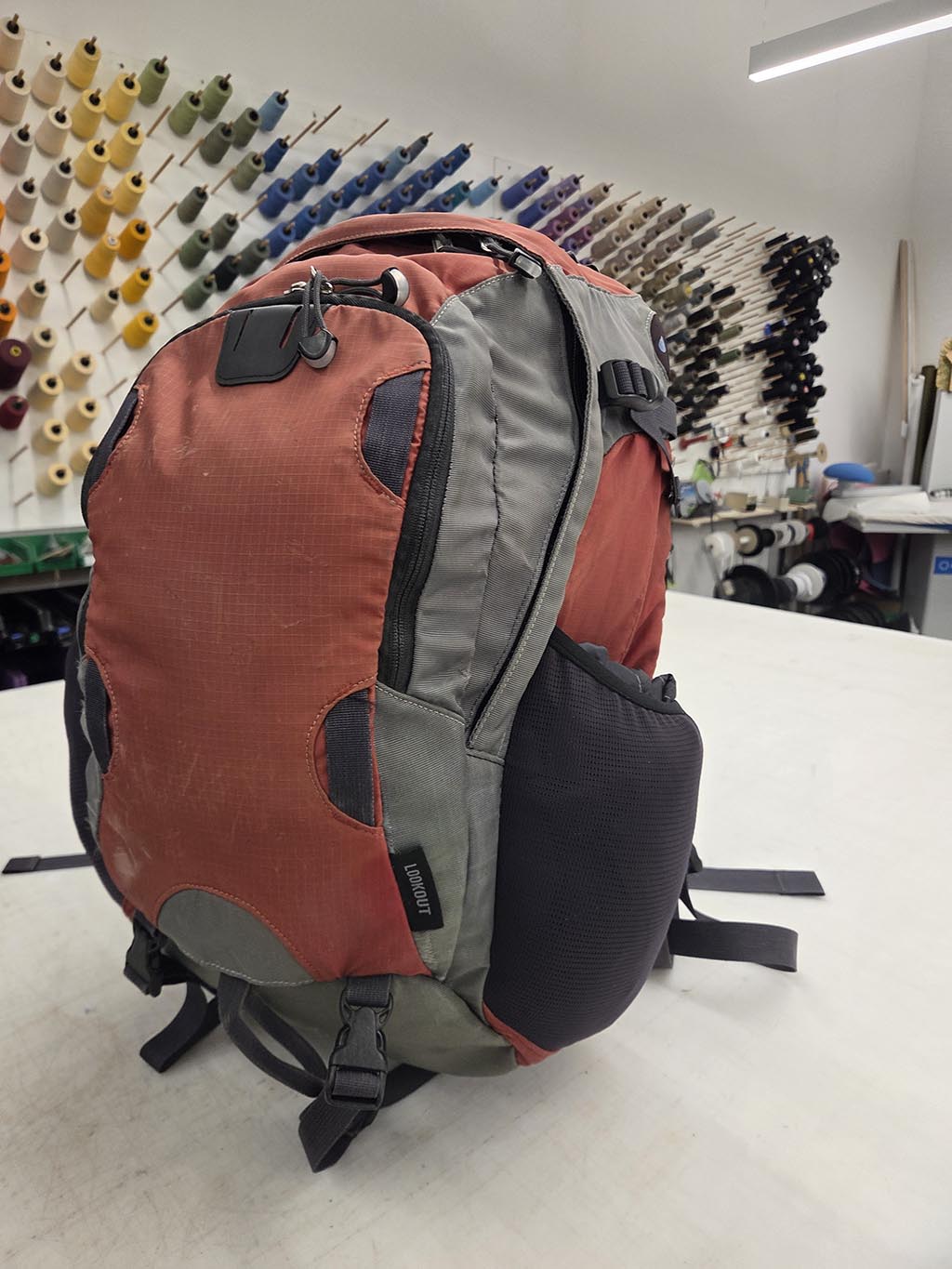
For REI Co-op Member Alison C. in California, it’s her 40-liter red REI Co-op Lookout hiking backpack, which she describes as her loyal friend. “Perhaps I have had it for 20 or 25 years,” she wrote in an email, telling her pack’s story. “I sadly must now retire it, as the side pockets are breaking through, and I have a hole in the bottom, both had to be patched with duct tape while on my last adventure.”
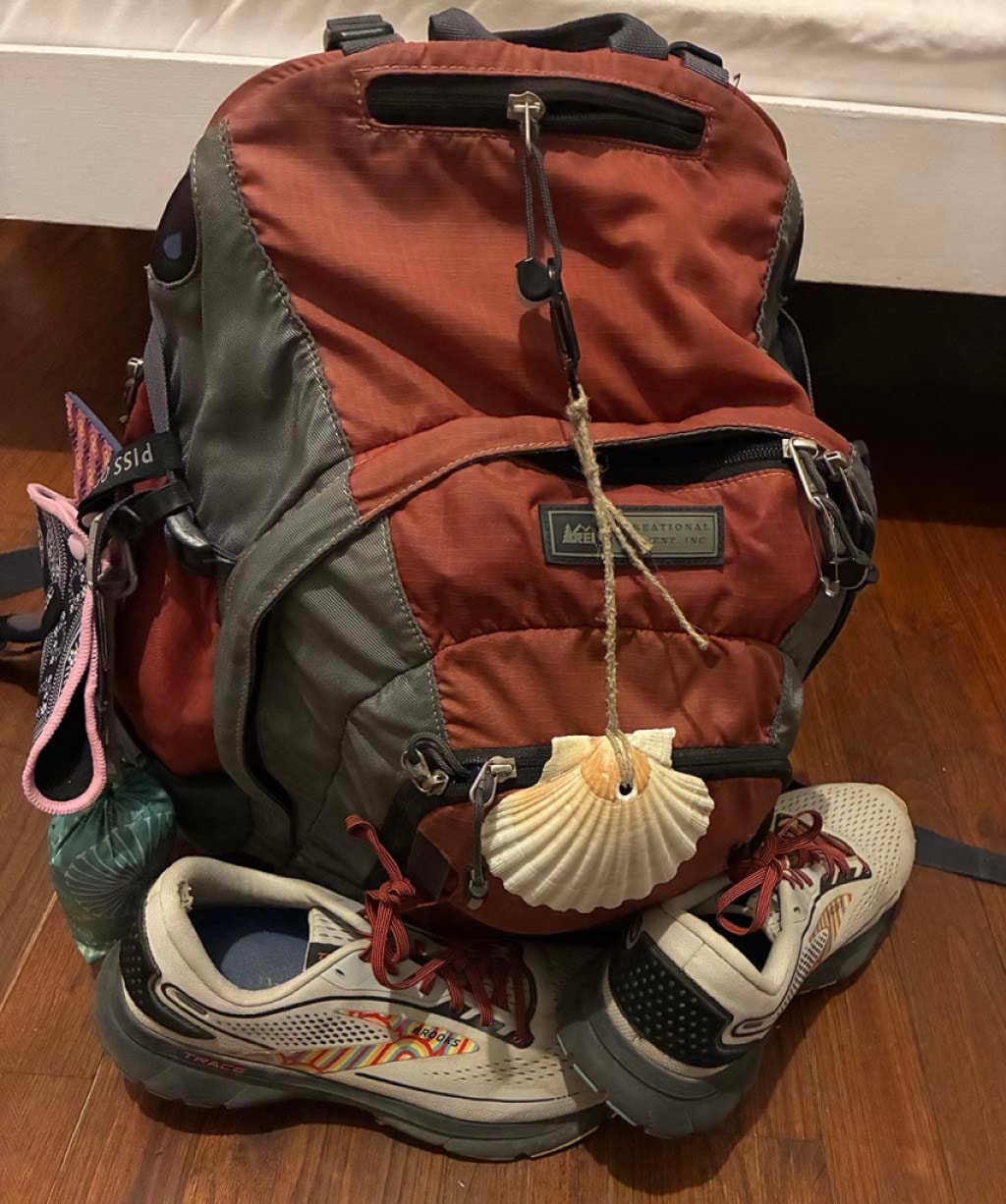
Her message made its way to the team behind REI Co-op product development, and caught the eye of senior innovation prototyper Adam Kurth. While others might just see a beat-up old backpack in the photos Alison C. sent in, Kurth saw a time capsule, and decided to try and give this old backpack a few more trips down the trail.
Read on for more about where Alison’s pack has taken her, how the REI team helped bring her bag back to life and to learn how you can do the same for your beloved gear.
As I’ve gotten older, I’ve seen much more value in recycling things where we can, and keeping a hold of things. I’ve realized I have a tendency to do that. Going back through my photos, I have a hat that shows up in pictures going back 20 years. I never would have guessed in a million years that I’ve had it that long! That’s what happened to me with this backpack.
I’ve always been an outdoor girl. I grew up in central California, and Yosemite was in our backyard, so to speak. My dad started taking my younger sister and me on backpacking trips when I was young. I fell in love with being outdoors and discovered that it was much more than just going on a hike. It was somehow therapeutic for me and filled me with joy. That was probably my first outdoor kind of love, and the relationship that I began with the outdoors began with my dad. So, it was super meaningful to go back to Yosemite after my dad passed away in 2016. Of course, I brought my red pack. My cousin and significant other joined me on a backpacking trip that I had taken with my dad when I was a teen. The three of us hiked to a high point on that trail and scattered his ashes from there.
This pack has gone with me through many different life moments over the last two decades. It’s been to Yosemite many times, and the Narrows in Zion National Park with my daughter Grace. It’s gone to Estes Park in Colorado, Santa Fe and Taos in New Mexico. It’s been on all sorts of local hikes in the San Diego area while I was training for the Camino de Santiago, including Torrey Pines and El Cajon Mountain. I went back to school in my 40s, over 15 years ago, and became a nurse. So, I had a lot of back and forth to school with my books in this pack. And when my daughters were in middle and high school, I hauled a bunch of stuff in it onto the soccer and track fields as well as various other places to participate in their events.
It was on a hiking trip that I found my daughter’s doll’s shoes in one of the side pouches, from when she was maybe 5 or 6 years old. I must have put them in there for her for safe keeping, and they were still there close to 20 years later! That connection to my daughter was just so strong the moment I found them.
So, this backpack has gone with me through life’s journey. During some of the most wonderful, memorable, momentous occasions and some of the saddest too.
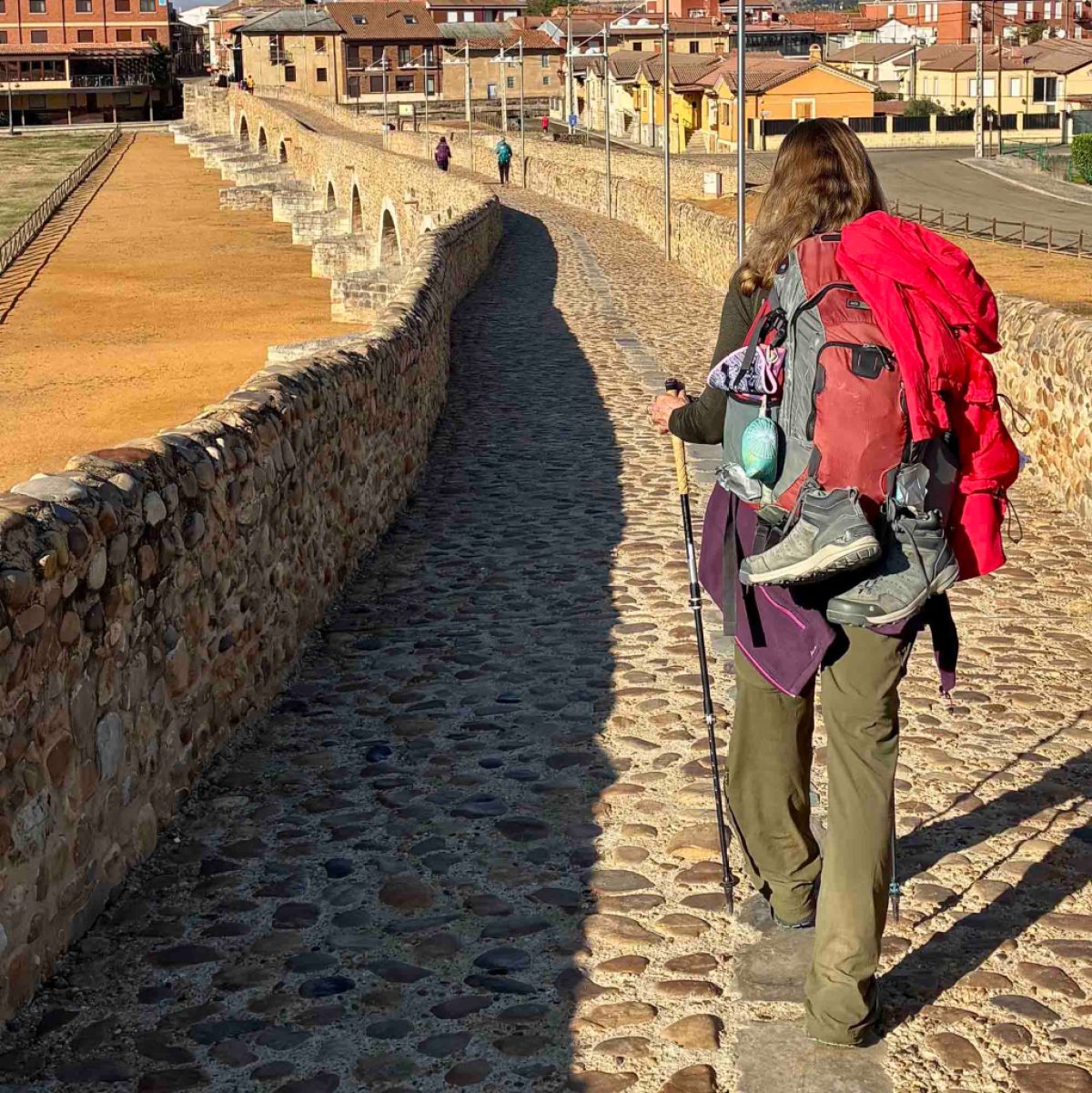
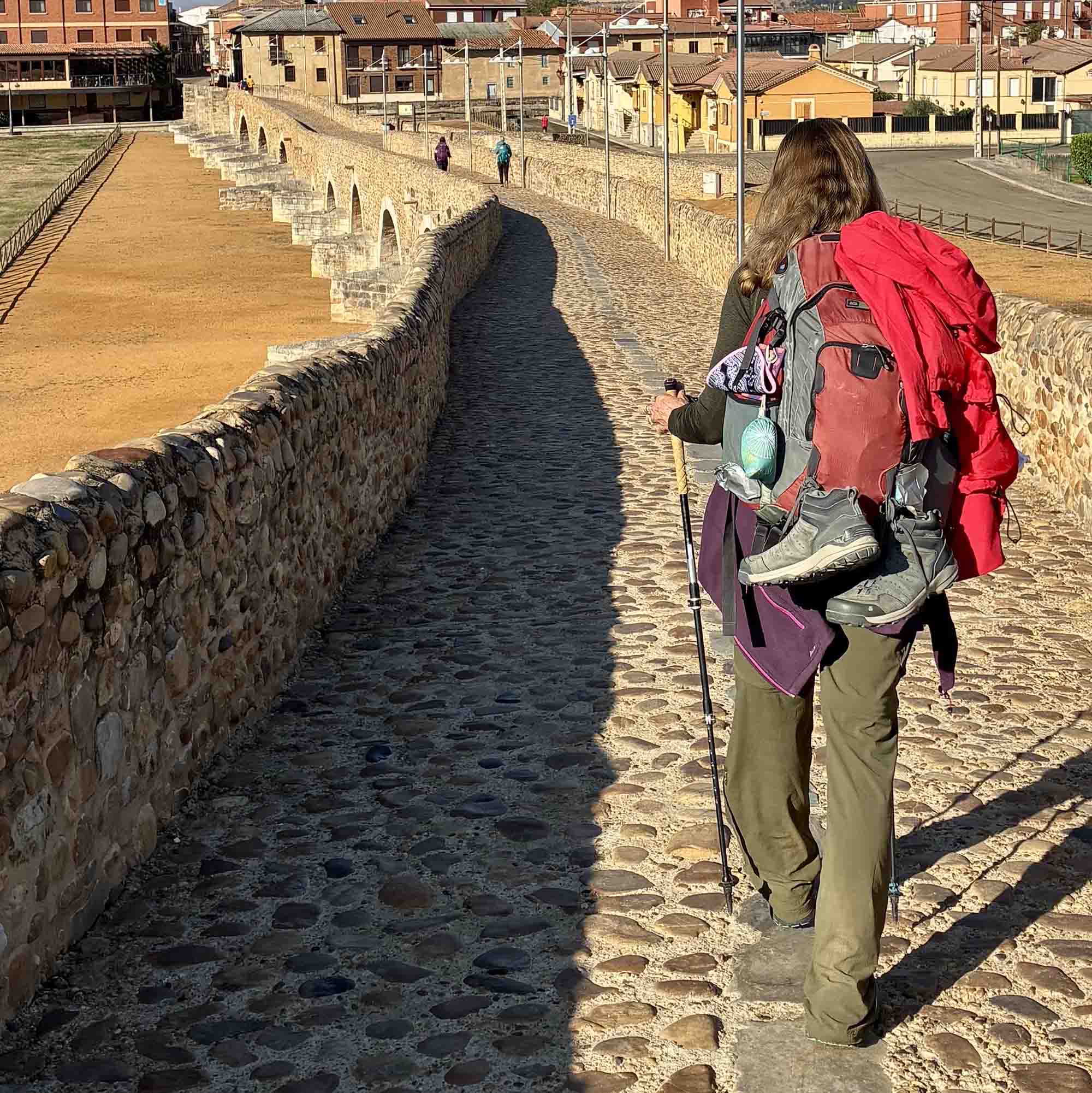
Before walking the Camino de Santiago last year, I had experienced multiple deep, personal losses in about a year and a half timeframe. Walking the Camino was a chance to put all of that to the side and do something truly for me, to reflect and heal and try to figure out what was going to be in this next chapter. The doors closed to so many areas of my life, but then new doors became available to me. Hiking the Camino wasn’t something I’d planned for years and years. But after all these things happened, I just decided, “I’m going to do this.”
I started with a guide and a group of first-time pilgrims, and we did the first section together, from the starting town in France, Saint-Jean-Pied-de-Port, to Pamplona. Once we got to Pamplona our guide said, “Goodbye!” We were like little hatchlings, moving together as we built our confidence. And then we started to separate. I spent some time walking with just a few of the people, and eventually I was on my own too; it was just me and my thoughts. But it wasn’t the super solitary experience that I had expected for myself. You meet people along the way, in the towns and fellow pilgrims. Through the conversations I had with the people I encountered and the moments I had alone in nature, I found healing and a new sense of purpose.
It was after this Camino Frances trip, the biggest trip of my life, that I really started reflecting on this red pack and how long I’ve had it, and how it took me through this entire trip, even though it literally started falling apart. I had to put duct tape on the sides, and the bottom started to fall out. Various pilgrims offered their duct tape to me along the way!
My experience on the Camino was just amazing. I really loved that trip. The fact that my red pack was with me made it extra perfect.
— Alison C., REI Co-op Member since 1987
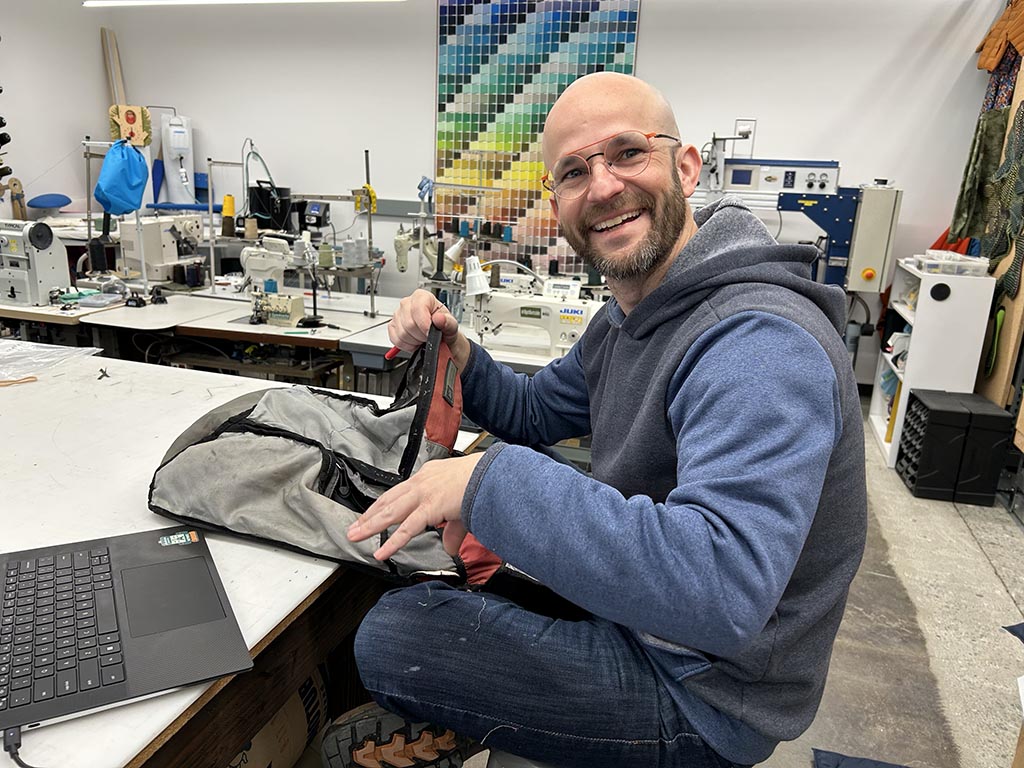
Adam Kurth, senior innovation prototyper, set out to repair as much of Alison’s pack as possible. Here’s what he says about the experience.
Most people retire a pack much sooner than this. I’m proud of Alison for keeping this thing going. It was being held together by duct tape and dirt mostly.
A little mushy-ness from me: I love the story a pack tells, it’s different than a garment that is seasonal like a jacket or shorts. It’s an item that gets used through the year, and year after year. In Alison’s pack, I found fine dirt similar to what covers my car and camping gear when I’m living the way I know I should. I found sand, dark sand. I found little bits of paper like the pockets of your jeans collect. I found the waterproof coating on the very inside of the pack had gotten hot, perhaps left in the car on summer days. I could tell the pack had gotten wet, because it had stiffened and softened. There are sweat stains, pen marks, the corners of the fabric grinning from lifting too heavy of loads. It was a pleasure to discover all the hints of adventure as I deconstructed panels, picked stitches and reworked what I could. I intentionally left as much of the exterior as found and reinforced it from the inside, actually and metaphorically adding my support.
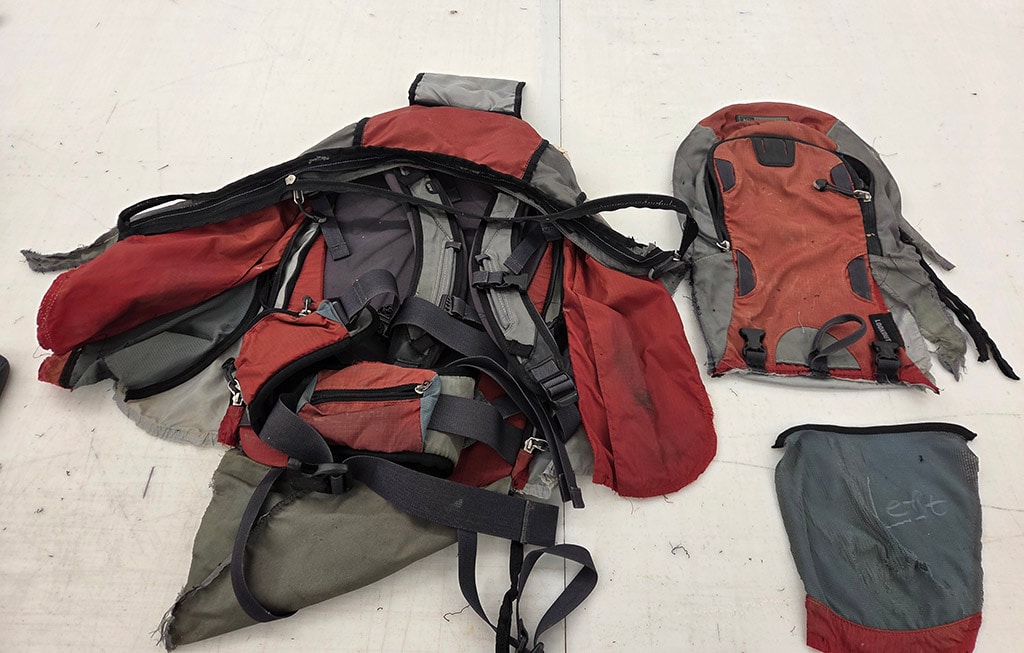
Since the panels were pulling away and shredding at the seams, I had to seam rip the internal binding off to access the edges of the panel. I used some scrap fabric bonded to a TPU membrane, essentially like making my own Tenacious Tape (that is heat activated). If you don’t have TPU, you can simply sew the backing panel on to the existing, failing panel. This gives it support as an extra layer; you can be as detailed as you like and really make it look clean ,or you can go quick and simple with lots of zig-zag and random stitch lines to hold the panels together. Remember, the stakes are low: There is already a hole, you can’t make it much worse and this might be an opportunity to use some bright orange thread.
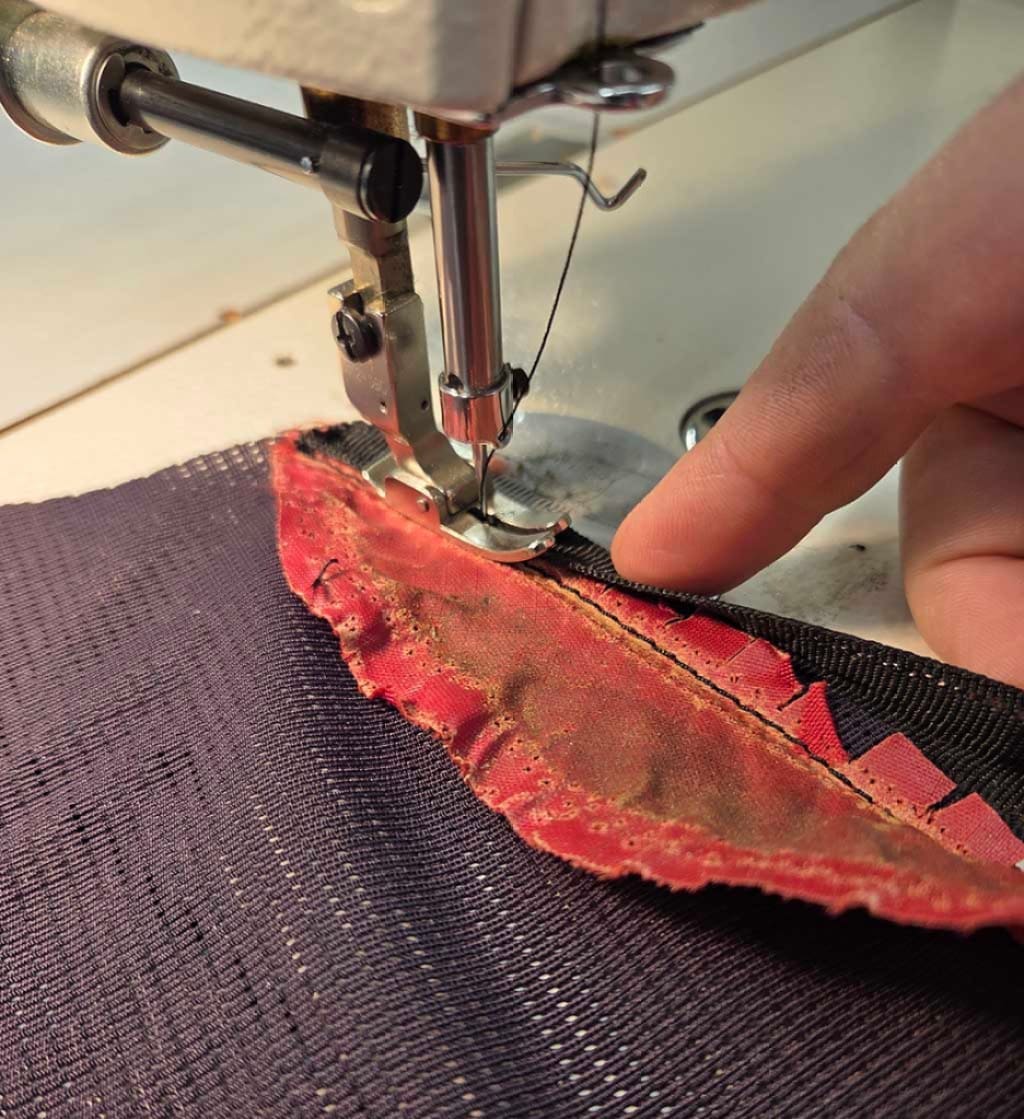
I went through the process of removing the worn and torn stretch pockets on the sides to pattern new ones and set them in properly. A large hand needle or sewing awl would allow you to top on a new panel from the outside if opening up the pack is too much fuss for you.
Do you have a piece of gear you can’t part with?
Tell us about it—and where it’s taken you—in the comments.