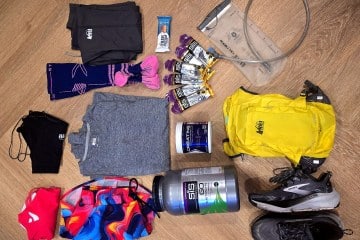
Top Stories How a 1986 REI Co-op Parka Inspired a New Collaboration A visit to the co-op’s archives sparked a BEAMS x REI Co-op design that reimagines an outdoor classic for a modern generation Erin Berger | October 5, 2026 The 9 Best Hiking Apps You Need to Download Now Courtney Holden | September 15, 2026 Vest Kept Secrets REI Staff | September 10, 2026 How It Works: Gravel Running Shoes Courtney Holden | August 31, 2026 Ask an Outsider: Should dogs ever be off leash on the trail? Miles Howard | July 20, 2026
The Nature Gap Christopher Solomon|October 9, 2026 The first-ever American Nature & Health Survey, supported by the REI Cooperative Action Fund, gives researchers, healthcare leaders and policymakers a new way to track how Americans experience nature (or increasingly, don't).
What I Learned on a Guided Hiking Trip as a Seasoned Adventurer Jacey West|October 9, 2026 An experienced hiker and REI Co-op Member writes about returning to Yosemite on an organized group trip, and shares why seasoned adventurers shouldn't write off guided travel.
What I Learned at Arc’teryx Academy: 5 Reasons to Go Katie Botwin|September 29, 2026 Explore five reasons to attend Arc’teryx Academy, from pro-led clinics and mountain skills to community, films, music and new friends.
Our Public Lands: What Are They, and How Can We Protect Them? Jason Wise|September 23, 2026 Learn about the types of public lands in the United States and how to advocate for their maintenance and protection.
Ask an Outsider: What’s the Best Way to Prevent Chafing on Long Runs and Rides? Mary Beth Skylis|September 10, 2026 Is chafing just a part of the type 2 fun for distance athletes, or are there reliable ways to battle friction when running and biking? Our Outsider slathers on some solutions for your long adventures.
How It Works: The Enduring Influence of Vibram® Megagrip Amanda Loudin|September 8, 2026 On a cold, rain-soaked day last May, I joined a group of intrepid hikers to cover all 41 miles of the Appalachian Trail that run through Mar...
The 9 Best Hiking Apps You Need to Download Now Pick a trail, track your progress and name the plants or planets you spot along the way using these handy apps. Courtney Holden|September 15, 2026
Vest Kept Secrets Three REI Green Vests share the camping hacks that have kept their gear effortlessly organized and work harder with each passing mile. REI Staff|September 10, 2026
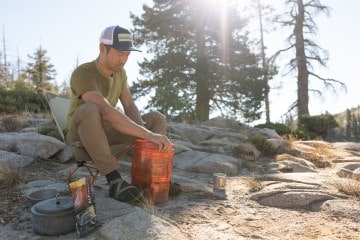
Why You Should Bring Cold Brew Camping One coffee-obsessed camper offers her reasons for ditching the French press and bringing premade cold brew along for car camping trips. Megan Lee|August 5, 2026
Ask an Outsider: Do I have to “dress” like a hiker to be one? REI Co-op Member and musical comedian Heb Murphy shares tips about how to balance being outdoorsy and expressing your personal style on the trail. Heb Murphy|June 18, 2026
Ask an Outsider: I love urban hiking but my friends say it’s “just walking.” How can I convince them I’m a hiker? Urban trail expert Miles Howard explores how walking and hiking differ—and how you can defend your urban hiking hobby to your skeptical outdoorsy friends. Miles Howard|April 16, 2026
Ask an Outsider: Should I Still Bury My Poop in the Backcountry? One member writes to ask whether it's still appropriate to dig a cathole when nature calls, or whether we should pack all waste out. An expert weighs in. Mary Beth Skylis|August 29, 2025
Founder Spotlight: Keva Niver, Boheme Retreats Ever Meister|January 27, 2025 Keva Niver wants more people to feel comfortable outdoors. Her inclusive glamping getaway achieves just that.
Finding Our Wild REI Staff|August 14, 2023 A father and son take an overdue camping trip; along the way they discuss family history, culture and what it's like to watch each other age.
The Right to Joy REI Staff|June 19, 2023 In a new REI Co-op Studios documentary, cyclist Izzy Sederbaum pedals his way back to himself after surviving a cougar attack while biking.