
If you ask a group of runners whether the best miles are on pavement or dirt, everyone will have an opinion. Road runners tend to celebrate the general accessibility of the sport—it’s relatively easy to put on a pair of trainers and run out the door onto asphalt—while trail runners love forgiving terrain found in and alongside mountain ranges.
We spoke with two accomplished runners to explore the merits of each sport and to see if we could determine a winner. What’s better than a little friendly competition?
Team Road: Keira D’Amato, a former marathon American record holder and lifelong road runner, makes the case for pavement.
Team Trail: Kimmie Hamilton, a trail runner, outdoor educator, lifelong distance runner and REI sales associate argues that the best runs can be found on trails.
Here’s how each one stacks up against the other.
Is trail running or road running more beginner friendly?
Team Road: Road running poses an array of benefits for beginners, according to D’Amato. “It’s less technical,” she says. “You can put on your shoes and go right out your door.”
In addition to road access, D’Amato says local running clubs and community races make it easier for newcomers to find a way into the sport. Many races offer couch-to-5k programs for charity, regardless of pace. She also notes that there’s a growing number of road races that are specifically designed to welcome first-time runners with generous time limits and encouraging atmospheres that make roads more welcoming to beginners.
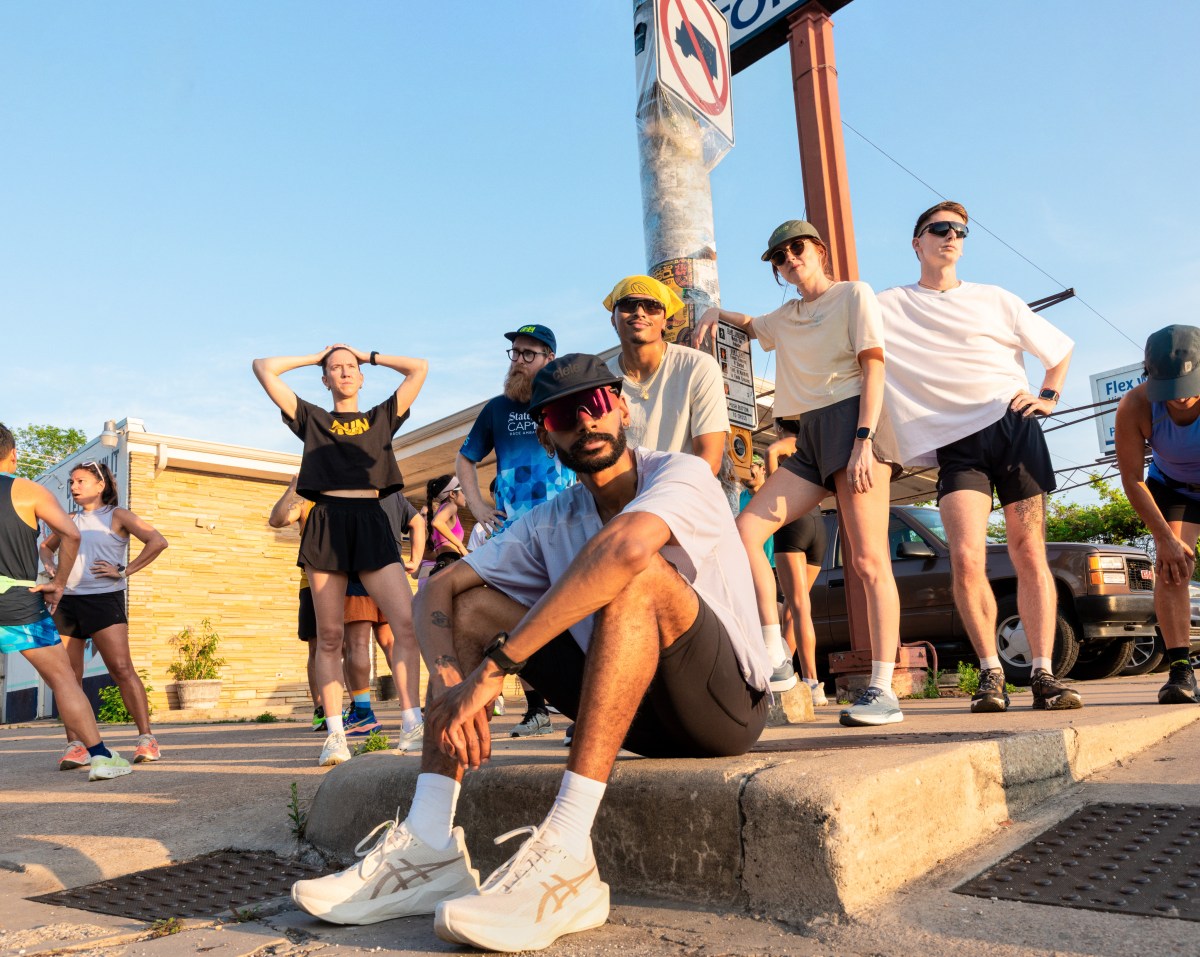
Team Trail: Hamilton agrees that roads tend to be more accessible than trails since urban runners and underserved communities tend to have limited trail access. Getting to these routes can pose a challenge for new runners. “I’ve taken some of the kids to trails because we had to drive there,” she says, noting that transportation was an issue. But the journey is worth the effort. “They fall in love with it,” says D’Amato.
Trail has a long way to go with fostering a beginner friendly culture, with efforts to create more welcoming events emerging in certain corners. As it stands, the road-running world has more experience and success in welcoming newcomers.
Round 1: Beginner Friendly
Winner: Road Running
Score: Team Road 1, Team Trail 0
Is trail running or road running more expensive?
One of the perks of running is that you need very little gear to get you started. Both road and trail running require little more than a quality pair of shoes. But as the distance and the environment changes, Hamilton says, trail running may demand more specialized equipment.
Team Trail: Trail runners tend to opt for gear like hydration vests, trekking poles, gaiters, nutritional snacks and powders, along with additional clothing layers for changing weather conditions. “It adds up quickly,” Hamilton says. Trail running also calls for more self-sufficiency since it can take you deep into the wilderness. While road routes may allow the runner to stop at a convenience store or a populated neighborhood, many trails have less infrastructure.
Team Road: D’Amato agrees that longer adventures require more gear. But she isn’t convinced that the gap between trails and roads is substantial enough to deter beginners. Road runners often choose moisture-wicking clothing, quality socks, and a hydration belt or vest for longer runs. During races, aid stations are more frequent on roads than on trails. According to D’Amato, beginner runners face similar financial barriers in trail and road environments.
Round 2: Cost
Winner: Tie
Both activities require more than just a pair of running shoes to prepare for, stay comfortable during and recover after runs.
Score: Team Road 1, Team Trail 0, Tie 1
Does trail or road running offer more physical benefits?
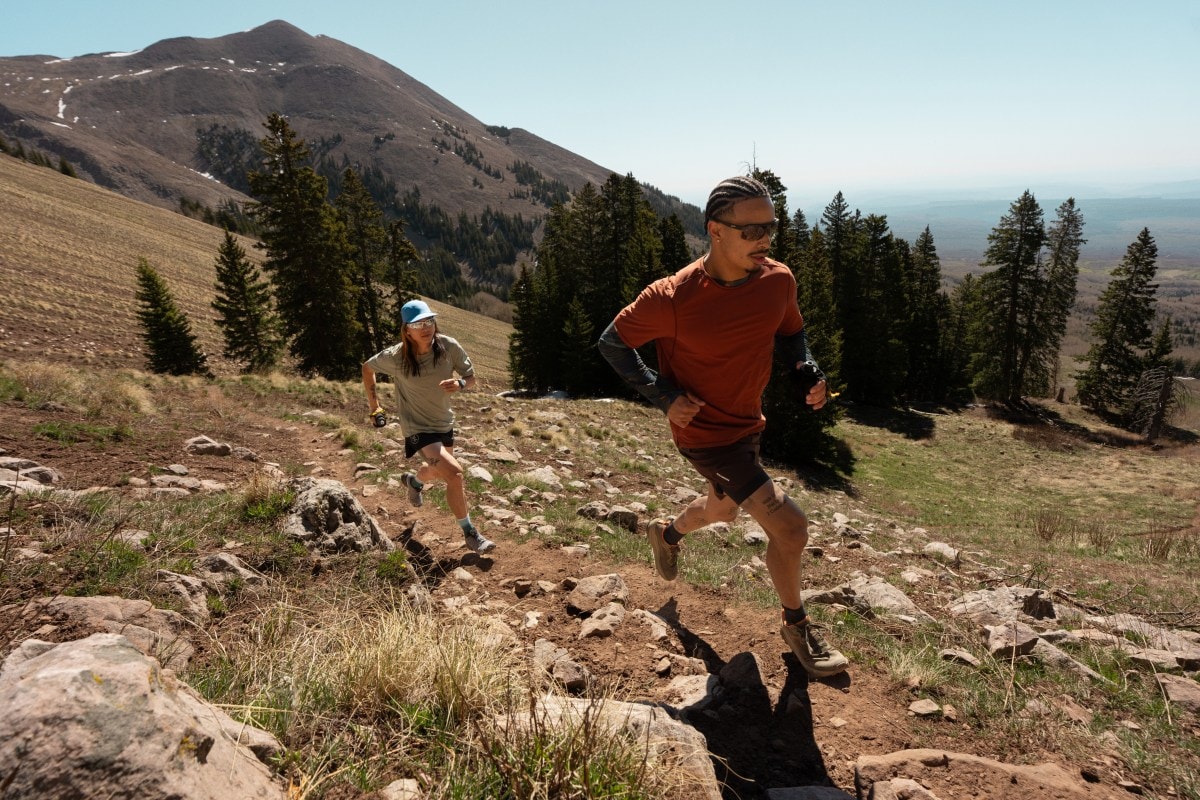
Team Trail: After ankle reconstruction and knee surgery, Hamilton feels the physical advantages of lower-impact trails every time she runs. While roads can be harsh and unforgiving on the joints, trails usually provide a softer landing. “It’s easier on my ankles and knees,” says Hamilton. Uneven terrain also recruits more stabilizing muscles, which contribute to a stronger core. “I seem to get more toned and stronger,” says Hamilton. “You feel it all over.”
For Hamilton, the mental benefits of trail running matter just as much as the physical ones. On roads, she slips into autopilot mode, becoming disengaged. But the roots, rocks, and variable trail terrain demand her constant attention, keeping her fully present throughout the run.
Team Road: D’Amato sees benefits regardless of terrain. “I think getting out and moving, however you’re moving is the benefit,” she says. From her perspective, the best running plan is the one that keeps you motivated and excited. “If you’re drawn to the trails and you’re going to have more fun, then you’re probably going to be doing more.”
She also recognizes that softer trail surfaces support the body over time. But, road running offers a level of predictability that allows runners to focus on diligent pacing and training to prepare for races and measure progress. Still, these kinds of goals may not be in the forefront for the average runner.
Round 3: Physical Benefits
Winner: Trail Running
Score: Team Road 1, Team Trail 1, Tie 1
Is road running or trail running more inclusive?
Team Trail: Hamilton struggles to see herself in the running world at large. No matter the setting, she’s found herself to be the only person of color on teams, races, and on trails. Historically, she’s never felt a strong sense of belonging. “Representation matters,” she explains.
Because of her own experience with limited diversity in the world of running, she loves introducing children from underserved communities to the outdoors and watching them experience trail runs for the first time. “They’re just in awe,” she says. “They ask, ‘Can we run through the creek?’”
She recognizes that more and more organizations are working to expand participation, but she believes that both road and trail communities have work to do.
Team Road: D’Amato points to accessibility as an important part of inclusion. Since roads exist almost everywhere, she believes the sport tends to accommodate a broader range of participants.
She also credits the variety of race distances with helping runners find events that match their goals. While she believes that trail running’s laid-back culture is inviting, she also sees road running making significant strides towards welcoming runners from all backgrounds.
Round 4: Inclusivity
Winner: Tie
Both communities have made strides forward in inclusion but still have plenty of work left to do.
Score: Team Road 1, Team Trail 1, Tie 2
Does trail running or road running offer a better overall experience?
Whether you evaluate running from a physiological or environmental perspective, both disciplines come with a range of benefits.
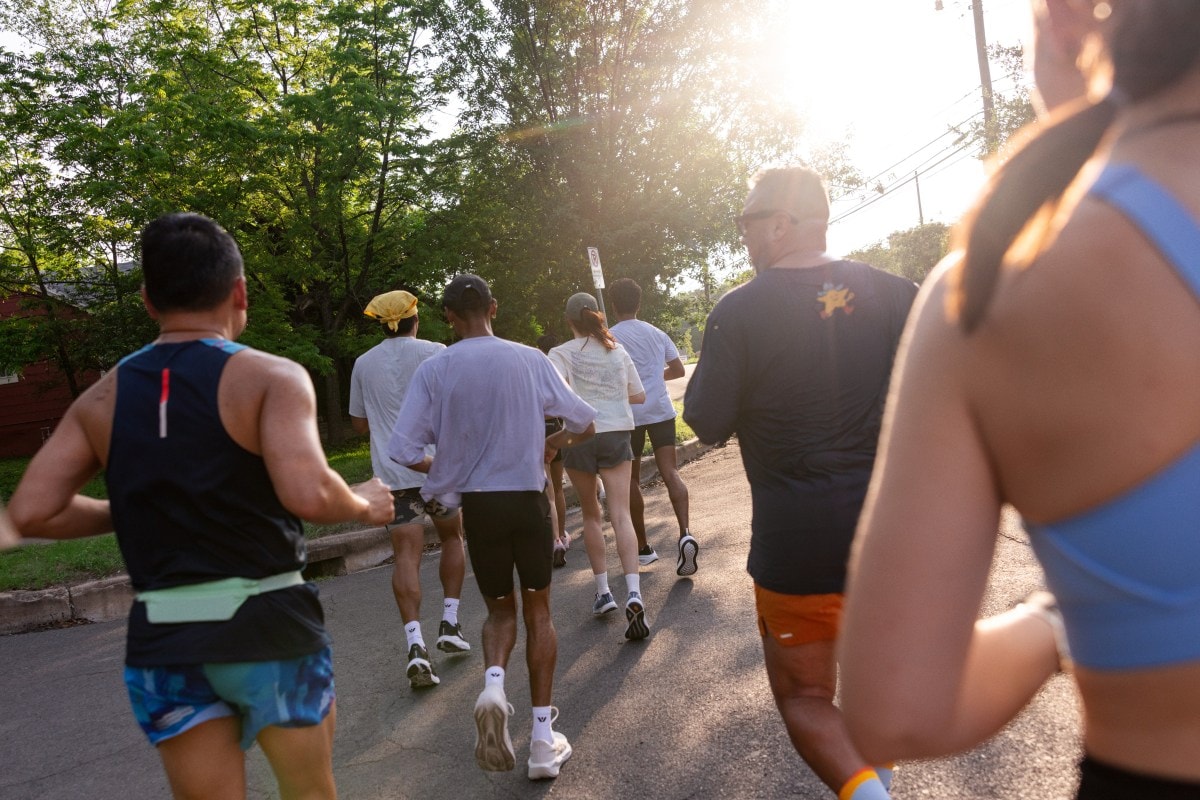
Team Road: According to D’Amato, however, nothing compares to standing on the starting line of a major road marathon. “Being surrounded by thousands of people all going for a goal,” she says, “that’s the ultimate fun.” The shared energy, cheering crowds, and collective pursuit of personal bests set the discipline apart from others. It just can’t be replicated.
She also appreciates the predictability of the terrain. “You don’t have to watch out for roots,” she jokes.
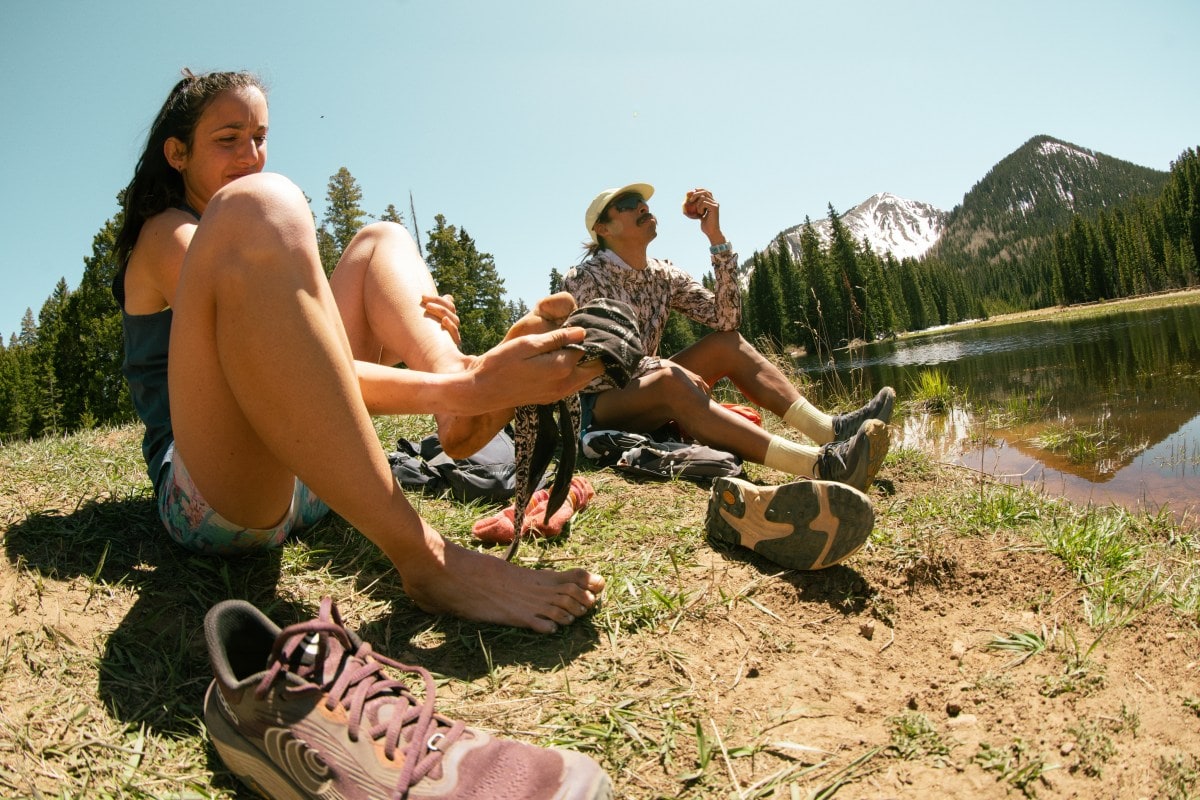
Team Trail: Hamilton sees it differently. Her favorite runs aren’t defined by finish times but by quiet forests, variable landscapes, and connection with the outdoors. The mental focus trail running demands is one reason she loves the sport—and the sense of exploration that’s tough to match anywhere else.
Round 5: Overall Experience
Winner: Tie
It depends on what kind of exhilaration you’re looking for!
Score: Team Road 1, Team Trail 1, Tie 3
Is trail running or road running the better sport?
Final Verdict: Tie, Road 5, Trail 5
Beginner friendly: Road
Cost: Tie
Physical benefits: Trail
Inclusivity: Tie
Overall experience: Tie
It’s no surprise that we find ourselves locked in a tie. Trail running and road running are sides of the same coin, with one sport prioritizing trail adventure and exploration and the other heavily focusing on access and community on the roads.
Team Running, however you do it: D’Amato happily slips on her shoes and heads to the asphalt to get her miles in while Hamilton remains devoted to soft dirt underfoot. Yet despite their differences, both runners agree that the best type of running is the kind that gets you up and out the door. In short, any kind of running is better than not running. And any running community is the right one, as long as it’s welcoming and accessible to you.
Share in the comments
Are you on Team Road or Team Trail?