Top Stories National Public Lands Day This National Public Lands Day, we’re donating $1 million to fund projects and partners supporting over 60,600 miles of trails — and we want your vote on where it should go. REI Staff | September 7, 2026 The 9 Best Hiking Apps You Need to Download Now Courtney Holden | September 15, 2026 Vest Kept Secrets REI Staff | September 10, 2026 How It Works: Gravel Running Shoes Courtney Holden | August 31, 2026 Ask an Outsider: Should dogs ever be off leash on the trail? Miles Howard | July 20, 2026
Our Public Lands: What Are They, and How Can We Protect Them? Jason Wise|September 23, 2026 Learn about the types of public lands in the United States and how to advocate for their maintenance and protection.
Ask an Outsider: What’s the Best Way to Prevent Chafing on Long Runs and Rides? Mary Beth Skylis|September 10, 2026 Is chafing just a part of the type 2 fun for distance athletes, or are there reliable ways to battle friction when running and biking? Our Outsider slathers on some solutions for your long adventures.
How It Works: The Enduring Influence of Vibram® Megagrip Amanda Loudin|September 8, 2026 On a cold, rain-soaked day last May, I joined a group of intrepid hikers to cover all 41 miles of the Appalachian Trail that run through Mar...
This or That: Trail Running vs. Road Running Mary Beth Skylis|September 3, 2026 We brought together two running experts, outdoor educator and REI Green Vest Kimmie Hamilton and former marathon American record holder Keira D’Amato, to settle the score: Which is better, trail running or road running?
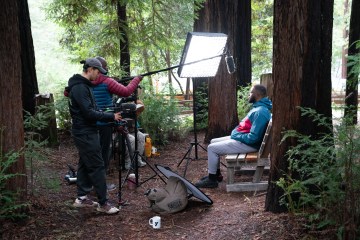
Lights, Camera, Outside: How Documentaries Can Change Who Finds Connection in Nature Jacqueline Kehoe|July 22, 2026 REI Co-op and nonprofit environmental filmmaking organization The Redford Center to share stories about the power of nature to connect, heal and empower.
How to Pace an Ultramarathon Runner with Lisa Jhung Shelby Stanger|July 7, 2026 Trail runner and writer Lisa Jhung has paced ultramarathon runners for over 25 years, helping athletes through demanding miles to the finish.
The 9 Best Hiking Apps You Need to Download Now Pick a trail, track your progress and name the plants or planets you spot along the way using these handy apps. Courtney Holden|September 15, 2026
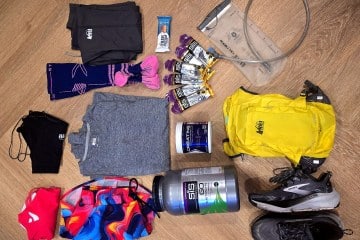
Vest Kept Secrets Three REI Green Vests share the camping hacks that have kept their gear effortlessly organized and work harder with each passing mile. REI Staff|September 10, 2026
Why You Should Bring Cold Brew Camping One coffee-obsessed camper offers her reasons for ditching the French press and bringing premade cold brew along for car camping trips. Megan Lee|August 5, 2026
Ask an Outsider: Do I have to “dress” like a hiker to be one? REI Co-op Member and musical comedian Heb Murphy shares tips about how to balance being outdoorsy and expressing your personal style on the trail. Heb Murphy|June 18, 2026
Ask an Outsider: I love urban hiking but my friends say it’s “just walking.” How can I convince them I’m a hiker? Urban trail expert Miles Howard explores how walking and hiking differ—and how you can defend your urban hiking hobby to your skeptical outdoorsy friends. Miles Howard|April 16, 2026
Ask an Outsider: Should I Still Bury My Poop in the Backcountry? One member writes to ask whether it's still appropriate to dig a cathole when nature calls, or whether we should pack all waste out. An expert weighs in. Mary Beth Skylis|August 29, 2025
Founder Spotlight: Keva Niver, Boheme Retreats Ever Meister|January 27, 2025 Keva Niver wants more people to feel comfortable outdoors. Her inclusive glamping getaway achieves just that.
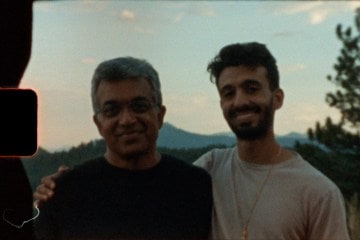
Finding Our Wild REI Staff|August 14, 2023 A father and son take an overdue camping trip; along the way they discuss family history, culture and what it's like to watch each other age.
The Right to Joy REI Staff|June 19, 2023 In a new REI Co-op Studios documentary, cyclist Izzy Sederbaum pedals his way back to himself after surviving a cougar attack while biking.