Top Stories Out There: Three REI Co-op Partners Bringing LGBTQ+ Community Into the Outdoors From ice climbing to summer camp, the LGBTQ+ community is finding more ways to be out and proud—with these organizations leading the way. Jacqueline Kehoe | June 1, 2026 My REI Backpack, My Loyal Friend REI Staff | May 14, 2026 First Look: The North Face Universal Wawona 3 Tent Emily Pennington | April 14, 2026 Honoring the Legacy of Jim Whittaker Mike Lewis | April 7, 2026 Our Best Trail Magic Stories Mary Beth Skylis | April 3, 2026
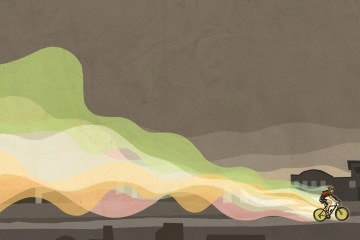
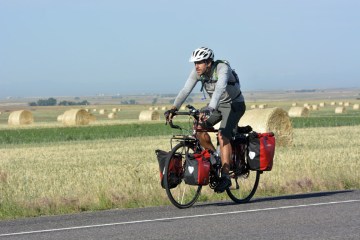
Pedal On Sarah Grothjan|May 20, 2026 When a childhood tumor returns, a member turns to cycling to regain a sense of control.
How The Bucket List Family Travels the World with Garrett Gee Shelby Stanger|April 28, 2026 Adventurer Garrett Gee turned a four month family trip in 2015 into The Bucket List Family, documenting world travel with his wife, Jessica, and their kids. What began as videos shared on YouTube and Instagram became a global family travel brand with millions of followers, built on experiences from shark diving in South Africa to hot air balloons in Turkey and biking through shrines and gardens in Japan.
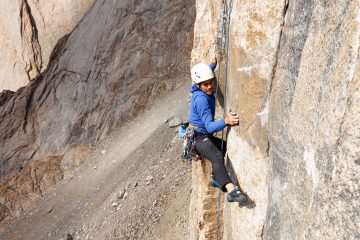
Big Wall Climbing and Ultrarunning with Thomas Bukowski Shelby Stanger|March 24, 2026 In 2022, Thomas Bukowski took a risk that felt personal and professional by applying to The North Face athlete development program and pitching himself as a climber worth betting on. As a queer athlete from Hong Kong who found climbing later than most, he has long carried the feeling of being an outsider, then watched that narrative shift when he earned a place on The North Face climbing team. Since then, he has chased fear into major climbs in Argentina, Alaska, and Pakistan, and in 2024 he pushed into trail running by running the 211 mile John Muir Trail in four days.
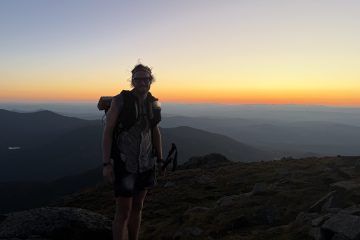
Breaking the Self Supported Appalachian Trail FKT with Jeff Garmire Shelby Stanger|March 17, 2026 Jeff Garmire is a legend in the world of fastest known times with more than 20 FKTs on routes including the Appalachian Trail, Colorado Trail, Arizona Trail, and John Muir Trail. On September 21, 2025, he reached Mount Springer after setting a self supported FKT on the Appalachian Trail, completing the route in 45 days, 8 hours, and 37 minutes.
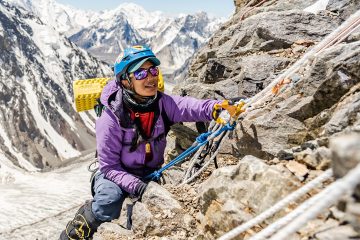
A Spiritual Approach to the Seven Summits with Wasfia Nazreen A Spiritual Approach to the Seven Summits with Wasfia Nazreen|December 23, 2025 Wasfia Nazreen is a Bangladeshi mountaineer and human rights advocate known for blending adventure with activism.
Biking and Birding for 18,000 Miles with Dorian Anderson Shelby Stanger|September 16, 2025 Dorian Anderson was a neuroscientist and geneticist with a promising academic career when he made a radical shift: in 2014, he left the lab to pursue a year-long, cross-country birding adventure—on a bicycle. Pedaling nearly 18,000 miles across the U.S., his goal was to spot over 600 bird species while deepening his sobriety, and reconnecting with nature.
Summer Camp Series: Dispersed Camping with Felicia Fullwood Summer Camp Series: Dispersed Camping with Felicia Fullwood|July 17, 2025
Ask an Outsider: I love urban hiking but my friends say it’s “just walking.” How can I convince them I’m a hiker? Urban trail expert Miles Howard explores how walking and hiking differ—and how you can defend your urban hiking hobby to your skeptical outdoorsy friends. Miles Howard|April 16, 2026
Ask an Outsider: Should I Still Bury My Poop in the Backcountry? One member writes to ask whether it's still appropriate to dig a cathole when nature calls, or whether we should pack all waste out. An expert weighs in. Mary Beth Skylis|August 29, 2025
Building Camp around the Stove The next time you head out for an overnight in the wild, make the meal the main course on your camping agenda—just like these REI Co-op Members. Courtney Holden|July 31, 2025
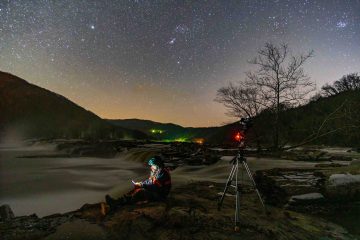
From Coal Mines to the Milky Way (and Beyond) An REI Co-op Member and West Virginia coal miner turned to photography to express his love for his state’s night skies and wilderness areas—and it changed his life. Eric J. Wallce|July 9, 2025
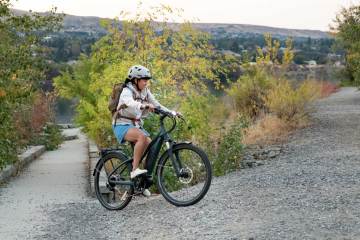
Can You Get Exercise Riding an Electric Bike? There’s a perception that riding an e-bike is like cheating. But some studies have found that riding an e-bike can be a pretty good workout. Courtney Holden|April 29, 2025
6 Tips to Make an Outdoor Habit Stick Building fresh air and movement into your schedule can help you stay on a healthy track. Maddie Wilcox|December 23, 2024
Founder Spotlight: Keva Niver, Boheme Retreats Ever Meister|January 27, 2025 Keva Niver wants more people to feel comfortable outdoors. Her inclusive glamping getaway achieves just that.
Finding Our Wild REI Staff|August 14, 2023 A father and son take an overdue camping trip; along the way they discuss family history, culture and what it's like to watch each other age.
The Right to Joy REI Staff|June 19, 2023 In a new REI Co-op Studios documentary, cyclist Izzy Sederbaum pedals his way back to himself after surviving a cougar attack while biking.