
One curious thing about family holidays is that they sometimes replicate the everyday dynamics of home, only elsewhere. As a classic headline in The Onion put it, “Mom Spends Beach Vacation Assuming All Household Duties in Closer Proximity to Ocean.”
I’m as guilty of this as the next guy: At home, I love to take advantage of free time to hop on my bike, knock out a trail run or squeeze in a cheeky surf session. As a contributing editor at Outside magazine, I sometimes justify this as “research.” And so, when my family and I plan to hit the road, I’ve already got adventure on my mind. While my wife trolls hotel sites, I open Strava or Trailforks. But going on epic, all-day bike rides in Vermont or Arizona and coming back absolutely cratered isn’t my family’s idea of fun. When I’ve done that on vacations past, it’s understandably created tension. My wife has rather tartly accused me of thinking that “family holiday” means taking a vacation from the family.
It’s not that my wife and teenage daughter don’t appreciate being active while away from home. They tend to favor the pleasurable aspects of such pursuits, though. To them, a vacation isn’t meant for hammering in the red zone, then returning home, hollowed-out and broken, to nurse a shower beer.
To preserve family harmony, lately I’ve been thinking about compromise. I’ve wanted to see if it was possible to craft experiences that might satisfy all of us. I half-jokingly call this project the “Goldilocks vacation.”
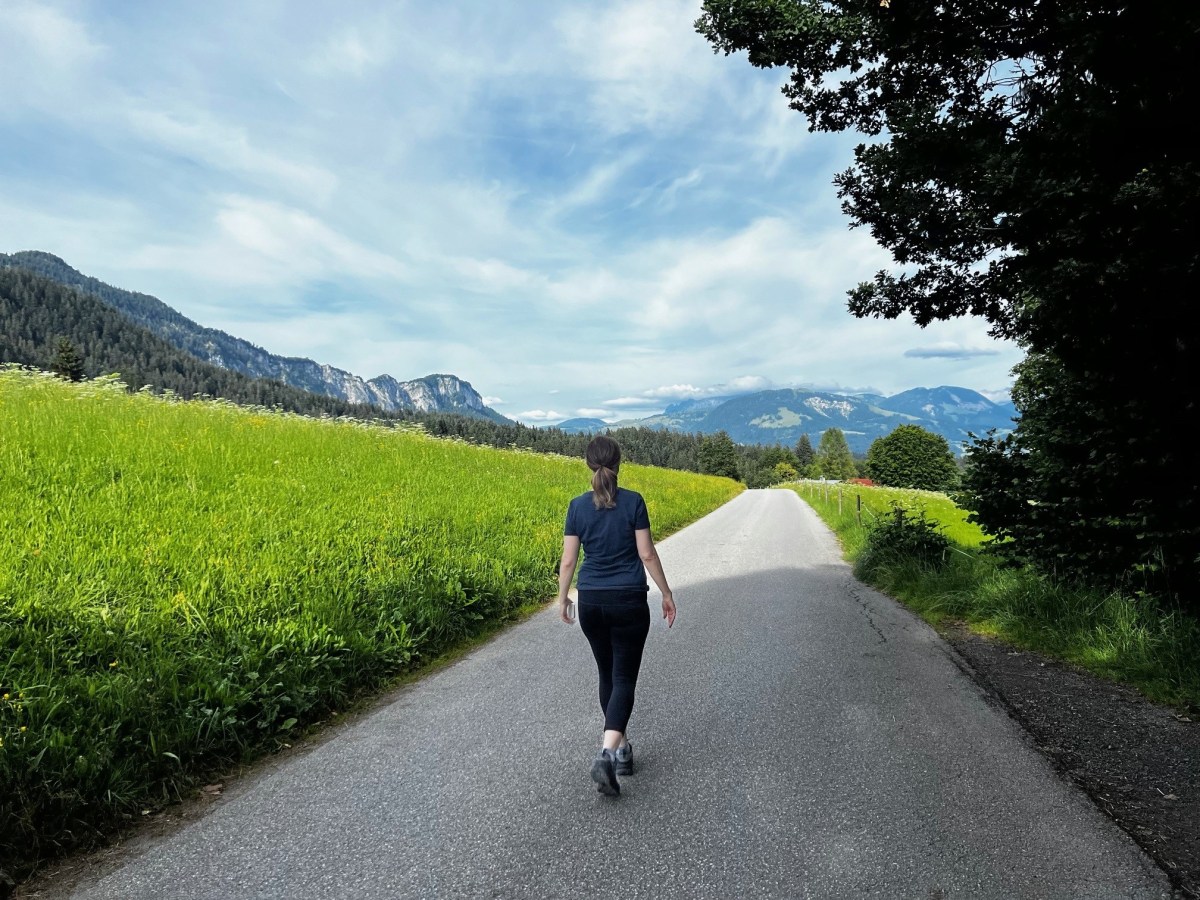
Redefine a “Successful” Holiday
The first step toward a Goldilocks Vacation is letting go of the idea, and the pressure, that a holiday’s every moment must be unalloyed fun. “It is mistakenly thought that vacations are meant to be pure pleasure,” says tourism researcher Moji Shahvali, a lecturer at the Netherlands’ Breda University of Applied Sciences. But a good vacation also requires a certain amount of work. It’s not just the travel, which can bring its own stress, from flight delays to flat tires. (No wonder the word “travel” is derived from the French word for pain.) Conflict might arise among family members over the details of the vacation itself; or there might be deeper schisms, Shahvali says, “that never showed up (at home) because we’re good at running away and getting busy and hiding behind the laptop and work.”
Los Angeles–based psychologist Aimee Martinez suggests we instead think of vacations like birthdays. “We often assume they have to be happy and perfect, filled with joy and celebration,” she says. “Bu,t just like birthdays, family travel can stir up a mix of emotions.” Behind that picture of the family enjoying a glowing Instagram-worthy sunset there might be moments of “conflict, boredom, stress.” We spend time carefully planning flights, completing our packing checklists, she notes, without thinking as much about the very human traits—the emotions, energy levels, desires, dislikes—we are bringing on holiday. Anyone with an adolescent child, for example, might find their kid balking at what the parent presumes is a perfect itinerary.
Martinez suggests that we recalibrate. Rather than the postcard-perfect holiday, we aim for having a “good-enough vacation.” This mindset stays grounded, and embraces flexibility, accepting “that it’s OK for things to go differently than planned.” Both adults and kids, she suggests, “can work together to create a dynamic where everyone’s needs are considered, but not every desire is met immediately or completely.”
Embrace Variety
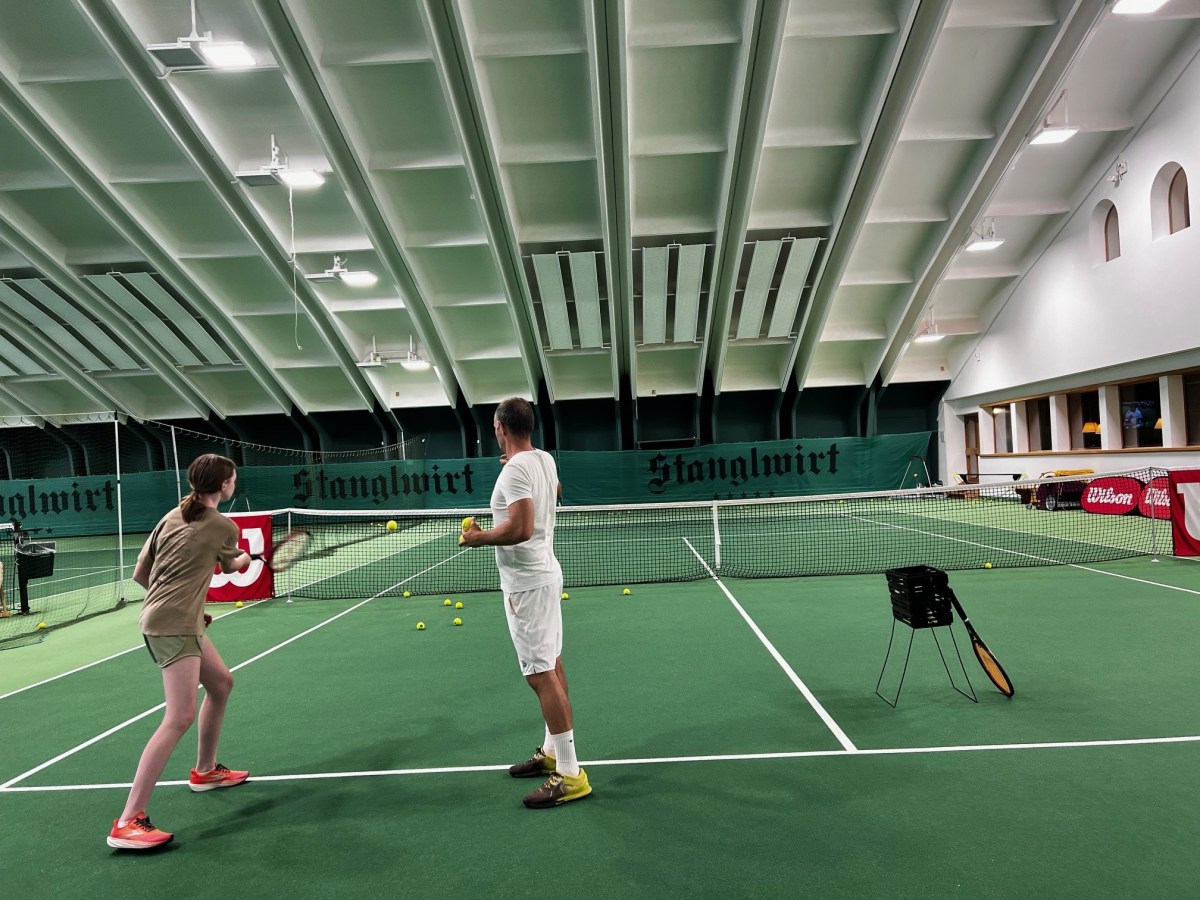
In our family, one way I’ve found to achieve this is to flood the zone with sheer variety of activities. On a recent trip to Austria, for example, we stayed at Stanglwirt, a sprawling, centuries-old mountain inn. The inn seemed to offer everything: tennis, a world-class boxing gym, mountain hikes, cycling, equestrian sports. While I took a boxing lesson, my wife swam laps and my daughter had her first spa experience. The next day, we swapped activities. Maybe it wasn’t anyone’s perfect holiday, but it ticked enough boxes that it was more than “good enough” for everyone. When I described this to Maria Hauser-Lederer, the communications director and member of the family who owns Stanglwirt, she smiled knowingly. The inn accommodates the many interests of its guests, in any sort of weather. “We have multigenerational families who come here,” she says. “When their children come to their teenage years, they don’t want to go on holiday with their parents anymore.” But they tend to come to Stanglwirt, she notes, “because they say, ‘OK, I can do so much.’”
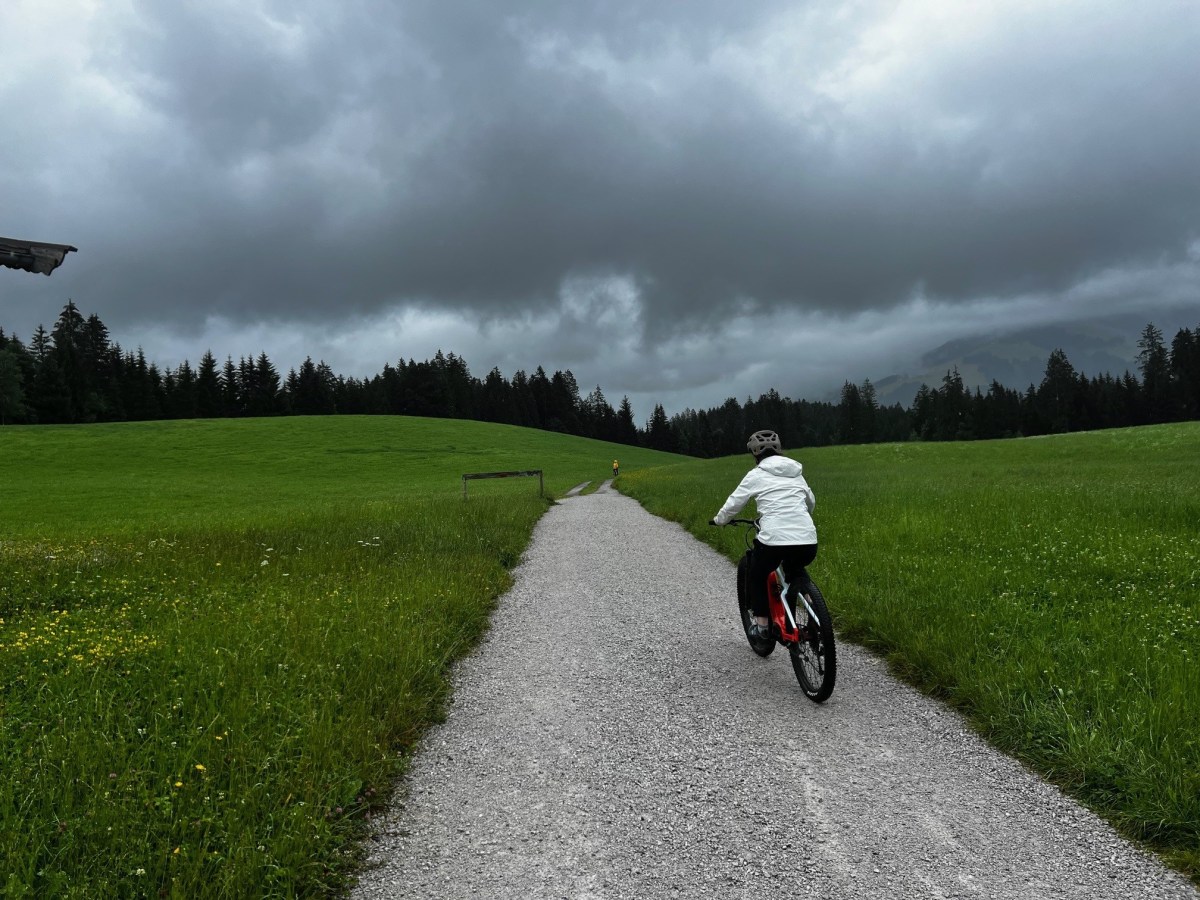
Photo Credit: Tom Vanderbilt
Enjoy Something New—Together
A successful holiday, argues Shahvali, is often one in which a person can compromise and step out of their comfort zone, change roles, try things they didn’t immediately agree with—but in a context in which “you’re not too much worried about being judged by a lot of social norms and external factors.” A few years ago while we were in Japan, for example, our daughter begged us to go to Tokyo DisneySea. My wife and I are not theme park people. Jetlagged and dazed, we capitulated. We had a blast. I can’t remember the last time we all giggled quite so robustly as we did on the Indiana Jones–themed “Temple of the Crystal Skull” ride.
Separated from the habits of home, we can try out new things, try on new personas. We can achieve what the psychologist Arthur and Elaine Aron called “self-expansion.” Still, there can be obstacles. I love to bike, for instance. My wife, suggests Shahvali, “might not know how much she would enjoy biking up a mountain; there might be some personal constraints or fears” keeping her from finding out. How to gently encourage her to join me in a sport I love while on vacation, while keeping it appealing to her?
We’ve found a solution, and it has a motor. To my mind the e-bike might be the greatest step toward family holiday harmony yet. Riding my traditional bike, I get a punishing workout. My wife, atop an e-bike, gets the views and a not-unsubstantial workout. My daughter, meanwhile, might opt for one or the other.
Aim for Just-Right Fun
One of the best Goldilocks vacation solutions I’ve come up with, though, is to take the family somewhere none of us have been, with people we’ve never met, to do something we’ve never done before. One summer we spent a week on a small Greek island, practicing open-water swimming for a week. Were any of us excellent swimmers? No. Was it a bucket list destination? We’d never heard of the place. But we had the time of our lives. The entire family had a similar skill level in the water. None of us knew what we were doing, which meant that no one felt left behind, and no one felt they were missing out on something. (My wife and daughter turned out to be better swimmers than I was.) As a family, we met new people and ate novel foods. On long sunset walks, we’d fantasize about moving to this small Greek isle, growing tomatoes and hanging out drinking coffee with the old guys wearing Yankees ball caps. We didn’t simply create good memories, we found out things about ourselves, and about us as a family.
Just like Goldilocks’ famous refrain, it felt “just right.”