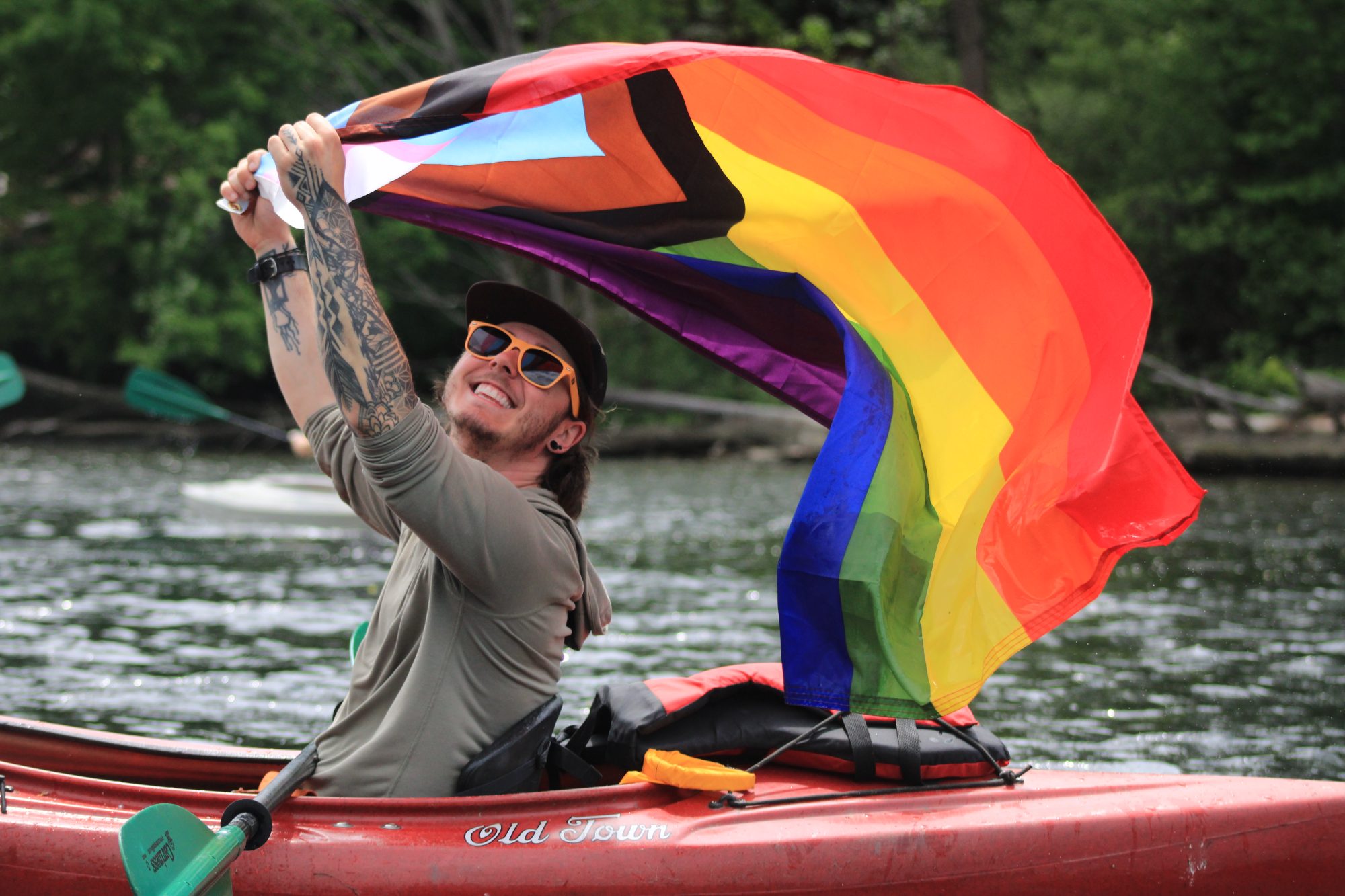
For generations, “the outdoors” conjured images of a backcountry playground for rugged, predominantly masculine adventure, meant for able-bodied cowboys and mountaineering heroes. The message to everyone else—including women, LGBTQ+ folks, BIPOC communities, athletes with disabilities, the list goes on—was clear, even when unspoken: This isn’t for you. From lack of representation to the fear of harassment (or worse), going outside for recreation has felt intimidating, isolating and unwelcoming to many.
A growing outdoor movement is rewriting that story, striving to make the outdoors open to everyone. For example, queer-led and queer-welcoming groups nationwide are taking LGBTQ+ kids and adults into the wilderness, up ice walls, across trails and into summer camp. Here are three organizations and grantee partners of the community-driven nonprofit REI Cooperative Action Fund that share the conviction that access, community and joy outside are not extras. They’re the whole point.

Jump Ahead
- Inclusive Outdoors Project works to create access to some of the most historically gatekept outdoor activities, such as ice climbing, mountain running and more.
- The Venture Out Project has helped LGBTQ+ folks celebrate life outdoors and find joy in nature since 2014, and now boasts 31 chapters nationwide.
- Brave Trails helps queer youth learn leadership skills and build community with multiday camps in California, Georgia and New York.
Inclusive Outdoors Project
| Location | Years Active | Impact | Website |
|---|---|---|---|
| Bozeman, MT | 6 | 200+ community members served across all programs | inclusiveoutdoorsproject.com |
When the COVID-19 pandemic hit in 2020, Vasu Sojitra—a disability access strategist and professional athlete for The North Face based in Bozeman, Montana—watched as marginalized communities bore the crisis’s sharpest edges, losing support systems and access to resources. People were isolated, and access to the outdoors, always uneven, became even harder to reach. He started scouring his outdoor network, hitting up organizations like Montana Alpine Guides, Beartooth Powder Guides and The Rut, hoping something could be done.
“During COVID, we saw that most marginalized communities were getting affected disproportionately,” Sojitra says. “We decided to put our heads together with a bunch of orgs to run an ice climbing clinic—it was a great opportunity to still keep our social distance but also get people outside.”
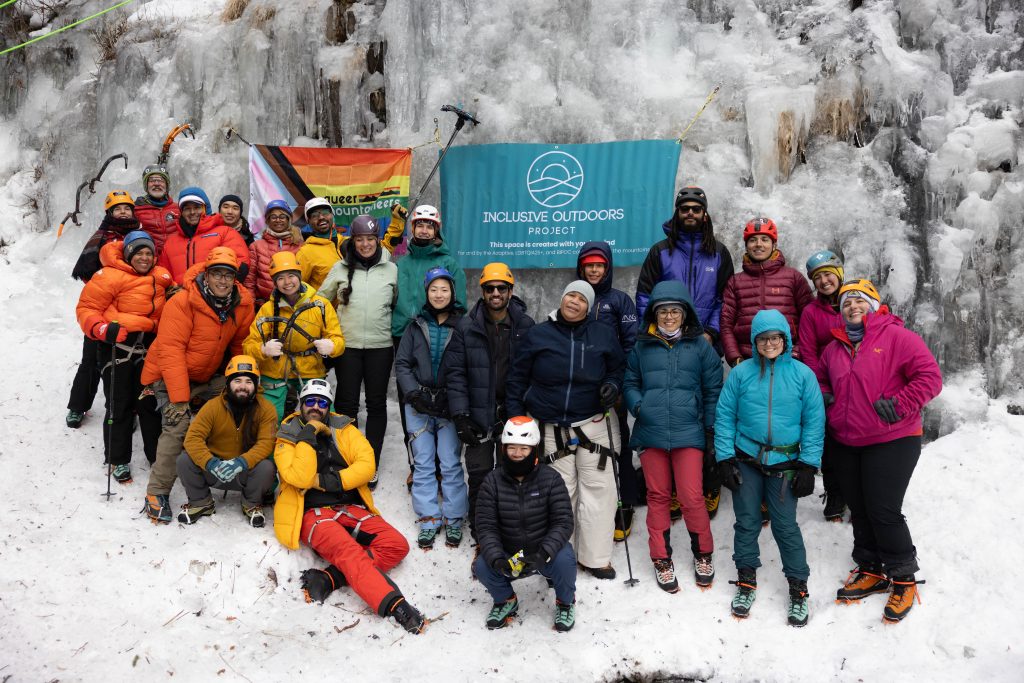
That first guided climbing session was so successful it became the seed of something larger: the Inclusive Outdoors Project, a group dedicated to reducing the barrier to entry for some of the most historically gatekept outdoor recreational activities, like mountaineering and climbing. Sojitra describes the project as something both simple and expansive: “It’s a space created with you in mind—designed for and by the Adaptive, Queer, and BIPOC communities in the mountains.”
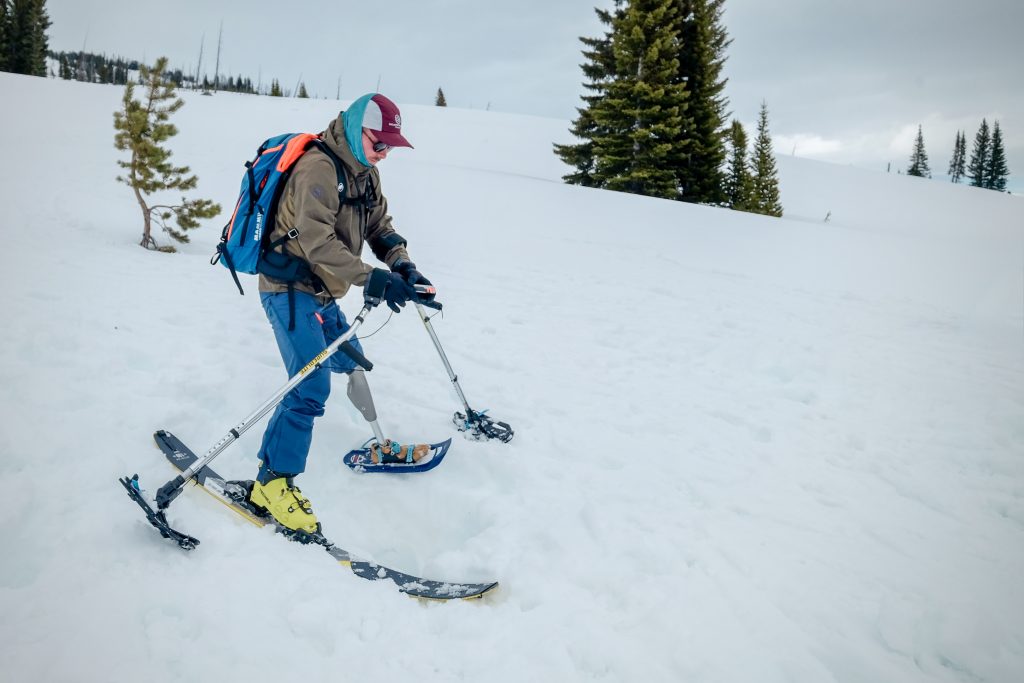
Today, the organization runs four programs: inclusive ice-climbing clinics; mountain-running events; an adaptive avalanche safety course (reportedly the first for athletes with disabilities in the United States); and more laid-back outings like craft nights and flower identification walks, hosted through the org’s Bozeman chapter, the Mellow Mountaineers.
Inclusive Outdoors runs nearly everything through partnerships with established outdoor orgs like avalanche safety and ski mountaineering skill-builders Beartooth Powder Guides, rather than starting from scratch. “We try not to reinvent the wheel,” Sojitra says. His organization provides the audience—community members who trust Inclusive Outdoors to create welcoming spaces—while the partners provide technical infrastructure. But don’t picture events specifically geared toward any one marginalized identity. All attendees—Queer, BIPOC, or living with a disability—mix together.
“Each community is becoming less siloed through the programming,” Sojitra says. “They’re learning from each other—about disabilities or gender or sexuality or race. It’s kind of a cool way to integrate. Not forcing someone to learn about someone else’s community, but doing it without saying.”
The Venture Out Project
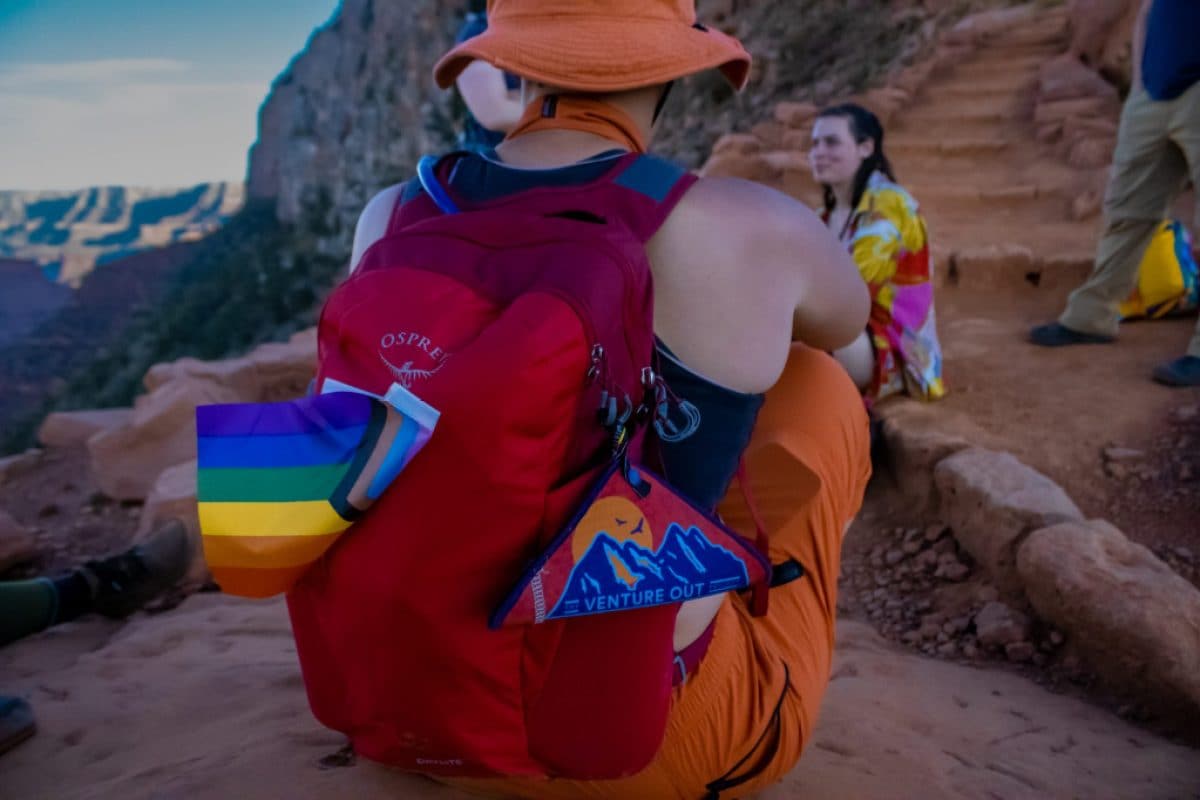
| Location | Years Active | Impact | Website |
|---|---|---|---|
| Massachusetts (HQ), 31 chapters nationwide | 12 | 1,000+ participants at 100+ events in 2025 | ventureoutproject.com |
A simple but radical observation inspired The Venture Out Project (TVOP): In the backcountry, there are no mirrors or gendered bathrooms. For transgender people navigating a world full of reflective surfaces and loaded restroom decisions, that can feel like an exhale.
“The outdoors made Perry [Cohen, TVOP founder] feel proud of what his body could do and where it could take him as he navigated his own transition,” says Jacob Sheppard-Saidel, the organization’s manager of administration. “He wanted other people to feel—even if just for a moment—grateful for their bodies and where they could take them.”
Twelve years later, TVOP is one of the most expansive queer outdoor organizations in the country, with 31 chapters (up from nine just a year ago) and a mission centered not on peak-bagging or miles logged, but on connection. Programming spans multiday backcountry trips, sauna events, forest bathing, birding hikes and skill-building workshops, including wilderness medicine training. The goal is accessibility at every level—not just financially (most events are pay-what-you-can), but also in terms of physical ability, proficiency and the experience of walking into a new space simply knowing you’ll belong.
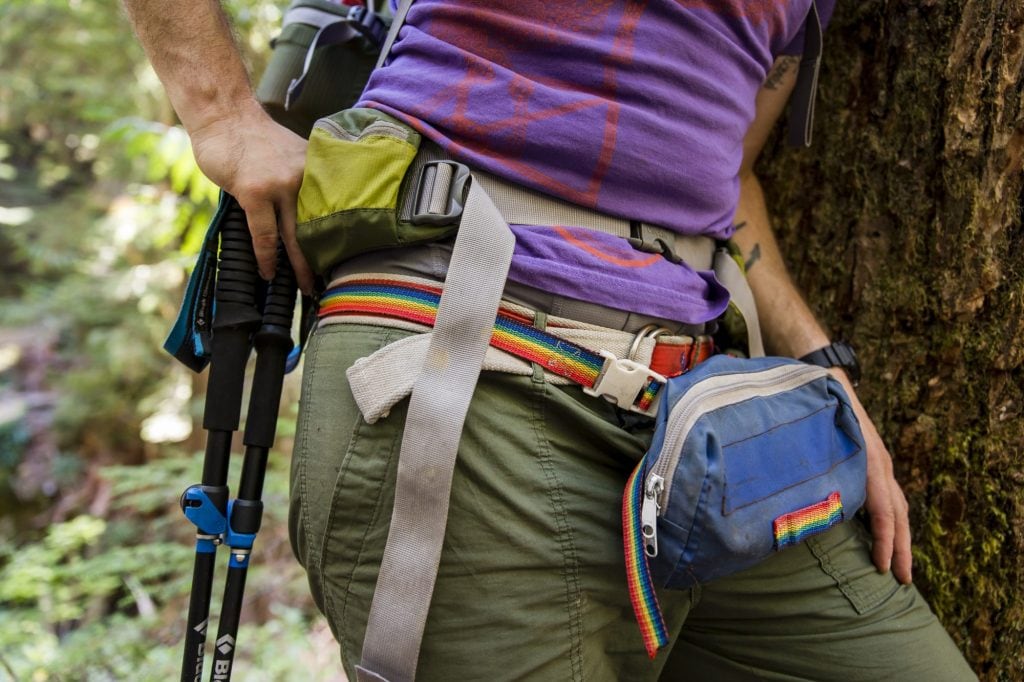
The numbers tell a remarkably diverse story: In 2025, 99% of TVOP attendees identified as LGBTQ+. Within that, 50% percent were trans, more than a third were nonbinary, 25% identified as people of color, and 25% identified as people with disabilities. “A lot of LGBTQ+ spaces center [cisgender] gay men, people with wealth privilege, people with race privilege,” says Sheppard-Saidel. “Our spaces really center people that don’t fit in a lot of other queer and LGBTQ+ spaces.
Cohen often tells a story about a TVOP day hike a few years ago, Sheppard-Saidel says. At the end, a participant came up and said it was the first time they had ever met another trans person. They had driven two days to be there, saying it “was worth taking five days off work, unpaid, to make the trek.”
That story inspired an organizational goal: to have a chapter within a half-day’s drive of any major U.S. city. They’re well on their way.
Brave Trails
| Location | Years Active | Impact | Website |
|---|---|---|---|
| Los Angeles, CA (HQ), with events in CA, NY, GA | 11 | $200,000 in scholarships awarded annually; campers from all 50 states and 19 countries | bravetrails.org |
In 2014, Jessica Weissbuch made a life-changing pot of spaghetti. She threw a fundraising dinner party in her backyard, raising enough money to launch something she wished she had as a queer kid: Brave Trails, a queer, leadership-focused summer camp. She had a simple goal: If 15 kids came to that first camp, it would be a success.
Forty-three showed up.
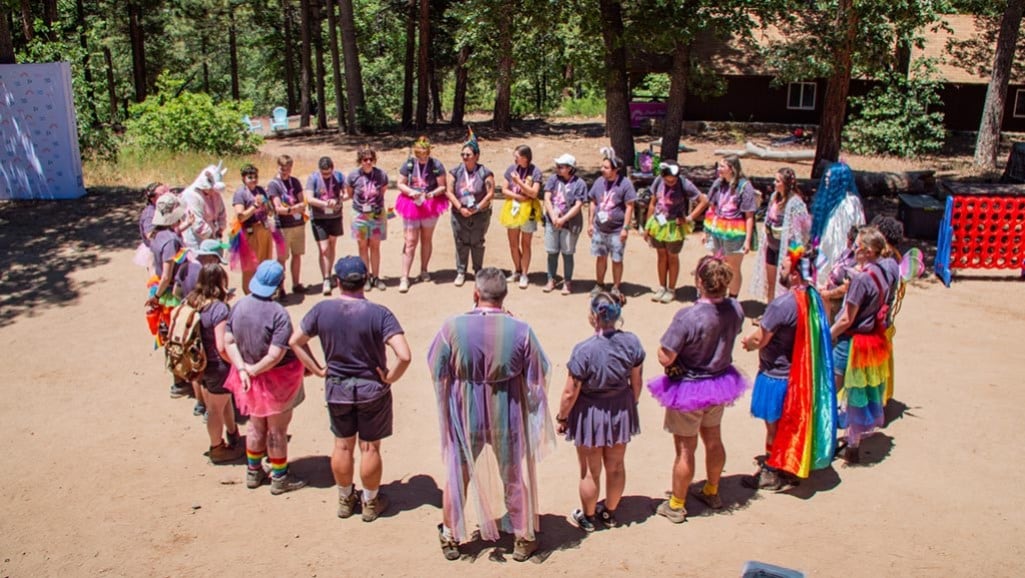
Now in its 11th summer, Brave Trails runs youth leadership summer camps across the U.S., welcoming LGBTQ+ campers from all 50 states and 19 countries. Beyond campfire fun, the program’s cornerstone is, per Weissbuch, like “a queer science fair.” Campers are broken into interest groups (anything goes), researching a topic over nine days and presenting their work to the community.
The leadership curriculum also includes the harder stuff—knowing your rights as a queer young person, understanding queer history, learning how to start an LGBTQ+ group at school and developing mental health tools. “There are a lot of people telling us that we’re not OK, especially right now,” Weissbuch says. “It’s really important to create a space for these kids to come and not have to look over their shoulders.”
Brave Trails’ programs, which also include virtual events and multiday backpacking trips, bring together all walks of life: out kids and closeted kids, kids from major cities and kids from rural or conservative communities, kids who grew up surrounded by queerness and kids for whom this is their first queer space. The research bears out its impact: Brave Trails has tracked participant outcomes with the University of Washington since day one, finding that most campers experience reduced depressive symptoms and increased self-esteem.
But a more heartfelt measure of impact might be this: This summer, 10 former campers are returning as staff members—and one of them has said publicly that Brave Trails quite literally saved their life.
“Hearing things like that,” Weissbuch says, “are the why.”
Learn more: The REI Cooperative Action Fund
All three organizations are grantee partners of the REI Co-op’s Cooperative Action Fund. To learn more about the fund—including how to donate, find partner organizations near you, or recommend an organization for future consideration—visit REIfund.org.