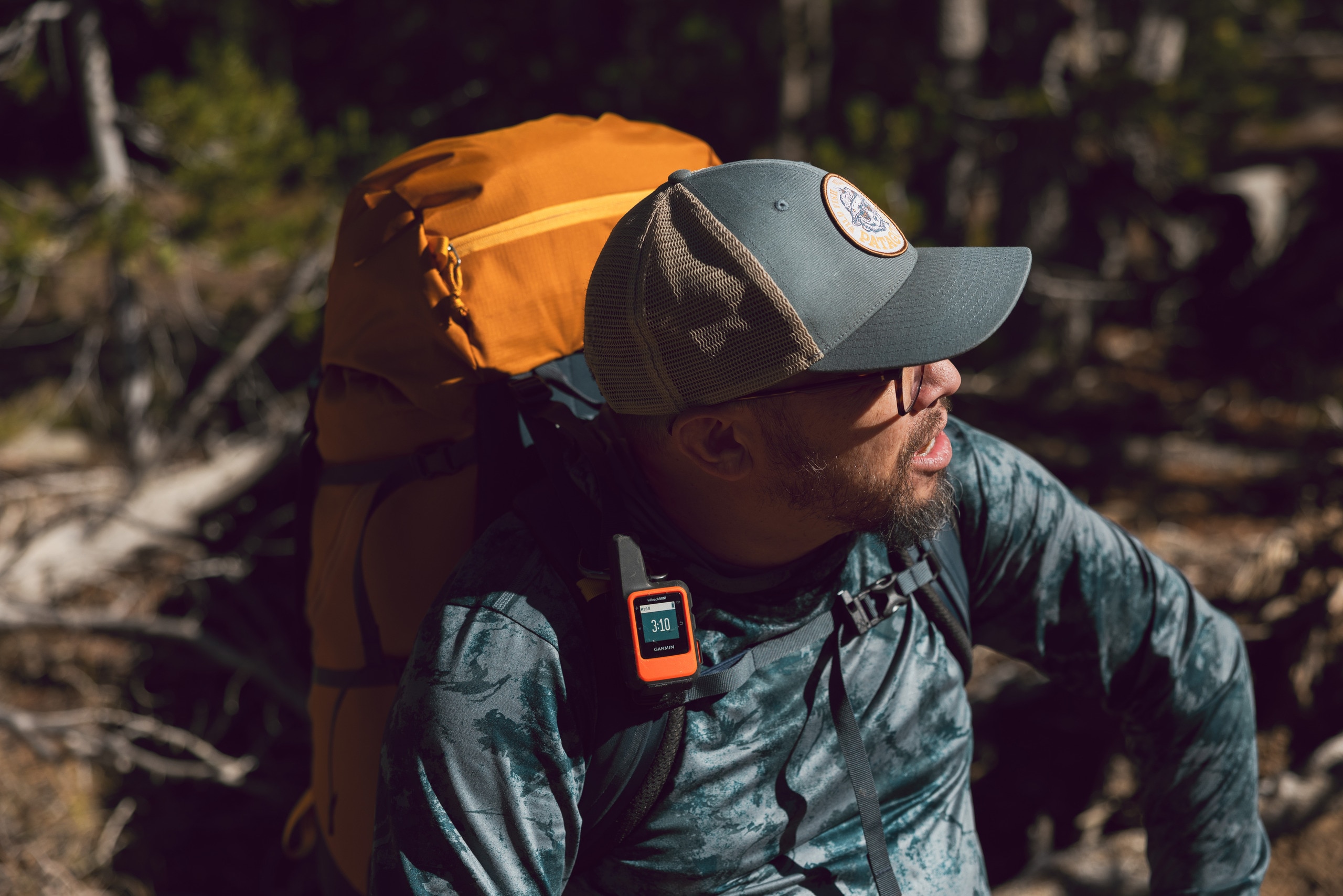
When you’re traveling beyond cellphone coverage but still need to swap messages with the connected world, satellite devices save the day. Race organizers use satellite communicators to support participants on far-flung courses, and outdoor guides rely on them to coordinate pickup times out of the backcountry. Hikers, backpackers and other backcountry adventurers also carry them for peace of mind. Should anything unexpected happen in the backcountry, they can use satellite communicators to call for help or alert family to a trip delay.
The satellite communicator category spans three options: smartphones with satellite capability, personal locator beacons (PLBs) and satellite messenger devices. Choosing the right one depends on whether you want to call for help in an emergency only, send and receive messages while in remote areas, access navigation features or some combination of those services.
In this article, we’ll cover:
Editor's note: We updated this on Oct. 13, 2026, with the latest information about different satellite communicator devices.
Which Satellite Communication Device Is Right for You?
Your Needs | Recommended Option |
Occasional off-grid travel | Smartphone with satellite capability |
Emergency-only communication | Personal locator beacon (PLB) |
Multi-day remote trips | Dedicated satellite messenger |
Frequent backcountry travel or expeditions | Two-way satellite messenger |
Choose a smartphone if…
You only occasionally travel beyond cell coverage
You have verified your phone’s satellite capabilities and coverage
You prefer the familiar smartphone interface instead of carrying a second device
You’re comfortable managing battery life and protecting your phone from weather and impacts
Choose a personal locator beacon if…
You travel in remote areas occasionally and only need a way to call for help in a life-threatening emergency
You only want an emergency device for one-way SOS alerts
You want to avoid ongoing subscription costs
You want always-ready battery reliability
Choose a satellite messenger if…
You regularly spend multiple days in the backcountry beyond cell service
You want the ability to send and receive non-emergency messages as well as SOS alerts
You’re willing to cover subscription costs
You want additional features such as navigation, weather updates, location sharing or videos
Satellite Networks: Explained
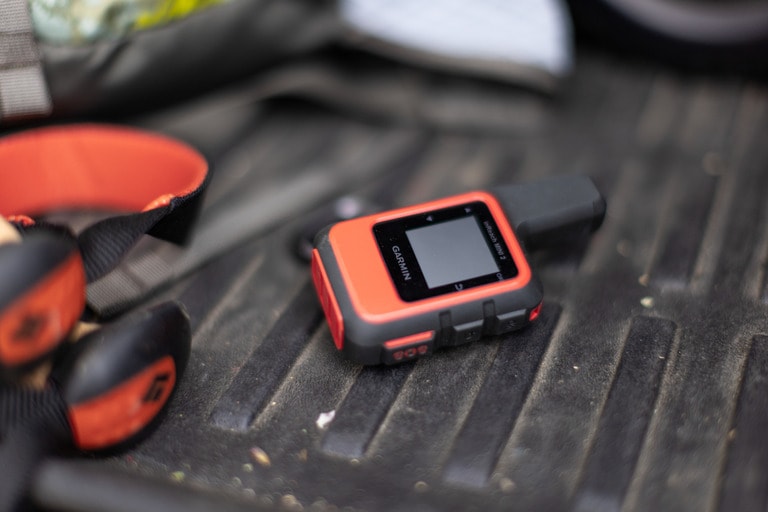
Satellites are radio relays that orbit the earth and facilitate long-distance communication. National governments operate some satellite networks. Others are owned and maintained by private companies such as Iridium (which powers devices like the Garmin inReach and ZOLEO) or Globalstar (used by the SPOT brand), which sell subscriptions for their services.
Satellite messenger devices are designed to work with certain networks. Users generally need an active subscription to that network (more on this below). Satellite networks vary in their coverage areas. For example, some provide comprehensive service over North America but not in other parts of the globe. Thus, it pays to consider the pros and cons of each network and review coverage information to determine which will best fit your needs.
Personal locator beacons don’t require a subscription to a commercial satellite network because the only message they can transmit is a basic “need rescue” alert. To do this, PLBs use the internationally supported Cospas-Sarsat system.
A caveat before heading into the backcountry
Communication is no substitute for active navigation. One mistake some make is relying on a satellite communicator as a replacement for backcountry travel and navigation skills. Hikers, backpackers, climbers and others should still carry a map and know how to follow a route.
Although satellite messengers make it easy for users to follow a route into the backcountry, it’s still important to evaluate that map, compare it with natural landmarks, and generally stay in command of your progress. Otherwise, you risk becoming lost—even with a functioning satellite messenger. “We frequently help people who don’t know where they are, and we can talk them back onto their route if they can use the device’s mapping app,” explains Doug Klingemann, incident commander and team leader for Routt County Search and Rescue in Colorado. If they can’t? “We have to physically come and get them,” he says.
Smartphones and Satellite Communication
Until recently, smartphones had no satellite capabilities, relying instead on shorter-range cellular networks that don’t often cover backcountry zones. “People who ventured off-grid had to rely on specialized devices [PLBs and satellite messengers] for communication,” explains Cameron Castro, assistant category merchant for electronics at REI.
Recent advances in smartphone technology now allow some newer phones to send messages via satellite when cellular service is unavailable. T-Satellite (a service offered by T-Mobile and Starlink), for example, allows some newer phones to access satellite networks to send an emergency SOS as well as send and receive texts and voice chat over certain apps like WhatsApp. Satellite Connection by Apple allows iPhone 14 or later models to send messages via the Globalstar satellite system when no cellular or Wi-Fi network is available. It's critical to check your phone’s coverage, capabilities and required setup before you head into the backcountry. It’s also a good idea to have backup communication and navigation options since cellphone batteries tend to drain the fastest of all these options, and coverage might be imperfect in less-than-ideal conditions.
“The entry of smartphones into the category makes it easier now, more than ever, to connect to a satellite to message someone when you’re off the grid,” says Castro. “Smartphones with satellite messaging have absolutely expanded awareness of off-grid communication, and for many consumers they're a great first step.”
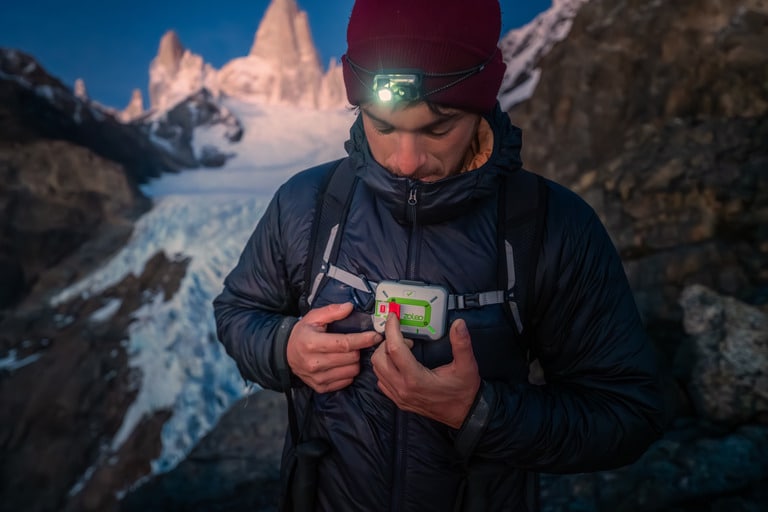
Smartphones are also increasingly serving as the user interface for satellite devices that lack screens and keyboards (read more about these pairings in Using Satellite Messenger Devices, below).
Smartphones with satellite capability may be good choices for those who travel off-grid occasionally, but others who venture more frequently into the backcountry might consider a dedicated satellite messenger. Among their advantages, Castro says, “They typically have significantly longer battery life, are designed to withstand harsh outdoor conditions and they don’t compete with all the other functions that drain a phone battery during a trip.”
Personal Locator Beacons vs. Satellite Messengers
A personal locator beacon does just one thing: It issues an emergency call for help at your location. Meanwhile, a satellite messenger is a multitasker, capable of transmitting communications ranging from preprogrammed updates (“I'm checking in, everything is okay”) to two-way chats with photos and news from home.
Personal Locator Beacon | Satellite Messenger Device | |
Pros |
|
|
Cons |
|
|
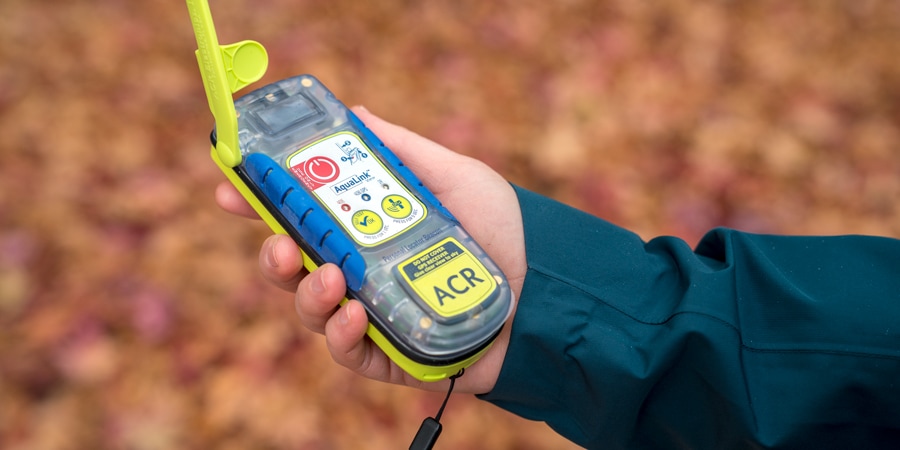
Though basic, PLBs like the ACR Electronics ResQLink 400 Personal Locator Beacon have several advantages. Their built-in lithium batteries last a long time (about five years) and they’re always ready for action: You don’t have to remember to charge a PLB before you head out on a trip. While you pay up-front costs to purchase it, the device doesn’t require a satellite subscription to operate, which can add up over time.
The tradeoff with PLBs is that you can’t fine-tune your message. “It’s an SOS signal that calls in the cavalry and brings in all the resources needed for a lifesaving rescue,” explains Adam Thomas, training and standards coordinator for REI, who served for eight years as field team leader on a Virginia search and rescue squad. This response might be overkill if you’ve simply sprained an ankle and will be late returning home. And lacking two-way communication capability, PLBs don’t let you know if your SOS was received, or whether help is coming.
The major advantage of a satellite messenger device is that you can tailor your message. “You can say ‘Hey, my back is spasming again. I’m going to have to take it slow,’ so folks know you’re delayed but okay,” explains Thomas. Messengers with two-way capability also let you receive alerts that might influence your plans in the backcountry: Perhaps your child broke an arm on the playground, or your pregnant partner went into labor ahead of schedule.
As for the downside to satellite messenger devices? It’s the expense and management of a network subscription, which can range from a few dollars a month to $50 a month for a premium plan. Over time, those monthly costs may exceed the price of the device itself, says Castro. Although networks generally allow users to suspend subscriptions when they’re not needed, you’ll need to remember to reinstate yours—and recharge your device—before heading out for your trip.
“If you just want peace of mind for the worst-case scenario, a PLB might be the way to go,” says Thomas. “Many people, though, find satellite messenger devices to be worth the investment, given all their functionality.”
Using Personal Locator Beacons
Before you can use any PLB, you’ll need to register it, for free, with the National Oceanic and Atmospheric Administration (NOAA). Registering helps rescue teams find you faster in an emergency and contact you to confirm false alarms (about 98% of all beacon activations are false alerts, according to NOAA). This U.S. agency monitors distress signals on the internationally funded Cospas-Sarsat satellite network that PLBs use to transmit emergency calls for help. To connect with distant satellites, PLBs use a high-powered, 406 MHz signal that’s dedicated to emergency use.
How it works
If the PLB is activated, the satellite network relays your distress call, including your precise location and personal details associated with your device registration, to response agencies located worldwide. Calls within the U.S. are fielded by the Coast Guard or the Air Force, which alerts search and rescue agencies. The system’s international reach allows the PLB to function in the planet’s most remote corners. Rescue capabilities, however, vary depending on where you are around the world.
The simplicity of a PLB has benefits. These devices are easy to use, and in an emergency, easy is a real boon. Typically, you extend the antenna and push a button to send a distress signal, though the exact method may vary by beacon. Beacons work best with a clear view of the sky to reach orbiting satellites.
A PLB’s reliability makes it a popular backup safety measure for explorers who head to truly remote areas: They may use a smartphone or satellite messenger device as their primary communication and navigation tool but if that method (or its battery) fails, the simpler PLB provides an alternative way to get saved.
Ongoing maintenance is simple as well. In the U.S., you’ll need to update your device registration every two years and whenever personal information (such as address or emergency contact) changes. If you sell the unit, the new owner must register the beacon with their details.
The built-in battery lasts for years (typically five) but it can’t be recharged at home. Battery life and replacement costs vary by model, making these details worth confirming before purchase.
Using Satellite Messenger Devices
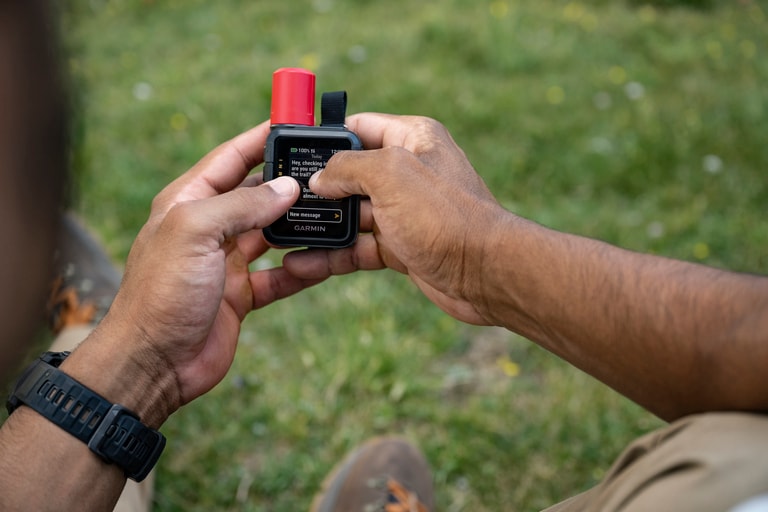
Satellite messengers do much more than send an SOS. Like PLBs, they use satellites to communicate when cell coverage isn’t available. Unlike beacons, they rely on privately-owned satellite networks that charge for their services.
“When you’re traveling in the backcountry, well beyond cellphone range, a satellite messenger can be your lifeline should you get off-route or have an injury,” says Klingemann. The device also transmits your precise location for rescue. “Having your exact location makes life a lot easier for us and lets us respond much quicker,” Klingemann says.
Satellite messengers come in a variety of formats that you can tailor to your needs and budget. Read on for a brief breakdown of the considerations, or for a full breakdown on how to buy a satellite communicator, click here.
One-way satellite messengers
In addition to sending SOS alerts, one-way messaging devices like the SPOT Gen4 let you send preprogrammed messages while you’re traveling. You can let friends know that you’ll be late to the trailhead, or that foul weather will delay your return by a day, or that you’ve arrived safely at camp. But with a one-way satellite messenger, you won’t get the benefit of a response. “You won’t know if your contact got the message, or how long you’ll wait for help,” explains Thomas.
These require subscription plans. The SPOT Gen4, for example, has a basic plan that starts at about $12 a month.
Two-way satellite messengers
A two-way satellite messenger allows you to send and receive messages. This two-way messaging allows rescuers to request more info about your location, injuries or other details about your emergency. It also lets your contacts reply to your messages. Two-way messengers let backcountry travelers hear about urgent developments at home. “Hikers who care for an elderly parent or who have kids at home may want to be contactable if they’re needed,” says Castro.
Texts aren’t all that satellite messengers can transmit. Some devices (and related subscription plans) can send photos, post to social media, issue weather forecasts using a built-in barometer and let people track your progress in the backcountry. “If you’re doing a once-in-a-lifetime trip, people can follow along,” explains Thomas. Some, like the inReach Mini 3, allow GPS mapping and navigation capability.
But fancier isn’t always better, says Castro, because feature-rich devices cost more initially and require higher service costs. “If you only head off-grid occasionally, or if you don’t use the expanded features, you’re better served with a simpler device,” he explains.
Satellite messenger devices with smartphone integration
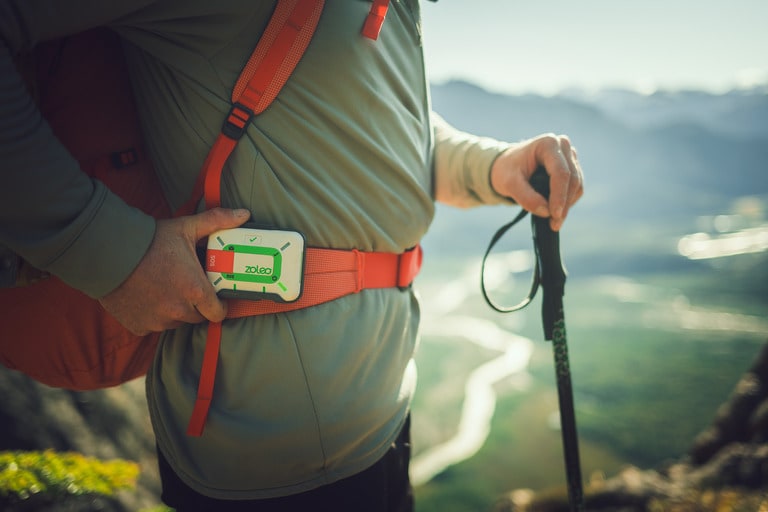
Some messenger devices like the ZOLEO ZL1500 keep things simple by foregoing a built-in display screen. Instead, they pair your smartphone via Bluetooth, and you use an app to send and receive messages and other functionality. This allows the satellite messenger device to remain small, simple and lightweight. Such models generally cost a bit less as a result. And the smartphone interface is already familiar to most people, making the combo particularly easy to use, notes Thomas. “It means you don’t have to learn a new system to get satellite messenger capability,” he says. The trade-off is keeping track of two devices, not one—and keeping both batteries charged.
Battery management
Battery life is a limiting factor for all satellite messenger devices, says Klingemann. That’s why he always carries a power bank on missions and on personal adventures into the backcountry.
Coverage and service plans
Understanding the device’s feature set and capabilities is important. But it’s just as important to weigh the pros and cons of the various satellite networks and supporting subscriptions. The Iridium network (used by Garmin) and the Globalstar network (used by SPOT) vary in coverage depending on where you are across the globe, so review those maps before you buy. “Compare the satellite coverage to the places you travel,” urges Thomas. And peruse the subscriptions to make sure you’ll get what you imagine. “Some only permit a limited number of preprogrammed messages, while others allow for more customization and more transmissions,” says Thomas.
Sky visibility
Finally, consider whether you’ll be traveling where you have access to the open sky. Messenger devices sometimes have trouble connecting to satellites from locations that are covered by thick forest or rock walls (narrow canyons are notorious for their poor satellite connectivity). “I’ve not personally experienced a problem during my eight years on rescue in Shenandoah and other forested parts of Virginia,” says Thomas. Still, he says, users should be aware that dense cloud cover and other obstructions can slow or inhibit satellite contact.
Remember: Safety is your responsibility. No internet article or video can replace proper instruction and experience—this article is intended solely as supplemental information. Be sure you’re practiced in proper techniques and safety requirements before you engage in any outdoors activity.