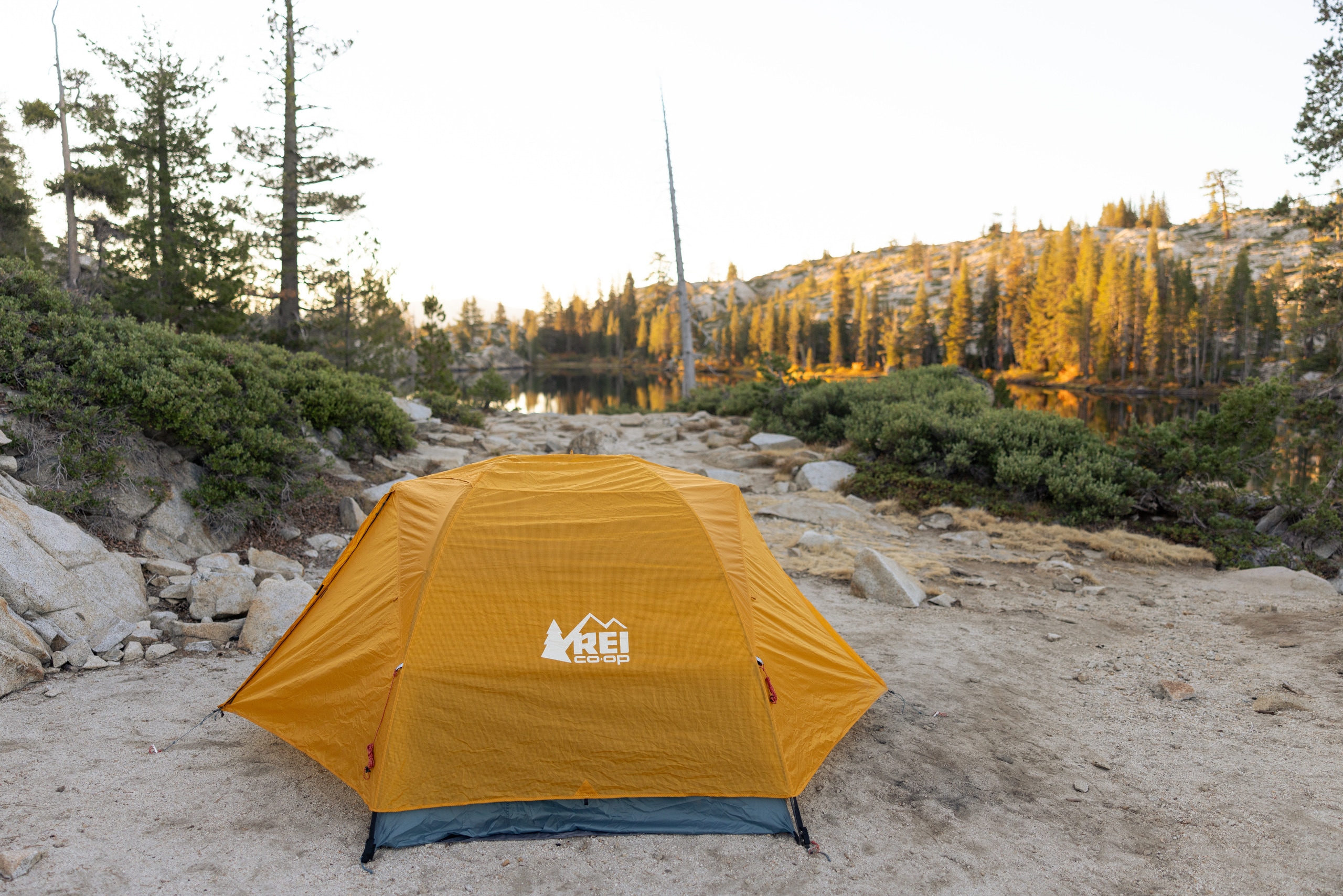
Each year, the Expert Advice editorial team sends dozens of REI Co-op Members and staffers outside to sample gear for camping, backpacking, hiking, running and other outdoor activities. Our volunteer testers head into the field to vet gear and provide honest feedback. They evaluate everything from how a product performs in certain weather or trail conditions to features like the spaciousness of a tent vestibule or the cushion in a solid pair of recovery trainers. Expert Advice editors use those insights to publish roundups of best-in-class gear to help outdoor enthusiasts choose the right tools for their adventure—whether it's a palatial tent for a car-camping weekend or the right pair of runners for marathon training.
We're always looking for REI Co-op Members and staffers across a range of experience levels, ages and backgrounds to join our roster of trusted gear testers. Interested? Read on for more information about how our gear-testing program works and how to become a tester.
Skip ahead:
- What does gear testing involve?
- Am I compensated for gear testing?
- Can I keep the gear after testing?
- How do I become a gear tester?
What does gear testing involve?
Time Commitment
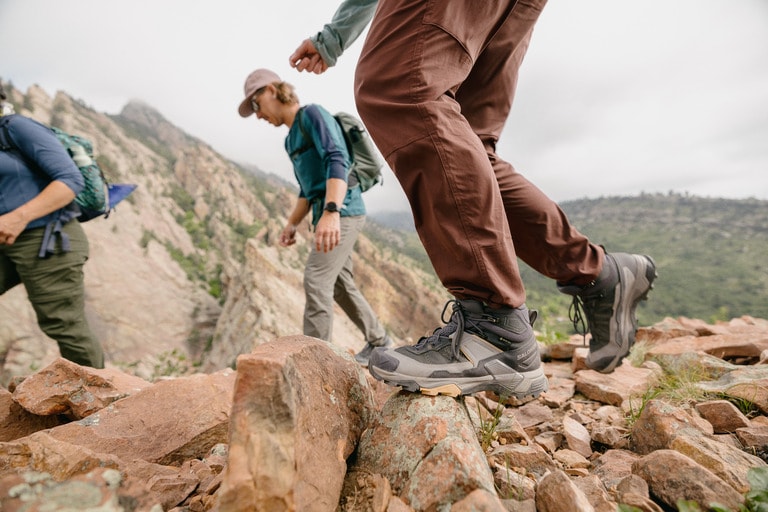
Gear testing is fun, but it's also a time commitment. Because exact requirements depend on what you're testing, Expert Advice editors will communicate testing parameters ahead of sending you the gear. As an example, we typically ask that people take out backpacking and camping tents for at least four nights total (consecutive or not) and hiking boots for 10 miles. We have different requirements for testing coolers, running shoes, snow goggles, apparel and other items. We typically require that you complete testing within a month or two, but this timeline can vary by item and season.
To ensure we gather objective feedback, we have multiple people sample each item of gear. For that reason, we sometimes ask testers to ship their gear to another person after they complete their testing. We always provide prepaid shipping labels so that testers don't incur any of this cost.
The Gear We Test
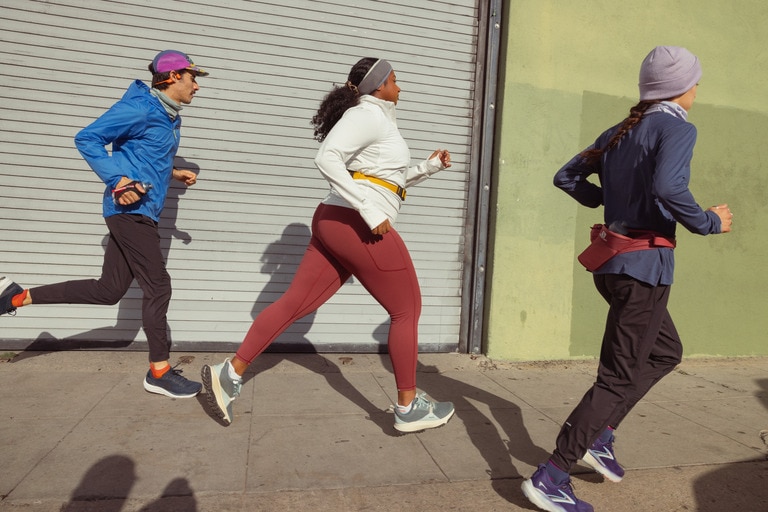
We test a wide variety of items for camping, backpacking, hiking, running, snowsports and daily adventuring. This includes tents, sleeping pads, sleeping bags, hiking boots, gaiters, trekking poles, running shoes (trail and road), running apparel (like bras and shorts), walking shoes, coolers, water bottles, heart rate monitors, ski goggles, snow gloves and more. When you fill out your tester application form (more on this below) we'll ask you about your activity preferences and experience level.
Providing Feedback
To keep scoring as consistent as possible, an editor will provide an online form for you to fill out at the end of your testing period. Questions vary slightly by activity. For instance, we ask about durability, space, weather resistance and sturdiness, among other performance attributes, when evaluating tents. For a cooler, we'll ask about portability and cooling performance. The feedback forms generally take no more than 10 to 15 minutes to complete. We score gear on a scale of 1 to 100, and only the top-scoring gear will be included in the guide.
Capturing Imagery
Though not required, we do appreciate when our testers snap pictures of their gear in use. Cellphone photos are fine, and you do not need to be a professional photographer or feature your face in images. Detail shots are fine! We can provide tips for taking a quality photo ahead of testing.
Experience Level
We don't require our testers to have a minimum level of expertise or experience within a certain activity. Generally, we look for a wide range of experience levels. Sometimes we need a backpacker with a high level of ultralight knowledge and experience to evaluate ultralight gear. Other times, we want someone new to an activity to help us understand how intuitive (or not) an item is for a beginner. We also test everyday items like coolers and water bottles. Our tester application (more on this below) asks questions about your level of experience to help us match you with the right gear.
The only request we have is that you consider your comfort level and skills when agreeing to test gear. Your safety outdoors is your responsibility.
Am I compensated for testing?
At this time, we do not provide compensation for testing gear. We do, however, thank you for your efforts with a $100 REI gift card.
Can I keep the gear I test?
While there are instances when testers get to keep their gear, this isn't something we can promise. It depends on the item being tested, among other factors.
How do I become a gear tester?
Interested in gear testing? You can apply by filling out this form. Due to the volume of applicants, we may not respond to every person. However, you will remain in the gear-tester pool for consideration should an opportunity become available.