When winter arrives, a lot of cyclists go into hibernation. But with the right preparation and mindset, winter riding can be highly rewarding. Trading a commute by car for a commute by bike can absolutely be done. You'll steer clear of snarled traffic, crank up your heart rate and burn through a serious number of calories. You'll also arrive at work fully energized, with the smug satisfaction (justly earned) of having already accomplished something before your workday has even begun.
Another plus is that bike paths and trails that are thronged in summer are transformed, becoming blissfully crowd-free in the wintertime.
The following tips can help you continue riding happily through the winter months:
- Ease into winter riding. Conditions are more challenging than riding in warmer seasons, so start with shorter rides to get acclimated and get your gear worked out.
- Ride the bike you already know.You're used to how your bike handles; no need to buy a winter-specific bike—just add or upgrade a few components on your current one.
- Gear up to see and be seen. Prepare for riding after dark by significantly beefing up your lighting, including bright headlights, safety lights and reflective gear.
- Check and adjust your tire pressure. Air pressure loss happens faster in cold temps; inflate tires to the low end of the recommended range. Consider switching to grippier tires.
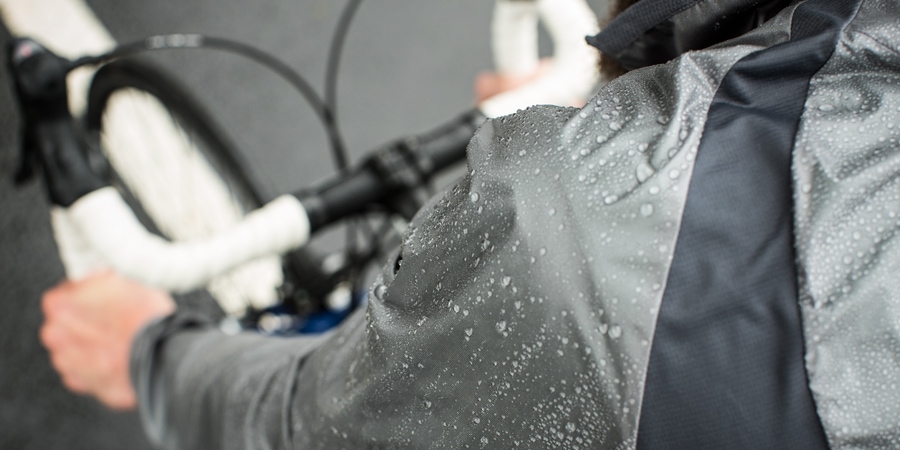
- Dress for warmth. Wear layers so you can adjust to changing conditions; you also need rain gear, gloves, and a warmer helmet and bike shoes.
- Winterize your riding tactics. If a bike lane or shoulder has muck or ice, take the right traffic lane instead. Ride relaxed to improve handling on bumpy, icy or wet roads.
- Clean and cover your bike. Grime and/or ice can build up quickly on winter roadways and, in turn, on your drivetrain, frame and other components.
- Keep electric bike batteries warm. Cold temps drain the battery quickly, so store yours indoors and use riding tactics that conserve power.
We'll cover urban and commuter cycling in this article, but many of these tips also apply if you plan to ride on gravel roads or mountain bike trails in winter.
How cold is too cold to ride? It's too cold any time you wouldn't be comfortable—and aren't prepared—to walk as far as you planned to ride. If your bike breaks down and can't be ridden, you might have to do just that.
Fat-tire biking: Special mountain bikes outfitted with extremely wide tires let you ride on snow-packed terrain in the wintertime. To learn more about this option, sign up for one of REI Co-op's bike classes and rides that introduce you to this fast-growing sport.
Ease Into Winter Riding
Winter cycling is not an all-or-nothing proposition. Start slow to help build confidence, hone skills and shake down your gear. Overextending too soon can lead to disappointment, whereas short, fun rides can fuel enthusiasm to keep going. If you have a long commute to work, the following strategies can help:
Take public transportation part of the way. Many buses and trains have bike racks or storage areas.
Drive part of the way. Parking and riding your bike the rest of the way shortens the ride and lets you avoid hazardous commute segments.
Alternate riding days. Bike the full commute every other day or every third day.
Ride a Bike You Already Know
Bikes designed for use on both pavement and dirt are better bets in slippery conditions, but any bike you ride in other seasons can be adapted for winter riding.
Ice and grime build up more quickly on drivetrains during the winter, and suspension systems are more sluggish in cold temps, so some people prefer to ride an older, more basic bike. That might mean a bike with fewer gears and shocks only in the front (or no shocks at all). For wet-weather braking, a bike with disc brakes works better than one with rim brakes.
Regardless of the bike you have, you can set it up for winter conditions. Lighting and tires are the most important considerations (covered below). Add fenders to shield against tire-sprayed snow, water and muck. Fit an insulated water bottle into your bottle cage and fill that bottle with a warm beverage (even warm water) to help take the chill off.
Gear Up to See and Be Seen
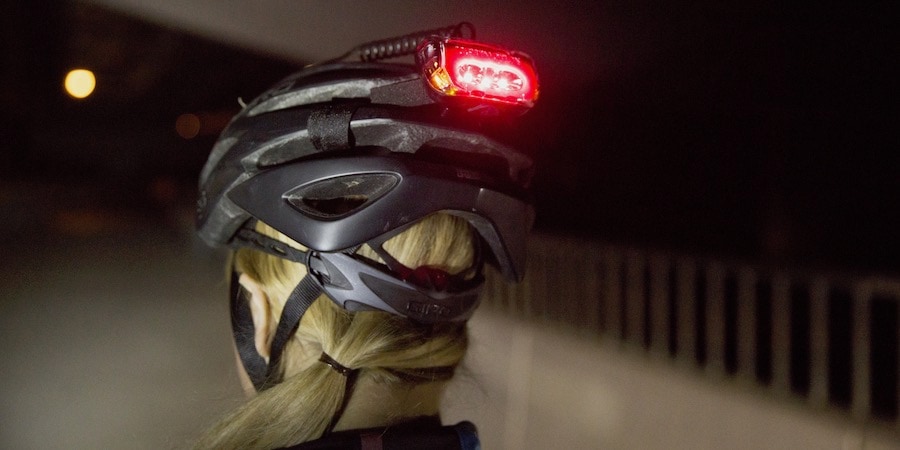
Daylight is fleeting in the winter so prepare to ride in total darkness. That means bright lights and an impossible-to-ignore amount of reflectivity. Batteries drain more quickly in the cold, so fully charge batteries before any ride, and carry spare batteries for non-rechargeable lights.
Bike Lights
Get the brightest lighting you can afford, especially in front. Two light sources in front and two in the rear provide backup should a light fail; they also provide multiple points of visibility.
Front lights: Your brightest one goes on the handlebar; the other light goes on your arm or helmet, so you can direct it independently from the handlebar-mounted light.
Rear lights: Place your brightest flashing safety light on the back of your bike and the other one on your helmet, pack or clothing. Deploying the lights that way will make it so that the motion of the two lights differs slightly, which can more effectively attract a driver's attention.
How bright is bright enough? Assume you won't have street lights everywhere. A minimum brightness for the front handlebar-mounted light would be 500 lumens; in rear, the minimum would be 100 lumens. The secondary lights, front and rear, don't have to be quite as bright.
Learn more shopping tips in How to Choose a Light for Your Bike.
Reflective Bike Clothing
Most bike clothing, unless it's made solely for off-road riding, has reflective trim. The more reflective elements you have, the better. If you already have dependable rain gear that lacks reflectivity, wear a reflective vest or bands over it.
At a minimum, you want a driver approaching from any direction to detect at least one reflective element. You can also add reflectors or reflective tape to your bike, clothing or bike bags to increase visibility.
Check and Adjust Your Tire Pressure
Inflate tires to the low end of their pressure range. All tires list a range of acceptable pressures (usually on their sidewalls). Riding on tires pumped up to the low ends of their range puts more tire surface in contact with the road, improving traction. A "softer" tire also absorb bumps, which helps you maintain control if you hit a pothole or rough patch.
Check tire pressure before every ride. This might be the most overlooked routine maintenance task in cycling. Tires lose a small amount of pressure over time, and cold temperatures also reduce air pressure. Get into the habit of checking and adjusting tire pressure before every ride. This task is more important than ever if your tires are at the low end of the pressure range; a small amount of pressure loss can put you on tires that are outside the acceptable range.
Consider switching to knobbier and/or slightly wider bike tires. Tires with deeper, knobbier tread grip better on mucky, wet or slushy surfaces. Wider tires put more surface area on the road, providing more traction. Your bike may accept only certain tire widths, so do some research and talk to a bike tech to be sure a different tire will fit. Learn more buying tips in How to Choose Bike Tires.
An option for icy or snowy roads is studded bike tires that work like studded tires on cars. In severe conditions, the high cost of studded bike tires can be a worthwhile investment.
Flat prevention. Changing a flat tire in cold, stormy conditions isn't fun or easy, so getting puncture-resistant tires or tubes might be wise. Tubeless tires are another consideration, because they are less susceptible to flats than tires with tubes. (Learn when to upgrade to tubeless tires.) A simple, moderately priced way to add flat resistance to a tubed tire is to install a tire liner between your tube and your wheel rim. For more tips, read How to Prevent a Flat Tire.
Dress for Warmth
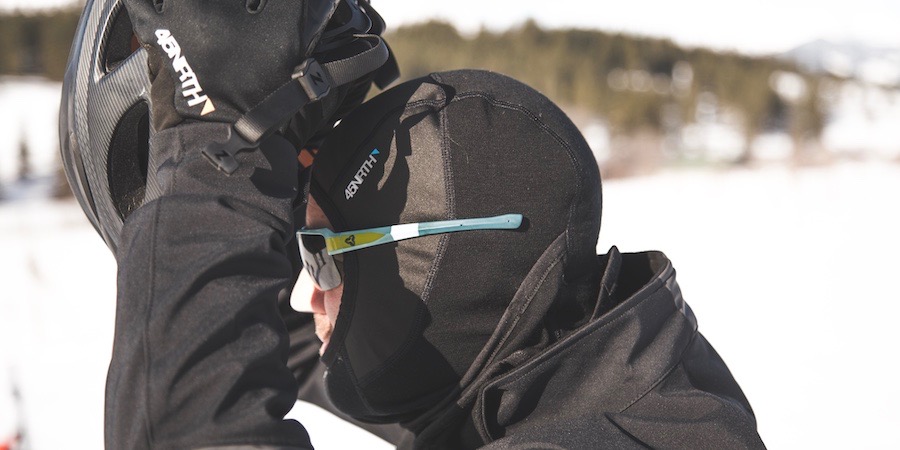
Just as with other outdoor activities, layering bike clothing is the right strategy for winter cycling. Start out feeling a little cool because you'll warm up as you ride. If you don't warm up enough, though, you want the option to add another layer from your bike bag. It's also wise to have a warm jacket for rest or repair stops because you chill quickly when you're not pedaling.
If the weather is really cold, you also want to have a wicking base layer under your bike clothing. At the very least, you need warm tights, a warm long-sleeve jersey and a waterproof cycling jacket and pants. You don't have to buy bike-specific clothing for all your layers, though specialized cyclewear has features that make you more visible and comfortable as you ride.
Cycling headwear: A cycling cap or skullcap that fits under your helmet adds a surprising amount of warmth. For severe cold, consider a face mask or a helmet that covers more of your head. Some helmets can be used for more than one activity (snow/cycle) and feature interchangeable liners to adjust their warmth. Add goggles to protect your eyes.
Bike gloves: Bike gloves that are fully waterproof can keep your hand dry and warm in winter. Find the warmest pair of gloves that still afford you full control of your brakes and shifters. You also need them to grip well in wet weather.
Bike footwear: Most cycling shoes have a snug fit for pedaling efficiency, so some winter riders switch to different cycling footwear that's slightly larger to accommodate thicker socks. Adding wind- and waterproof shoe covers is another way to enhance warmth. Having treaded soles in winter is important to provide traction whenever you have to be off your bike.
Handwarmers and footwarmers: Great accessories for any winter activity, air-activated warmers that slip inside your gloves or shoes can be a godsend on bitterly cold days. Warmers don't heat up instantaneously, so break them out of their sealed packaging a few minutes before your ride.
Winterize Your Riding Tactics
While the far right of the road might seem like a place to stay out of harm's way, that's not necessarily the case in any season. The immediate curb area is where plowed snow, muck and broken glass accumulate. Also, the farther right you are, the harder it is for drivers to spot you in the dark.
Take up the lane: Riding in the middle of the right-hand lane makes you more visible and deters drivers from trying to squeeze by as they pass. (Instead, they're apt to move a full lane to the left.) You'll also be keeping your bike farther away from roadside debris. Note: If the road has a bike lane that's full of snow or other hazards, then ride in the right-hand car lane instead.
Ride relaxed: Locked knees and elbows make it harder to react smoothly. Instead, stay loose and use your legs to absorb any motion created when running over snowy ridges or other road rubble. Be alert and ready to steer around ice, slick leaf-covered surfaces or tire-piercing debris.
Watch out for areas with melted snow because it will likely refreeze overnight. Bridge decks and low spots are also prone to ice formation. If you end up rolling over an icy or slippery patch, then try to coast across without braking or steering.
Clean and Cover Your Bike
Even with fenders, snow and road grit can glom onto bike parts, especially the chain and drivetrain. Minimize muck accumulation to help keep everything working more smoothly. So regular maintenance, a good idea in any season, is essential in the wintertime.
Clean and lube: Wipe down your chain, drivetrain and other bike parts immediately after an especially grimy ride (at least once weekly if you ride regularly). Also do a more thorough clean and lube every few weeks. When you're done with either a wipedown or full cleaning, lightly recoat your chain and drivetrain with a "wet" lube (one made for wet/dirty climates). You don't want a dry chain in the wintertime.
Clean your brakes: Always wipe down your brakes after snowy or dirty rides, and make sure the contact surfaces with the wheels are clean.
Shelter for Your Bike
Rain and freezing temps are hard on a bike, so it's best to store yours indoors if at all possible. The next best place is under a carport, a building eave, a covered porch or garage, sheltered from rain and snow. You can also purchase a bike cover, or improvise one out of a tarp or an old BBQ cover in a pinch. If you do have to leave your bike outside and it gets frozen, thaw the moving parts before riding it. You can speed up the thawing process by bringing your bike into a warm indoor space.
Keep Electric Bike Batteries Warm
E-bike batteries drain more quickly in cold temperatures, so minimize how long the battery is outdoors. While you can't do anything about the temperature outside when you ride, you can remove the battery each night and store it inside a heated room.
For some batteries, you can buy a separate cover to help keep them warmer during a ride, too. Cover or no cover, assume your range will diminish in winter, and ride conservatively to maximize battery life. That means more time in eco mode and less in turbo mode.
Learn other e-bike care tips in Intro to Electric Bike Maintenance.
An All-Season Mindset
With thoughtful preparation, you and your bike can roll happily along all year round. Combine that with a sense of adventure and a little perseverance, and who knows? Come summertime, you might even find yourself counting the days until next winter's riding season.
______________________________________________________________________________
Remember: Safety is your responsibility. No internet article or video can replace proper instruction and experience—this article is intended solely as supplemental information. Be sure you're practiced in proper techniques and safety requirements before you engage in any outdoor activity.
Depending on who you are or where you live, riding at night may feel risky or intimidating, especially for members of communities that most often face barriers to safety outside such as deciding when, where and how to venture out, especially at night. Local chapters of cycling organizations like Black Girls Do Bike and People for Bikes can provide additional helpful information about how to cycle safely in your area.