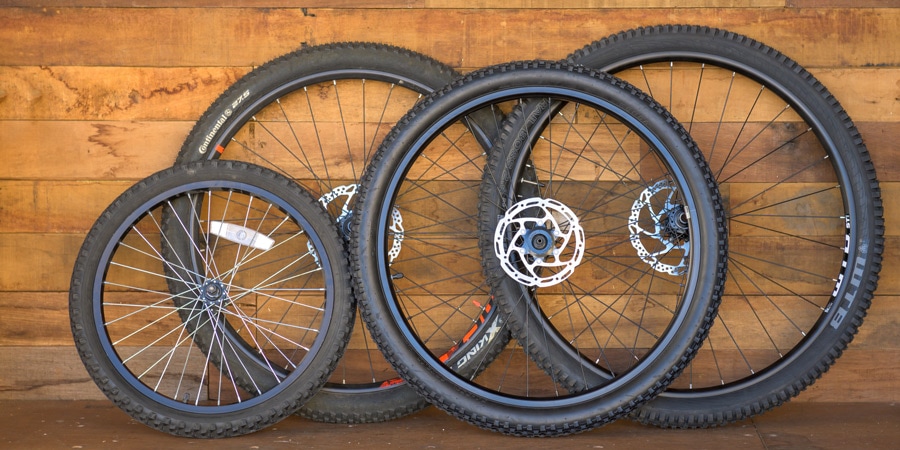
Just as you would replace old running shoes when they wear out, you need to do the same with your bike tires when the time comes. And just as you have choices to make with new shoes, the same applies with new tires. You want to make sure they fit well, but you might want to make upgrades for better speed, durability or simply all-around performance.
This article will help you:
- Know when it's time to get new tires
- How to get the right tire size
- Decide whether to get tubeless tires
- Understand tire widths
- How to get the right size valve and tube
Signs That It's Time for New Bike Tires
- Your tread edges are noticeably worn down and you're getting a lot of flats
- Your bike's handling has gotten noticeably worse
- Your tire tread appears rounded or uneven
- You notice a thread pattern (hashtags) on the sidewall of the tire
- Rubber is beginning to crack or flake off of the knobs or sidewalls
- You notice a distortion in the tire (caused by a damaged casing underneath the outer wall)
- You notice the siping—tiny slits in tires that help their grip on wet surfaces—is disappearing
- You notice a lot of small cuts that may (or do) contain slivers of glass—those can work their way inside the tire and cause flats
- Your wear indicators—typically one or two small dimples—are disappearing (not all tires have wear indicators)
Quick Summary |
|---|
What size do you need?
Tire Type
Bead type
|
How to Get the Right Bike Tire Size
Tire dimensions can be complicated, but you have a straightforward way to find out the size of your current tire:
Check your tire's sidewall—the numbers there indicate your tire size (roughly its outer diameter and its width, but not always in that order).
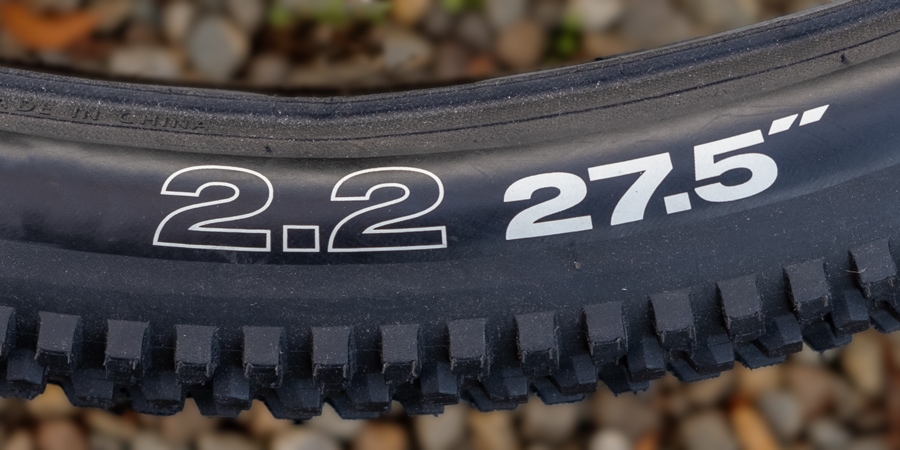
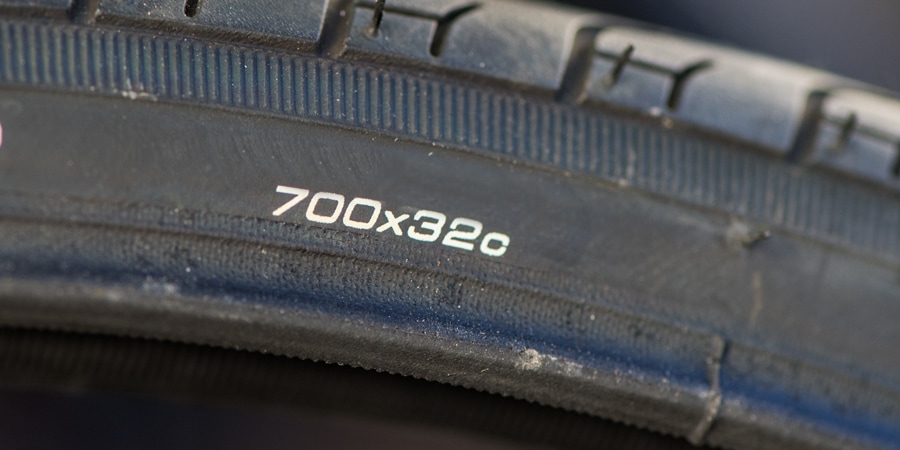
You might see just one set of sizing numbers on a tire, or two or even three. As long as your new tire's size matches one of these sets of numbers, the new tire should fit your bike.
A tire size you might see on a mountain bike: 29 x 2.3 indicates a tire with a 29" outer diameter and a 2.3" width.
A tire size you might see on a gravel bike: 700c x 42mm indicates a tire with a 700mm outer diameter and a 42mm width
A tire size you might see on a road bike: 700x25c indicates a tire with a 700mm outer diameter and a 25mm width.
Another type of tire size might appear on either a mountain or a road tire: 25-622 is the International Standardization Organization (ISO) way of identifying the 700x25c tire in the example above. This system states the 622mm inner tire diameter, rather than the 700mm outer tire diameter, because a key concern is ensuring that wheel size (outer diameter) and inner tire diameter align with one another.
Even though ISO numbers are starting to show up on tires, they aren't commonly stated elsewhere; so you only need to pay attention to an ISO number if it's the only sizing number you have to work with.
Your Choices in Tire Widths
While tire diameter should be an exact match, you do have the option of putting on a tire with a slight variation in width. Some riders opt for wider tires, for example, to give them more traction and a somewhat cushier ride. Things like rim size, fork size and frame tolerances make things tricky here, though, so talk to a bike shop before trying this.
Fat tires and plus tires: Fat-tire bikes are the ones you see with obviously gigantic tires. They work well on snow or sand, and offer a cushy, grippy ride wherever they go. The same rule on size applies, though: Match what's on the sidewall of your current tires in both diameter and width, which might be 4" or more on a fat-tire bike. Plus-size tires, a tweener option between standard and fat, might be 3" or more.
Typical tire sizes: The example sizes below give you a rough guide for tire sizes on different types of bikes today. (As long as your replacement tire size matches your original, though, no need to worry about what style of bike you might have.)
- Mountain bike tires: Outer tire diameters can be 26", 27.5" or 29"; widths range from 1.9" to nearly 5". Some examples:
- Cross-country bikes: 1.9" to 2.3" wide.
- Trail and all-mountain bikes: 2.3" to 2.5" wide.
- Downhill bikes: up to 2.5" wide.
- Gravel bike tires can range from 30mm to 50mm wide for 700c wheels, or up to 54 mm (2.1 inches) wide on 650b wheels.
- Road bike tires: Most road bikes have a 700mm outer diameter, with widths starting at 23 mm. Most road tire widths are less than 30mm, but you can also find tires as wide as 45mm on bikes intended for gravel roads.
- Kids' bike tires: Typical diameters are 20" and 24", though you also see wheel sizes below 20" for very small children's models; widths vary widely as well.
When in doubt about tire options, talk to your bike shop: Not only can a good bike shop answer your questions about the size of your bike tires, they can also advise you on all of your upgrade options and special order a tire to meet your exact needs. It's also wise to ask about the condition of your tires whenever you bring your bike in for a tune-up.
Tubeless Tires
Tubeless bike tires seal directly on the rim and are inflated—no tubes required. If you have tubed tires now, switching to tubeless will offer a substantial performance upgrade. Tubeless tires let you run lower tire pressures—down to 20 psi (pounds per square inch)—for better traction and a smoother ride. They also free you from flats that sometimes result when a tube gets pinched. For more information on whether to switch, read Tubed vs. Tubeless: Should I Upgrade My Tires?
Tubeless-ready tires are available in a range of options, including mountain bike tires, gravel bike tires, road bike tires and city and commuting bike tires. Look for a tubeless designation like "UST" (Universal System Tubeless), the original standard. You'll also see terminology like "tubeless ready" or "tubeless compatible" from some brands.
Your other choices in tire types include:
- Tubeless clincher: This common tire setup includes a tire and a separate inner tube
- Tubular: Less common these days, the inner tube is sewn inside the casing and glued or taped onto the rim
How to Get the Right Bike Tire Type (Tread)
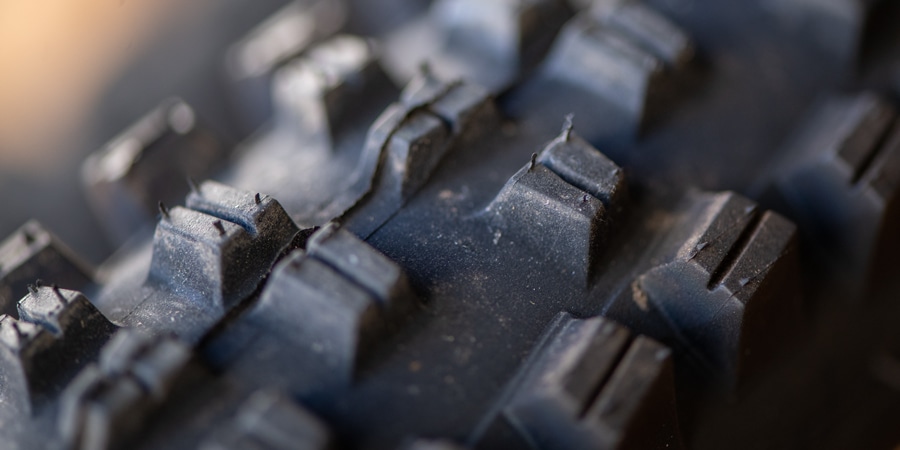
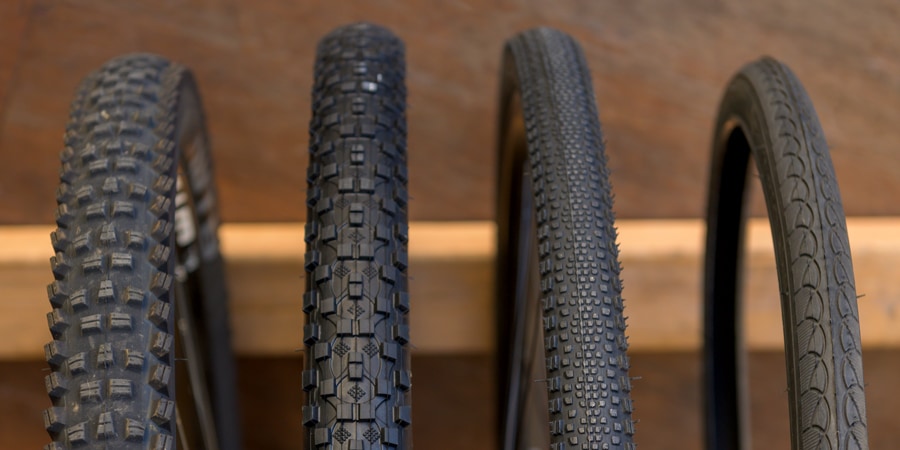
Getting the right tires for your riding style essentially means getting a tread pattern that works for you. On mountain bike tires, the tread consists of a wide variety of knob patterns. On road bikes, the tread pattern ranges from none (slicks) to more subtle grooved patterns.
Below is an overview of types of tread. Translating all of that into the type of tire you need, though, is less straightforward. A tire's intended use (best use) is a good clue. You can also look at the websites of tire makers, many of which explain their tread designs in detail. When in doubt, talk to your bike shop.
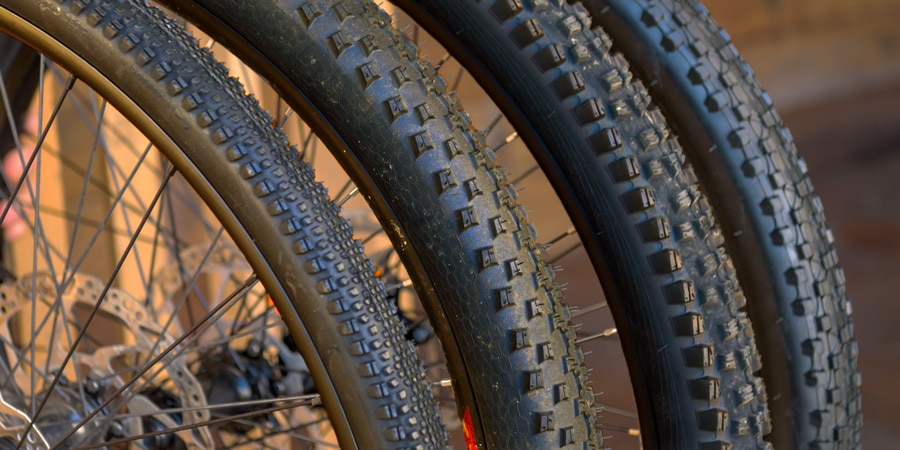
Knobby mountain bike tire types:
- Small, closely spaced knobs are suitable for smooth, dry trails.
- Widely-spaced knobs improve handling in both muddy and loose dirt conditions.
- Siping (a pattern of tiny slits) helps with grip in technical terrain like roots and rocks.
- Small, evenly spaced knobs help with cornering on hardpack.
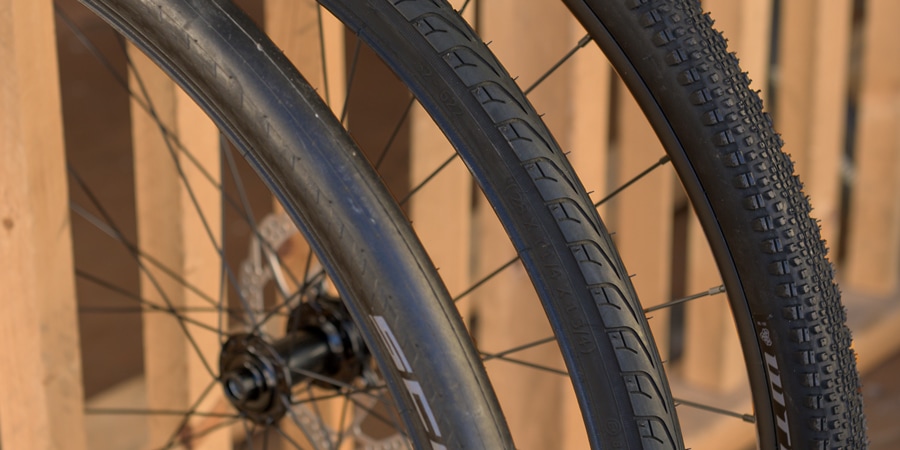
Road-bike tire types:
- Slick bike tires: Feature a barely-there tread pattern for unhindered rolling speed on smooth surfaces like asphalt.
- Semi-slick bike tires: Made for mostly smooth surfaces and some off-road riding, these feature a smooth center for fast rolling, along with aggressive side treads to help with cornering.
- Inverted tread tires: Also designed for some rough-surface riding, they offer a compromise between rolling speed on smooth surfaces and grip on not-so-smooth ones.
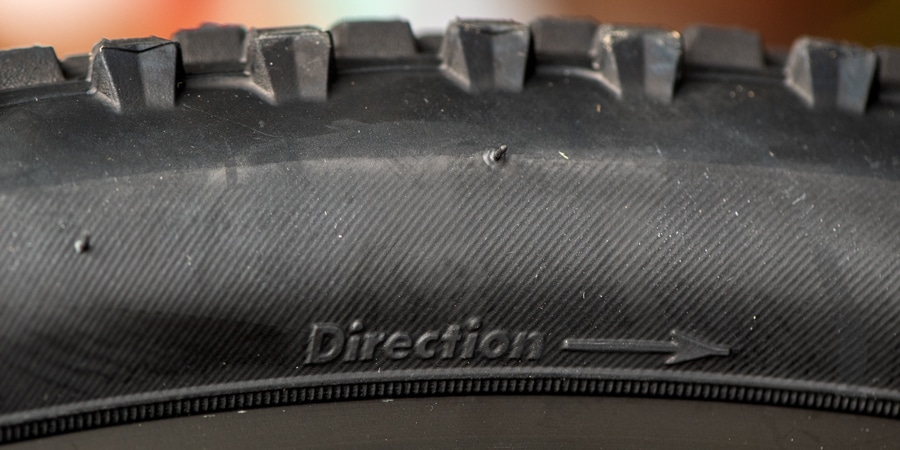
Tread direction: Most tire tread patterns are directional, meaning it's possible to mount them backward and compromise performance. Directional info will be on the tire sidewall, though, so check there before you mount any tire.
Front- and rear-wheel tire treads: Many tires are front- or rear-wheel specific, so be sure your replacement is a match, too.
How to Get the Right Bike Tube and Valve Size
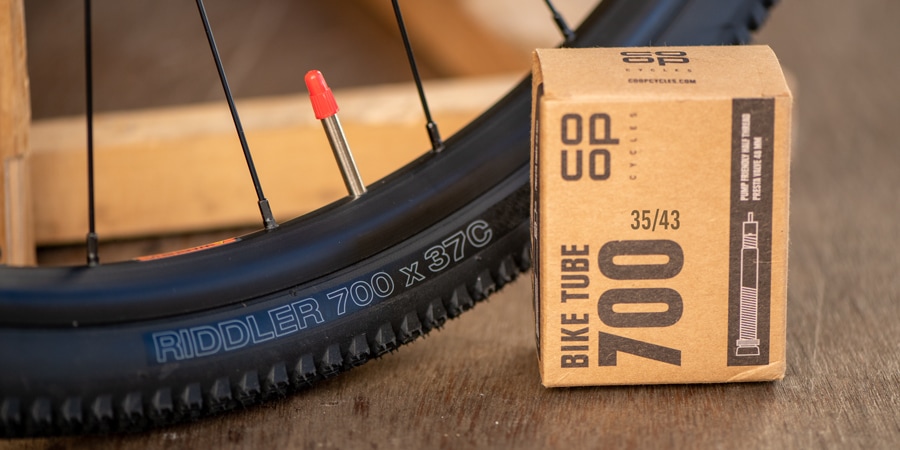
Bike tube sizing essentially mirrors bike tire sizing with one exception: Tubes, because they can stretch, will list a range of widths: 27.5 x 1.9-2.3", for example. Thus you need to be sure any new bike tube has sizing that has a width range that aligns with the sizing on your bike tires.
Bike tube valve types: Valves on bike tubes are either "Presta" or "Schrader." The hole in your bike rim matches your valve type, so you want to be sure that your bike tube's valve type matches your old tire, too.
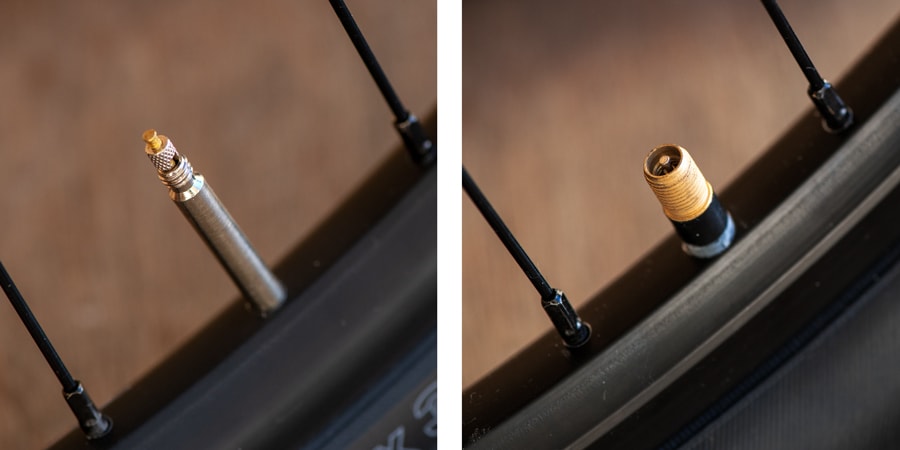
- Presta valves are narrow and often have a tiny nut to seal and open them; they're seen more typically on road bikes. They will fit in any rim, but should only be used in a Schrader rim if you install an adapter to shrink the hole—otherwise you run the risk of the valve stem being pulled free of the inner tube.
- Schrader valves are wider than Prestas, with a valve (and separate valve cap) like those on car tires. Most mountain bikes have Schrader valves. Schrader valves are too wide to fit in Presta rims.
Other Bike Tire Options
Puncture-resistant bike tires: If you're a commuter or simply detest changing flats, investing in this more expensive (and heavier) type of tire makes sense. Puncture resistance comes from tougher compounds (like Kevlar®) and thicker tires overall.
Folding bike tires vs. wire bike tires
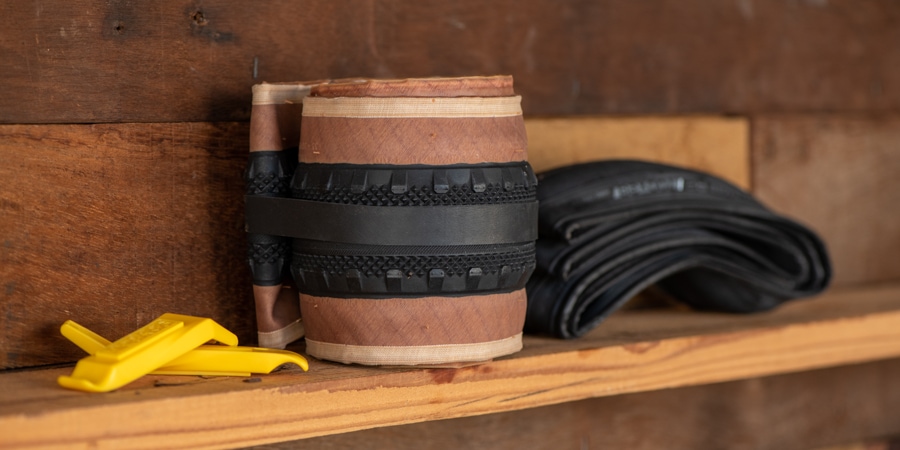
- Wired: The bead—or the edge of the tire that fits into a rim—is made of steel wire so can’t be folded.
- Folding: These have a flexible Kevlar® bead so can be folded up, making storing and carrying easy. A big reason to get a folding bike tire is to save weight. Available for both mountain and road bikes, folding tires are usually more expensive than standard wire bead tires.
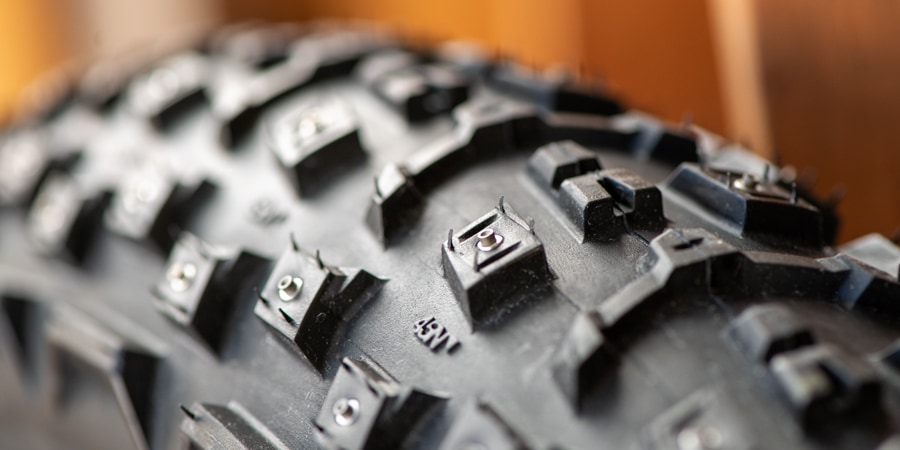
Studded bike tires: If you ride in the winter, these are worthy of consideration. Studded bike tires have steel or aluminum studs that provide traction for riding on snowy or icy surfaces.
Advanced rubber compound in bike tires: Most tires use primarily one type of rubber. Soft, sticky rubber is grippier, while hard rubber is more durable. Some tires feature dual-compound rubber to combine those traits and deliver excellent speed, along with better grip for cornering.
Bike tire thread count casing (TPI): TPI (thread counts per inch) in the tire casing—the structural layer that underlies the external rubber layer on your tires—is analogous to thread counts in sheets in that higher thread counts indicate greater quality (and expense). This has the greatest impact in road tires, where tire pressures are higher. Thread counts might range from 60 TPI up to 320 TPI in high-performance tires.