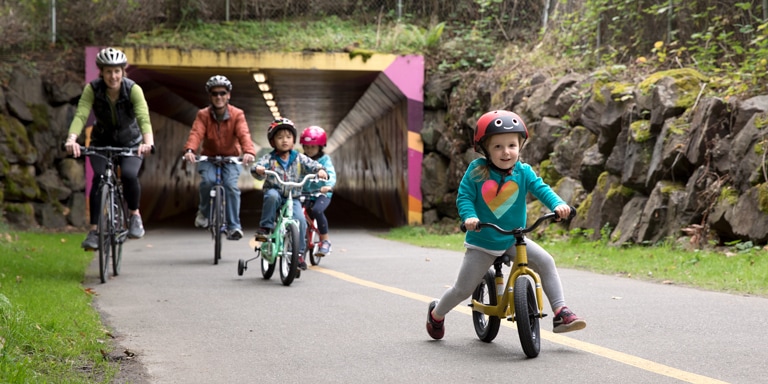
With so many options to carry and bike with small children, adults don't have to wait until kids can ride their own bikes to enjoy family biking. This article offers different ways to bike with your child, including options for carrying a child on, or attached to, your bike as well as tips for riding with young children who are on their own bikes.
We also offer some of our favorite gear picks to help get you and your kids two-wheeling together.
When Can My Child Ride With Me?
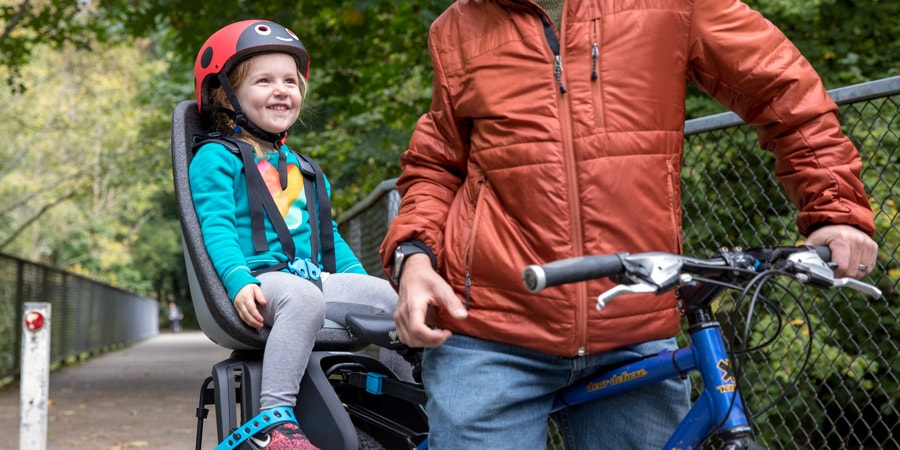
According to the American Academy of Pediatrics, children between 12 months and 4 years who can sit well unsupported—and whose necks are strong enough to support a lightweight helmet—can ride in a rear-mounted child bike seat or be towed in an attached child bike trailer. Many areas have laws requiring children to be at least 12 months old and to wear a helmet while riding in a child bike seat. Each child develops differently, so ask your pediatrician about whether your child is ready.
Here are some important steps to take before you get started riding bikes with young kids:
- Adults and children should wear helmets at all times, even if it's a short jaunt down the street. Make sure the helmets fit you and your child, and they're worn correctly. To learn more about proper sizing and fit, see our article on How to Choose a Bike Helmet.
- Know and follow bicycle laws. Some states and local jurisdictions have mandatory helmet laws for children of certain ages, whether they're a passenger or rider. Here's a summary of state bike laws.
- Though most bikes can accept a child seat, it's nonetheless wise to check your bike's manual to see if it has any restrictions on them, and to double check its maximum load capacity (passengers plus cargo).
- Do an A-B-C check before you ride: Make sure tires have plenty of air, the brakes work and the chain has plenty of lube to work properly.
Different Ways to Bike with a Young Child
To start kids early, don't wait until they can pedal. Connect a child carrier to your bike, strap in your child and go for rides regularly. As they become more comfortable and their bodies become better equipped to handle physical activity, progressively move children to bikes that offer greater degrees of independence. Here are various options to get your child comfortable with cycling. We offer some very rough age guidelines for the options below, but you should also check manufacturer recommendations and assess your own child's development to know what's right for them.
Child Bike Seats
Suitable for kids about ages 1-4 (or up to about 50 pounds)
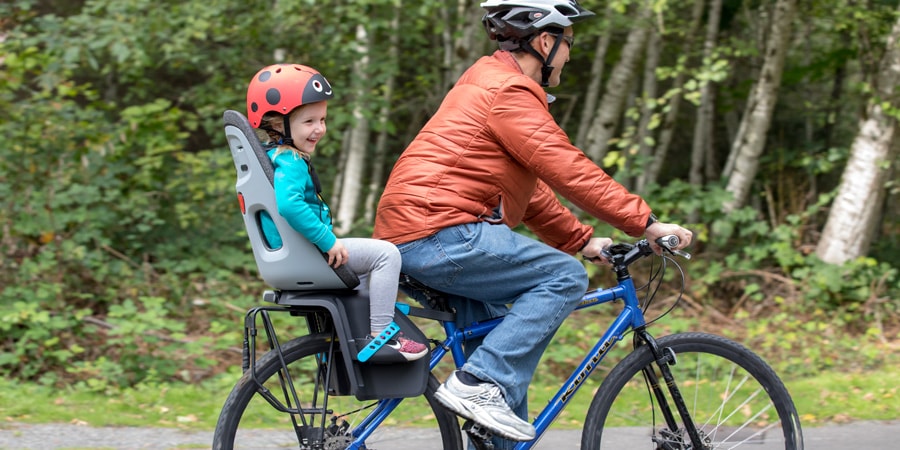
Child bike seats are commonly mounted on the frame or rack at the rear of the bike, though some are mounted on the front frame. Some models can handle a load (child plus gear) of nearly 50 pounds, so they're suitable for many toddlers and preschoolers. Remember, a child must be able to sit up and fully support their head before they can join you for a ride.
- Riding with a child in a bike seat allows for close-up opportunities to chat and explore the sights together. But the child is more exposed than they would be in a bike trailer, so if you fall on the bike, the child potentially could fall about 2 or 3 feet to the ground.
- It may be awkward at first to get on and off a bike with a child in a rear-mounted seat. Practice with other pretend loads before riding with your child on board.
- Make sure the bike is stable when you put the child in the seat. A double-sided kickstand can help; or if possible, ask another person to hold the bike while you load the child into the seat.
- Be aware that the weight of the child and their movements can affect the balance of your bike. Having a child in a front child seat near the handlebars may also affect how you steer.
- Use the seat harness to keep the child from sliding out when they fall asleep or you brake suddenly.
- Remember to dress your child appropriately for the weather.
Features: Child bike seats offer a wide range of features such as high backs that support a child's head and shoulders, recessed helmet pockets, foot rests and foot straps, side walls to protect little fingers, safety harnesses, and reclining seats.
Bicycle Trailers
Suitable for kids about ages 1-6 (or up to about 40 pounds)
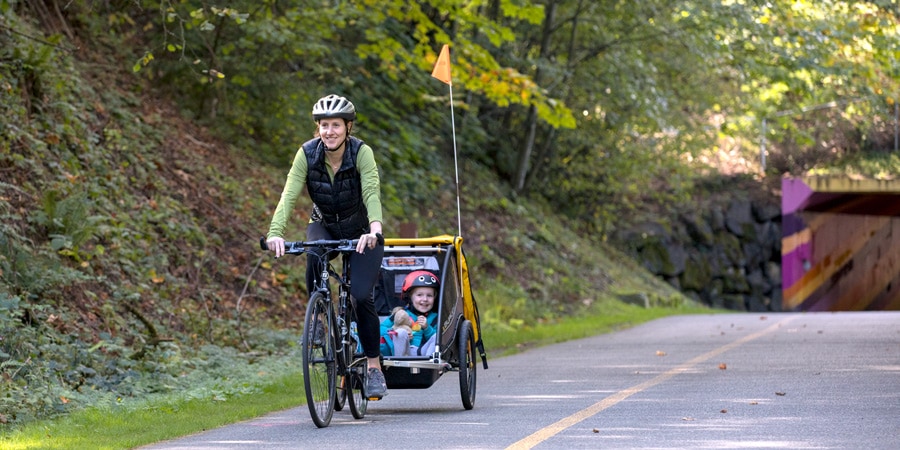
Trailers that you pull behind your bike are a popular option for hauling toddlers and children up to about 6 years old. Trailers are stable because they're low to the ground and easy to steer. Bike trailers are great choices for cyclists who aren't comfortable pedaling with a child in a front or back child seat.
- Trailers can carry more than one child. Many models can be converted into other uses, such as a stroller, jogger or ski trailer.
- They're more expensive than a child bike seat, but the weight and height dimensions of some allow them to be used longer.
- Kids sit low to the ground so they're less visible to traffic, and they are a bit more exposed to car exhaust. Many trailers include a safety flag that should be used.
- Trailers are heavier and wider. While they're generally more stable, they may be more cumbersome to pull.
- A mesh screen or rain cover protects the child from rain, bugs and other elements. The screen also prevents the child from accidentally losing a toy out of the trailer. (You don't want to find out at the end of a ride that the child's favorite stuffed animal is missing).
- Plenty of room means you can tote toys and other items for your adventure.
- Because the child sits farther behind you, conversations can be more difficult. Also, older children may get bored with such passive transport.
Features: Trailers offer a range of features, including cargo storage; reclining seats; the ability to convert the trailer to a stroller, a jogger or to be towed while skiing; recessed helmet pockets; and different-sized wheels.
Cargo Bikes
Suitable for younger and older kids, depending on setup
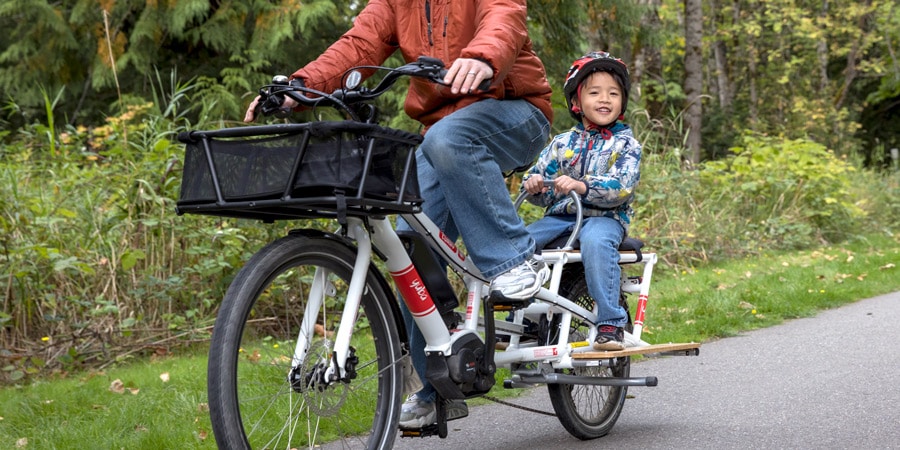
Families are embracing cargo bikes as a new fun way to explore on two-wheels with multiple young children. Cargo bikes allow you to carry heavier loads than you can typically haul on a standard bike. The bikes are sturdy enough to haul more than one child at a time. Kids can be carried in a number of ways, depending on the bike: They can sit on a bench or shelf on a rear rack, in a front bucket, box or container, or strapped into a bike seat.
Two popular types of cargo bikes used for hauling kids include:
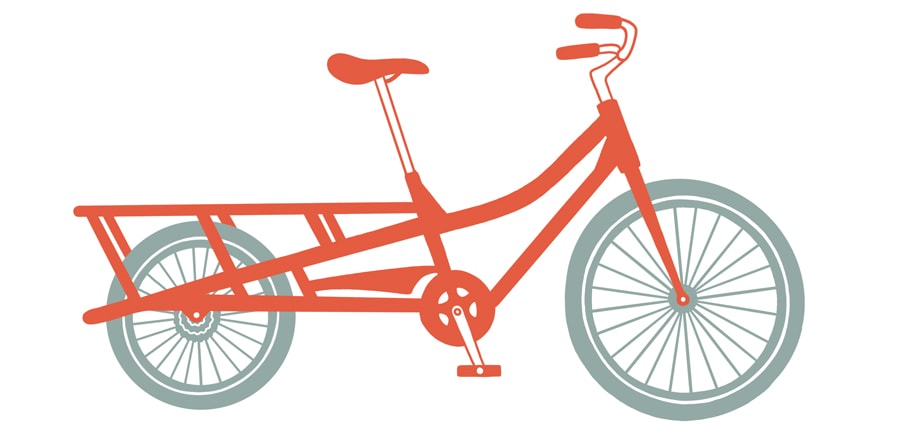
Longtail bikes: These let you carry children on an extended rear cargo rack that sits over the back wheel. Kids can ride in child seats that are mounted on that rack or sit on the rack itself.
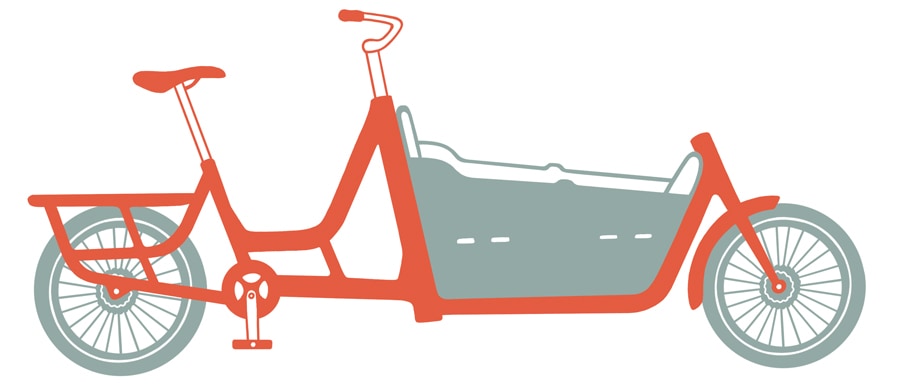
Front-loading cargo bikes (sometimes called bakfiets, Dutch for "box bike") let you haul kids (and even the family dog) in a box or other container that sits on the front cargo rack located between the handlebars and the front wheel.
Other things to know about cargo bikes:
- You may be able to add electric assists to some models if you didn't buy an electric version to start.
- They're more expensive, and you'll pay an additional premium for electric cargo bikes.
- They can carry multiple children, and there are add-ons to transition from carrying the smallest child in a child seat to older ones sitting on a rear bench or front box. Make sure your child bike seat is approved to work with your cargo bike and that you don't exceed the weight capacity of your bike.
- Kids older than 4 should have a handlebar or something to hold onto as well as a place to rest their feet.
- Use wheel covers, panniers or other guards protect your child's feet from the wheel.
- Don't leave children unattended on the bike.
- The kids are closer to you so conversations are easy.
Features: You can customize your cargo bike with a wide array of accessories such as bags, safety bars, child seats, handrails or "monkey bars," paniers and baskets to carry different cargo and children of different ages. Front-loading cargo bikes also offer rain covers or screens that you can put over the cargo box.
Balance Bikes
Suitable for kids about ages 2-5
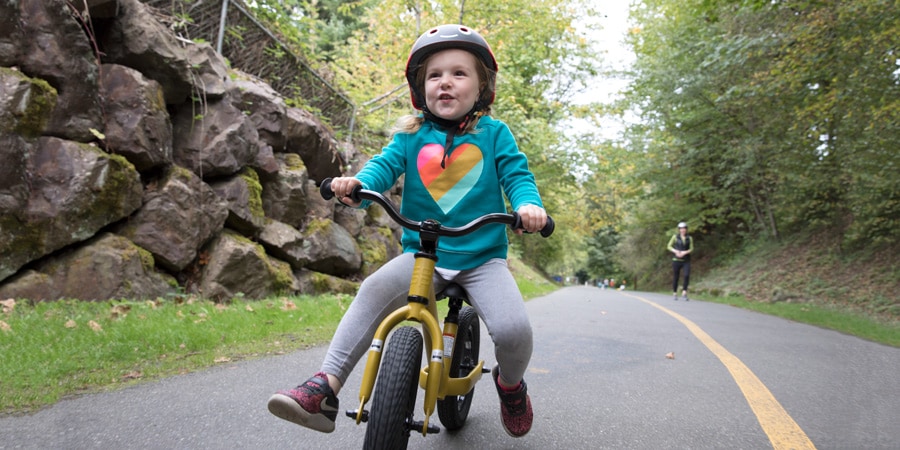
Balance bikes are bikes in their simplest form: no pedals, crank or chain—just wheels and a frame. As the child walks or coasts along on their balance bike, their feet act as their brakes. These bikes are typically lighter and easier to handle than tricycles or bikes with training wheels, so kids can scoot surprisingly fast on them. Balance bikes help teach 2- to 5-year-olds how to coordinate steering and balance. The better they get at it, the easier their transition to pedaling will be.
Trailer Bikes
Suitable for kids starting about age 4
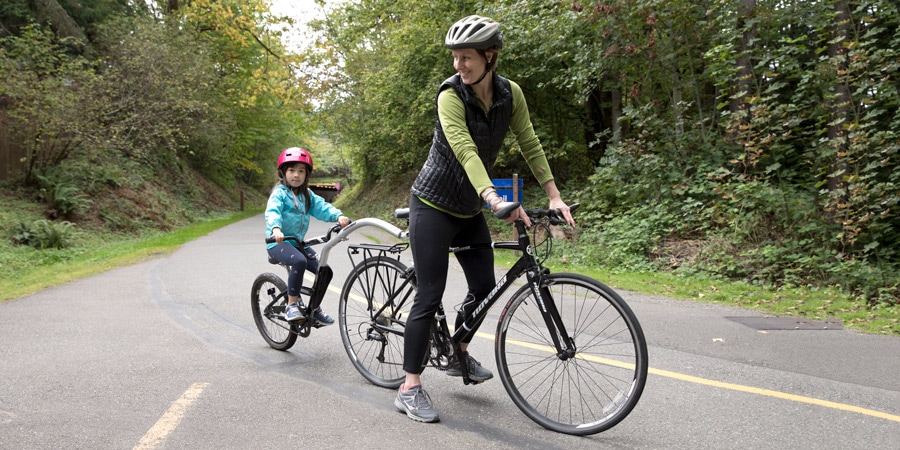
Also known as "tagalongs," a single-wheeled trailer bike attaches either to your seatpost or a rear rack so it can pivot for turning. It allows the child to pedal and feel independent, though they are still relying on you for balance and control. This setup allows you to cycle farther than your child's stamina might otherwise allow. Some models may allow the child to shift or brake, so be aware of that as you're riding.
Training Wheel Bikes
Suitable for kids starting about age 3 or 4
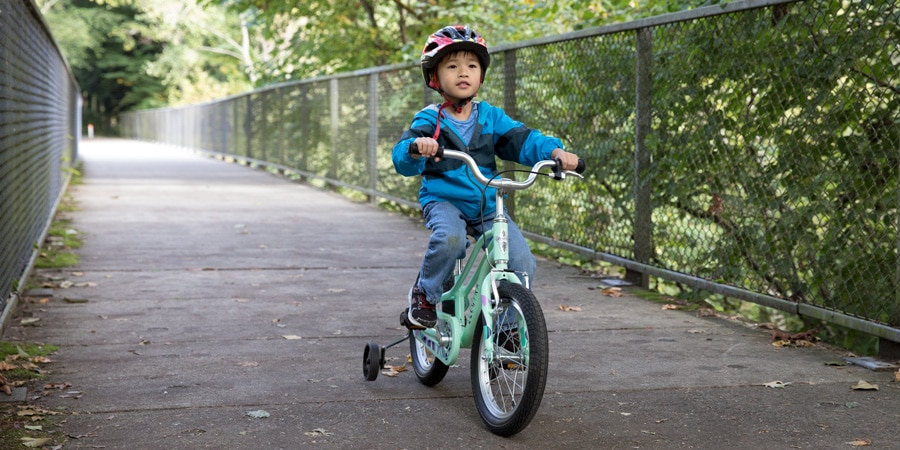
Bikes with training wheels can give children the confidence boost they need so they can start riding on their own. Bikes in this category start with 12-inch wheels, which can fit the smallest child. Once the confidence is there, the training wheels can be removed. These are single-speed bicycles with coaster brakes, though some models have an additional linear-pull rear brake to ready them for future hand brakes.
Kids' Bikes
Suitable for kids starting about age 5
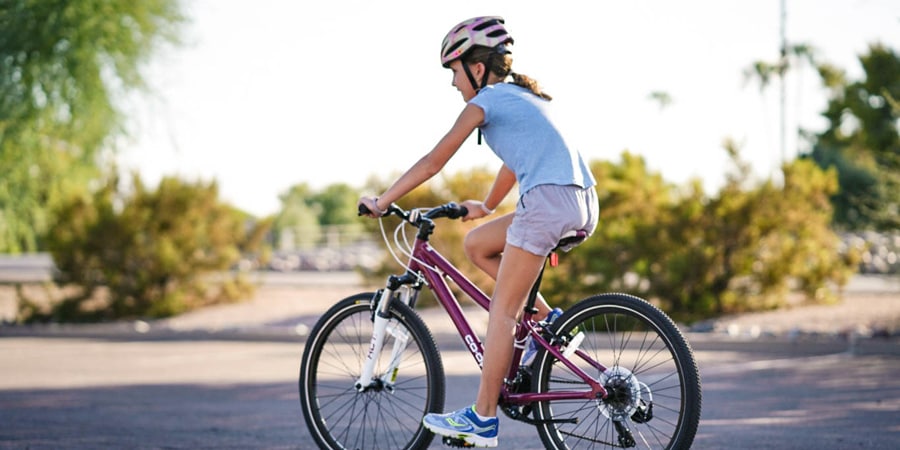
Once young children are ready for their own two-wheeler, make sure you avoid the common mistake of buying a bike that they'll "grow into." Take the time to get a proper fit. When shopping, be aware that children's bikes are measured by their wheel size (not frame size). The most common sizes are 16", 20" and 24". The right size is one where your child can comfortably get on the bike and stand with their feet on the ground. We have both girl's bikes and boy's bikes at REI.
Here are a few tips for riding alongside your child:
- Practice riding together in more protected areas such as parks or bike paths.
- If you're riding on a more protected path together, you may want to ride behind them so they can set the pace, and keep you from going too fast or slow.
- If you're riding on the sidewalk or a residential street, you may want to ride alongside or ahead of them so you get to intersections first, and you can remind them to look both ways before crossing.
- Be aware that most kids aren't able to accurately judge speed, distance or sound of oncoming traffic until about age 10, so they will need supervision while riding. Learn more bicycle safety tips from the National Highway Traffic Safety Administration.
Our Favorite Gear Picks for Biking with Kids
Here is everything you need to outfit your kids so they're ready to make the most of your family rides, whether you're cruising the neighborhood or finding local trails to shred.
Nutcase Little Nutty MIPS Helmet - Toddlers'
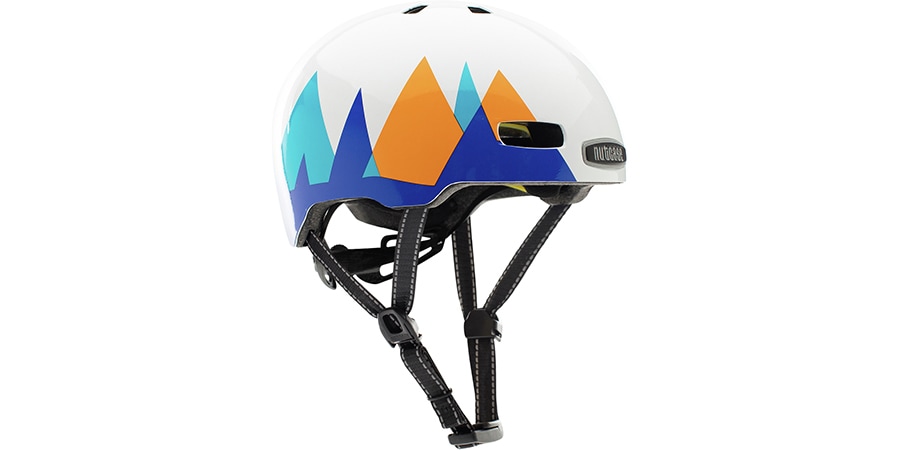
Smaller kids need just as much head protection as bigger kids and adults, and this pint-size lid from Nutcase, available in toddler and youth sizes, offers MIPS protection. It also has one-hand twist adjustment, so you can dial in the fit. The skate style and graphics look good on the 'Gram too. $70
Giro Tremor MIPS Bike Helmet - Kids'
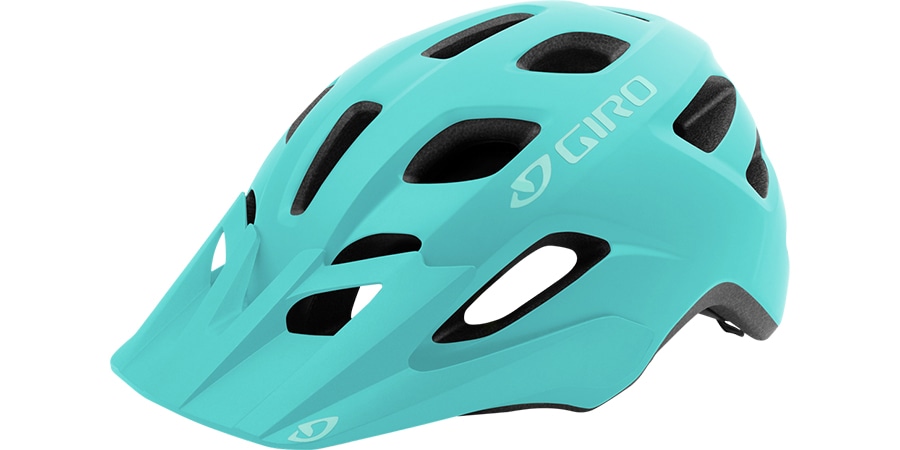
No piece of cycling gear is more important than a helmet. This one from Giro comes equipped with MIPS—a sliding layer inside the helmet that helps protect against rotational force and brain injury during impact. A bevy of vents (18) helps fight off overheating, and Giro's Roc Loc Sport system is easy to adjust with one hand. It's even ponytail compatible. $65
Electra Domed Ringer Bike Bell
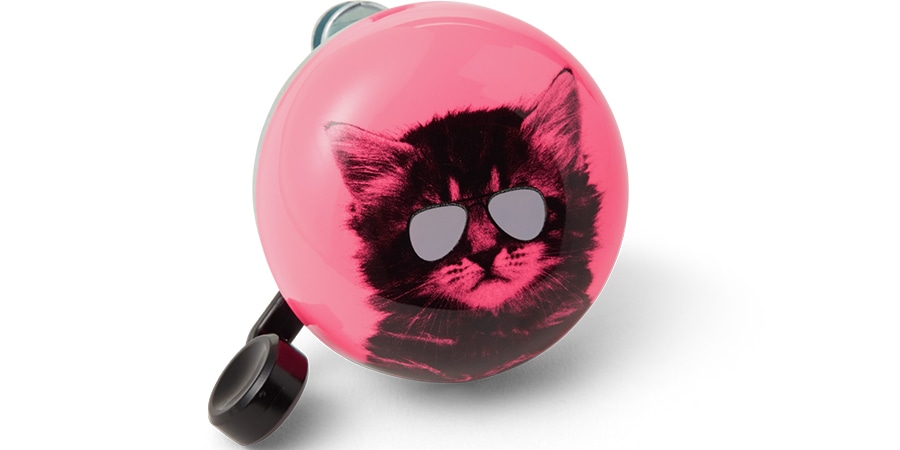
With people flocking to the greenways and streets, a bike bell has become the essential tool for riders hoping to maintain a responsible distance and pass slower riders politely. Electra's bell clamps to your kid's handlebars with the twist of a screw. You can choose from a handful of different graphics, but it's hard to beat a cat wearing sunglasses. $13
Thule Yepp Nexxt Maxi
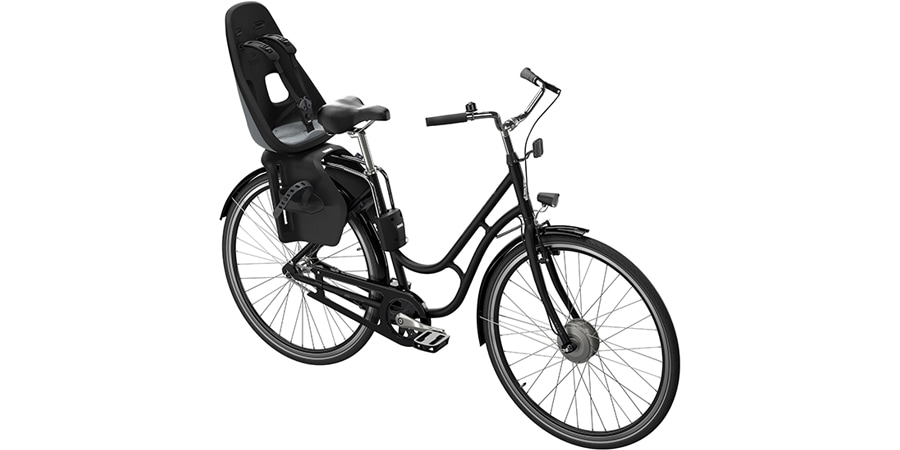
Don't leave your youngest out of the biking fun. The Thule Yepp Nexxt Maxi is a bike seat for kids 9 months to 6 years that attaches to the rear frame of your bike. The five-point harness system puts safety first, while a lightweight foam in the seat helps dampen vibrations from the road. And the footrests even adjust as your kid grows. After the mount is installed, you can also remove the seat with ease if you want to strike out for a solo ride. $249
Burley Pico Trailer Bike
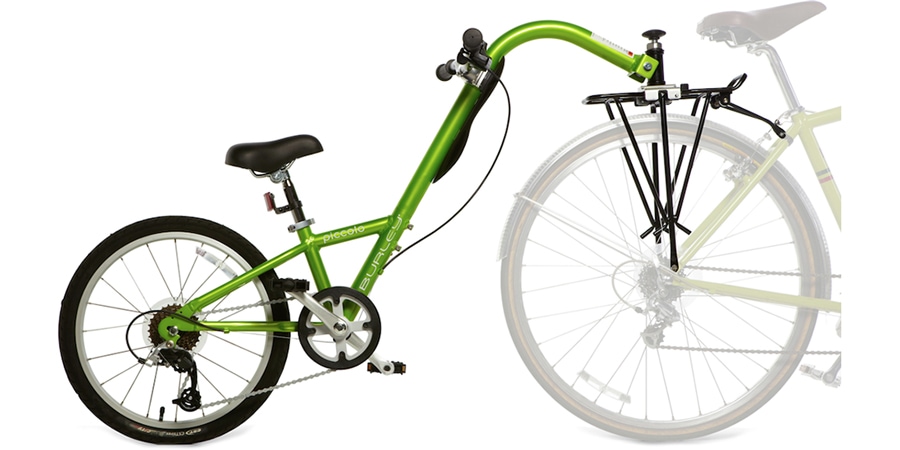
Maybe your kid isn't quite ready to strike out on a long ride on their own bike. The Burley Pico Trailer Bike attaches to the rear of your bike via a rear rack system (included) so your young shredder can ride in comfort, pedaling at will without getting worn out. The 20-inch wheels and adjustable seatpost and handlebar make the trailer suitable for kids between 4 and 10, up to 85 pounds. And they can even practice changing gears while helping out on the climbs; the Pico has seven speeds. $400
Thule Coaster XT Bike Trailer
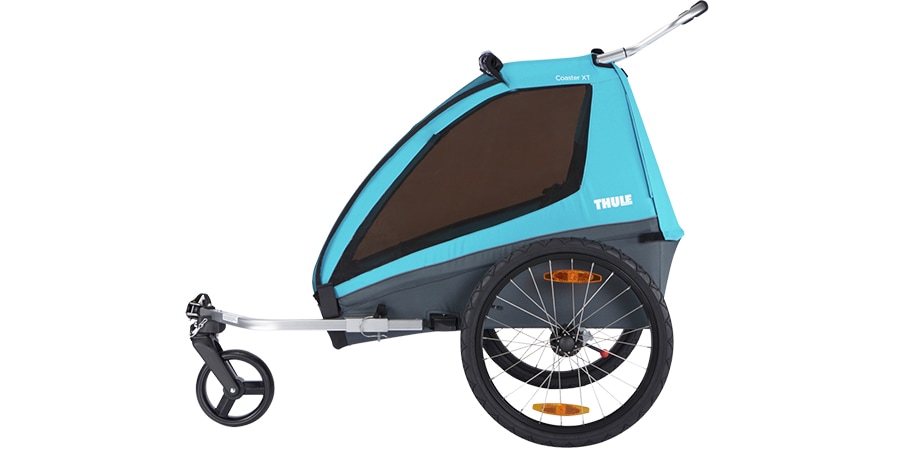
Not all kids are old enough to pedal their own bike. Enter the Coaster XT, a sleek Thule trailer built for carrying two toddlers around town. It has five-point harnesses to keep your tykes secure, plus storage room for more gear. Drop the rain shield if a storm moves in, or roll up the front screen if your kid wants to feel the wind in their hair. It converts to a double stroller. $429.95
CamelBak Mini M.U.L.E.
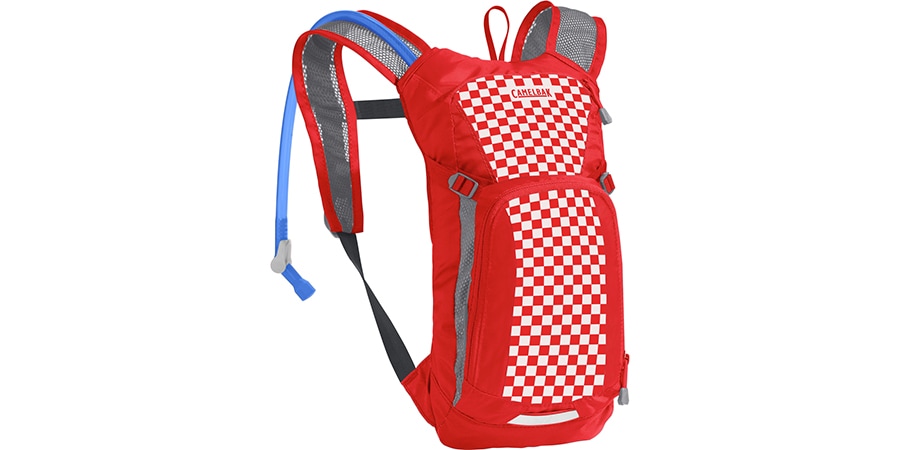
CamelBak applies the same design principles of its most popular pack, the M.U.L.E., to this kid's version. It comes with a 1.5-liter bladder so your ripper never goes thirsty. There's enough space for a clothing layer, snacks and even tools, so your kid can get a kick out of carrying their own gear. Reflective striping and an emergency whistle add smart safety features. $50
Bontrager Bike Gloves — Kids'
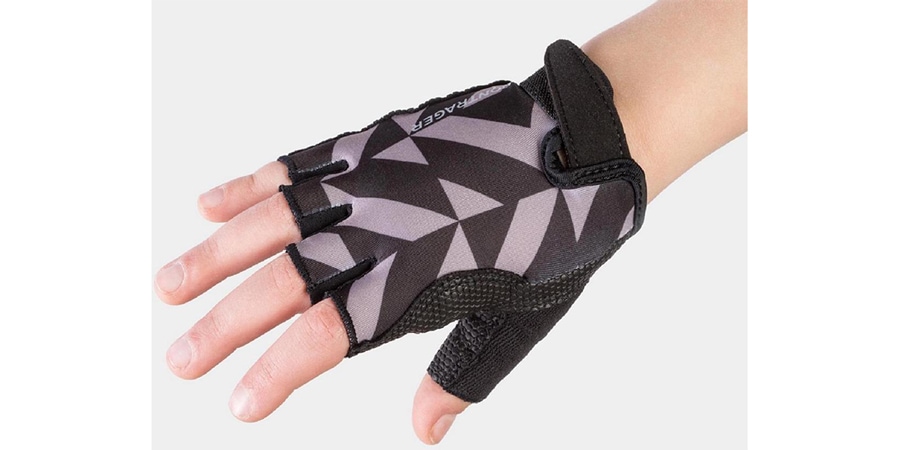
A little bit of padding goes a long way. Bontrager's gloves have a grippy palm, stretchy uppers and a thin layer of foam padding to help ease hand fatigue on long rides. Adding gloves for some protection on your kid's hands doesn't hurt on falls, either. $15
Electra Sprocket 16'' Kids Bike
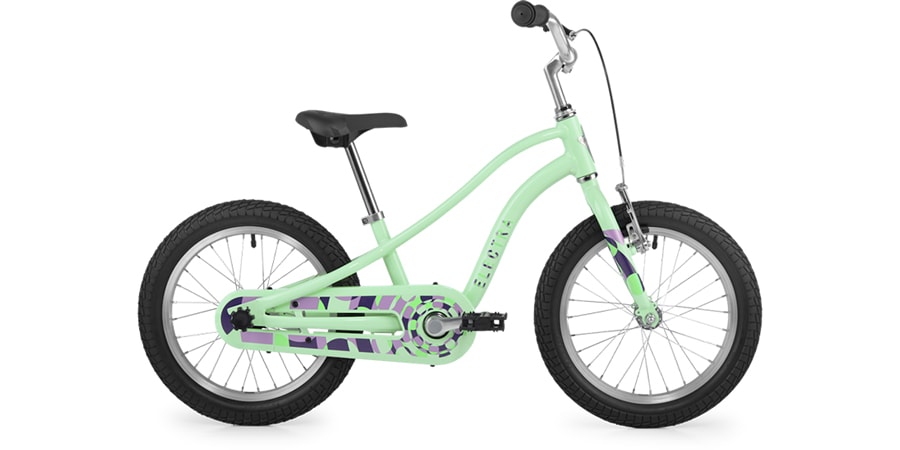
The first pedal bike. It's a big deal. The Electra Sprocket's streamlined aluminum frame, 16-inch wheels and a single gear keep things simple and easy to handle for kids striking out on their own. A front pull break and coaster brakes doubles the stopping power. Bonus: The training wheels can be removed without any tools. $289.95
Co-op Cycles REV 20 6-Speed Plus Kids' Bike
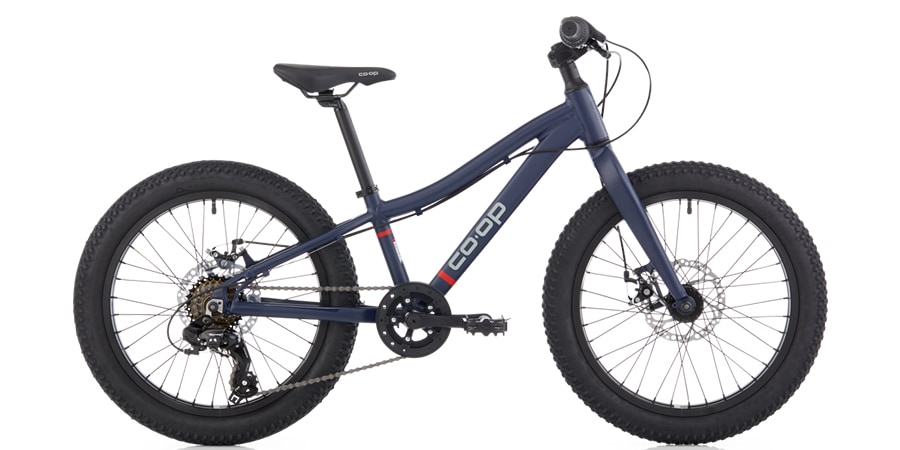
Even if you're only planning on riding your neighborhood streets, consider getting your kid a mountain bike instead of a street bike. The relaxed geometry and larger tires can help boost confidence during those first rides. All Co-op Cycles REV bikes are made from a light 6061 aluminum frame, and the 20-inch has disc brakes for reliable stopping power and six gears, which will let the rider learn the basics of gearing up or down. The REV 16 is built for younger riders transitioning to their first pedal bike. It has a low standover height and optional training wheels. It even comes with a sticker pack so your kid can customize the frame. $379
Cannondale Quick 24
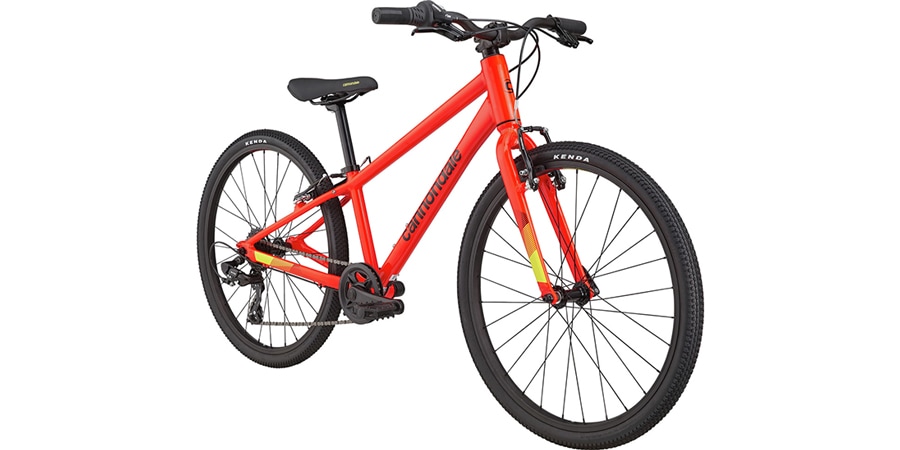
Take a do-it-all commuter bike and shrink it to fit a kid and you've got the Cannondale Quick, a 24-inch road master with a light, aluminum frame and seven gears to handle any pitch in the road. The components are high end, which means there will be minimum maintenance on your part, and the thick, 1.5-inch Kenda tires are burly enough to allow your kid to keep exploring when the pavement ends. $500
Gear Picks by Graham Averill.Graham is a senior writer at Bike and a regular contributor to Outside and Backpacker. He lives in Asheville, N.C., where he rides his mountain bike as much as possible, but never enough.