Skip to search results
loaded 93 results
Camping Tents
(93 products)Products (93)
Sort: Best Match
- CORE Equipment6-Person Lighted Instant Cabin Tent with Full RainflyTop Rated$399.95Sleeping Capacity:6-personSeasons:3-seasonPeak Height:72 in.
- ColemanSkylodge 4-Person Instant Camping TentTop Rated$285.00Sleeping Capacity:4-personSeasons:3-seasonPeak Height:64 in.
- The North FaceWawona 6 Tent$585.00Sleeping Capacity:6-personSeasons:3-seasonPeak Height:76 in.
- KeltyDiscovery Basecamp 4 TentStaff Pick$119.95Sleeping Capacity:4-personSeasons:3-seasonPeak Height:58 in.
- REI Co-opBase Camp 4 Tent$489.00Sleeping Capacity:4-personSeasons:3-seasonPeak Height:63 in.
- ColemanEvanston Screened 6-Person Tent$202.97Save 25%compared to $271.49Sleeping Capacity:6-personSeasons:3-seasonPeak Height:68 in.REI OUTLET
- CORE Equipment9-Person Lighted Instant Cabin Tent with Full RainflyTop Rated$549.95Sleeping Capacity:8+ peopleSeasons:3-seasonPeak Height:78 in.
- REI Co-opWestward 6 Tent$549.00Sleeping Capacity:6-personSeasons:3-seasonPeak Height:77 in.
- Coleman4-Person Cabin Camping Tent with Instant Setup$162.97Save 25%compared to $218.49Sleeping Capacity:4-personSeasons:3-seasonPeak Height:59 in.REI OUTLET
- REI Co-opWestward 4 TentTop Rated$449.00Sleeping Capacity:4-personSeasons:3-seasonPeak Height:69 in.
- REI Co-opBase Camp 6 Tent$569.00Sleeping Capacity:6-personSeasons:3-seasonPeak Height:74 in.
- ColemanSkydome 12-Person Camping Tent XLTop Rated$370.97Save 25%compared to $494.99Sleeping Capacity:8+ peopleSeasons:3-seasonPeak Height:84 in.REI OUTLET
- KeltyDaydreamer 4P Tent$189.95Sleeping Capacity:4-personSeasons:3-seasonPeak Height:61 in.
- ColemanSkydome 4-Person Tent with Full-Fly Vestibule$190.00Sleeping Capacity:4-personSeasons:3-seasonPeak Height:55.2 in.
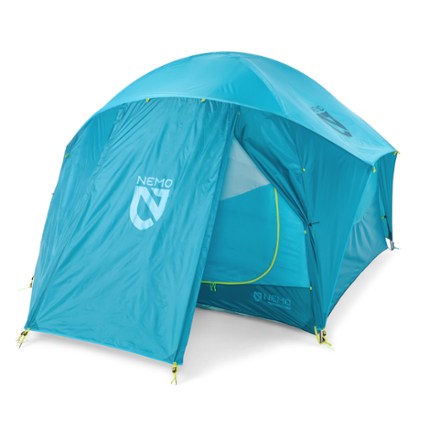
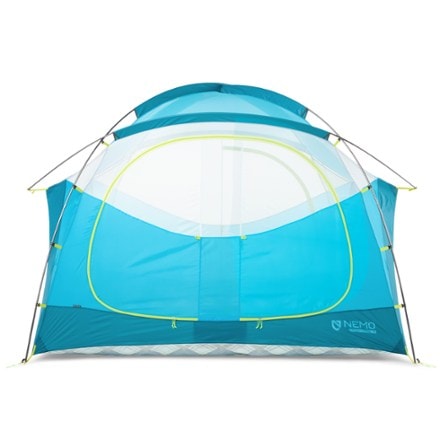
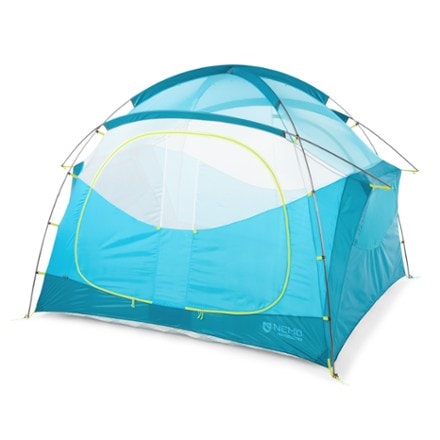
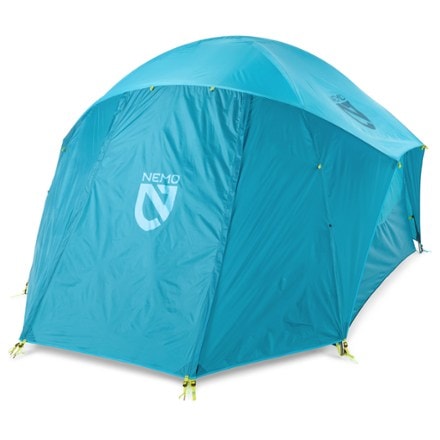
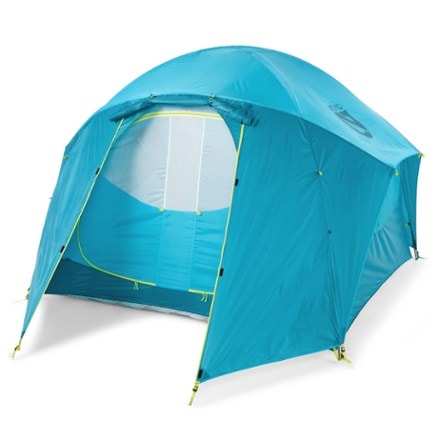
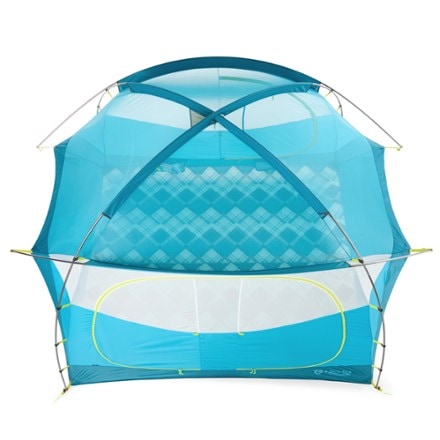
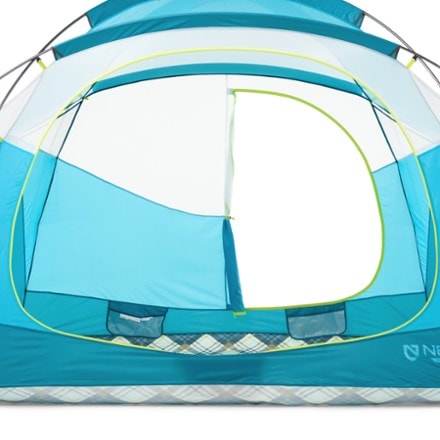
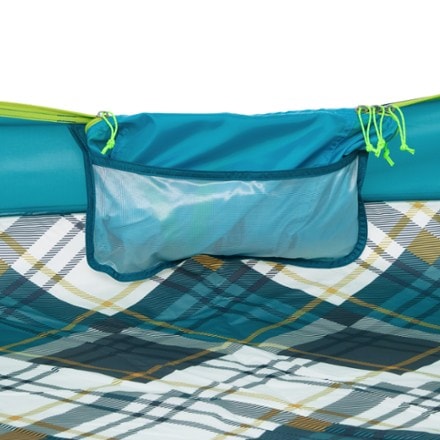
- NEMOAurora Highrise 4P Tent$399.95Sleeping Capacity:4-personSeasons:3-seasonPeak Height:75 in.
- KeltyWireless 4 Tent$189.95Sleeping Capacity:4-personSeasons:3-seasonPeak Height:57 in.
- KeltyWireless 2 Tent$139.95Sleeping Capacity:2-personSeasons:3-seasonPeak Height:43.8 in.
- GazelleT4 Hub Tent with Footprint - Overland EditionTop Rated$440.93Save 30%compared to $629.95Sleeping Capacity:4-personSeasons:3-seasonPeak Height:78 in.Features:Footprint Included
- Mountain Summit GearRapid Series Alcove 3 TentTop Rated$199.95Sleeping Capacity:3-personSeasons:3-seasonPeak Height:55 in.
- ALPS MountaineeringSunburst 5-Person Tent with Screen RoomNew arrival$352.73Save 24%compared to $469.99Sleeping Capacity:5-personSeasons:3-seasonPeak Height:90 in.REI OUTLET
- REI Co-opKids' Overnight BundleStaff Pick$159.00Sleeping Capacity:1-personSeasons:3-season
- Big AgnesBunk House 6 Tent$749.95Sleeping Capacity:6-personSeasons:3-seasonPeak Height:78 in.
- Snow PeakAlpha Breeze TentTop Rated$549.95Sleeping Capacity:4-personSeasons:3-seasonPeak Height:76.8 in.
- The North FaceWawona 8 Tent$785.00Sleeping Capacity:8+ peopleSeasons:3-seasonPeak Height:78 in.
- NEMOAurora Highrise 6P Tent$499.95Sleeping Capacity:6-personSeasons:3-seasonPeak Height:77 in.
- ColemanSkydome 6-Person Screen Room Tent with Dark Room Technology$390.00Sleeping Capacity:6-personSeasons:3-seasonPeak Height:72 in.
- White Duck OutdoorsRegatta 10' 4-Person Bell Tent$590.00Sleeping Capacity:4-personSeasons:4-seasonPeak Height:90.55 in.
- KeltyDiscovery Basecamp 6 Tent$179.95Sleeping Capacity:6-personSeasons:3-seasonPeak Height:68 in.
- GazelleT4 Hub Tent$377.93Save 30%compared to $539.95Sleeping Capacity:4-personSeasons:3-seasonPeak Height:78 in.
- KeltyTimeout 6 Tent$134.73Save 25%compared to $180.95Sleeping Capacity:6-personSeasons:3-seasonPeak Height:68 in.REI OUTLET




1–30 of 93 products
Sort: Best Match