Editor's note: This article was published prior to the COVID-19 pandemic. If you need to travel, check the CDC FAQ page about COVID-19 risks for travelers, which provides the latest guidance. For information about outdoor activities wherever you go (close to home is best), read Recreate Responsibly: An Activity-Specific Guide.
You backpacked around Europe, hiked portions of the Appalachian Trail or road-tripped to countless national parks—all pre-kids. Your adventures don't have to end now that you have children. The logistics may seem more complicated, but the trips are no less rewarding. When you travel with children, you expose them to new experiences, expand their comfort zones (and yours) and help them discover new interests or cement old ones. Family adventure travel opens opportunities for you and your children to grow personally. Taking a break from daily routines and busy schedules also gives you more time to bond as a family.
Whether you're camping over a long weekend, taking a multigenerational cruise, road-tripping or globetrotting, this article will give you simple tips for mastering the logistics and challenges of family travel.
Consider Kid-Friendly Locations
You don't have to limit yourself to destinations geared only for children. But wherever you decide to go, make sure there are plenty of things to see and do that are appropriate for your child's age and interests. Figure out your family's top interests and come up with travel plans centered around those. Are you itching to camp or spend time at the beach? Looking to explore ruins or see wildlife? Decide how much time you have, your travel budget, when to go, the weather and other factors. If this is your family's first such trip, start small and work up to bigger adventures.
For some ideas, read this article on Top Trip Ideas for the Traveling Family.
Seek Your Child's Input
Get early buy-in from your children (especially older ones) by asking them what their priorities are. The more your kids are involved in planning, the more excited they'll be about the trip. Let them pick one or two activities that you'll do together as a family. Give them choices that are realistic and doable. Families with more than one child might try letting each kid have a turn doing his or her choice activity.
Find Lodging that Suits Your Family's Needs
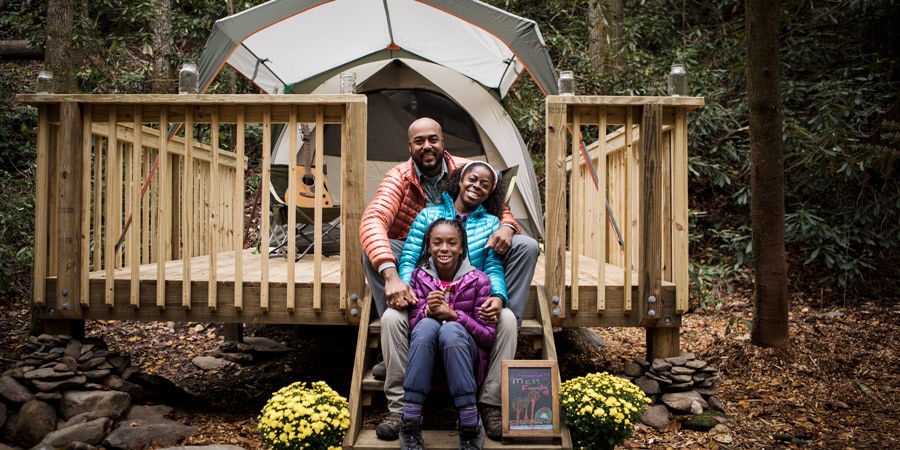
Whether you're camping, staying at a hotel or renting an apartment, look for lodging amenities that are most important to your family. Plenty of travel booking websites allow you to filter for family-friendly hotels. If you're traveling with a baby or toddler, search for accommodations that provide cribs, high chairs, stair gates or a washer and dryer. The younger your children, the better it is to have your sleeping plans arranged ahead of time.
Larger families may want to spread out in a vacation home and cook meals in a kitchen. A swimming pool or backyard comes in handy when children need to get the wiggles out. Lodging located near a park, playground, beach or town plaza make it easy to walk to places. For teens, consider a hotel or vacation rental close to attractions that they could potentially explore on their own.
Read Up Before You Go
Help your children learn about where you're going before you get there. Get your kids excited about the trip beforehand: Read about wildlife or geography of the area; watch travel and food shows; or try new foods of the region or country you're visiting. Browse guidebooks, children's books about camping or maps related to your vacation spot.
Hire a Guide
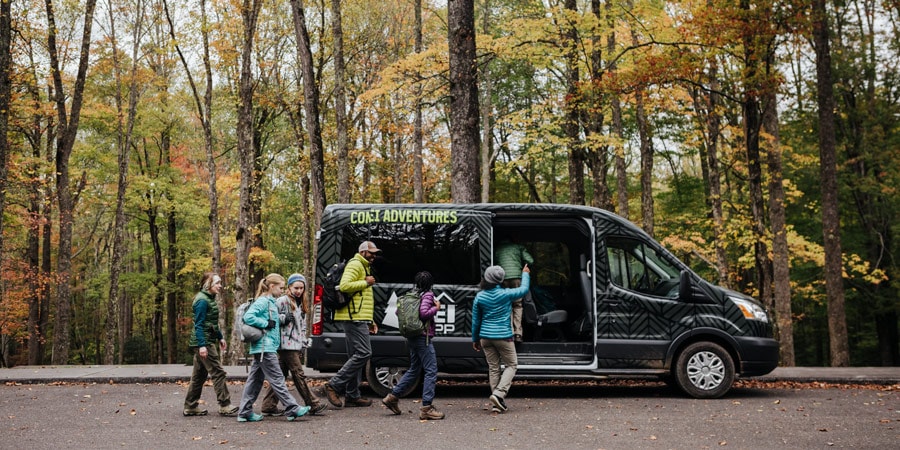
If you're skilled and comfortable taking your family canoeing, rock climbing or on another adventure, by all means do it. Make sure everyone in your family has the skills needed for the adventure you have in mind. If not, consider hiring a guide or joining a tour group that specializes in family travel.
Plan (Some) Activities
You don't need to have your full itinerary mapped out but don't go in without any plans. If you know you want to take a family bike ride, for example, make sure you can rent child-size bikes and helmets at your destination. If taking the elevator to the top of the Eiffel Tower or visiting the Statue of Liberty are on your bucket list, get those high-demand tickets in advance to avoid disappointment later. Have some fixed plans but be willing to ditch them for other unexpected experiences.
Pack Light
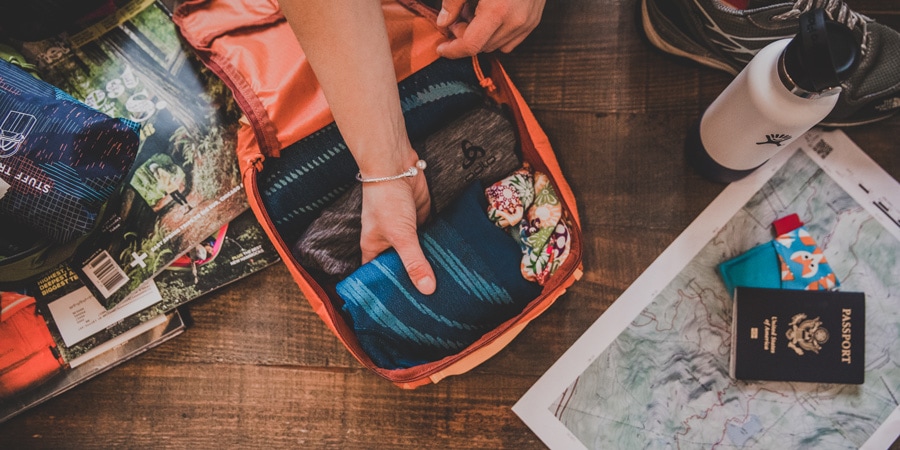
You don't want to be burdened with heavy backpacks or suitcases. Traveling light keeps you mobile and means fewer things to keep track of. You'll spend more time enjoying yourself and less time schlepping luggage everywhere. If you're sharing luggage, use packing cubes or other organizers and assign each family member a color for their things. Give older kids a pack list and let them pack their own bags (always double-check their work). If younger kids aren't used to carrying their own bags, know that you may end up carrying their bags when they get tired so decide ahead of time whether it's better to share a suitcase from the start.
Read more in our Tips for Traveling Light, or view our Travel Checklists.
Take Along Comforts of Home
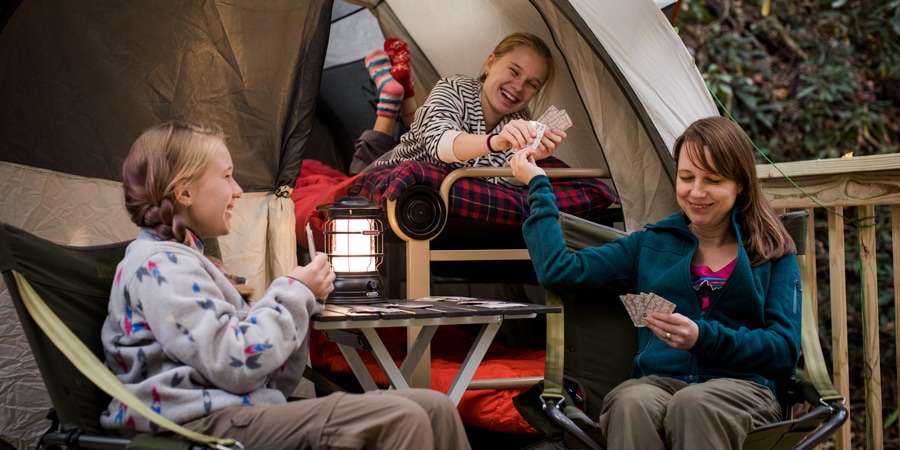
Travel can be disorienting even when it's fun. Pack one or two comforts of home when you travel. For smaller children, this could be a small toy, stuffed animal, a hugging pillow or even a familiar pillowcase. Older kids might enjoy books, headphones and a portable music or video game player.
Don't Forget Snacks
A well-timed snack can offset a squabble or sour temper. Kids tend to misbehave more when they're tired, hungry or thirsty. Make sure you pack food that your children will eat for plane travel or road trips—and keep it accessible. If you're traveling internationally, try hitting a grocery store or local market at the start of your trip to stock up on snacks that may be more familiar to your kids, especially if you have picky eaters.
Pack a Travel First-Aid Kit
Have a basic first-aid kit with items (including children's medicine) to cover you for at least a day or two. Having at least some supplies on hand means you don't have to hit the pharmacy in the middle of the night.
Avoid Overdoing It
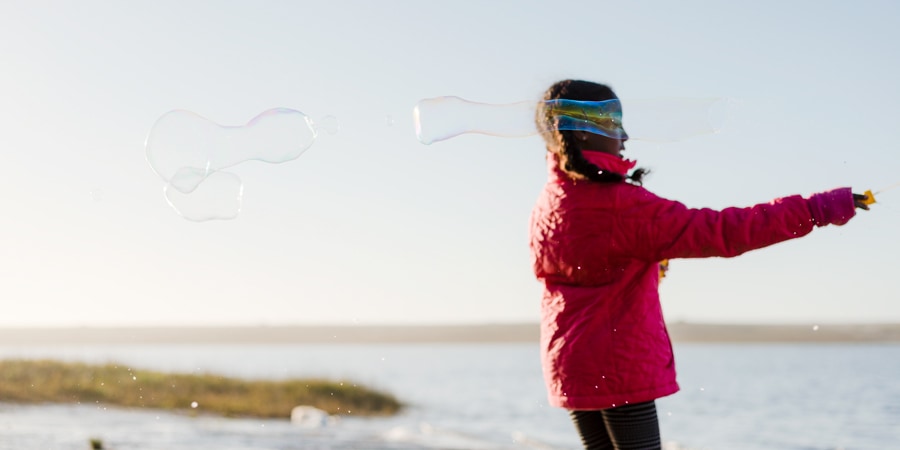
The most important thing when traveling with children is to avoid overdoing it. You can still cover a lot of miles—it's just going to take longer. Avoid long travel times for short activities. Energy levels really fluctuate with travel and time changes, so plan on a slower pace. Aim for one big activity each day and have a couple of optional activities in case there's time and energy for them. Factor in lots of downtime and allow time for play, especially during a long outdoor activity.
Calm Travel Fears
Children can be afraid of a new environment or strangers at first. Let your children stay close to you if they want. Given some time, they'll likely lose their inhibitions and gain confidence to explore and interact with people. Being in a new environment can cause some parents to worry more about their children. When doing outdoor activities, pick a safe route, teach your children some basic rules and let them go.
Get Outside
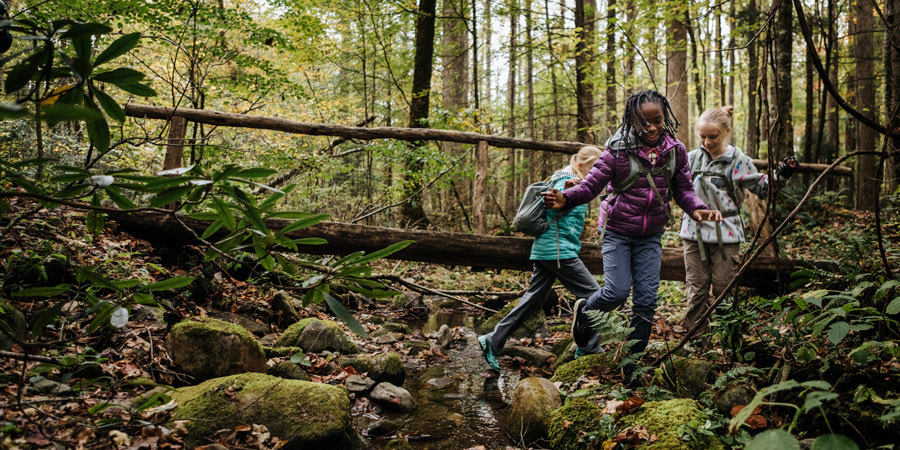
Find ways to stay active or get outside when traveling with children. There are lots of ways to incorporate outdoor activities into your travel: Go on a hike, explore a city by bike, kayak down a river or run around a city park. Scope out day hikes in advance by using local guidebooks or websites like the National Park Service. Get more recommendations in this article on the best hiking apps.
Talk About Safety
Make sure your child knows what to do if he or she becomes separated from you. Designate meeting spots. This could be the hotel lobby, the trailhead, your campsite. If you're going to a crowded tourist spot, consider ID bracelets for younger kids or write down important contact information on a card that you put in their pockets. Talk to older kids about how you'll communicate and how often—by phone, text or using popular tracking apps that allow you to monitor your child's location.
Make It Fun
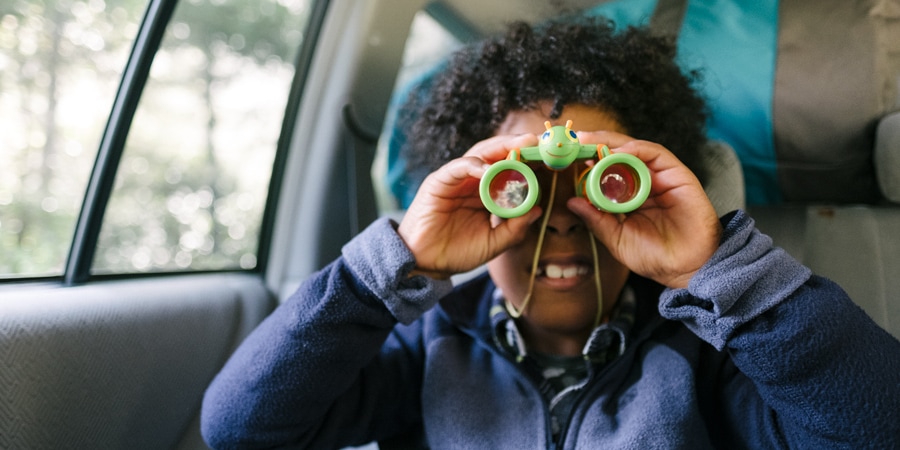
No matter what your activity, make-believe, imaginative play and telling stories can all make travel more fun for younger children. When doing an outdoor activity, choose an interesting route. Most kids are interested in what they can see along the route, rather than what's at the end of the road or trail. Give your school-age children a journal so they can write down what they see and did—even if it's only to record the gelato flavors they ate on the trip. Take different transit when in a new city. Getting around by bus, boat or subway gives you new perspectives of a place. It also puts kids on a more equal footing with you than when they're stuck in the back seat of a car.
Create a Special Place to Sleep
Whether you're spending the night in a tent, on a train or in a hotel, create a special place for young children to sleep with a favorite blanket, pillow and toy. This can give them a sense of security like a familiar bed. Bring a nightlight if they're used to it. Consider separate sleeping arrangements for teens, whether they have their own tent or an adjoining room.
Find Playmates
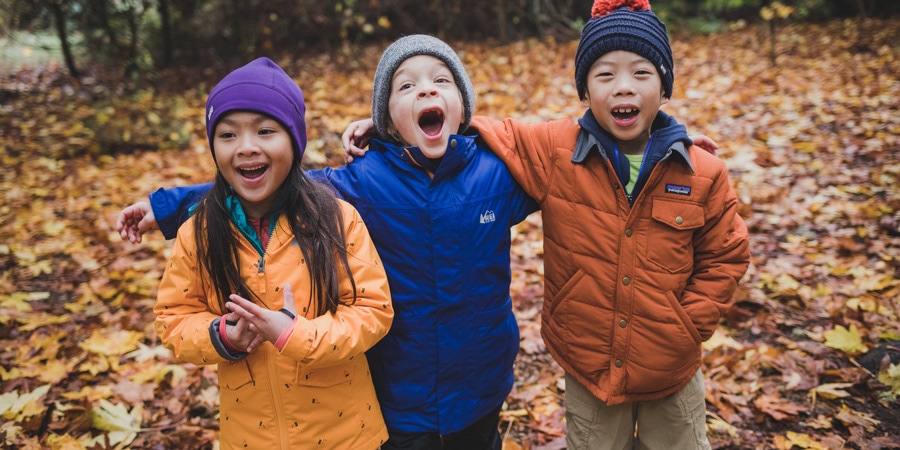
Children are natural ambassadors. It doesn't take much for younger children to connect with other kids they meet in new places. Put them in the path of other kids by hitting playgrounds or places where locals tend to go. Better yet, travel with another family that has children or bring along a child's friend.
Time Travel to Your Kids' Habits
Younger children quickly get tired in the afternoon. Take advantage of their energy in the morning and start your activity early. Plan travel time for when your baby's energy is the lowest—afternoon nap time. If your baby is most active first thing in the morning, it's best to stay in one place and let him or her play. Older children tend to sleep in and stay up later, so plan your activities accordingly.
Build in Adult Time
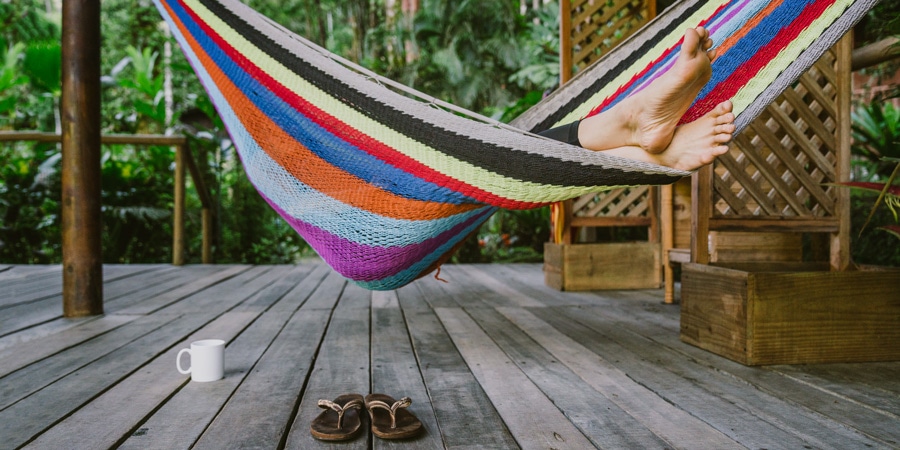
Sometimes, it's hard not to feel like you need a vacation from your vacation when you travel with children. Be sure to carve out time for yourself. If possible, take turns with your partner so each of you gets a break. Tag team with other parents if you're traveling with another family or family members. Many hotels and resorts can also connect you with babysitting services; make use of those for a night or two.
Split Up
If you're traveling with more than one adult, it's OK to separate and do different activities. If an older child wants to learn to surf and a younger one isn't old enough to do it, each adult can take a child to different activities.
Be Open
Be willing to scrap your plans and realize that sometimes the little spontaneous moments are the most memorable. Be open to unexpected experiences.