

How to Choose Child Carriers
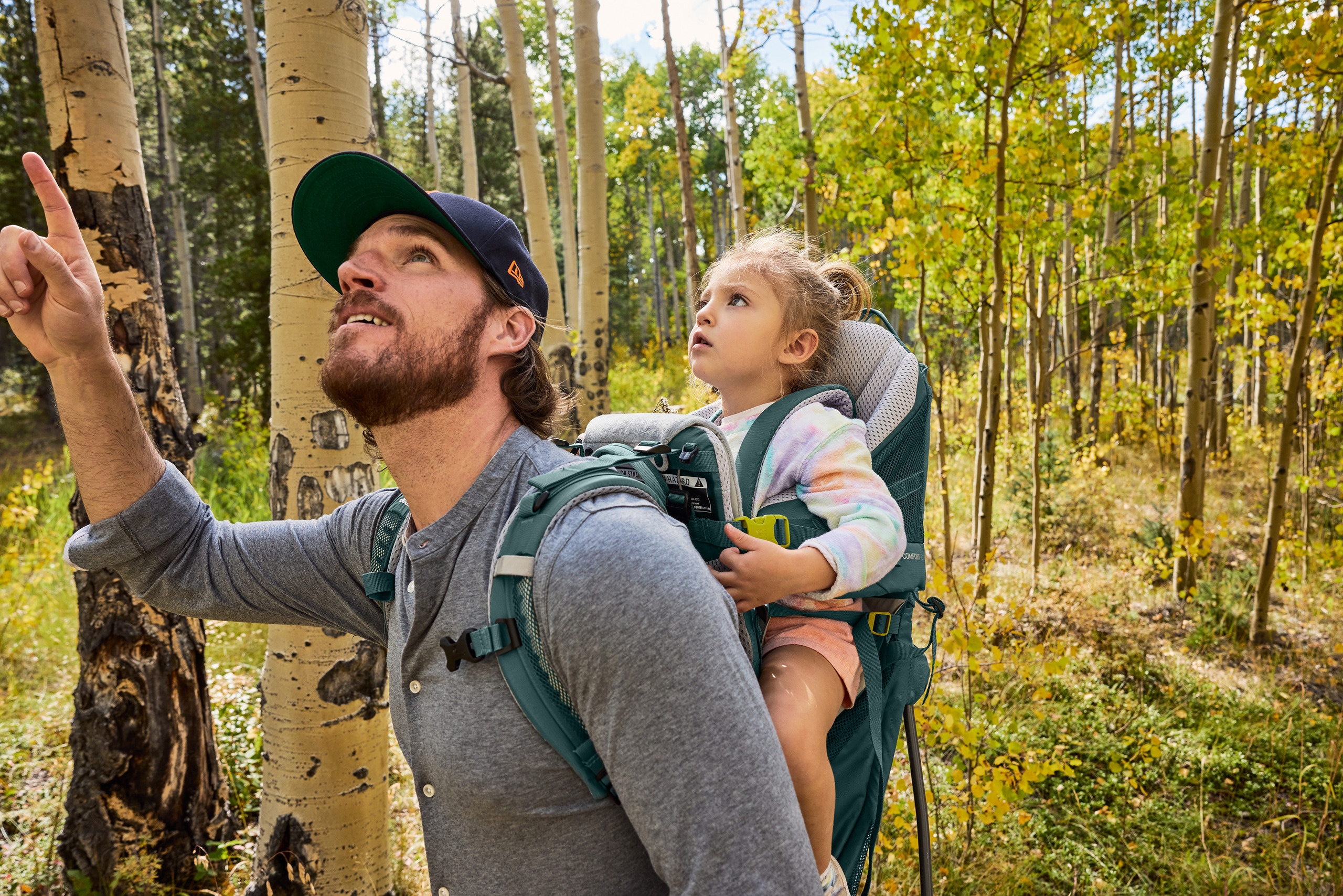
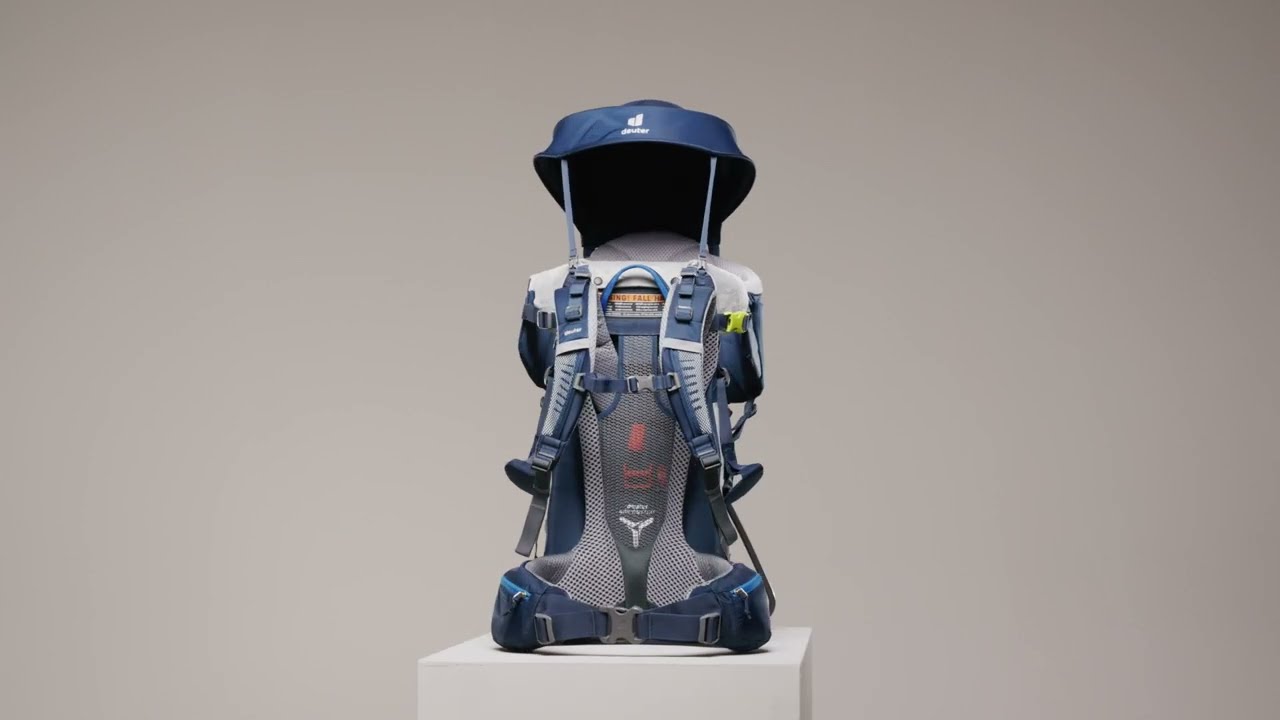
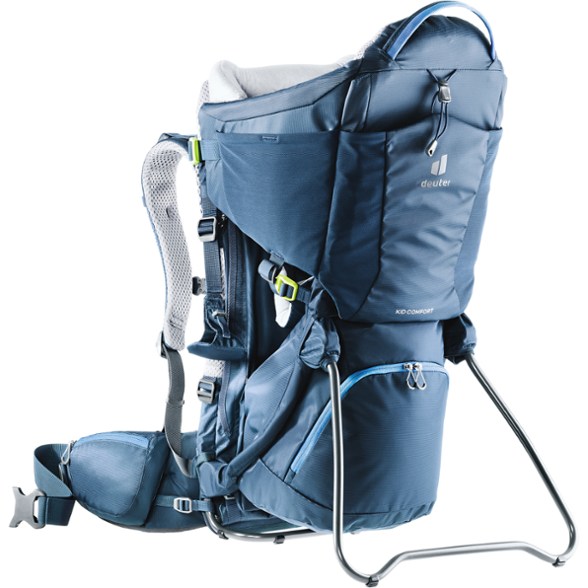
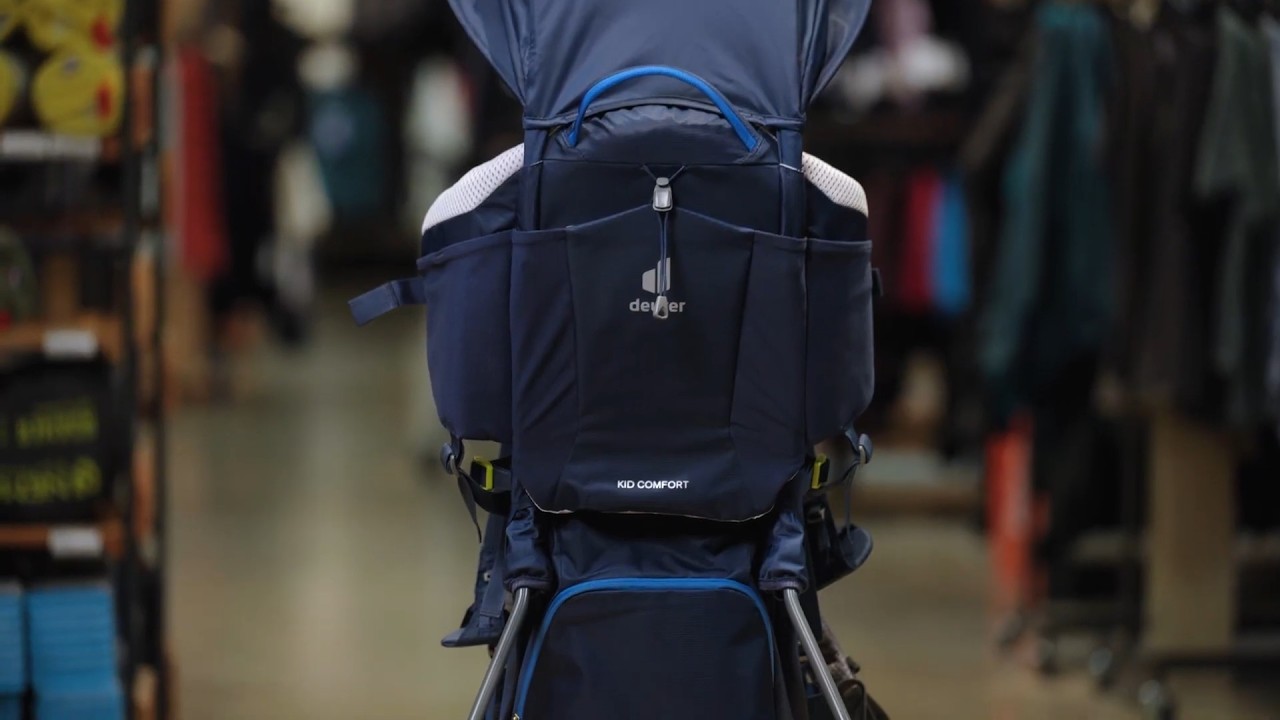
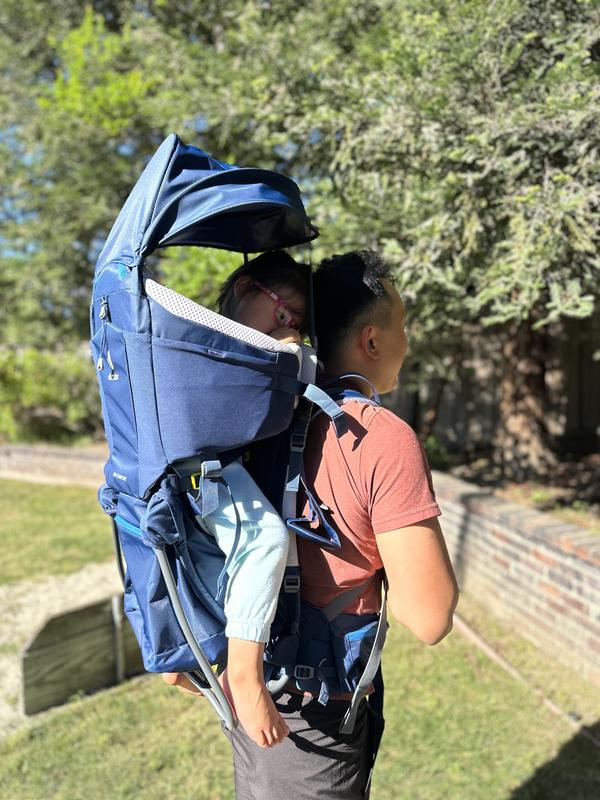
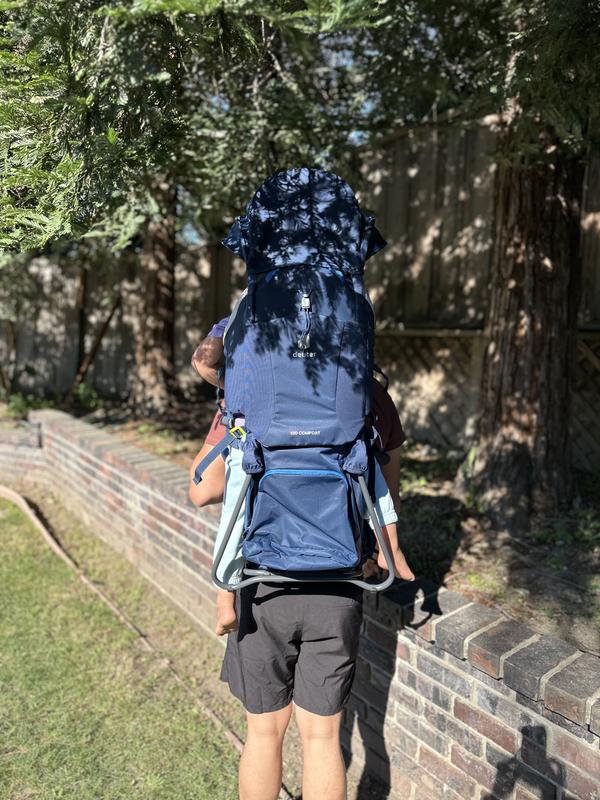
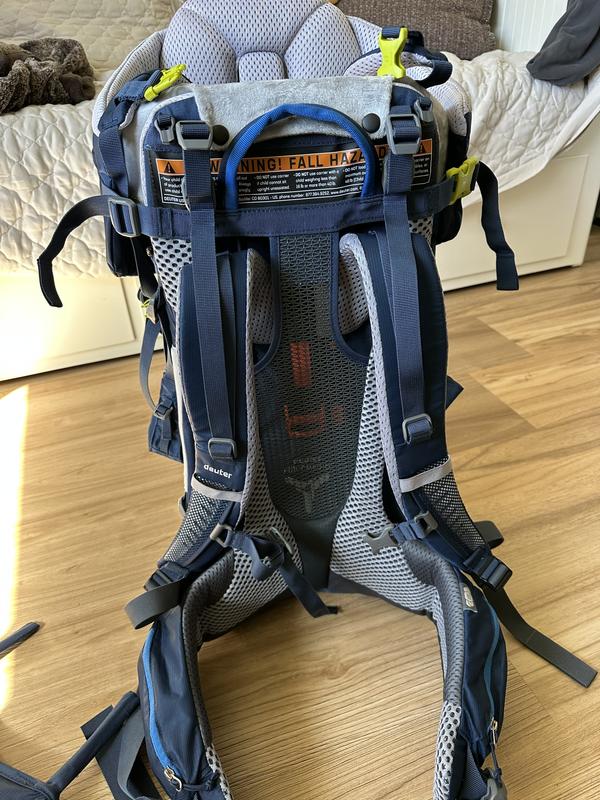
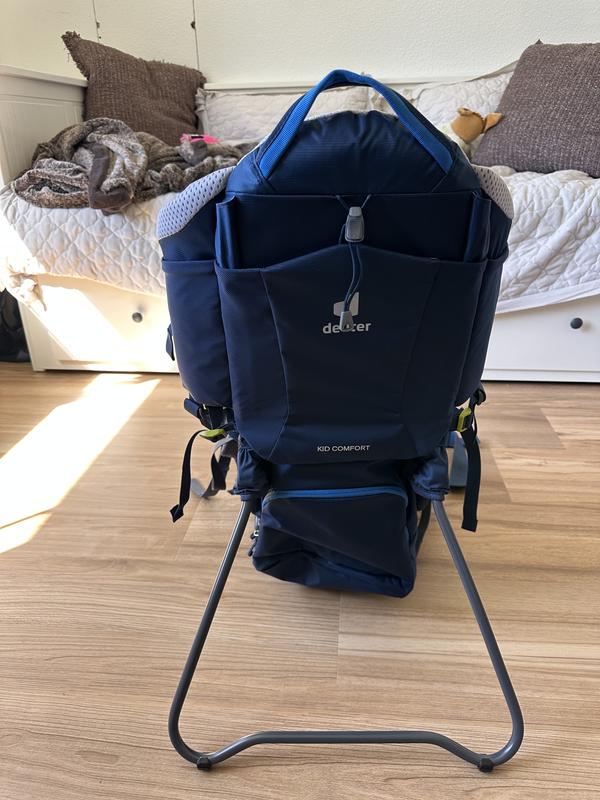
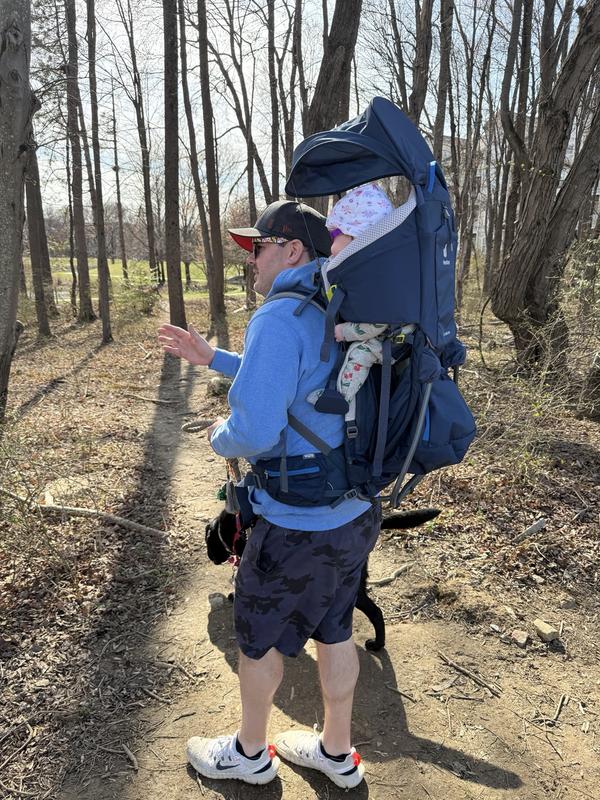
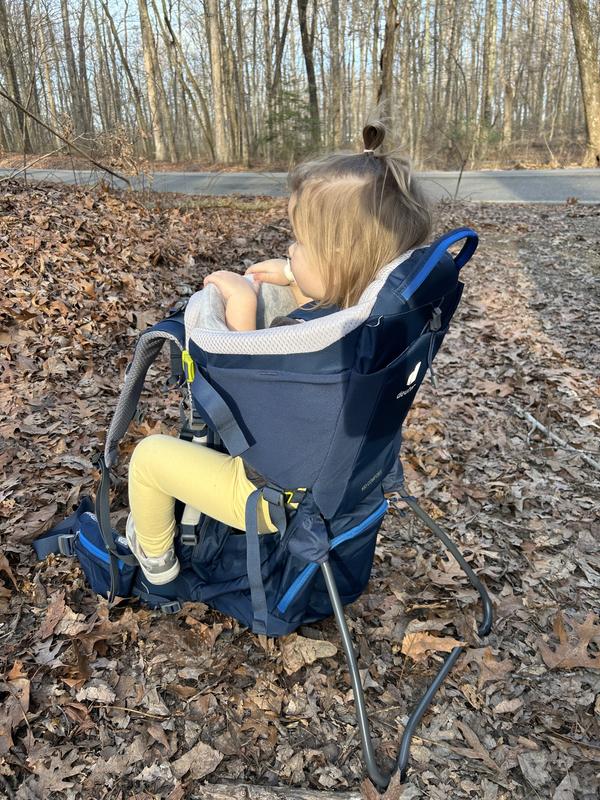
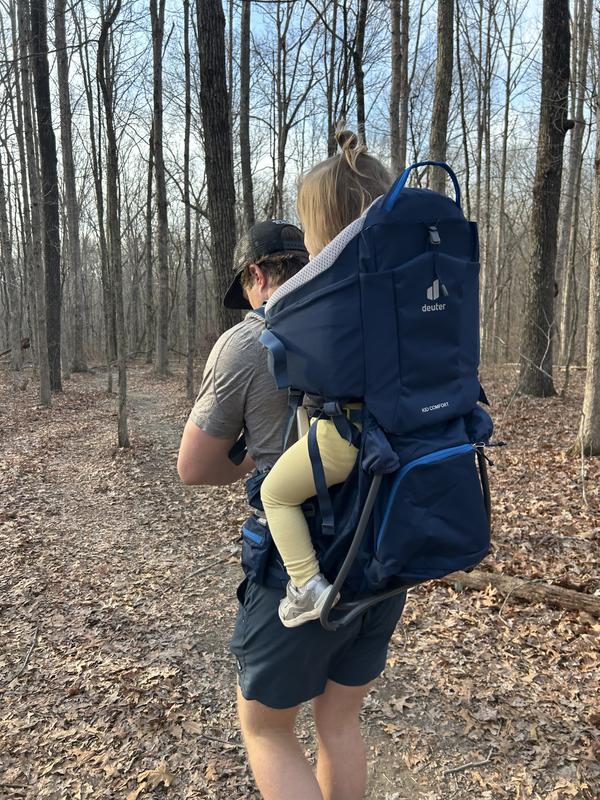
Bring your little tyke along on your next hiking adventure with this Deuter child carrier. It's easy to adjust and comfortable to carry. On bright days, attach the sun roof for added coverage.


Imported.
View the Deuter Kid Comfort Product LineView all Deuter Baby Carriers| Best Use | Hiking |
|---|---|
| Bag Style | Backpack |
| Frame Type | Internal Frame |
| Gear Capacity (L) | 14 liters |
| Gear Capacity (cu. in.) | 854 cubic inches |
| Weight | 7 lbs. 12 oz. |
| Max. Weight (Child+Gear+Pack) | 53 pounds |
| Adjustable Torso Length | Yes |
| Fits Torso Length (in.) | 15-20 inches |
| Fits Waist/Hips | 24-54 inches |
| Material(s) | 210-denier polyamide/polyester |
| Frame Material | Aluminum |
| Number of Stays | 2 |
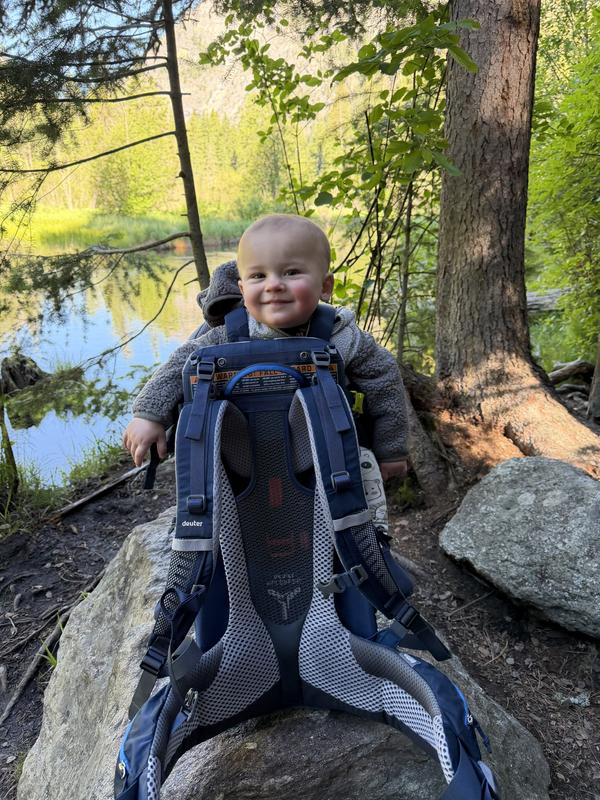
| Suspended Mesh Back Panel | Yes |
| Pack Access | Top / Panel |
| Number of Exterior Pockets | 3 + main compartment |
| Raincover Included | No |
| Hipbelt | Yes |
| Hipbelt Pockets | Yes |
| Dimensions | 28 x 17 x 13 inches |
| Gender | Unisex |
Adding a review will require a valid email for verification
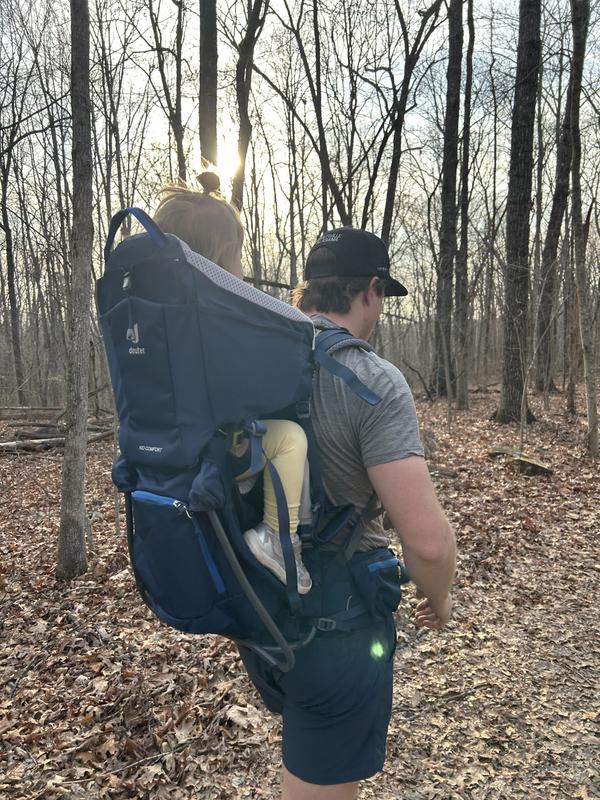
This is probably the most comfortable child carrier I’ve used both for myself and my daughter. To start, the padding and air ventilation is extremely nice and helpful especially when you’re carrying a lot. And for my daughter, the child area is so soft and comfy. She would frequently put her head down to relax on the side, it’s cute. I’ve only ever tried Osprey’s child carrier but would absolutely recommend this one. Feels more modern too. Storage capacity is also great too.
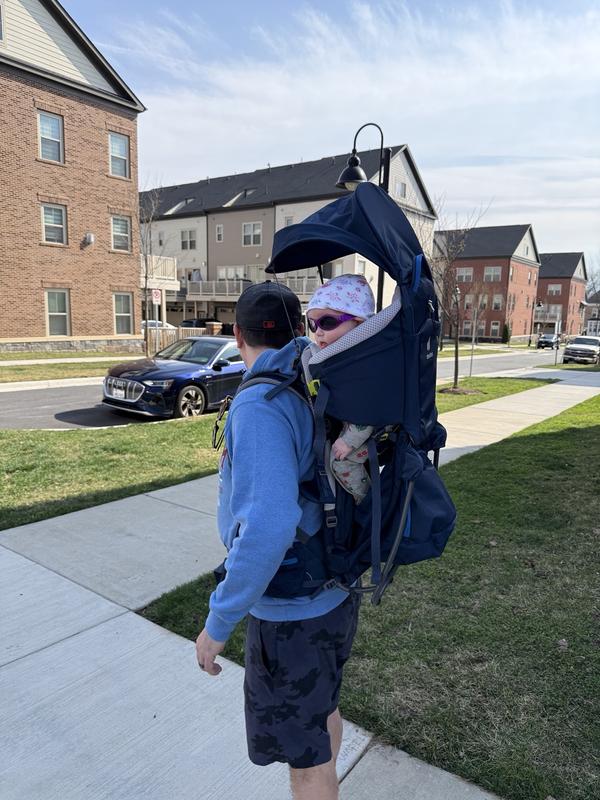
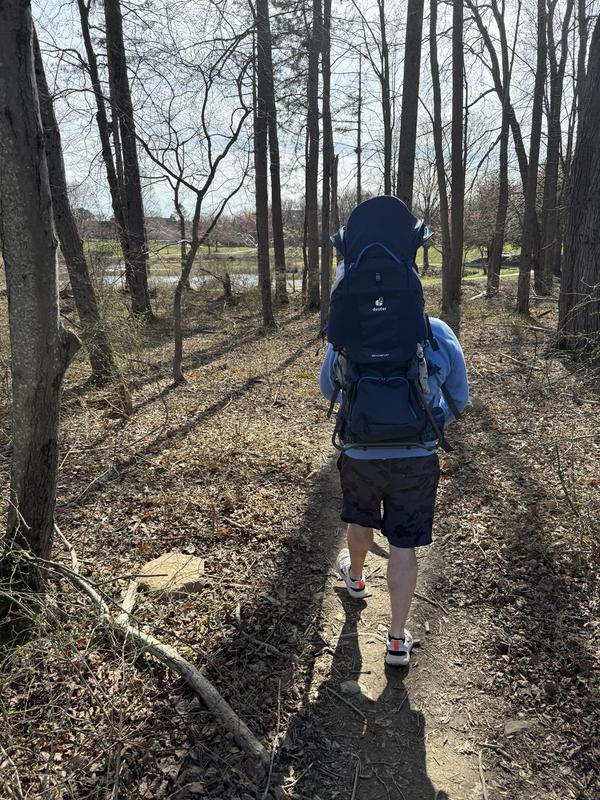
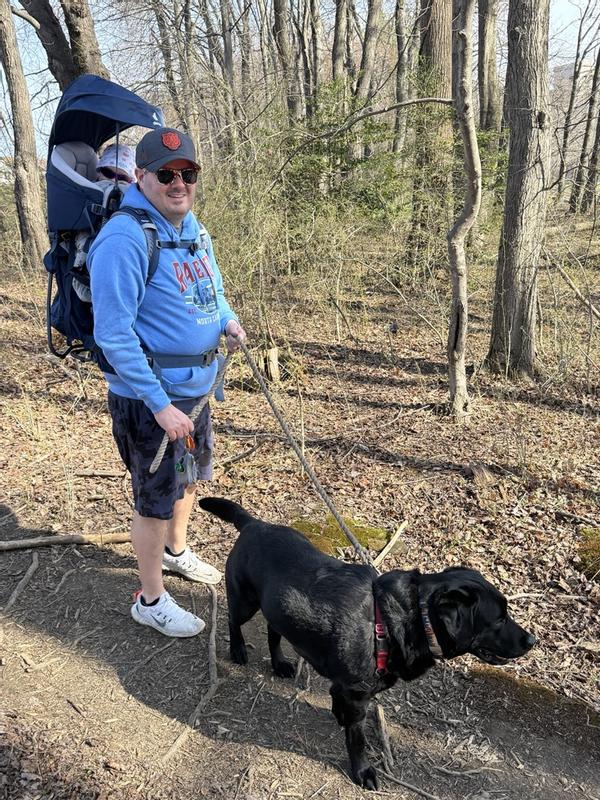
This is the first Kid Carrier we've tried as our 6-month daughter just hit the minimum size requirements. We've tried it out on a short spring hike and a couple of walks around the neighborhood. So far it's been great! From the child's perspective there are a lot of features to love. First, there are a ton of ways to adjust the seat to make our child fit securely and comfortably. While our daughter tended to lean to one side we assume it was because she was more interested in nature than staring at the back of our heads. The built-in sunroof gives her shade without blocking her view of the world going by and also acts as an extra bit of protection from low hanging branches. The only feature that wasn't supper effective were the footrests as our daughter kicked them off within a minute no matter the length we set them at. As for the pack itself, my wife and I both found it comfortable to wear and appreciated how we could adjust the torso and hip belt lengths. The kickstand is certainly sturdy and reliable but can be a bit difficult to kickout if you're trying to take the pack off and ensure that it and your child remain upright. This isn't a problem if there is someone to lend a hand but I doing it solo was more of a challenge. The storage options are great as there is a big pocket below the seat that can hold all you would need for a kid (food, diapers, water, etc.) as well as a jacket and water for the carrier. The pockets on the hip belt can store smaller items like a phone, sun screen or dog treats. Overall, we are looking forward to using this pack for many more hikes.
We enjoyed this with our 2.5 year old (approx 30 pounds.) my husband and I have used an older model of a different brand, and we both liked the sleek design of this bag aesthetically. Practically, my favorite part is the soft pad where kids face. When my child was smaller in a different pack, that same spot left a red space on their face because it wasn’t as soft. It was fairly easy to adjust, and the pop out bar was great for getting settled! I also liked the large size pocket facing the back. Someone from behind can easily store or access things without removing anything.
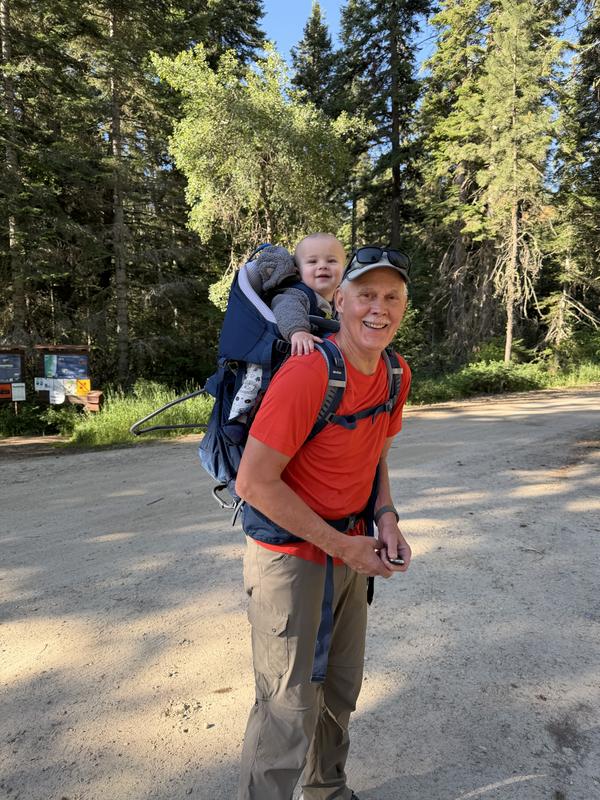
REI’s top rating got this one right. Very well-designed pack. Took my grandson on a 4 mile hike with about 1,200 feet elevation gain (and decent trail). Pack performed very nicely. Easy kiddo loading with the side release. All adjustments for both pack fit to the carrier and for adjusting the kiddos ride are simple and intuitive. Pack distributes weight very nicely with the bulk carried on the hips. All padding for kid comfort nice and well-placed. The pack tripod is convenient for kid loading and shouldering the pack. And it collapses down to make it easy to store. A bit less storage than a comparable Osprey pack (which I looked at very closely) but the other features make up for that. Like this pack a lot!
First off what great help I received from REI, wanted an amazing carrier that would be big enough for my 1 year old but not paying way to much. Found the deuter to be the best fit for our family! Comfy and very adjustable, has so much compartment space and even room for a water bladder!
Great adjustability for my LO. At the tightest smallest settings she’s just big enough at 6 months old and 18 pounds. My LO easily falls asleep on hikes and comfortably rests her head on the material in front of her. Her feet stayed in the foot supports no problem, and she had great sun blockage. I was able to adjust all the straps to comfortably rest all the weight on my hips with the shoulder straps comfortably snug just for stability. Glad I didn’t pay twice the price for competitors. For reference, I’m 5’8” and 175lbs with a 33” waist. I probably only had 1-2 inches of slack left in the waist belt after cinching it down. I could foresee some petite folks wishing they could tighten the waist further.
Great bag. Had an old walmart carrier before and its night and day obviously. Easy to adjust to sit right on the hips and my little one is snug and comfortable in there as well. Can hardly feel her move at all in it but she also has great mobility and can see more. Just enough storage space to load it up for a 5 miler without overdoing it.
My son is 1 year and 9 months old. He weighs about 25-30lbs (yes my wife would know to the ounce) we haven’t been hiking since she got pregnant and we have settled on car camping and places we can push the stroller. I happened to pass a guy walking out of REI with one of these and it clicked for me (I know I just needed it written in crayon for me) we went in and immediately bought this pack. That Saturday we got out and hiked as a family for the first time. It was comfortable to carry, and my son slept the majority of the time. It didn’t leave remarks on his legs and he was able to play with his toys that we dummy corded to the side webbing. I did catch a toy to the back of the head a few times but that’s to be expected. Can’t believe I didn’t think of this sooner.
We are really pleased with this child carrier. The boy seems to enjoy being in it. Holds him securely but allows him enough space to look around. It’s sturdy but comfortable. We’ve only done short hikes so far but I’m sure this will be great on longer distances.



Buy a lifetime $30 membership and make a $50 purchase by Nov 12, 2026.*
$33
10% Reward*
on this and every eligible full-price item*
+
$30
Bonus Card*
valid for 30 days after joining*
=
$63
Value