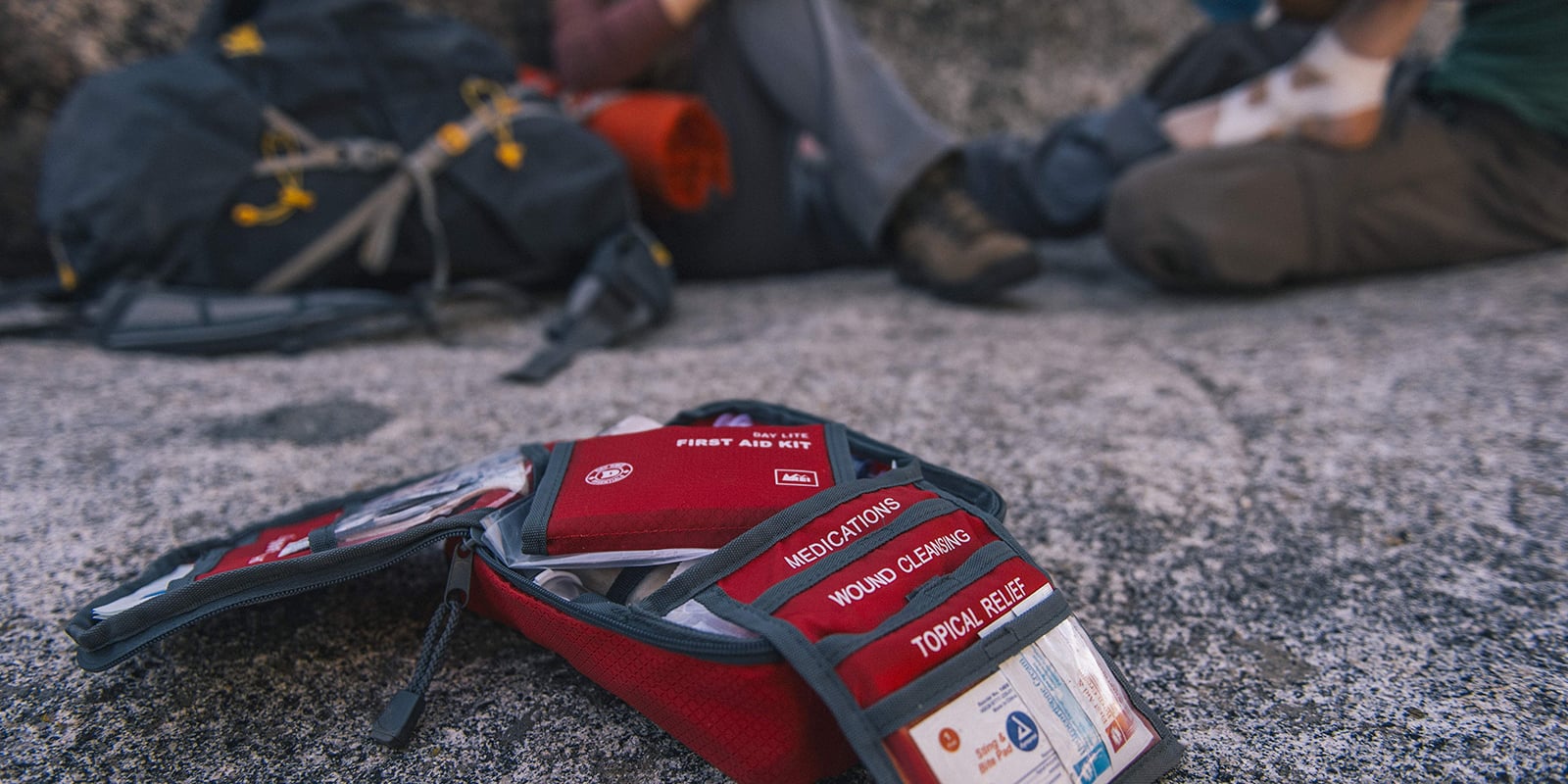
A first-aid kit, as well as the training to use it, is one of the Ten Essentials—a list of gear to help people be prepared for emergency situations in the outdoors—that's universally known yet rarely thought about. When you need to reach for yours, though, you'll be grateful for the time you spent to ensure yours is up to the task.
Even if you pack only a small first-aid kit, you'll have a great resource for treating minor issues like and for preventing them from becoming major ones. Managing aches and pains also makes any trip more enjoyable.
You can buy a first-aid kit or assemble your own.
This article offers tips on both approaches to getting yourself a first-aid kit for the outdoors.
Remember: Assess kit contents before every season. Regardless of the size of your kit, its medications have expiration dates, and its bandages and ointments will get used up.
Shop REI's selection of first-aid kits and supplies.
Premade First-Aid Kits
Most people get pre-assembled first-aid kits to save time and money compared to buying individual supplies and assembling a kit. Another reason to choose a pre-packaged kit is to ensure you don't overlook any important supplies or tools.
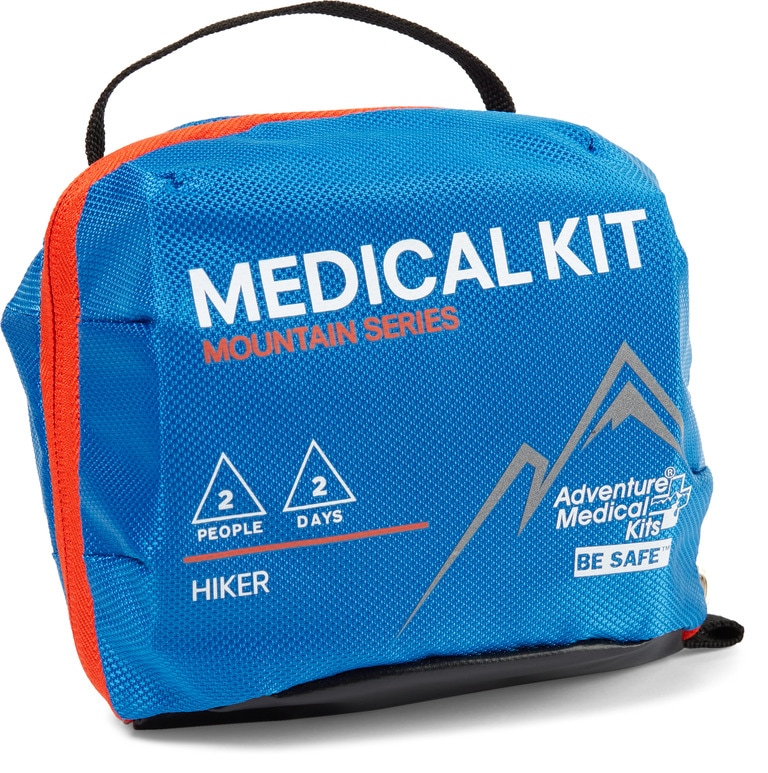
Which kit should you get? Consider the following:
- Group size: Kit-makers usually estimate the number of people a kit will serve. Your results, of course, may vary. Kits for bigger groups may include more supplies, like bandages and pain medication. Medical tools like thermometers, tweezers or splints remain fairly constant from kit to kit. Larger kits may include hospital quality tools like EMT shears or forceps.
- Trip length/distance: Same thing; you'll usually find an estimated number of days in a kit's product description.
- Trip activity: Kit-makers might, for example, include a fully waterproof pouch that makes a kit suited to paddling. Smaller, lighter kits are appropriate when you're planning light-and-fast pursuits like trail running. Bigger, more comprehensive kits make sense for activities like car camping.
- Comprehensive kits: Even if you don't know how to use everything, it can be valuable to get a kit with advanced tools and supplies because others in your group or area might have greater medical knowledge. You can also grow into your kit by getting medical training.
Next consider the following additions, regardless of the kit you choose:
- Trip risks: Example: If you're headed where poison ivy and ticks are concerns, consider adding a poison ivy treatment and tick-specific tool to your kit.
- Special needs: Example: If you require prescription meds or an EpiPen in town, you should add them to your outdoor first-aid kit. On group trips, survey members so that everyone is aware of special supplies in each person's kit.
How many kits should you get? Consider the following:
- Always pack an individual kit: Even if someone else has a big kit for your group, you still need to be able to treat personal nicks and scratches. And the person carrying the group kit might not always be close at hand.
- Consider multiple kits: You don't use the same pack for dayhiking, backpacking and cycling. The same strategy makes sense for first-aid kits.
Build Your Own First-Aid Kit
You'll need a water-resistant bag or pouch to hold everything. You might also need an assortment of plastic bags, plastic pill bottles and a waterproof marker and tape to label things. After that, it's a matter of buying or gathering the supplies to fill your kit.
We highlight some basic essentials below. For a more comprehensive supply list, read our first-aid checklist.
First-Aid Kit Basics
Bandages
- Assorted adhesive bandages
- Gauze
- Athletic tape
- Blister treatments (such as moleskin)
- Triangular bandages
Medication and ointments/lotions
- Ibuprofen
- Acetaminophen
- Aspirin
- Antihistamine
- Antibiotic ointments
- Antacid tablets
- Antidiarrheal pills
- Rehydration salts
- Prescription medicines
Basic tools
- Tweezers
- Blunt tip scissors
- Razor blade or knife
- Irrigation syringe
Miscellaneous items
- Nitrile gloves (at least 2 pairs)
- KN-95 masks
- EpiPen
- Tick remover
- Antiseptic towelettes
- Burn dressing
- Splints and elastic wraps
- Pen or pencil for note-taking
First-Aid Kit Instructions
Always include a quick-reference guide or more comprehensive booklet that explains how to administer first aid. Kit-makers pay close attention to the quality of their guides, so you should do the same.
Trip-Specific First-Aid Supplies
Just as you would with a premade kit, you should supplement your home-assembled kit with extra supplies for a longer trip or special supplies for your destination, activity and group members.
Additional Outdoor Safety Essentials
Some essentials are closely related to first-aid: A emergency blanket (to stave off hypothermia or help treat shock), sunscreen, bug repellent and hand sanitizer might all be carried in or near your kit.
If you ever experience a truly life-threatening medical emergency in the backcountry, a satellite communicator can be a lifesaver. Signal strengths and operational details differ, but each can convey your need for rescue and your location to emergency responders.
To learn more, read PLBs and Satellite Messengers: How to Choose.
First-Aid Training
Even though quality kits come with reference materials, getting first-aid training before your trip is a wise move.
A first-aid guide does not convey the true nature of a medical trauma. Training will help you overcome the initial fear and shock of responding to an emergency. Being fully prepared to deal with a serious incident beforehand can make all the difference.
Outdoor first-aid courses are taught by many organizations. Two nationally recognized companies that offer instruction are NOLS and the Wilderness Medical Associates International.
You can also supplement your training by reading wilderness first-aid books.