
Backpackers can be forgiven if they're a little obsessive about the warmth-to-weight ratio of a sleeping bag. You can't sleep well if you're cold, and even an ultra-efficient ultralight bag will still be one of the heavier, bulkier items in your pack. So, time spent evaluating your backcountry sleep system is time well spent.
When deciding on a sleeping bag for backpacking, consider these key factors:
- Temperature rating: Choose a sleeping bag rated a little bit lower than the typical low temperatures you anticipate on your backpacking trips.
- Sleep system: Being comfortable at a particular temperature depends on many other variables, especially the R-value of your sleeping pad, the other key component of your sleep system.
- Type of insulation: The big choice is down vs. synthetic. Each has its pros and cons, explained below.
- Weight: The quality of your insulation and the cut of your bag are the big factors. When you compare weights, compare bags with the same temperature rating.
- Features: Consider the extras that make your bag work best for you, including types of adjustment features, stash pockets, pad compatibility and more.
What's the Difference Between a Backpacking and a Camping Sleeping Bag? In general, backpacking bags differ from camping bags in three ways:
- They are more lightweight.
- They pack down smaller.
- They are more efficient, providing more warmth for the weight.
The distinction between backpacking and camping bags is not a hard-and-fast one. So, If you'll be doing both activities, go with a backpacking bag because every ounce counts when you carry it in a pack rather than in a car.
To learn about how to select a sleeping bag for camping, read How to Choose Sleeping Bags for Camping.
Shop Backpacking Sleeping Bags
Video: How to Choose Backpacking Sleeping Bags
Understanding Sleeping Bag Temperature Ratings
A sleeping bag's temperature rating identifies the lowest temperature at which a bag was designed to keep an "average sleeper" warm. For starters, you want to select a sleeping bag with a temperature rating that's lower than the lowest temperature you expect to encounter. When in doubt, choosing a bag with a lower temperature rating is wise because you can always open up a bag to cool down when conditions are warmer.
Having a spec for easy comparison is useful, but it's important to understand more about temperature ratings and the terms attached to those ratings. The topic can get complex—here are the essentials:
- An "ISO" or "EN" temperature rating indicates you can reliably compare any two backpacking sleeping bags. These standardized tests mean you can truly compare temperature ratings between brands. (ISO and EN ratings are comparable. EN was the old standard and ISO is the new standard; the ISO version improves consistency of test results across labs.)
- With ISO/EN testing, a bag is assigned two temperature ratings: comfort and limit ratings. "Comfort" rating is the lowest temperature at which the bag will keep the average "cold sleeper" comfortable, and is generally the temperature assigned to women's bags. "Limit" rating is the lowest temperature at which the bag will keep a "warm sleeper" comfortable, and is generally the temperature assigned to men's or unisex bags. If a temperature rating omits the term "comfort" or "limit," then it's likely a brand's estimate, not an ISO or EN test result.
- A temperature rating is not a guarantee of warmth for any bag. The rating is helpful in that all brands test bags the same way, so you can compare bags from different brands. A more complete assessment of your warmth in varying conditions, though, is provided by sleep system data:
Your Sleep System
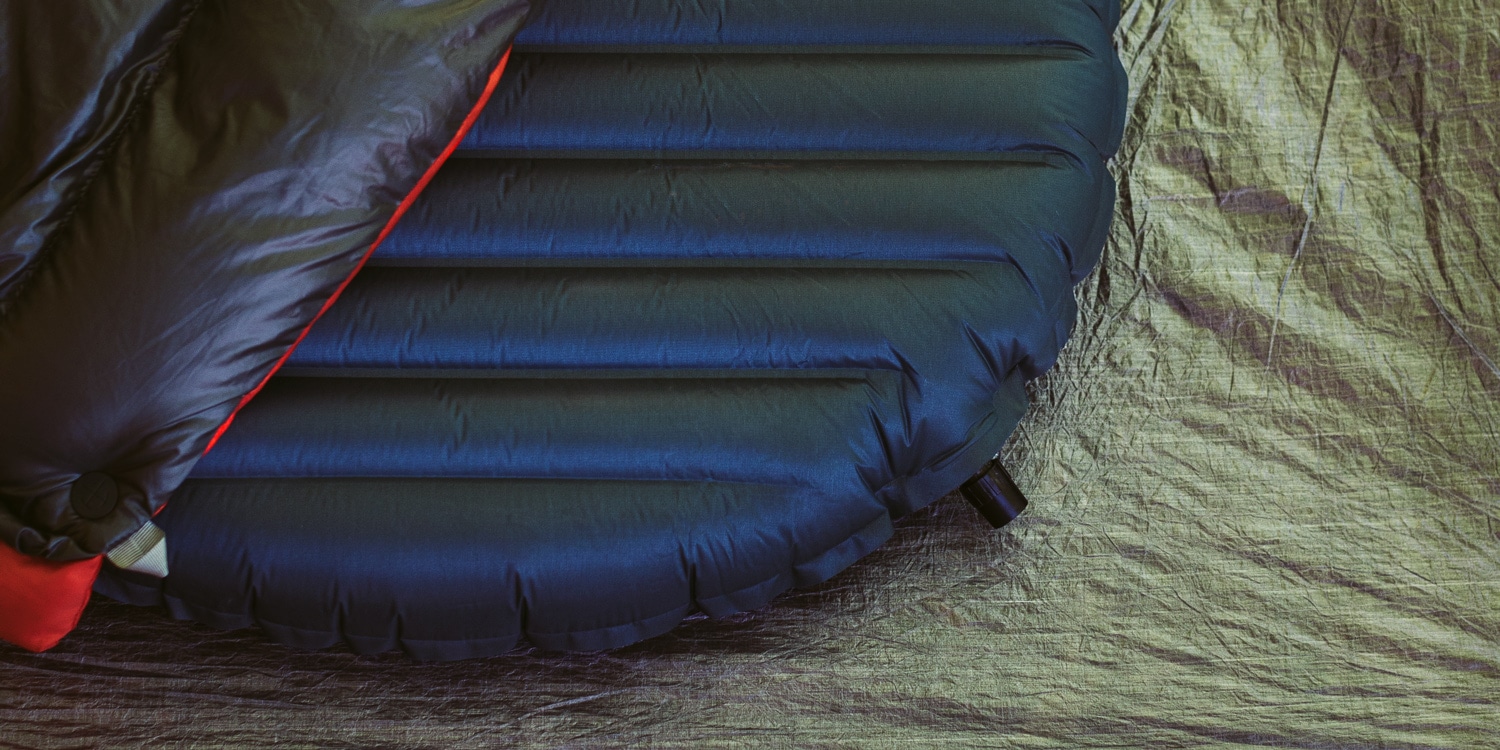
Your Sleeping Pad and Bag Work Together
It's always been true that your real-world warmth and comfort can vary from the tested temperature ratings based on many variables, including humidity, wind, type of shelter, ground conditions, clothing, and personal preferences. The central consideration, though, is your sleep system. A sleep system consists of three basic components: 1) the sleeping bag, 2) the sleeping pad, and 3) the sleeper's clothing.
If you use a less-insulated pad at colder temps, your sleeping bag might not live up to its temperature rating. Its important to note that a sleeping bag's test rating is based on a person who is wearing long underwear and socks, and is sleeping on an insulated pad with an R-value of approximately 5.5. (Keeping those variables consistent across all tested bags is needed to get accurate measurements.)
REI Co-op's Magnusson Lab has conducted extensive testing to quantify overall sleep system comfort. Sleeping bags and pads, with varying thermal performance, were measured alone and in different combinations. The simple table below shows recommended sleep system combinations based on expected nighttime low, R-value of the sleeping pad, and the sleeping bag temperature rating.
Sleep Systems: What Sleeping Pad and Sleeping Bag Rating Should I Get?
CONDITIONS | WARM | COOL | COLD | EXTREME |
Expected Nighttime Low | 50°F | 32°F | 20°F | 0°F |
Pad: R-Value Range | Under 2 | 2 - 3.9 | 4 - 5.4 | 5.5+ |
Bag: Temperature Rating | 30°F or lower | 20°F or lower | 15°F or lower | 0°F or lower |
For the temperature rating of your bag, use its "lower limit" rating if you are a warm sleeper; use its "comfort" rating if you are a cold sleeper. To learn more about how sleeping pad ratings are done, read How Do You Know Which Sleeping Pad Will Keep You Warmer? To learn how to shop for one, read How to Choose a Sleeping Pad.
Understanding Sleeping Bag Insulation Types
Your insulation choice is an important first step in choosing a sleeping bag for backpacking. The chart below lists the key differences between down and synthetic fills.
| Insulation Type | Key Benefit |
| Down | Lightweight Easy to compress Excels in cold, dry conditions Durable |
| Synthetic | Quick drying Insulates when wet Non-allergenic |
Regardless of which type of insulation you choose, know that a lot of design ingenuity goes into the distribution of insulation between the bag's liner and outer shell. Down bags typically use a variety of baffled constructions, while synthetics typically use quilted, offset quilted and/or shingled constructions. The goal is to get an even distribution around you and to avoid cold spots.
Here are more details and considerations when choosing the type of insulation you want for your backpacking sleeping bag:
Down insulation: More expensive on average than synthetic insulations, down is sought after because it's lighter and more compressible. In addition, down fill is more durable than a synthetic fill, which means it retains a more consistent level of warmth for longer period of time (decades, if properly cared for). Here are a few common questions when considering down insulation:
- What does "fill power" mean? Not all down is created equal. "Fill power" is a spec that indicates the quality of down—a higher number indicates down that lofts higher to generate greater warmth for its weight. The priciest down bags, ones intended for extreme cold or ultralight backpacking, have the highest fill powers—closer to 800- than to 500-fill-power. To learn more, read What Is Down Fill Power?
- What is water-resistant down insulation? To combat down's loss of insulating efficiency when wet, most sleeping bags are filled with down that has a water-repellent treatment.
- What is responsible down? Most down is a by-product of the meat industry, so bag makers have taken steps to ensure humane treatment of the ducks and geese that provide down: RDS (Responsible Down Standard) and TDS (global Traceable Down Standard) are two designations to look for. To learn more, read Animal Welfare and Outdoor Gear.
Synthetic insulation offers solid performance at an affordable price. Unlike down, it continues to insulate when wet, so it's the bag insulation of choice for damp climates. Available in a variety of branded names, most synthetics are made of polyester. (Unfortunately, there is no widely adopted "fill power" spec that you can use to evaluate the performance of synthetic fills. Refer to sleeping bag ISO/EN ratings for comparisons.)
Down/synthetic blends: Some bags are designed with synthetic insulation on the bottom, where it will compress less, and down on top, where it will loft better. If you roll the entire bag onto its side, though, that design loses its advantages.
Keep in mind the type of insulation is the primary factor of the size of a backpacking sleeping bag when it is in its stuff sack (how you will carry it in your pack). Look for and compare "compressed volume" specs to better understand size differences.
Understanding Sleeping Bag Weight
The biggest factors in the weight of a sleeping bag are its insulation and its shape. More efficient insulations, like advanced synthetics and high-fill-power downs, will deliver greater warmth for less weight than less efficient fills. Because a bag requires more insulation to get a warmer (lower) temperature rating, you should always compare bags of similar temperature ratings when comparing bag weights.
Insulation fill weight: The overall bag weight is what matters when you're carrying a bag in your pack. Insulation fill weight tells you only the weight of the insulation in the bag. Some people use it as another rough indicator of bag warmth, reasoning that having more fill in a bag makes it warmer. The bag's temperature rating, though, is the more reliable indicator of warmth.
How sleeping bag shape affects weight: A bag with a sleek shape and a snug fit will be lighter than a similar bag that's nice and roomy. Sleeping bags come in three basic shapes:
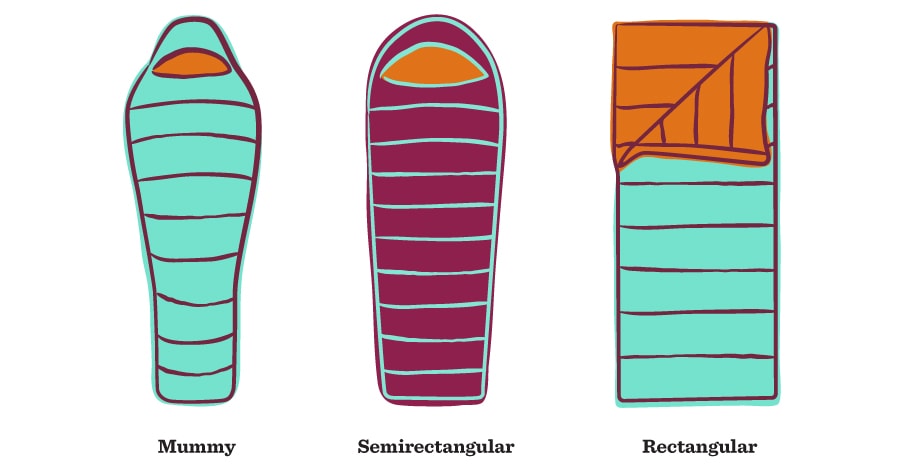
Mummy: In order to boost warmth and reduce weight, this type of bag has a slim cut, along with a contoured hood you can cinch tight for greater warmth. Overall fit is snug—you typically roll over with your bag rather than inside of it.
Semirectangular: Also known as a "modified mummy" or "barrel" shape, this designation covers a variety of shapes, all of which offer a compromise between warmth and roominess.
Rectangular: A lot of camping bags have a simple rectangular shape that maximizes roominess.
How sleeping bag shape affects warmth: Sleeping bags keep you warm by retaining heat emitted by your body, which can warm a small space up more efficiently than an expansive space. So, a bag with a sleek shape and a snug fit will be lighter than a similar bag that's nice and roomy.
How to Get the Best Sleeping Bag Fit
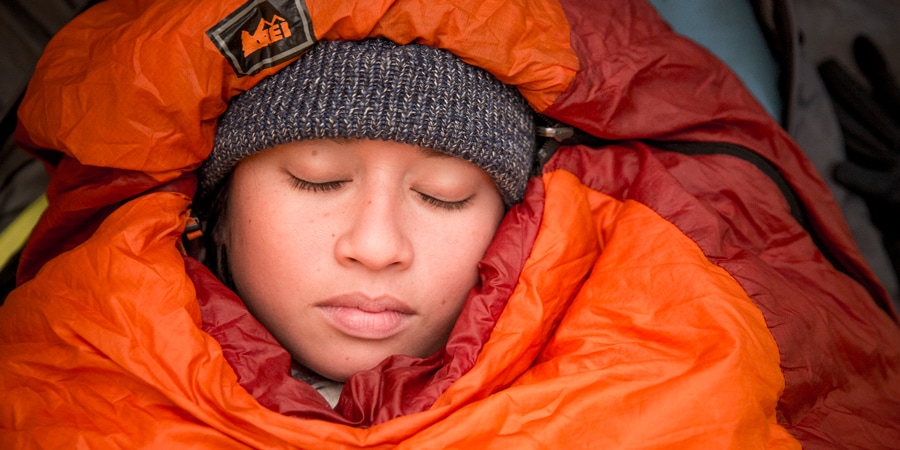
The shape categories above are very general—dimensions vary quite a bit from bag to bag. In addition, much like shoe brands, bag brands have differing fits. To see which bag shape and brand's dimensions feel most comfortable to you, head to an REI store so you can "try on" different bags.
Sleeping bags also come in a variety of sizes:
- Adult sleeping bags: Most bags come in regular and long sizes. Some also come in a short size. If your height is close to the upper end of a size's "fits up to" spec, try both that bag and the next size up to see which you prefer. Generally, though, you'll be warmer and save a little weight by going with the smaller of the two sizes.
- Women's sleeping bags: These are engineered to more closely fit an "average woman's" contours. They are typically shorter, narrower at the shoulders and wider at the hips than a men's or unisex bag.
- Kids' sleeping bags: These are simply shorter and smaller variations of adult sleeping bags, which makes them more affordable, too. ISO and EN testing can't be done on them, though brands still provide an estimated temperature rating for kids' bags.
Additional Sleeping Bag Features
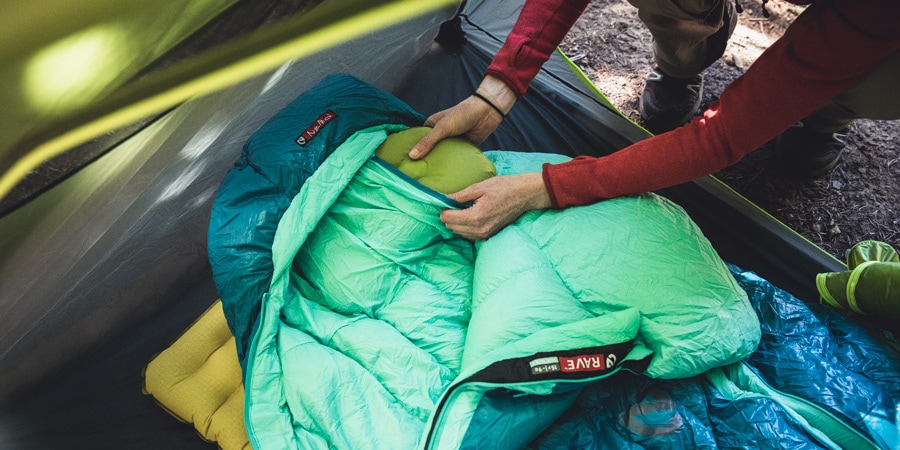
Sleeping bag hood: A hood offers added warmth, especially when cinched tightly around your head. Some hoods include "differentiated drawcords," which have different thicknesses so that you can easily tell which cord adjusts the neck fit and which adjusts the hood opening.
Draft-blocking features: Draft tubes run the length of the bag behind the zipper to help keep warm air from escaping. Draft collars or yokes are at the top of the bag around your neck to prevent warm air from escaping there.
Anti-snag zipper features: Snagging the zipper as you try to open or close your bag is annoying and causes extra wear and tear on its fabric. Some bags shield the zipper with a guard along its full length; others tackle the issue with a cover of the zipper itself.
Left or right zip: Don't worry about this unless you are a couple who wants to zip two bags together. One person needs a bag with a left-hand zip and the other a bag with a right-hand zip. Having the same zipper type is also important. If a brand makes comparable bags for each gender, then the men's is typically a left zip and the women's is a compatible right zip. If you plan to share bags all the time, then also look at double bags that are specifically designed for two sleepers.
Stash pocket: Typically located on the chest near the top of the bag, this is handy for keeping small items, such as a watch or lip balm, close at hand.
Sleeping pad compatibility: On a few bags, the underside insulation has been replaced with a sleeve to fit a sleeping pad (sold separately). Similarly, pad loops allow you to use straps (sold separately) to connect the bag to your pad.
Pillow pocket: Some bags include a "pillow pocket" that allows you to stuff clothes inside to create a pillow. If your bag doesn't have this feature, you can always bring a pillow from home or purchase a camping pillow.
Sleeping bag fabric: The outer shell of a backpacking bag is typically made of a ripstop nylon or polyester. Many shell fabrics are also treated with a durable water repellent (DWR) finish to prevent moisture from soaking through and dampening the fill. Lining fabrics, on the other hand, have a brushed texture for added softness.
Sleeping Bag Accessories
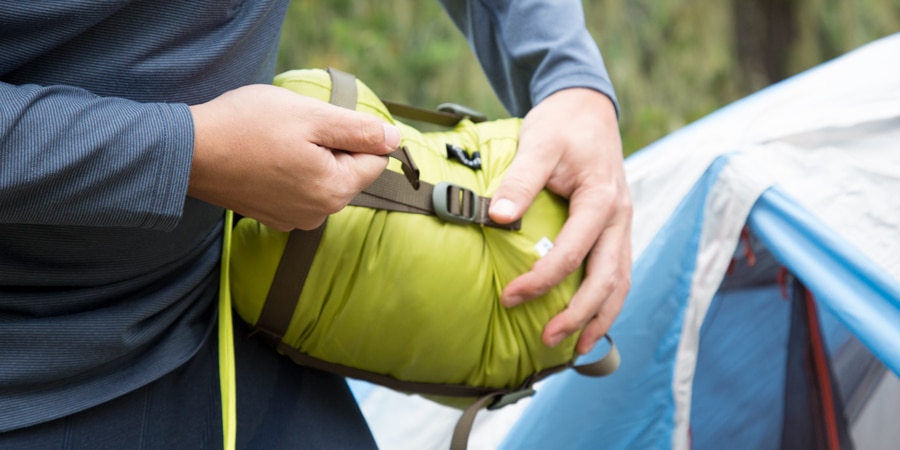
Stuff sack: Many bags come with a stuff sack (sometimes sold separately) to easily compress your bag down small for easy packing.
Storage sack: Because leaving a sleeping bag compressed tightly in a stuff sack for long periods of time will impair its ability to loft fully and insulate efficiently, a lot of bags also come with a large mesh or cotton storage sack.
Sleeping bag liner: Buying a soft sleeping bag liner and slipping it inside your bag minimizes wear and helps keep the bag clean. Adding a liner to your bag can add a little extra warmth, allowing a single bag to serve you in a wider variety of temperatures.