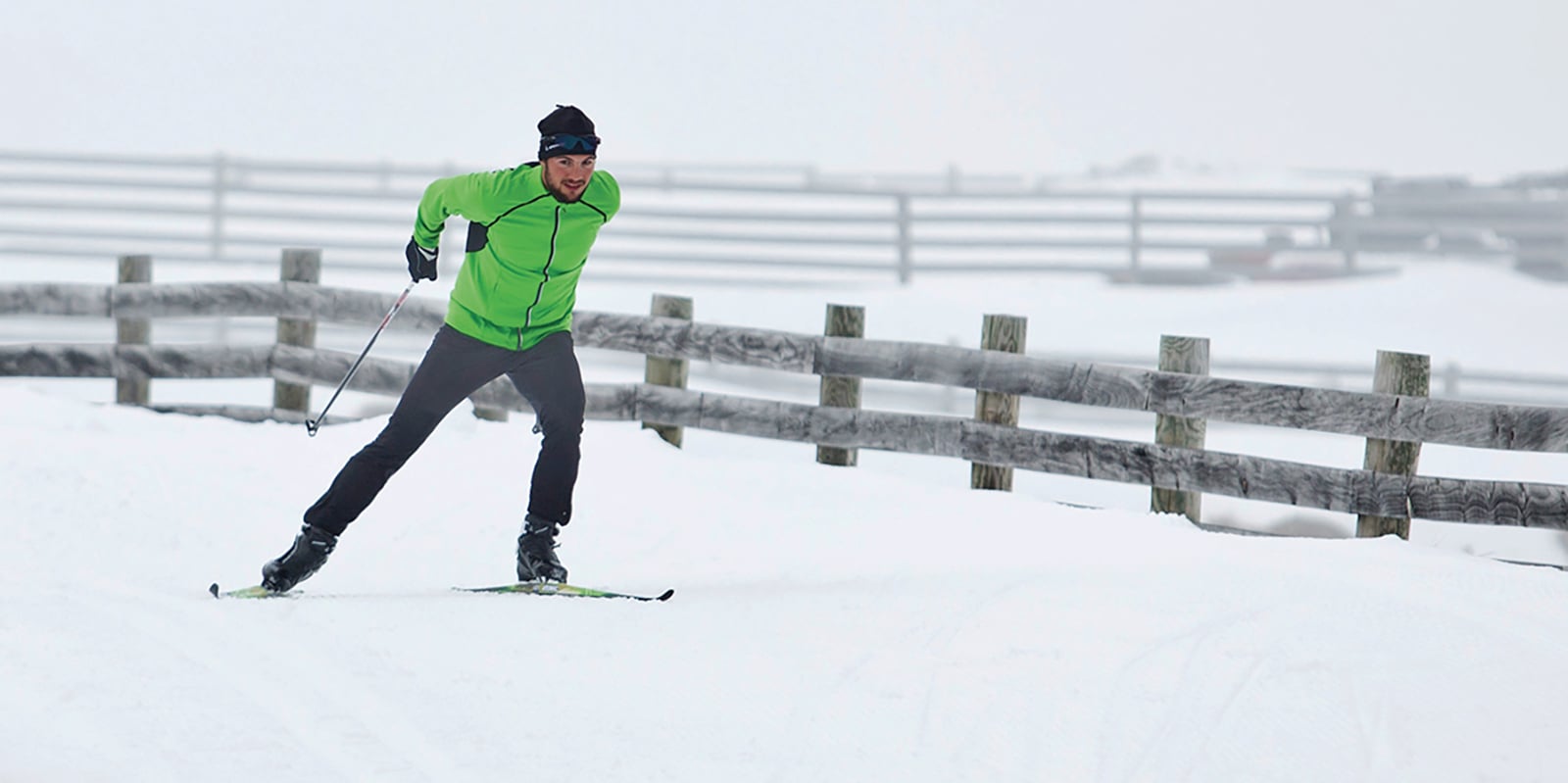
As you kick and glide through the tracks in your cross-country touring gear, you may have seen them: bright blurs that flash past in spandex outfits.
These are skate skiers. They push off poles and skis like speed skaters flying down the straightaway to the finish line. Looks fun, you say, but what kind of gear is needed to skate ski?
Though it's possible to skate on cross-country skis (both touring and metal-edge touring) for short periods, it is awkward. It's worth noting, too, that skate skiing equipment is not conducive to kicking and gliding in the classic cross-country stride and is not designed for touring.
So if you're considering getting into skate skiing—or maybe even racing—then it's definitely worth investing in the appropriate skate skiing gear.
Skate Skis
Length: Skate skis need to be short and light enough to be picked up off the ground during each forward stride, yet long enough to provide adequate glide and stability. Skate skis are generally about 10cm shorter than touring skis. Remember that your height and weight will factor into the length of ski that is right for you.
Width: The narrower a ski is, generally, the faster it moves. Skating and racing skis are thus quite narrow when compared to their touring cousins. Typically ranging from 41mm to 45mm wide at their tips, they glide swiftly over packed or groomed snow. Skating skis fit easily into established tracks, allowing skaters to hop into them and tuck on downhill sections for maximum speed.
Sidecut: Most skating skis have no sidecut (the long, inward side curves), since it makes them more difficult to set on edge and control when skating. Sidecut is designated by the widths, in millimeters, of the ski's tip, waist and tail (listed as 44/43/43, for example, on product specs). On other types of skis, the waist is the narrowest part. Some skating skis, however, may be slightly wider at the waist to provide a solid edge for the skating motion.
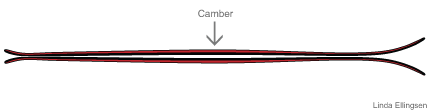
Camber: Camber is the amount of bend, or arch, built into a ski. It affects the flex and strength of a ski. You can see the amount of a ski's arch by laying it on the floor and seeing how much light is visible underneath the center of the ski. Skating skis are designed with an alpine camber. That means they have a less-pronounced arch from tip to tail, rather than the raised, high-arch "wax pocket" found on touring skis, which have cross-country camber. This flatter profile allows you to push off the skis' edges more efficiently than you could on the curved shape of touring skis.
Waxable bases: Most skate skis have waxable bases, but for glide only. This is because a skate ski's edges, rather than the base, are relied on for traction and forward momentum. On nonwax ski bases, the grip patterns used for pushing off during the classic touring stride would interfere with the skating motion.
Flex: Because of the specific nature of the skating technique (and the fact that skating is usually performed on hard-packed snow), skating skis tend to have a stiff flex.
Shop skate skis at REI.
Skate Skiing Boots
Skating boots offer more ankle support than touring boots to help protect against the twisting forces involved in the skating technique. They also have stiffer soles to help minimize torsional and forward flex, both of which can hamper skating performance. Comfort should be your number one concern when selecting any ski boot.
Shop skate skiing boots at REI.
Skate Skiing Bindings
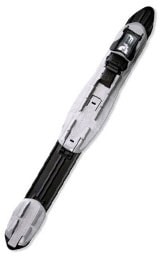
Once you've selected your boots, choose a binding system that works with them. Skate ski bindings can use one of several lightweight systems:
- NNN (New Nordic Norm): A favorite of advanced skiers. Must be used with NNN style boots.
- NIS (Nordic Integrated System): These install easily onto skis with premounted NIS plates. Also compatible with NNN racing/touring boots.
- SNS (Salomon Nordic System) series: Not to be confused with the old SNS bindings, new SNS series bindings are made by several manufacturers. Salomon's Pilot Sport skate bindings are distinguished by 2 connection points for enhanced control.
Note: Avoid NNN-BC bindings. These offer the durability backcountry skiers need but are too unforgiving for the high-stress lower-leg work of skate skiing.
Shop skate skiing bindings at REI.
Poles
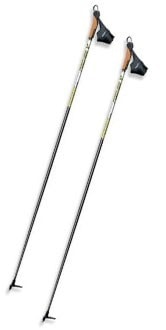
To skate efficiently, your poles need to be long enough for you to use the major muscle groups in your abdomen and upper body to propel yourself forward. Skating poles should reach from the ground up to a point somewhere between your chin and your lips (as opposed to your armpits for touring poles). This pole length represents about 90% of your overall height.
Skating poles are quite long. They're exposed to considerable force, so they must be sturdy and stiff. They should also have special skating handgrips, asymmetrical baskets and adjustable straps that allow you to perform the skating technique comfortably and efficiently.
Shop skate skiing poles at REI.
Related Expert Advice articles: