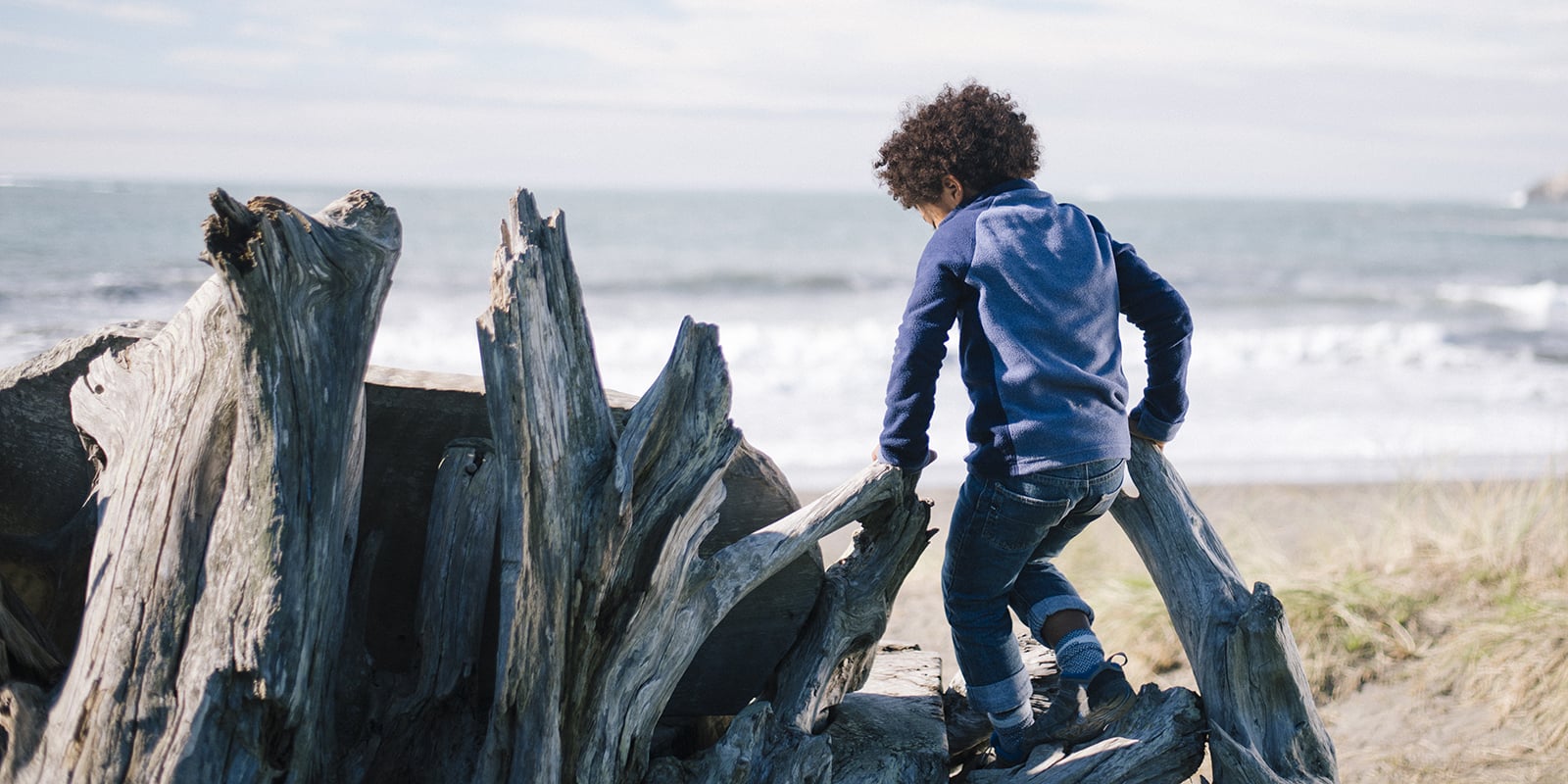
Geocaching (pronounced GEE-o-cash-ing) offers a fun way for the whole family to spend time outdoors. It's a high-tech treasure hunt that can help engage your kids in the natural world. This article gives you the basics to get started.
What Is Geocaching?
Geocaching uses a smartphone app to find hidden "caches" in your neighborhood or out on the trails. Caches are containers of all sizes that may be camouflaged to blend into their surroundings. Inside there will be a logbook to sign, with larger caches also containing various trinkets for trade. Many GPS units also have geocaching functionality, so you can use one of those if you prefer.
How Do I Start Geocaching?
Geocaching.com tells you how to download the app and lays out geocaching basics. The site also lists millions of active geocaches worldwide, so you should be able to find several good caches just about anywhere.
Some caches are easy to find while others may require a long hike, so check the difficulty and terrain ratings on the web page before you go. A "1 star" difficulty and terrain rating are just about right for a young child.
Cache sizes are also given online, so if your child is looking forward to finding and exchanging "treasure," select a cache that is regular size or larger.
What Do I Bring Geocaching?
Treat a geocaching-hunt as you would any hike by dressing your kids comfortably for the outdoors and carrying essential supplies, including water and snacks.
Caches often contain small trade items or trinkets. The rule of geocaching is that if you take something from the cache, you must replace it with something of equal or greater value. So, have the kids pack an assortment of trinkets for trading.
For poking into dark cache-hiding places, bring a trekking pole or hiking stick and a flashlight. Lastly, you will want to sign the logbook in the cache to prove you found it, so don't forget to bring a pen.
Looking for a Cache
To find a cache once you're out and about, look at the app's map page for caches near you. Click on the cache you choose and then begin your hunt. The features are fairly intuitive, though it might take some experimenting the first time you go.
You can switch between a map view and a compass view, so experiment with each as you search. The map view only indicates how close you are, not the best route to take. If you keep an eye on where the compass is pointing as you get close, you may be able to guess where the cache is hidden.
Safety tip: Be aware of your surroundings. Take your eyes off of the screen occasionally so you don't fall down a hill (or worse).
The app is accurate to roughly within 30 feet, so when you are closer than this to the cache, it really can't tell you much more. At this point you should put it away and start looking.
Video: Finding the Geocache
Tips to locate a cache:
- Look for likely places or objects that appear out of place (unnatural piles of sticks, etc.).
- Double-check the size of the cache on the app; you can also use the hint feature if needed.
- Take your time and be patient.
Caches may be hidden in old logs or rock piles that are home to other creatures as well, so teach kids to look first before reaching in. Kids will likely search enthusiastically; just make sure they don't tear up the countryside looking for the cache. If you turn over a rock, replace it as found. Always follow Leave No Trace principles.
Once You Find a Cache
You found it! Congratulations! Now what?
- Take something from the cache.
- Leave something in the cache.
- Write about it in the logbook—be sure to use your geocaching.com username in the entry.
Look through the cache. Take an item and leave an item, and enter your name and experience into the logbook. Some people don't care to trade, and that's OK too. Carefully reseal the cache and hide it as well as you found it. Don't leave markers for the next cacher to find it or place it in a "better" spot.
Now is a good time to practice a little CITO (Cache In, Trash Out). If there is any trash in the area, pick it up and pack it out.
Once back at home, go to geocaching.com and write a log to let the cache "owner" know you found it. Let them know the condition of the cache, your experiences on the trail and any trades you made. This can be a fun creative-writing experience for the kids.
Now off to the next cache… and the next one… and the next one. Hmm, kind of addicting, isn't it? After finding a variety of geocaches in your area, you may be ready to hide some of your own.
Hiding Your First Cache
Some kids will really enjoy creating and hiding geocaches of their own. It's a good idea to wait until after you've found a lot of caches (100 is a good amount) so you have a good sense of what makes a quality cache. Follow the guidelines provided by geocaching.com to make sure it is something you would enjoy finding yourself.
- Will it be easy to get to? If it is close to roads or high-traffic areas, there's a strong chance someone may stumble on it. Look for a place that will take a bit of time to get to, or create some camouflage to hide it.
- Will it be easy to find? If it is too visible, a passerby could spot it. If you make it a challenge, be sure to include some hints!
- Do you have permission to hide the cache? This might seem obvious on private land, but it also applies to many public lands, including all national parks and national wildlife refuges. Always check with the land owner or land manager first.
- Consider the impact searchers will have on the area. If it is difficult to find, will the actions of frustrated searchers do any damage or alarm those who are not aware of the cache? Stay away from all archaeological sites and sensitive habitats.
- Would you want to go there? Some caches have been hidden behind dumpsters. Is that really where you would enjoy searching?
- Do you have a suitable container—nonbreakable, waterproof and durable? You'll also need a logbook.
- Review the locations of other caches in the area. They must be at least 0.1 mile (528 feet) apart.
- Review all of the guidelines before placing a cache.
- Remember that you are also responsible for ongoing maintenance of the cache.
The Bottom Line
Geocaching can be fun for the whole family. Use geocache hunts to introduce your kids to new parks, new activities and/or the natural history of your area. It also can make a fun addition to your next vacation. Look up cache locations along highways and near hotels to make travel time more interesting.