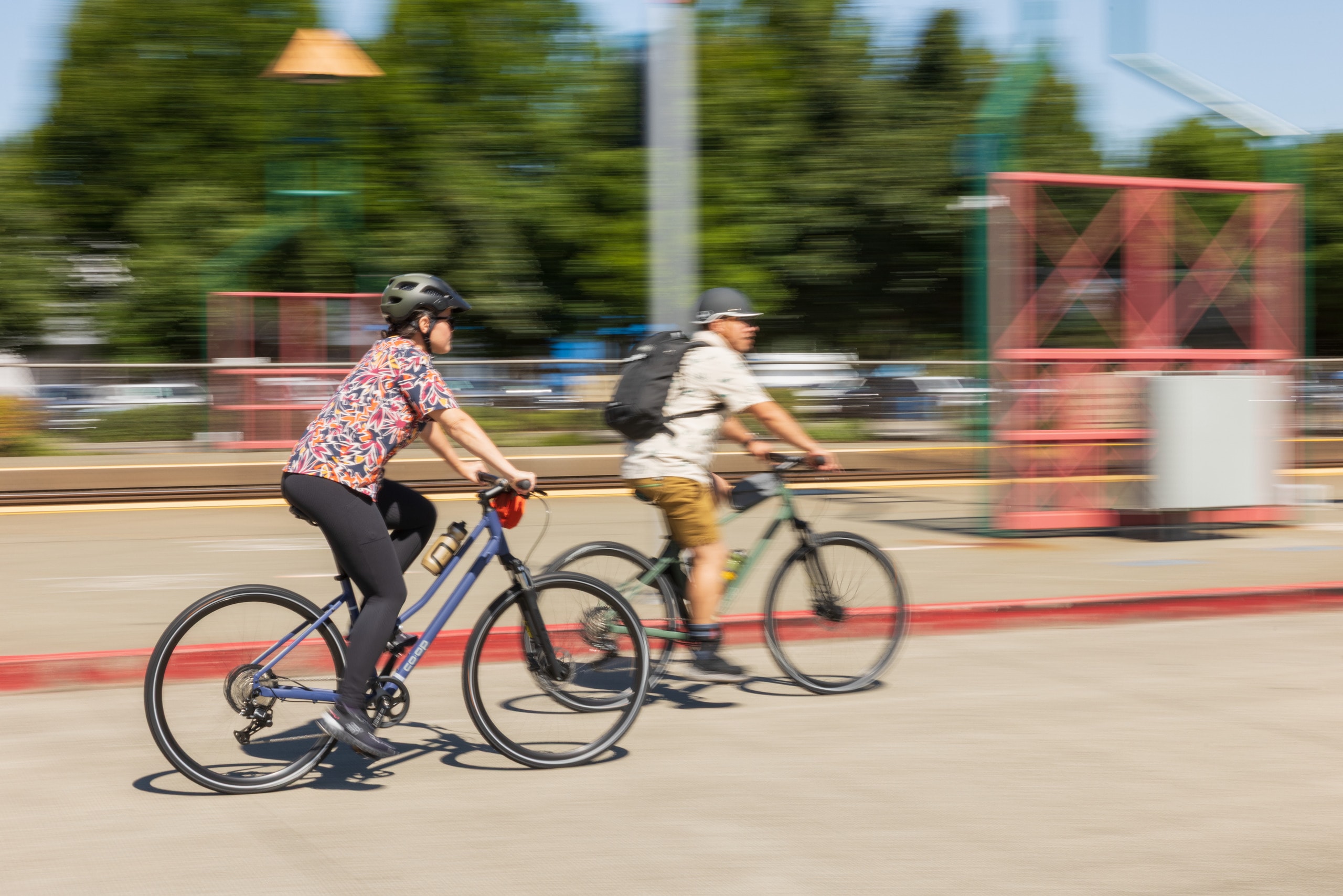
Whether you're brand new to cycling or rediscovering the joys of two wheels after a few years away, you might be wondering what to wear on a bike ride. For starters, you don't have to run out and buy a bunch of cycle clothing to enjoy riding, nor do you have to buy stuff to look cool.
Bike-specific clothing, however, can make a big difference in your comfort and performance because it’s designed to move with you, regulate sweat and add a layer of protection. Also important: Cycling clothes with reflective elements can improve your visibility to motorists. And if you don’t love the full “spandex” look, good news: Not all bike clothing is designed to call attention to itself. Plenty of brands are designing bike clothes that double as streetwear.
So, where to start building your cycling kit? Begin with a comfortable pair of bike shorts and a moisture-wicking bike jersey or shirt. Add a cycling jacket or vest for warmth, or swap in bike tights or pants for added protection. And don’t forget about accessories like cycling socks and gloves. Read on for tips on how to build your cycle kit and what to consider.
If you’re looking for specific tips for mountain biking clothes, read our article on What to Wear Mountain Biking.
In this article, we’ll cover:
- Do you need cycle-specific clothing?
- Start with a good bike helmet
- Cycling jerseys and bike shirts
- Bike shorts
- Cycling tights and pants
- Cycling jackets and vests
- Cycling accessories
Do I Need Cycle-Specific Clothing?
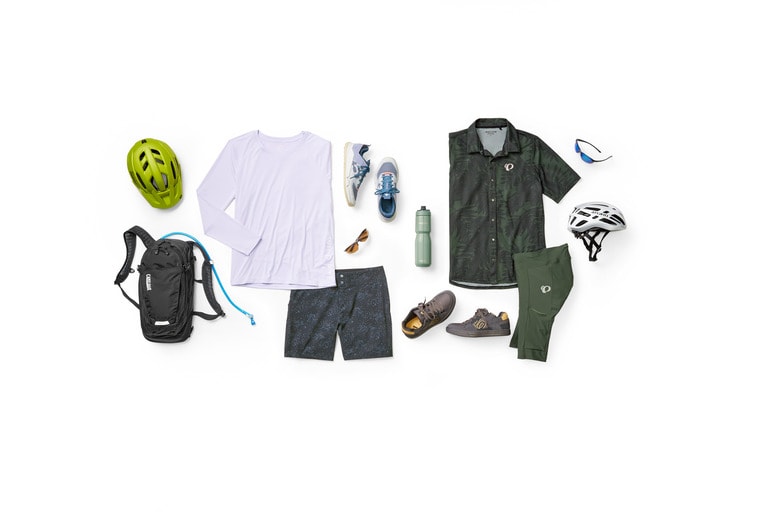
You can wear almost any comfortable outdoor or fitness clothing—think breathable and moisture-wicking—when you bike but cycling clothes can help you feel more comfortable and ride better.
Cycle clothing offers features designed for the specific needs of biking, and it’s often made with more durable materials than what you’ll find in everyday gym clothes. These features include padding or a “chamois” on bike shorts to improve comfort in the saddle, reflective details on cycling jackets to make you more visible to drivers at night, rear pockets on cycling jerseys to stash easy-to-reach snacks or a water bottle, or a tapered fit on bike pants to prevent clothes from getting caught in the bike’s drivetrain.
Breathable materials found in cycle clothing can also make rides more comfortable by wicking moisture away and helping prevent chafing. While recreational riders or mountain bikers might prefer looser, causal cuts, road cyclists or other racers may opt for slim cuts that improve aerodynamics and prevent clothes from flapping while riding.
Bike Clothing Features
- Moisture wicking bike clothes: keep you comfortable by pulling sweat away from your skin and moving it to the surface of the clothing, which helps prevent that clammy or soggy feeling.
- Quick-drying: Materials help keep you cooler and more comfortable
- Sun-protective fabric: Protects against harmful exposure to UV rays. Look for clothes with a UPF rating; the higher the rating, such as UPF 50, the better the sun protection.
- Waterproof or water-resistant layers help riders stay dry during surprise weather changes. Learn other tips on How to Bike in the Rain.
- Insulated pieces trap warmth without bulk, making them perfect for early mornings or colder seasons. For more tips on biking in winter, read: Biking in Winter.
- Padded shorts provide targeted cushioning between the rider and the saddle, reducing pressure and absorbing vibration—especially helpful on longer rides or over rougher terrain.
- Reflective elements are especially important on jackets and pants, which you'll often wear in colder, darker weather. How much reflectivity do you need? Generally, you want approaching drivers to see a reflective element or a bike light. When in doubt, more visibility is always better.
Start with a Good Bike Helmet
While it’s not bike clothing, a helmet is something every cyclist needs to wear. You can choose a helmet based on the type of riding you do, but almost any bike helmet can work for most types of riding. The most important thing is to get one that fits well. Helmet designs have also come a long way, so you have more stylish options available—though, sadly, none solve the issue of helmet hair. Learn more in How to Choose a Bike Helmet.
Cycling Jerseys and Bike Shirts
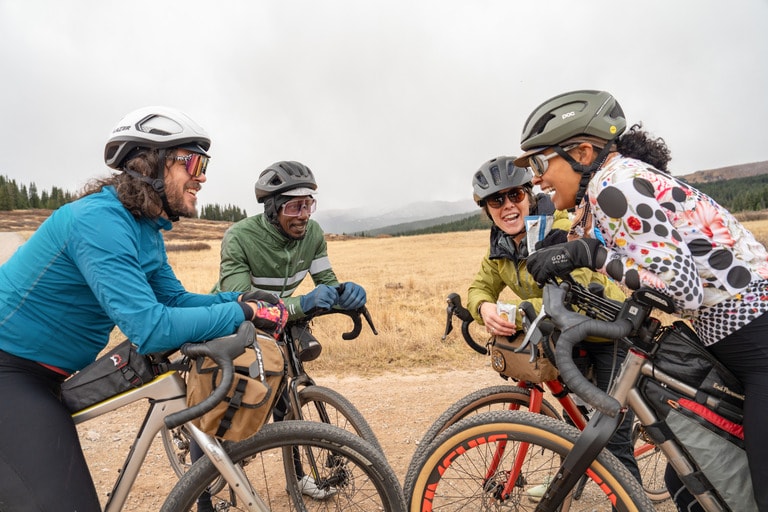
All bike jerseys tend to be stretchy (especially road jerseys), breathable, moisture-wicking and quick-drying. Most jerseys for road biking will have a form-fitting (aerodynamic) cut that distinguishes them from looser mountain bike jerseys. You can also find many casual shirt styles including ones that look nothing like traditional bike jerseys.
Other jersey features may include:
- Tall or flip-up collar to shade your neck from UV rays.
- Front zipper for ventilation as your exertion level rises.
- Shoulders cut wider for arms-forward comfort.
- Back pockets for easy on-the-go access.
- Longer cut in back for coverage when you lean forward on the bike.
- Reflective trim or material for night riding.
Additional jersey features for cold weather:
- Long sleeves for more warmth and coverage.
- Denser, heavier fabric weaves and a brushed lining to add insulation.
Bike Shorts
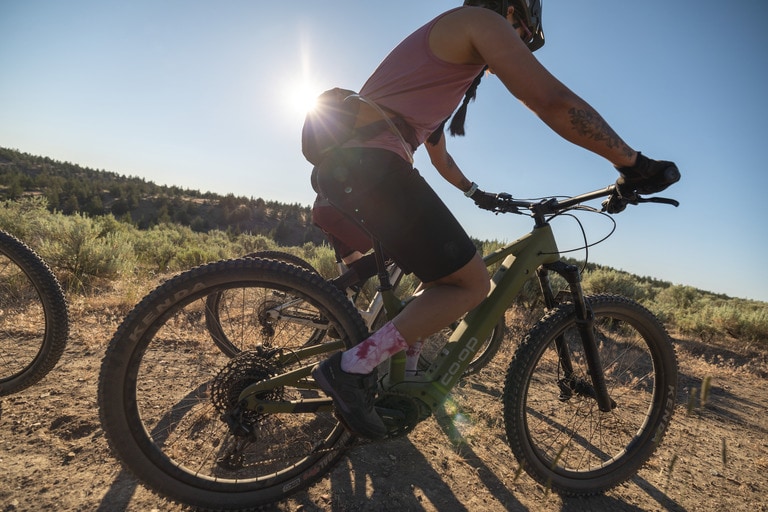
Most bike shorts feature stretch fabrics for ease of movement while pedaling. Bike shorts tend to be cut longer than casual shorts, and some bike shorts might have gripper elastic at the leg openings to keep them in place as you pedal. You can choose between loose or form-fitting styles, with or without. Mountain bike shorts are often looser and don’t have a chamois, while road cycling shorts tend to be more form-fitting and often come with a chamois.
To chamois or not to chamois: The most important — and complex — part of bike shorts is the synthetic "chamois," pronounced "sha-mee", a padded crotch piece that also reduces friction and wicks away moisture. Some riders don't like the feel of a chamois, so you can try riding with or without padding to decide which is more comfortable for you.
The chamois pads in padded shorts come in a variety of shapes, thicknesses and materials. (Read more about padded bike shorts and cycling comfort). There are two types of chamois:
- Standard chamois has thicker foam and is less expensive but compresses over time.
- Gel chamois cushions well but is less breathable than non-gel styles. It’s ideal if you're riding longer distances. A gel chamois tends to be firmer and thinner than standard foam chamois, but it’s often pricier.
Other styles of bike shorts:
- Bib shorts: Bibs are popular with racers because, unlike regular shorts, there's no waistband to restrict breathing. But there's no rule that says a casual rider can't wear bibs simply to be more comfortable.
- Double shorts: Sometimes called "baggies" or "double shorts," these have loose outer shorts paired with stretch liner shorts that have a built-in chamois. Many liner shorts can also be detached and worn separately or with other bike shorts. Mountain bike shorts typically have durable outer fabric and lots of pockets, but they often have few, if any, reflective elements.
- Skorts: A mashup of shorts and askirt, "skorts" are an alternative style that pairs stretch shorts with an outer skirt. You can also find cycling skirts designed to be worn over your own cycling shorts or cycling underwear.
Bike Pants, Tights and Warmers
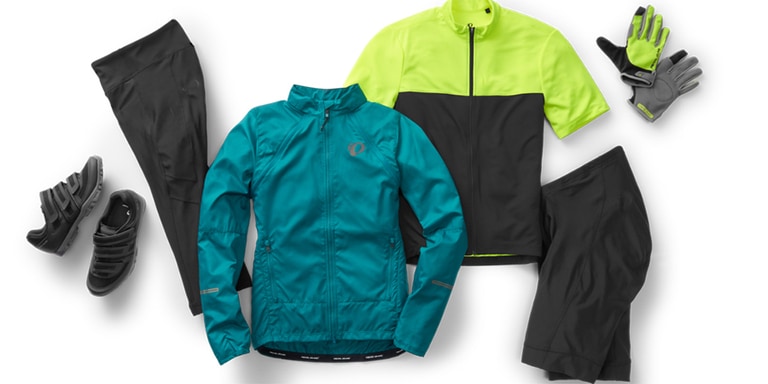
As an alternative to bike shorts, especially for cooler temperatures, many bike pants and tights also come with a built-in chamois. Front panels might offer wind protection, and some pants might be fully waterproof and windproof. Tights tend to be less weather protective but more aerodynamic.
Commuter/casual pants: Some cycling pants look like streetwear, so riders can instantly blend in at any urban destination. These styles have cycling features like stretch fabric and a cuff on the chain-side pant leg that rolls up to reveal reflective trim — and helps prevent the cuff from getting caught in the chain. But they're stylish enough that you can wear them off the bike.
Cycling Jackets
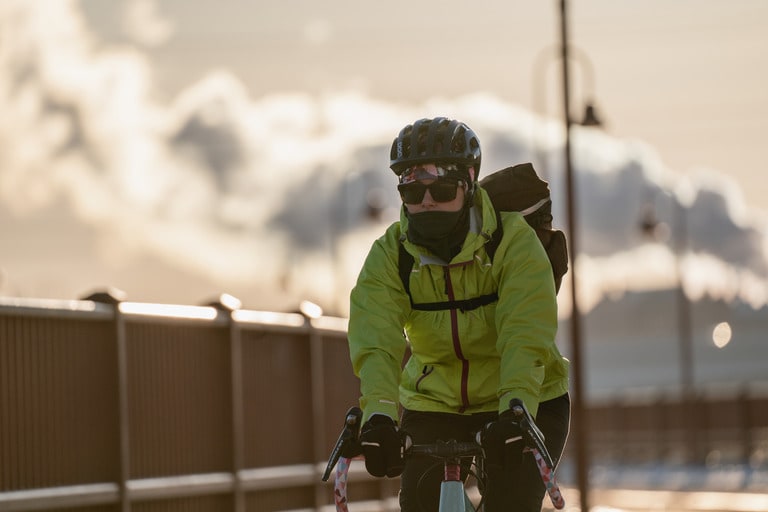
The top considerations in a cycling jacket are how well it blocks the wind and whether it keeps you dry. Most jackets do both tasks to some degree, so think first about the likelihood of rain on your rides.
Waterproof: How much rain do you anticipate? For serious rain protection, waterproof cycling jackets will offer more protection than water-resistant jackets. Note, too, that you'll likely need waterproof and breathable technologies (like GORE-TEX® fabrics) for a high-exertion activity like riding. If rain, especially light rain, is only an occasional concern, then a water-resistant jacket is fine; it offers as good or better breathability than more expensive waterproof/breathable jackets.
Hoods: Some jackets are hoodless, while others have a detachable or stowable hood. If you choose a jacket with a "helmet-compatible" hood, try it with your helmet to see how it fits and whether it restricts visibility.
Removable (zip-off) sleeves: Convertible bike jackets offer this handy feature, which lets you change your jacket into a vest if the weather eases up.
Packable cycling jackets are easy to stash in your bike bag or cycling pack.
Insulated: How cold will it be? Some jackets offer more warmth than others, which will be a concern if you ride in a colder climate or in the winter months. The jacket you want for winter riding in Chicago is probably different from the one you’ll want for winter riding in Phoenix. Warmer jackets will have thicker material and often a brushed liner for added insulation. For more cold-weather advice, read Tips for Winter Bicycling.
For tips on jacket choice, read Staff Picks: The Best Cycling Jackets.
Cycling Accessories
Cycling Gloves
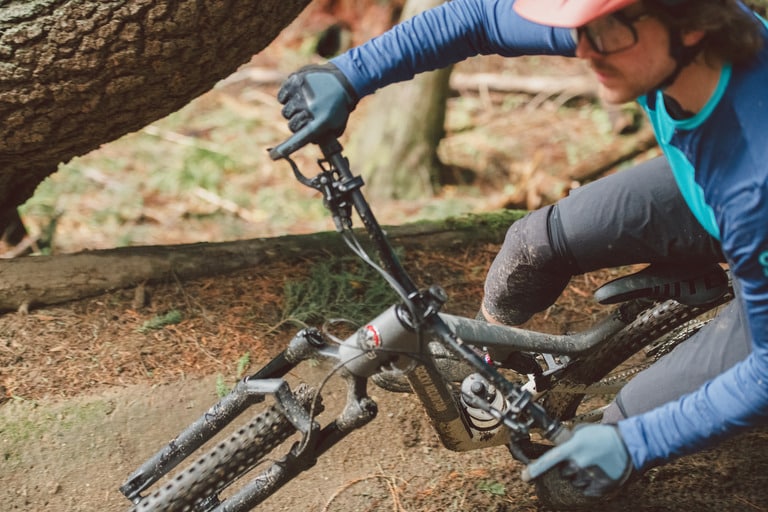
Gloves add comfort and control when biking. Many cycling gloves have padding that helps absorb road and trail vibrations, so they are a better option than repurposing other gloves. Most bike gloves have a leather or synthetic-leather palm and a moisture-absorbing terry cloth patch for dabbing sweat or a runny nose. Choose lightweight gloves if you want more grip and control; opt for padded gloves for extra comfort.
Glove type
- Fingerless gloves work well in warmer conditions.
- Full finger gloves offer protection against the wind and rain. For even greater warmth, consider using thin liner gloves inside your other gloves. For cold-weather rides, a pair of wicking, breathable, full-finger bike gloves is a must.
Cycling Socks
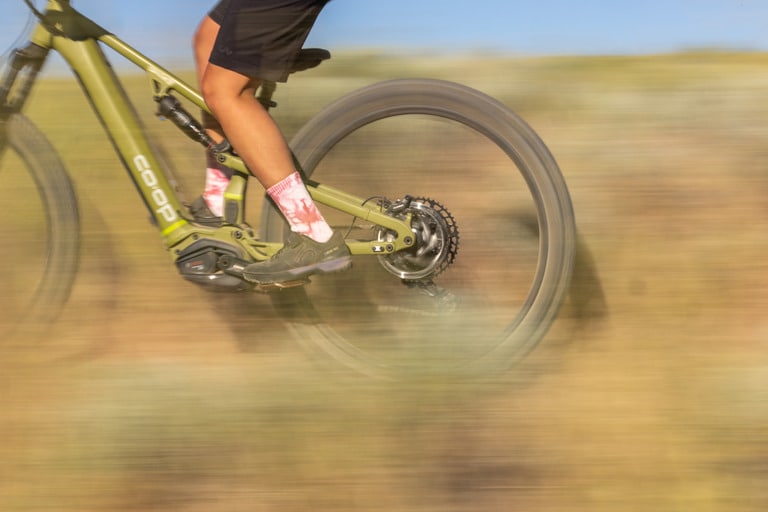
Your feet sweat a lot when you're pedaling. In cold weather, this can lead to cold feet. In hot weather, it can mean blisters. So it's best if your socks are made of synthetic materials like polyesters or nylon, which help wick away perspiration. Merino wool is a natural material that offers comparable performance. Avoid cotton socks for all but light workouts.
You can use any type of performance sock for cycling. However, bike socks have subtle details that distinguish them, like thinner material to allow a bike shoe to fit more snugly, which can aid power transfer to the pedals. For more details, read Do I Really Need Cycling Socks?
Cycling Underwear (liner shorts)
Like underwear for other high-exertion activities, cycling underwear features flexible fabrics and wicking materials that dry quickly. In addition, almost all cycling underwear has a built-in chamois to make your ride more comfortable. Liner shorts can be worn under your favorite pants or shorts, making any bottoms cycling-ready — a strategy that can save you a few dollars.
Arm and Leg Warmers
These handy shoulder-season cycling accessories can be used on the fly to offer added warmth for legs and arms. Adding lightweight arm and leg warmers is also a great way to protect your arms and legs from UV rays on hot days.
Sunglasses
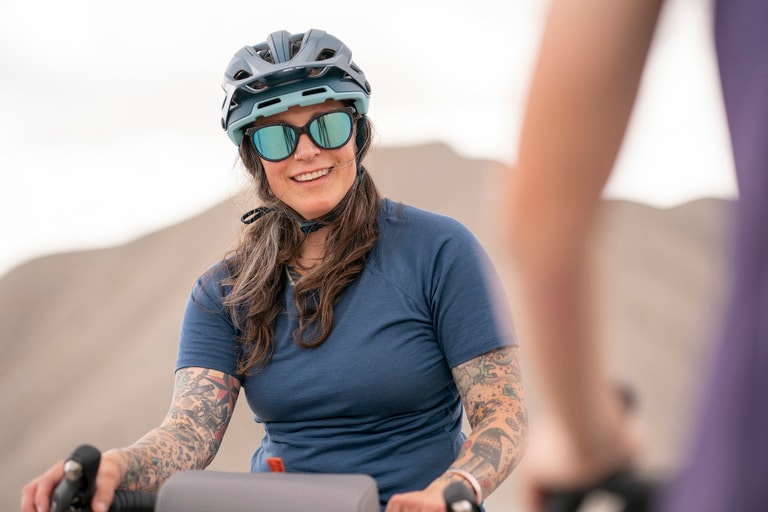
Eye protection, both from windblown debris and UV rays, is important, so make sure you have a good pair of sunglasses. Wraparound sunglasses, which offer extended coverage, work well for cycling. Learn more in How to Choose Sunglasses. If you have a mountain bike helmet, you can also wear goggles with it.
Cycling Headwear
Cycling caps and skullcaps add insulation to your winter rides. A cycling headband is another option to help keep your ears warm.
Bike Shoes
The bike shoes you need depend on the type of pedals your bike has. If it has basic platform pedals, then you could wear pretty much any type of shoe. However, even a basic pair of cycling shoes have much stiffer soles than street shoes or even hiking footwear. That sole stiffness translates to better power transfer when you pedal.
If your bike has clipless pedals, then you need bike shoes with soles that can engage with those pedals. That means it's critical that your shoes are compatible with your style of pedals. Learn more by reading How to Choose Bike Shoes and How to Choose Bike Pedals.
Shoe covers: For wet or rainy rides, we found that toe covers (which cover the shoe from arch to toe) or shoe covers (which cover the entire shoe and part of the ankle) are a great way to keep feet warmer and drier. For stormy weather, consider a pair of waterproof cycling socks.