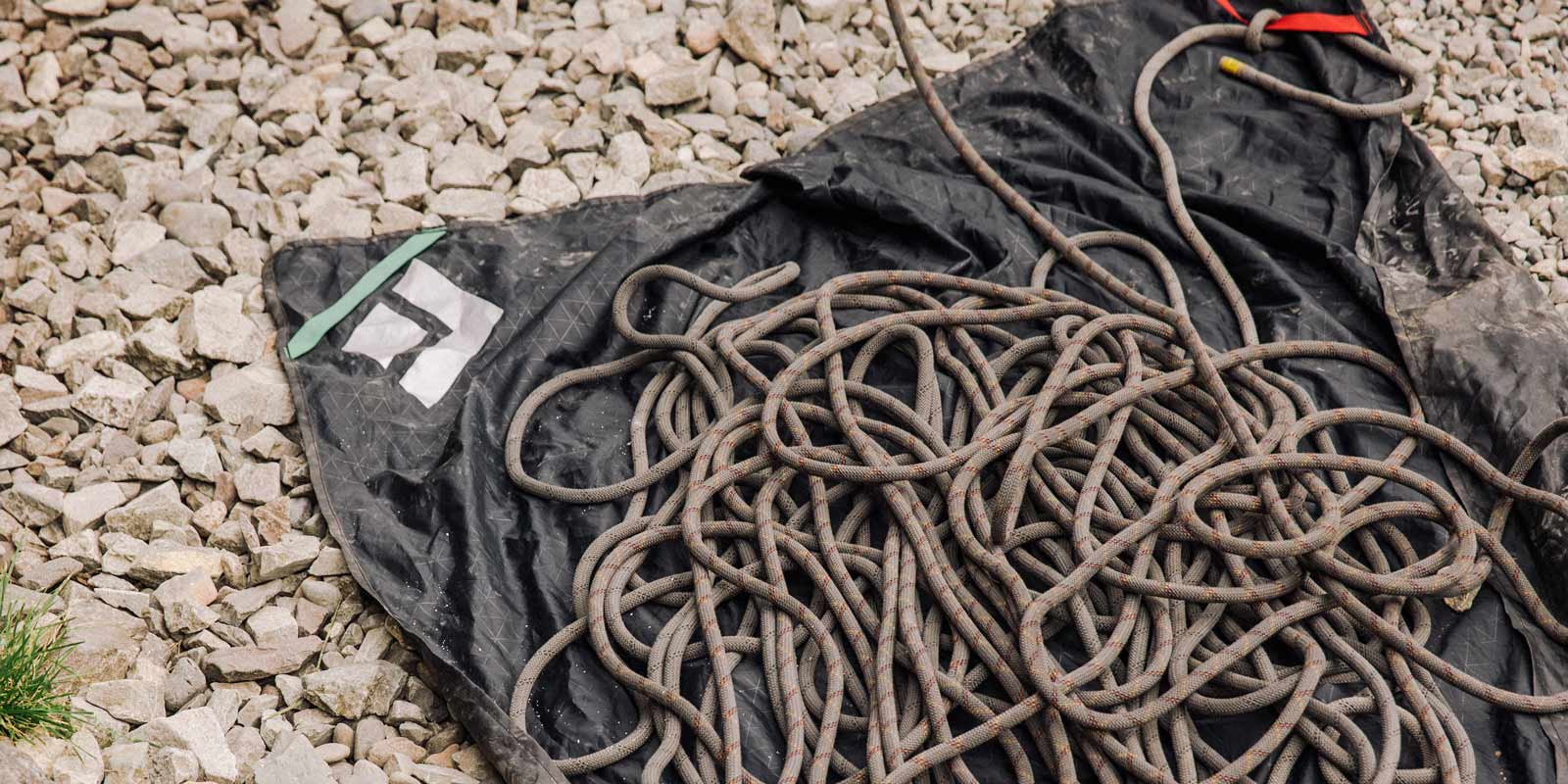
A climbing rope is your lifeline on the crags. Proper care is critical for your safety and to ensure a long lifespan for the rope. Knowing when to retire a rope is important, too.
To get the most out of your rope, make sure you know the following:
- How to clean a climbing rope: Wash it by hand in a tub with water and rope cleaner. Never use harsh detergents and never wash your rope in a washing machine unless the rope maker recommends it—and be sure to follow that rope maker's washing directions very carefully if you use a washing machine.
- How to store your rope: Loosely flaked in a rope bag is the most common way.
- How to inspect your climbing rope: Regularly check for cuts, nicks, abrasions and flat spots by running your hands along the rope.
- How to repair minor rope damage: You can cut off a damaged section of rope if it's close to one end.
- When to retire your rope: Be cautious and retire a rope immediately if you have any doubt about its integrity. Ropes have vastly different lifetimes based on conditions and use, but as a general guideline, if you climb a few times each month, your rope should last about 1-3 years.
- Do's and don'ts with a climbing rope: Keeping your rope tangle-free and storing it in a rope bag are good things, stepping on it and rappelling in a rough, bouncy manner are not.
How to Clean a Climbing Rope
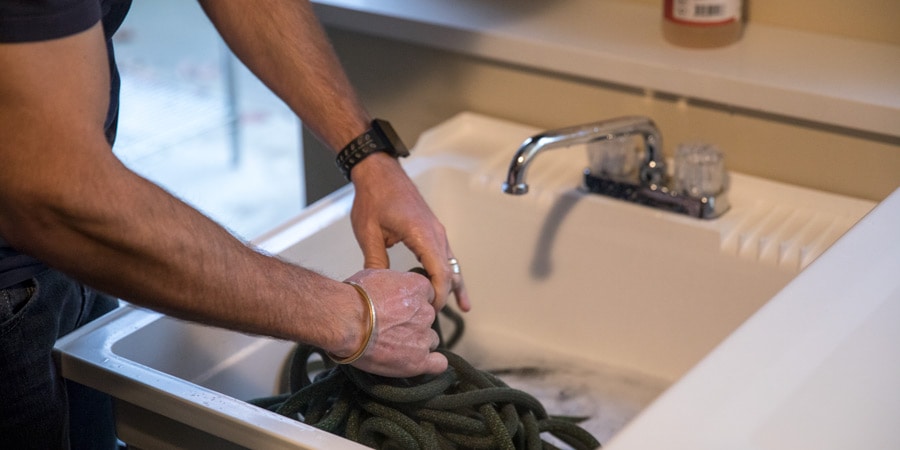
Despite your best efforts to keep it clean, your climbing rope is going to get dirty. When you notice your hands or belay gloves turning black from handling the rope, it's time to clean it. Doing so will keep your rope performing well and can extend its lifespan.
Video: How to Clean a Rope
Here's what you need wash your rope:
- A tub or deep bucket
- Rope-specific cleaner or mild soap (optional)
- Warm water
Here's how to clean a climbing rope:
- Fill the tub: Fill your tub with warm water (not hot water).
- Add cleaner: You can wash your rope with water only, but If your rope is especially dirty, add the rope-specific cleaner (follow instructions on the bottle for how much to use) or a small amount of mild soap, such as Dawn. Never use harsh detergents.
- Swish it around: Put your rope in the tub and swish it around. Pull the entire length through your hands to clean it (this is also a good time to inspect your rope for damage.
- Rinse thoroughly: Drain the water, then refill the tub with clean water to rinse the rope. Repeat until the water runs clean.
- Dry completely: To dry the rope, flake it out onto a towel or over the shower-curtain rod. Don't place the rope in direct sunlight and be sure it is completely dry before storing it away.
Tip: Putting the rope in a mesh bag and then washing it can help avoid kinks.
How to Store a Climbing Rope
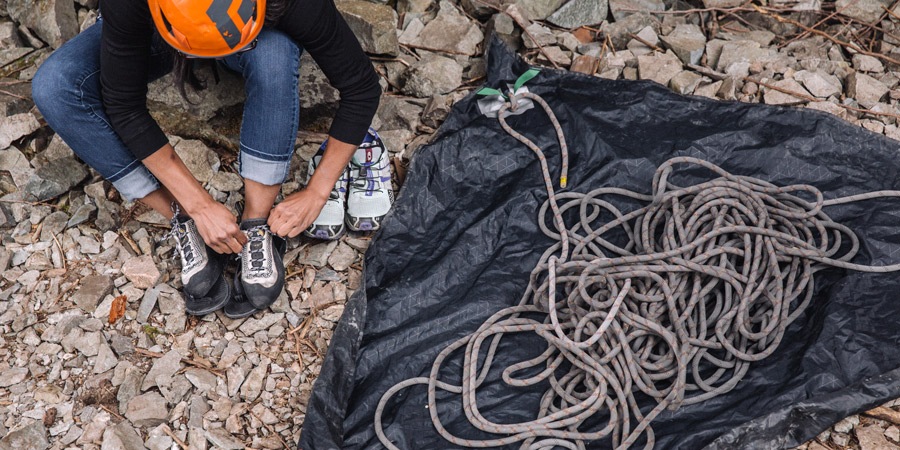
When you're not climbing, it's important to properly store your climbing rope. One of the most common and simple ways to store a rope is in a rope bag. The bag serves two purposes: It provides a handy way to store the rope when it's not in use and it helps keep your rope out of the dirt while you're climbing.
How to Put Your Rope in a Rope Bag
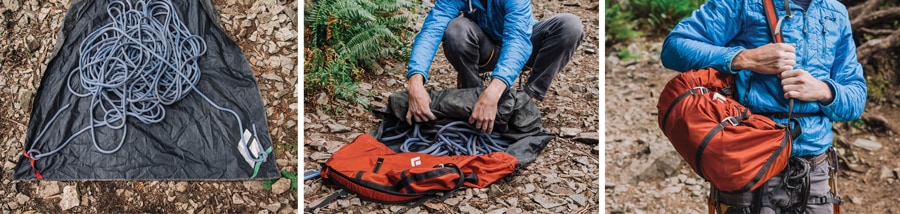
- Open up the rope bag and unfold the integrated tarp.
- Grab one end of your rope and tie it to a loop on the tarp.
- Flake the rope into a pile on top of the tarp.
- When you get to the other end of the rope, tie the end to another loop on the tarp (often one loop is a different color so you can keep track of this end of the rope).
- Fold up the edges of the tarp around the pile of rope and roll the rope and tarp into the bag.
- Cinch or zip the bag closed.
When you're headed out the door to go climbing, all you have to do is grab the rope bag and bring it with you. When you're climbing, try to keep as much of the rope that's not in use on the tarp and out of the dirt.
Additional Rope Storage Tips
In addition to storing your rope in a rope bag, there are a handful of other things to keep in mind:
- Keep it cool and dry: Store your rope in a cool, dry area. If you don't use a rope bag, coil your rope and hang it from a sling girth-hitched around the whole rope or hook the whole rope over a dowel.
- Avoid the sun: Never leave your rope out in the sun for exposed periods of time. Sunshine from day-to-day climbing is not likely to damage your rope, but too much sun, such as leaving the rope out for days on end, can considerably weaken it. If your rope is becoming faded from the sun, consider replacing it.
- Avoid heat: Don't store your rope in extreme heat, such as in a vehicle on a summer day, as that can damage the fibers.
- Be careful around chemicals: Strong acids, such as battery acid, are extremely hazardous to your rope, so avoid them at all times. Be cautious when storing your rope in the trunk of a vehicle or in a garage or basement.
How to Inspect a Climbing Rope
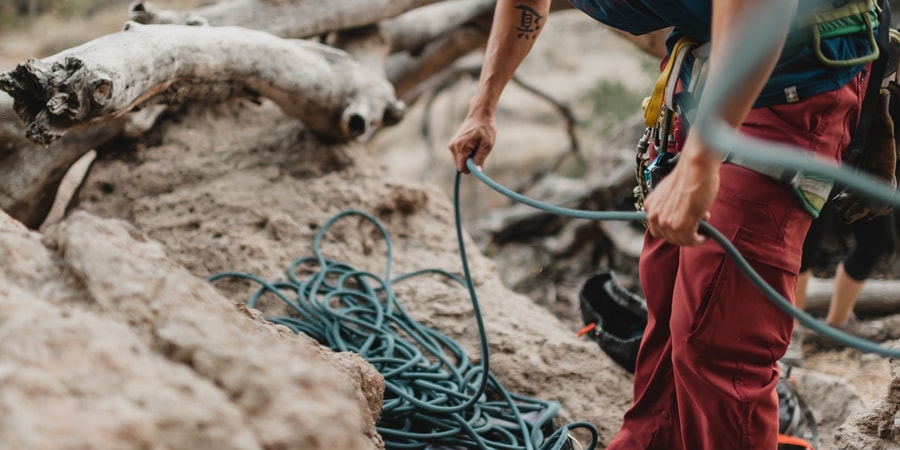
It's important to inspect your climbing rope frequently so you can spot damage. At the beginning of any climbing outing:
- Take a good look and run your hands along the rope as you flake it out.
- Look and feel every inch for cuts, nicks and abrasions in the sheath and for sections of mushy or flat core.
Minor fuzziness or dirtiness on the sheath is not a big concern, but if you feel or see extremely fuzzy areas, flat spots, nicks, cuts or any other damage, you must consider retiring the rope.
Repairing Minor Rope Damage
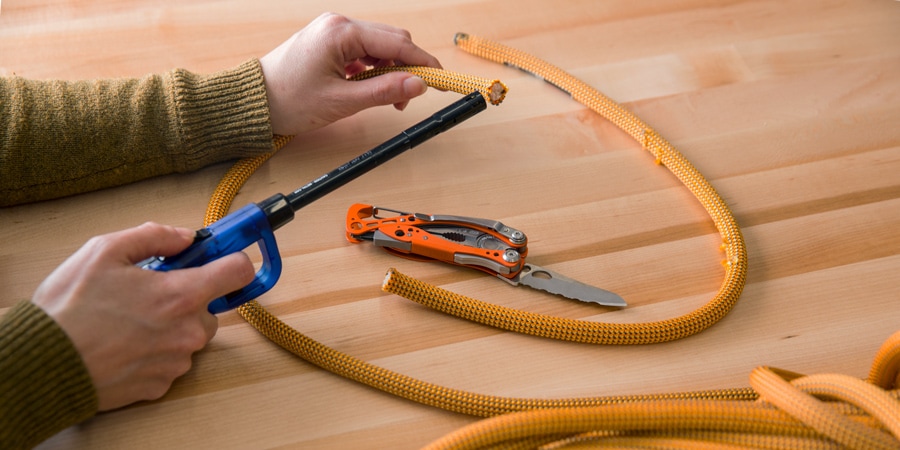
If only a small area is damaged and it is close to one of the ends, you can trim off the damaged section and continue using the rest of the rope. To do this:
- Cut the rope with a sharp knife about one foot up from the damaged section.
- Use a lighter to melt the freshly cut rope strands on the section you plan to keep.
Keep track of how much you cut off so you know how much shorter your rope is now. Also, if your rope had a middle mark, be aware that that mark will no longer be in the middle unless you cut equal amounts off of each end.
When to Retire a Climbing Rope
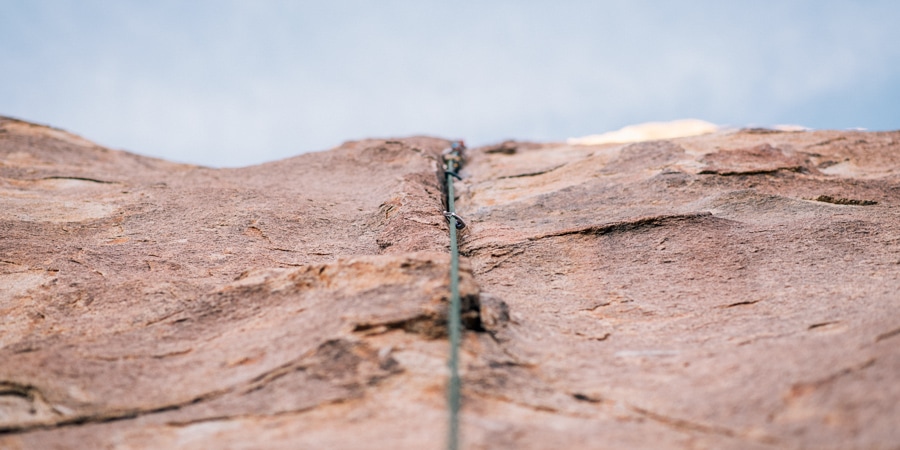
Sadly, your climbing rope won't last forever. If you've inspected your rope and found extremely fuzzy areas, cuts or flat spots, you need to seriously consider retiring it. We can't tell you exactly what damage necessitates retiring a rope, so err on the side of caution and retire it if you have any doubts.
With that said, here are some approximate guidelines for when to retire a climbing rope:
- After a huge fall or other damage: immediately
- Frequent use (weekly): up to 1 year
- Regular use (few times per month): 1-3 years
- Occasional use (once per month): 4-5 years
- Rare use (1 - 2 times per year): 7 years
- Never used: 10 years
Recording the purchase date, frequency of use and number and severity of falls in a logbook will help you accurately determine when it is time to retire a rope.
Do's and Don'ts With a Climbing Rope
To get the most out of your rope, consider these tips and reminders:
Things to do:
- Uncoil a new rope: Unless your rope comes specifically marked that it's ready for use, you'll need to take care in how you uncoil it. Hold it like it is a spool of rope and have a partner pull the rope from the spool stacking it in a random pile. This will help avoid tangling and knotting.
- Untwist a rope: If your rope is twisted and kinky while climbing, let it hang free and encourage the twist to unwind with your hand.
- Use a rope bag: Between outings, store your rope in a rope bag to protect it.
- Use a rope tarp: On climbing days, use a rope tarp to keep the rope out of the dirt while you're climbing. Most rope bags have built-in rope tarps.
- Logbook: Record all rope use in a logbook, especially your falls.
Things to avoid:
- Nylon on nylon: This contact burns rope and webbing. You should especially avoid running two ropes through the same top-rope carabiners, and never run a top rope directly through slings.
- Step on the rope: This works dirt into the rope, which can damage it.
- Crampons and ice axes: Avoid direct hits with crampon spikes and ice axe picks.
- Poor rappelling and belaying: Fast or jerky rappelling, lowering and belaying can cause burning of the rope's sheath, as well as loss of control.
Your climbing safety is your responsibility. No article or video can replace proper instruction and experience. Make sure you practice proper techniques and safety guidelines before you climb.