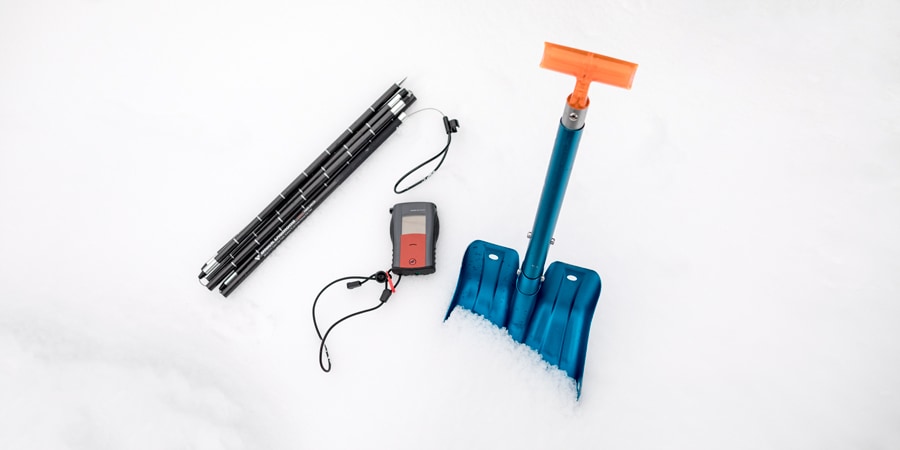
A snow shovel is an essential piece of gear you'll need when heading into the backcountry during winter. You'll use a snow shovel to test snow conditions and, in the event of an avalanche, quickly dig out victims if they get buried in snow. A shovel designed for backcountry travel should be compact and lightweight enough to carry while durable and strong enough to handle a lot of snow.
And if shopping for avalanche rescue gear feels like a grim responsibility, then take heart in the fact that you can use the snow shovel for much more than rescuing a companion. An avalanche shovel (or backcountry snow shovel) can also handle tasks ranging from serving as a winter platform for your camping stove to smoothing out a sledding hill.
In this article, we'll talk first about choosing a backcountry snow shovel suited for digging out a buried avalanche victim. We'll also discuss additional uses for that snow shovel.
Key Features of Backcountry Snow Shovels
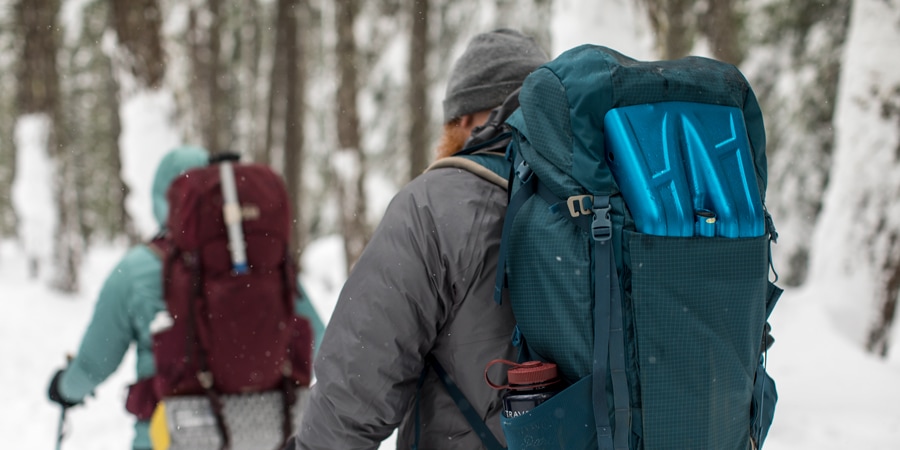
The main dilemma with a backcountry snow shovel is finding one that's light and packable, yet big enough to do the job when called upon. Because an avalanche rescue might involve moving literally a ton of snow, opt for a larger blade rather than a smaller one. Most shovels break down to stow in a pack, so make sure yours can fit in your pack.
Material
Metal snows shovels are the way to go: Because of its low weight and high strength, aluminum predominates. Plastic shovels aren't suited to avalanche rescue.
Overall Comfort
Low weight and a comfortable, ergonomic grip will make a shovel easier to use. And, whether you wield it as a snow shovel, a snow pusher or a snow scoop, consider the ergonomics of your tool. If you can, it's a good idea to shop and heft snow shovels in person.
Types of Snow Shovel Blades
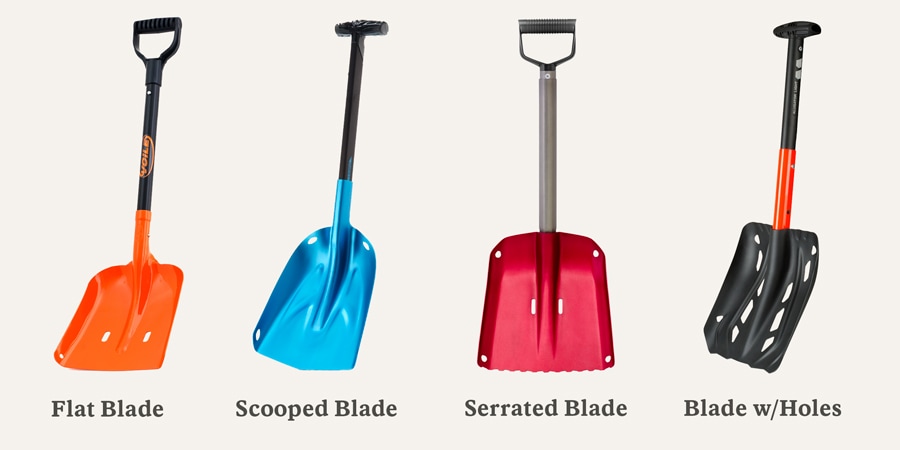
- Fully flat blades are best for snow study, such as creating smooth snow-pit walls.
- Scooped blades are less likely to spill snow off the sides during shoveling.
- Serrated blade edges can be used to bust up ice.
- Blades with holes in them can be used (with a length of accessory cord) to build snow anchors; holes also make a shovel slightly lighter to carry.
Hoe Feature
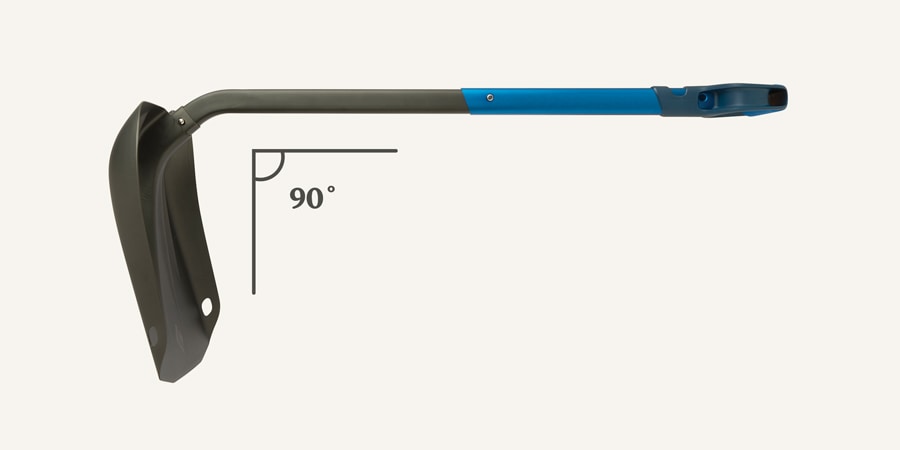
A handy feature on some shovels, this lets you switch the blade to a 90° angle from the shaft for times when you want to use a hoeing motion to scrape snow back or to more easily chop downward into the snow.
Shaft and Handle Design
Most backcountry shovels have telescoping or segmented shafts to make them compact so they easily fit in the gear compartment of your pack. Backcountry tourers who want a lighter setup might opt for shovels with shorter shafts to save weight and to fit compactly in their packs. Longer, extended shafts, however, may give you better leverage to scoop snow faster.
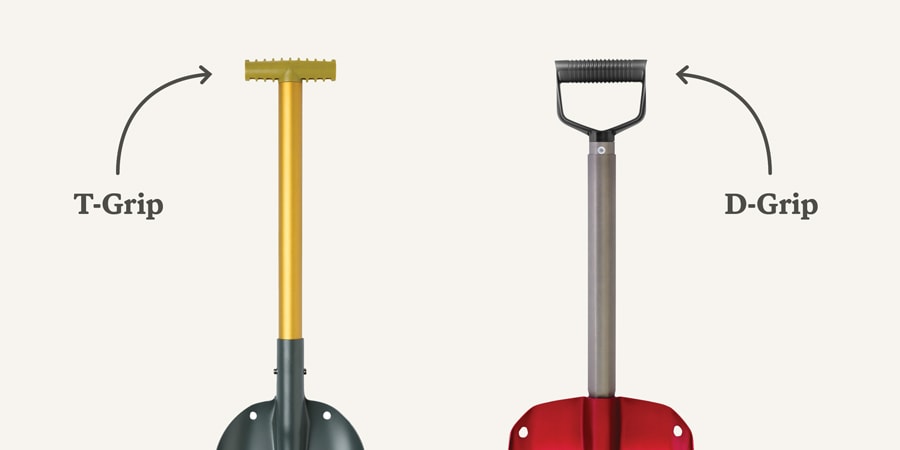
T-grip vs. D-grip
Handles come in two primary shapes:
- T-grip: Grasped between the fingers, this is a lightweight design that works well for most people, though it can be awkward when wearing mittens.
- D-grip: Slightly bulkier and heavier than a T-grip, it is relatively easy to use while wearing mittens.
Why You Need a Backcountry Snow Shovel
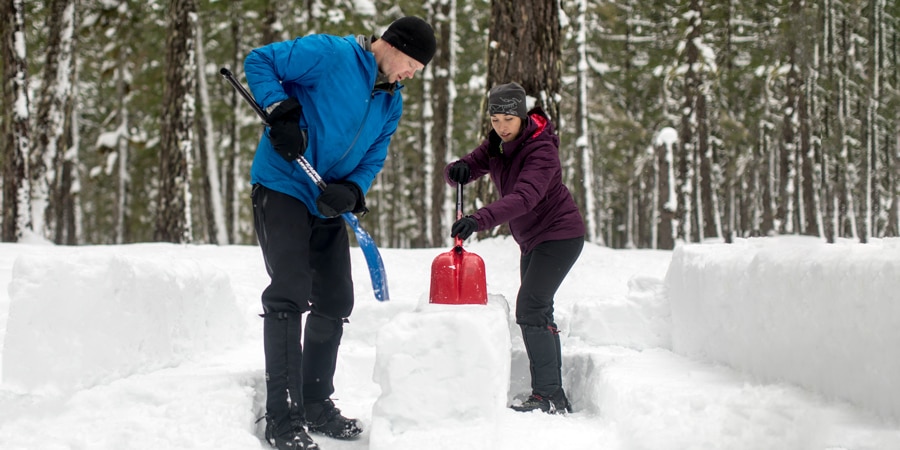
Dig Out a Buried Avalanche Victim
The most important reason to carry a snow shovel is in case of an avalanche. Train and practice often to ensure you can shovel efficiently should the need arise. Every person in a group must carry a shovel. You never know who will get caught in an avalanche, and you want to make sure that all rescuers are fully equipped to excavate.
Dig a Snow Pit
Shovels are also used to dig pits in the field to analyze the snowpack and to perform snow stability tests. This requires advanced avalanche training.
Build a Snow Shelter
Shovels are indispensable for making snow shelters. Shelter designs vary, and building one is something you need to learn and practice in order to do properly.
Improve Your Winter Tent Site
Snow shovels work great for carving out a level space for your tent when you are snow camping. You can also dig a kitchen area, build snow benches or simply use a shovel to dig out buried tent anchors in the morning. (Read more in our article Winter Camping Basics).
Gather Snow for Drinking Water
If you're gathering snow to melt for drinking water, then a shovel is a more comfortable tool than scooping with your water bottle—or your hands.
Create a Stove Platform
Setting a cookstove on the snow is problematic because it melts the surface it's sitting on. Use your shovel blade as a cookstove surface to solve that problem.
Build Kickers and Snow Features
Whether you want to construct a kicker (small jump) for skiing/snowboarding tricks or sculpt your local sledding hill, your snow shovel can help with those type of tasks, too.
Frontcountry Uses
- Dig out your car at the trailhead or ski resort.
- Shovel the sidewalk at home.
- Build a colossal snowperson.