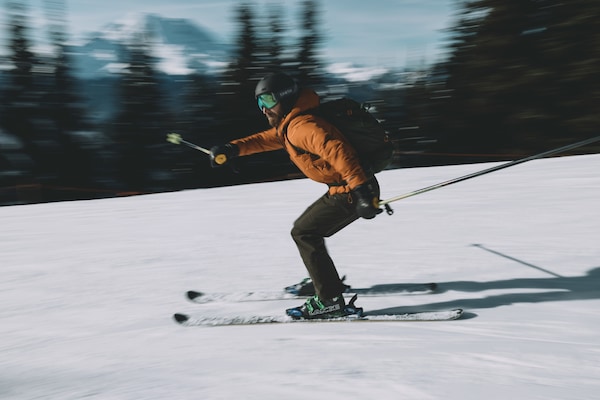
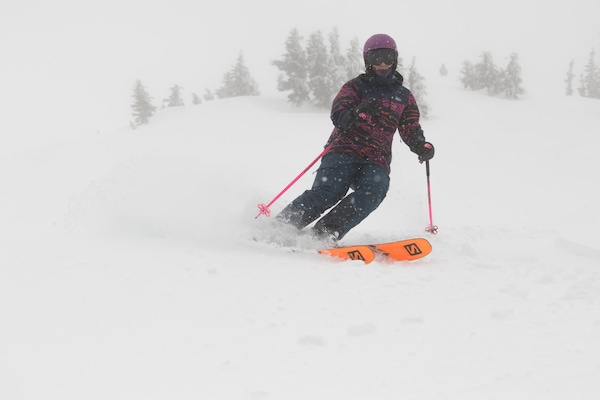
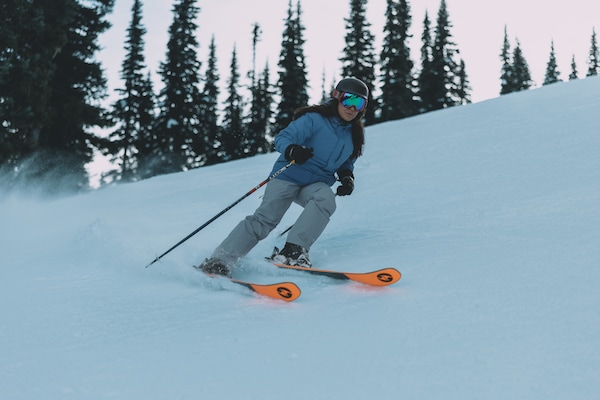
Have you ever dreamed of doing a classic, high-mountain ski tour like Europe's famous Chamonix-to-Zermatt Haute Route or the Bugaboo Traverse in Canada? Or maybe you've wanted to explore peaks closer to home. Summits, mountain traverses and steep descents are what randonee skiing is all about.
Also called ski mountaineering or alpine touring, randonee is an exciting form of backcountry skiing that mixes cross-country, free-heeled motion for climbing with alpine slalom technique for the descent. (The word "randonee" is French for "hiking" or "touring.") It requires stamina for travel uphill and/or long distances and mountaineering techniques for glacier traverses. Many people who are already mountaineers, cross-country skiers or downhill carvers are drawn to alpine touring for the fresh angle it puts on their sport.
There is an increasingly fine line between randonee and telemark skiing these days as technology and equipment evolve. Deciding between them may depend on your previous experience, where you're likely to go skiing and what kind of technique you want to do most of the time.
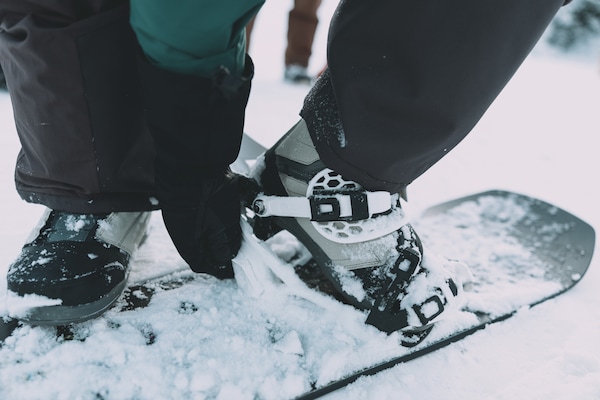
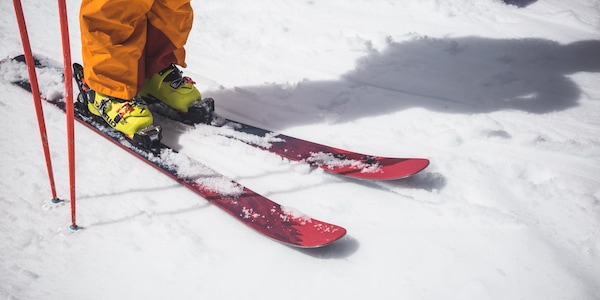
Bindings are what make randonee gear unique. They feature 2 modes, one free-heeled for striding or climbing and one locked down for parallel skiing. In the downhill mode, many of them also release at both the toe and heel.
Most randonee bindings feature a binding plate to which you attach your entire boot sole. The plate locks and unlocks at the heel and pivots on a hinge at the toe. Randonee step-in bindings lock down and unlock with a flick of your ski pole and release at toe and heel during a serious fall. They also include 4-position heel elevators that relieve strain on your calves during a steep ascent.
Other bindings do not feature a base plate, but rather use the stiffness of the boots' soles for leverage. Because they lack the base plate, they are much lighter, an attractive feature if you're carrying lots of gear or traveling long distances. There are slight drawbacks to this style, though. You have to get out of them in order to switch between uphill and downhill modes, and they are also compatible only with boots made specifically to fit them.
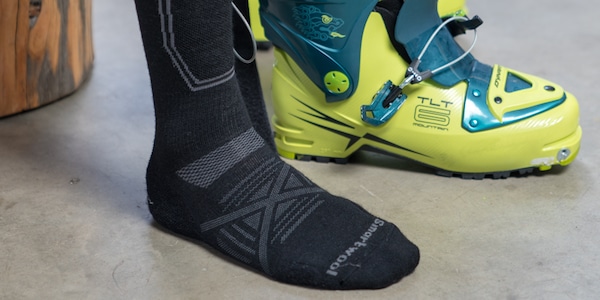
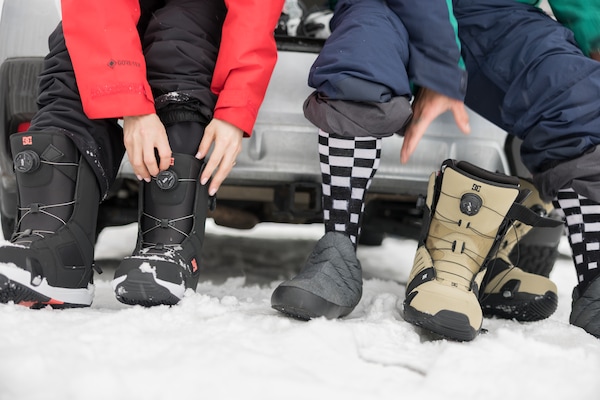
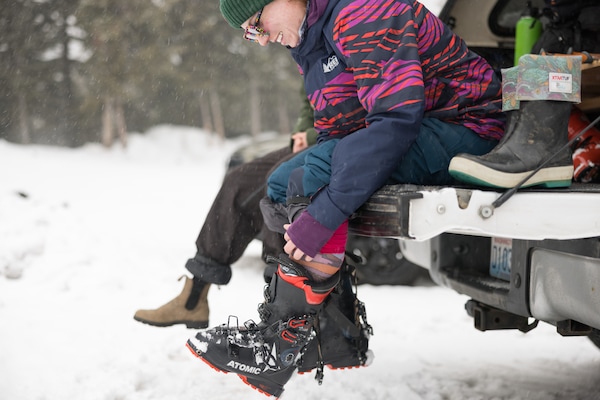
Randonee boots are similar to both downhill ski boots and plastic mountaineering boots. They have lug soles for traction when walking on steep snow. Generally speaking, randonee boots are lighter, lower and more flexible than conventional downhill boots, making a longer stride possible. The cuffs have forward and backward flex that can be "turned on and off" with a rear latch. Loosen tension, and the cuff moves with your legs when walking; tighten it and the boots are stiffened up for striding or downhill turns.
Some boots have more buckles and "power straps" than others to increase stiffness for downhill control. You may want these if you crave speed on the steeps!
When selecting boots, pay close attention to the bindings with which they are compatible. Keep in mind that, because of the walking sole, randonee boots cannot be used with regular (downhill) bindings. Plastic mountaineering boots may fit some randonee bindings, but it's best not to use them. Because they lack the stiffness of randonee boots, they may not release during a serious fall.
Randonee boots are typically offered in mondo point sizing:
Mondo Ski Boot Sizes to US Sizes
| Mondo | 21.5 | 22 | 22.5 | 23 | 23.5 | 24 | 24.5 | 25 | 25.5 | 26 |
| Women's US | 5 | 5.5 | 6 | 6.5 | 7 | 7.5 | 8 | 8.5 | 9 | 9.5 |
| Men's US | NA | NA | NA | 5 | 5.5 | 6 | 6.5 | 7 | 7.5 | 8 |
| Mondo | 26.5 | 27 | 27.5 | 28 | 28.5 | 29 | 29.5 | 30 | 30.5 |
| Women's US | 10 | 10.5 | 11 | 11.5 | 12 | NA | NA | NA | NA |
| Men's US | 8.5 | 9 | 9.5 | 10 | 10.5 | 11 | 11.5 | 12 | 13 |
Width
Randonee skis are usually wider than either telemark or standard skis. How wide you get them will depend on the type of snow you most often encounter.
Sidecut
A randonee ski's wide tip and tail plow through crud and help the ski float in deep snow. The wider tip also makes the ski turn faster in softer snow and allows for short-radius turns on packed or frozen snow.
Camber
All randonee skis have alpine camber, that is, little arch from tip to tail. They are made to perform on the downhill runs and require skins for climbing. They do not have a wax pocket or kick zone like those on cross-country-cambered skis.
Flex
Flex, or the amount of "give" in randonee skis, varies among models. Just as with telemark skis, the more flexible the ski is, generally the better it performs in soft snow, and the more forgiving it is in varied conditions. A stiffer ski holds an edge and carves nicely on windblown, hardpacked or icy snow.
Torsional Rigidity
Torsional rigidity is a ski's ability to resist twisting. It allows a ski to hold an edge on hardpack without skidding or twisting flat onto the snow. On deep, soft snow or variable snow, the more torsionally rigid the ski, the better it holds a turn without flailing. Most randonee skis are built with good torsional rigidity for control on extreme terrain.
Edges
Randonee skis have metal edges, as do all downhill skis. Some have angled sidewalls for increased grip on hardpack and better slicing through soft or sloppy snow. On firm snow the angled sides allow pressure to be directed to the metal edges so you get better control. In soft snow, the sharper angle presents a thinner surface than a 90-degree sidewall would, so the ski slices through more easily.
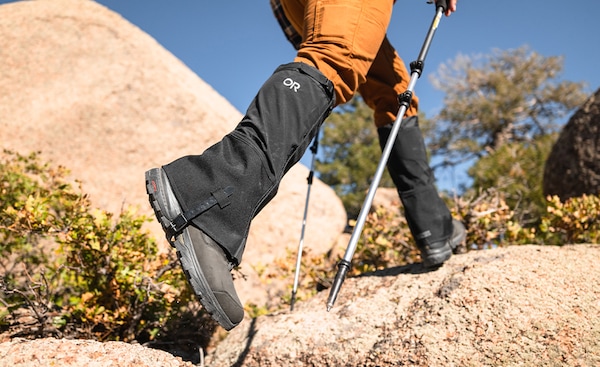
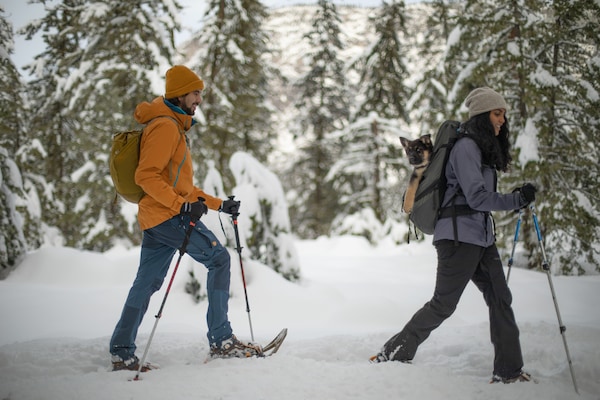
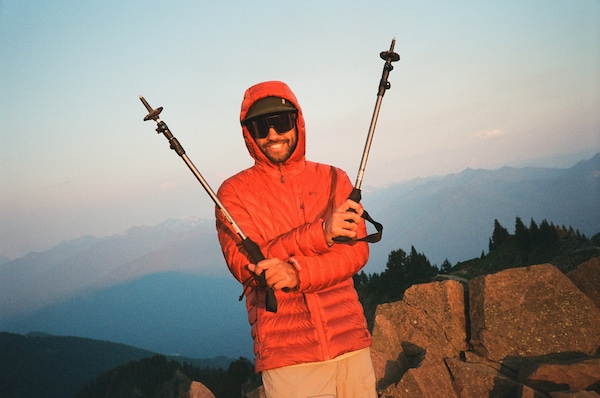
Downhill poles will work for randonee skiing, but poles used for telemark skiing or climbing are more versatile for backcountry use. Double- or triple-section adjustable poles can make climbing, traversing and general backcountry touring more comfortable. They can be shortened for downhill sections and lengthened for ascents. Some can also be linked together to form long avalanche probes.
If you choose telescoping poles, make sure they adjust from waist height for downhill skiing to just above your armpit for effective striding. (To size properly for downhill poles, your arm should form a 90-degree angle if you grab the shaft just below the basket when the pole is upside down and the grip is touching the ground. This represents approximately 70% of your total height.)
How are we doing? Give us feedback on this page.