Minimum-Impact Travel

By REI staff

Wilderness lands are special places. Accordingly, they require special treatment from human visitors in order to preserve the qualities that make them so attractive.

Human intrusions and carelessness can alter a natural landscape for generations. One of the most valuable skills you can learn is the ability to "tread lightly" as you explore our planet's mountains, coastlines, grasslands and deserts.

Several articles in the Camp/Hike section of REI's Learn & Share amplify the leave-no-trace principles of wilderness travel endorsed by the National Outdoor Leadership School. We summarize those points, and mention a few others, in this list:

  • Pack out what you pack in. It's not a cliché; it's the first commandment of responsible backcountry travel. Please don't leave litter behind, not even an orange peel. Please.
  • Behave like you're a guest in a good friend's home. You wouldn't leave used tissue paper on the floor of a friend's house; likewise, pick up after yourself in the backcountry. Don't snap off branches of living things; don't make a racket; don't trample the flowers. Make it your goal to disturb your surroundings as little as possible.
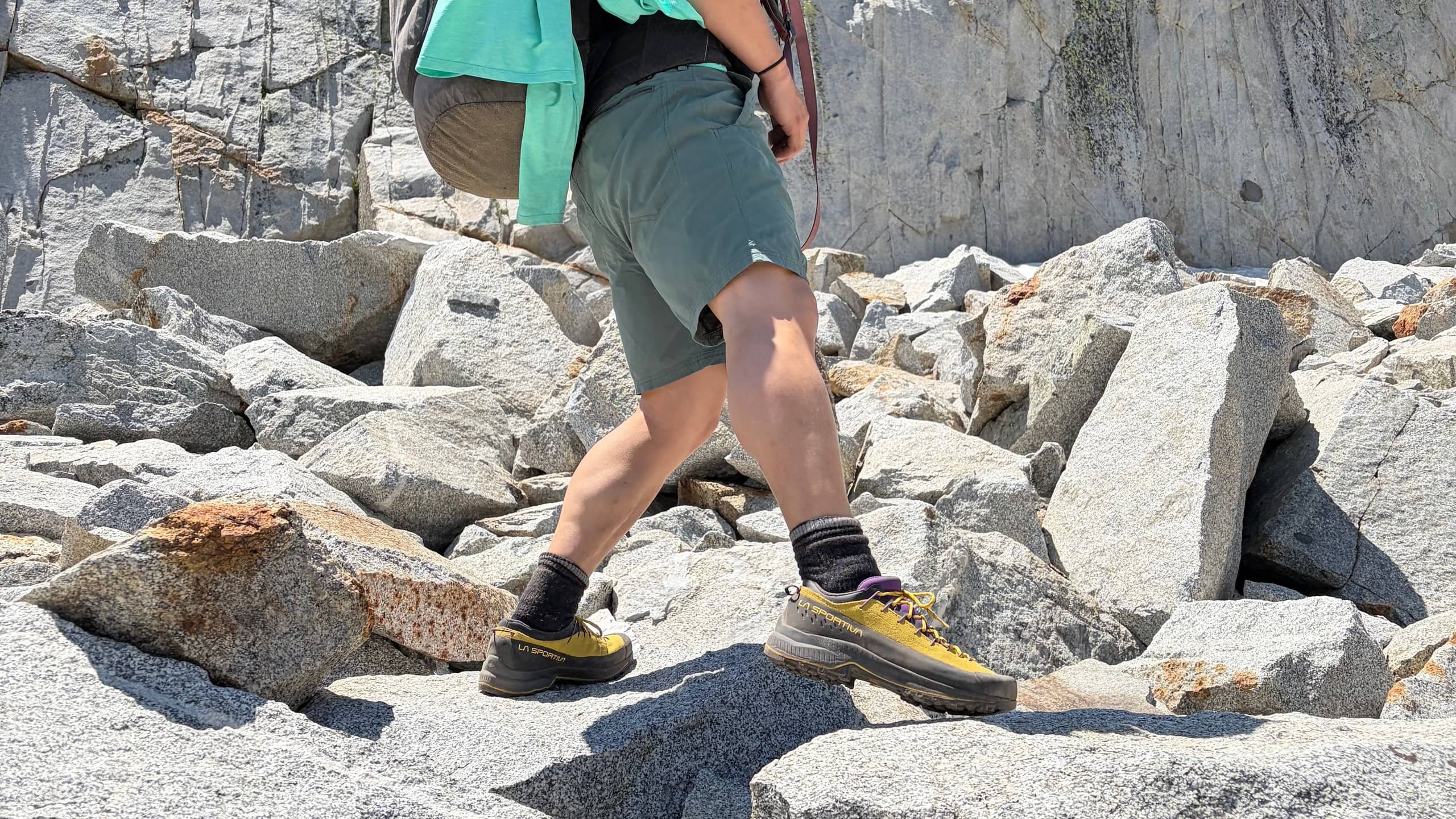
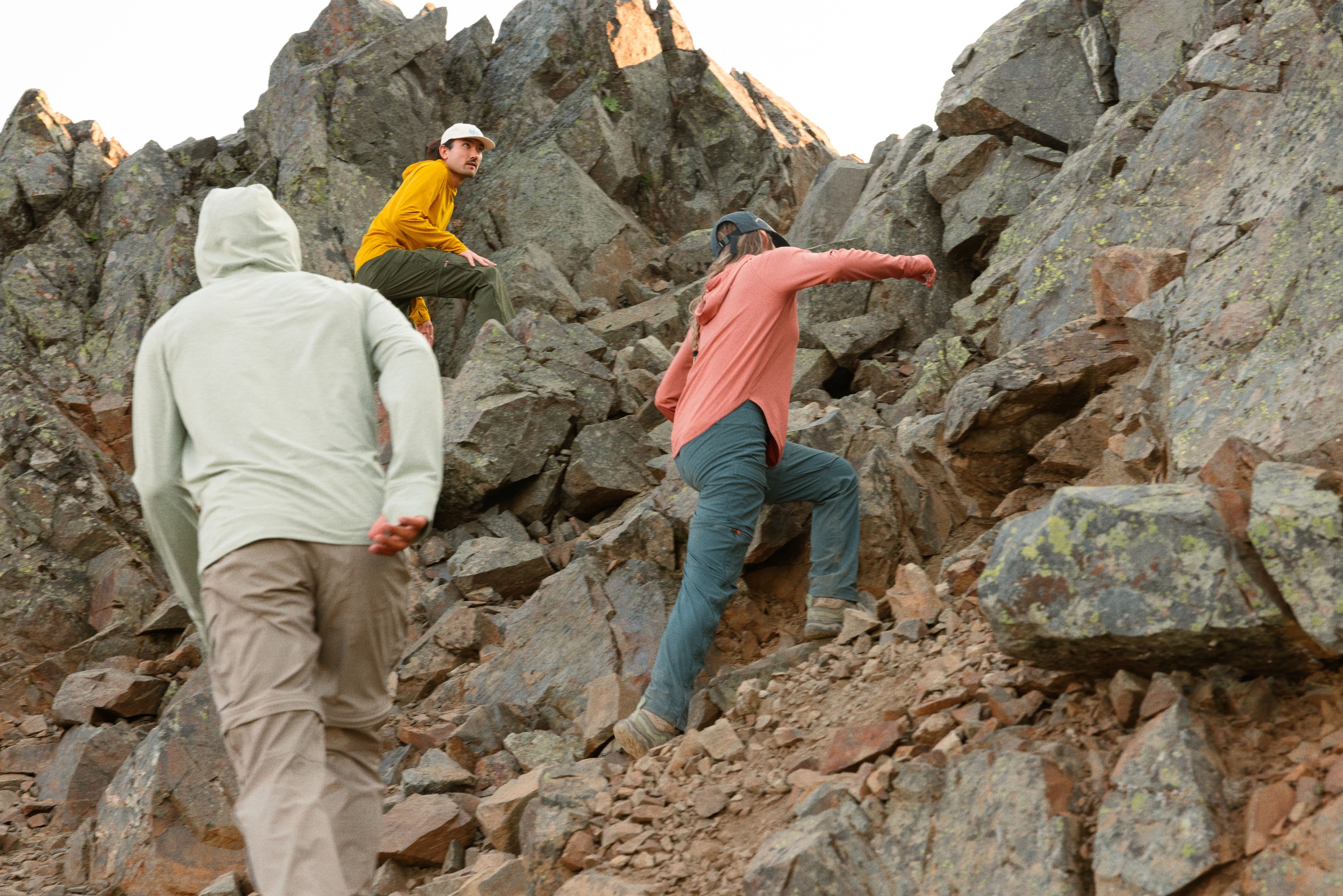
  • Stay on established trails. When traveling cross-country (off trail), choose to walk on rock or snow rather than soil. Spread out so you don't wear a groove in trail-less terrain. Never cut switchbacks on trails.
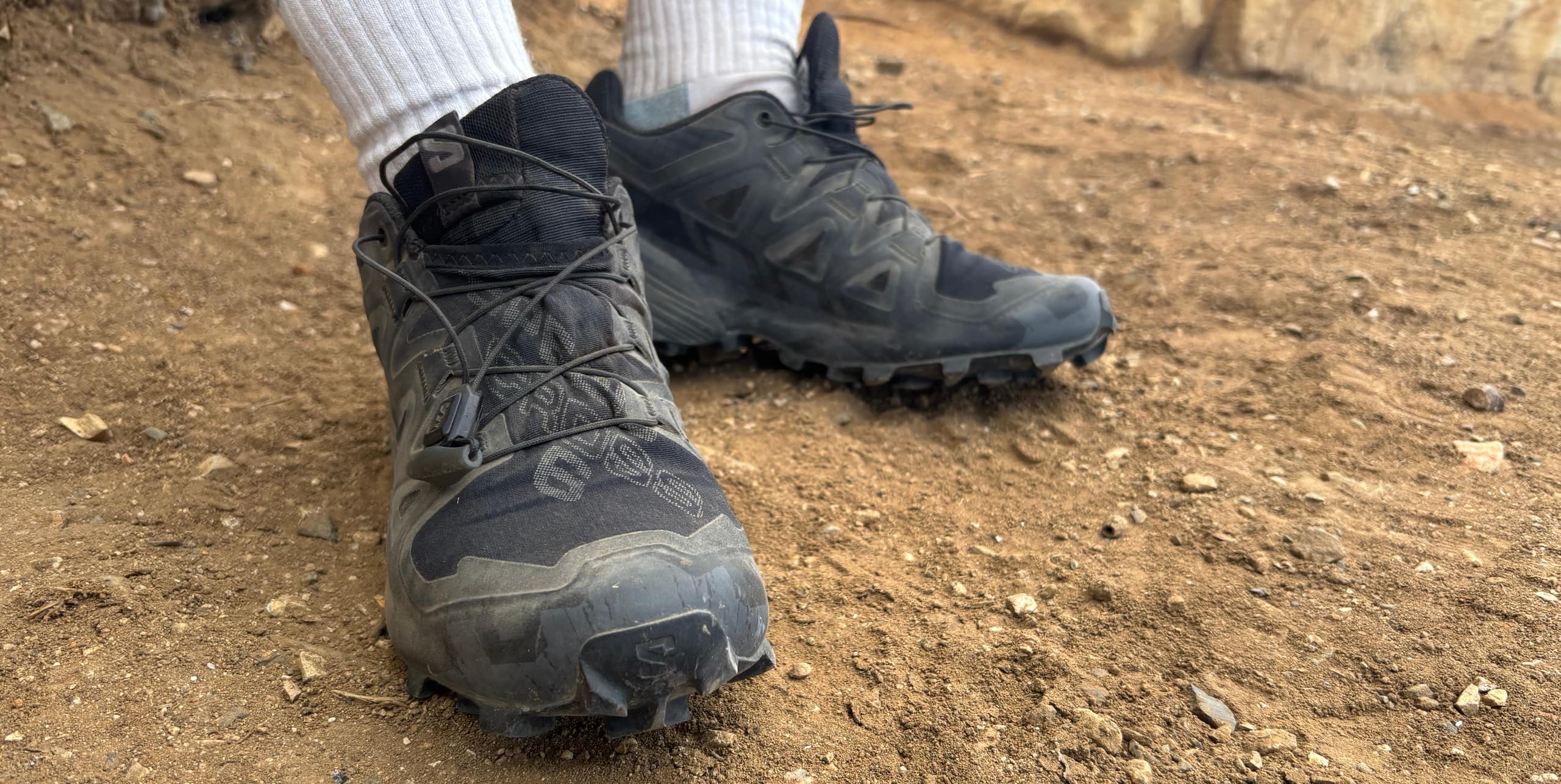
  • Avoid hiking on muddy trails. If you encounter mud, walk through it, not around it. Your boots are built to handle it.
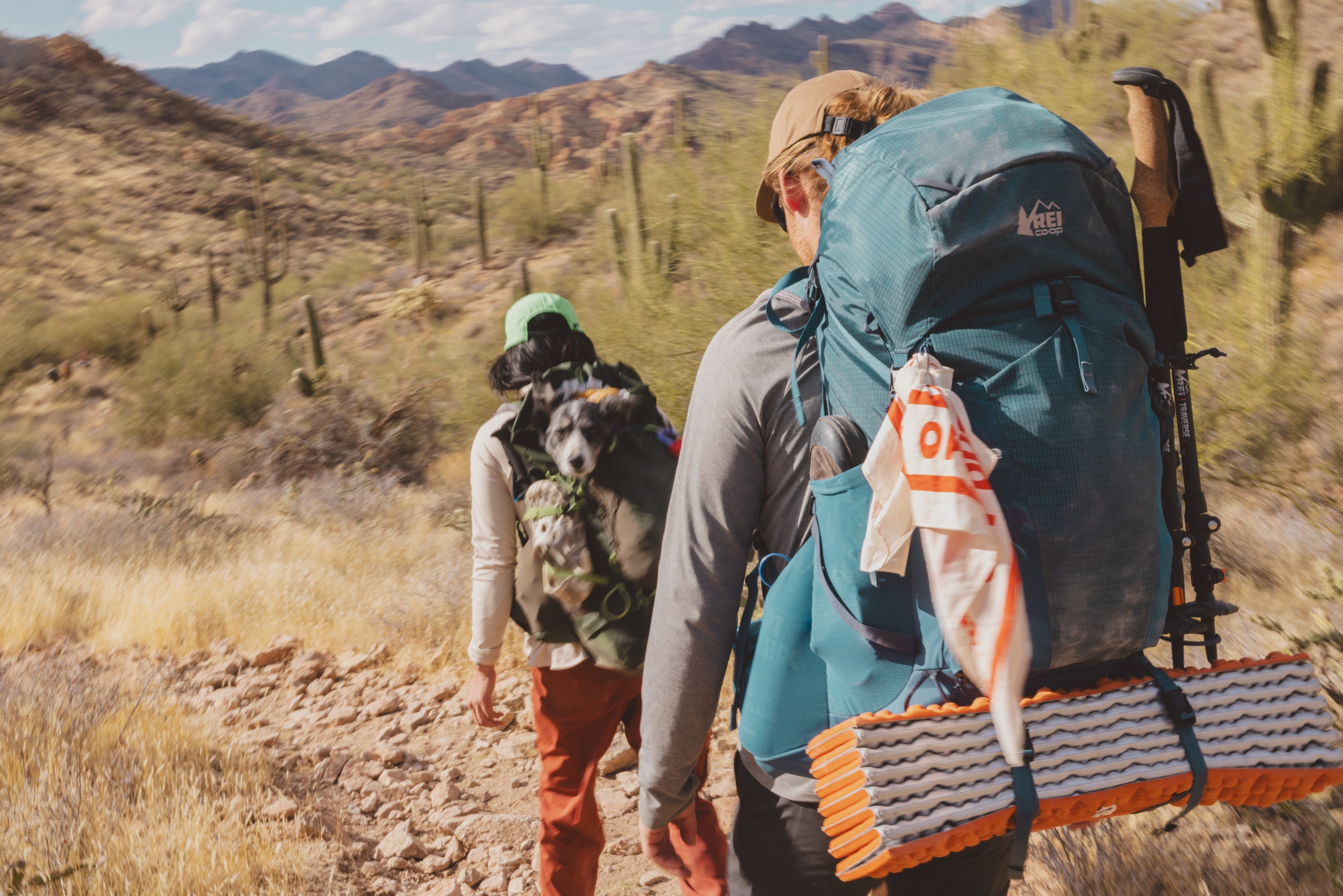
  • If you visit the desert, learn to identify cryptobiotic soil. It looks like dark crust, but it's very valuable to a desert ecosystem. Avoid stepping on it. In seconds one footprint can destroy a natural soil-stabilizing process that involves years of imperceptible growth.
  • Camp in established campsites whenever possible. Choose a location that conceals your presence from the sight of others.
  • Dispose of human waste far (at least 200 yards) from water sources and trails.
  • Use a camp stove rather than building fires.
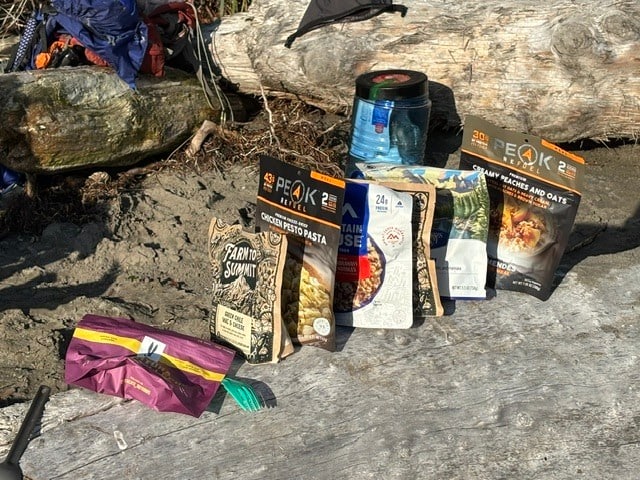
  • Keep your food away from wildlife, and never feed animals intentionally; it alters their natural foraging habits.
  • Take responsibility for your actions. Think of the overall good of the area, and those who will follow you. Your decisions will impact how others are able to enjoy the area you are visiting.
  • Take time to do it right. Minimum-impact backpacking techniques can take a little extra time and effort. Just keep reminding yourself that the payoff—a more enjoyable wilderness experience for everyone—is worth it. Make it your goal to Leave No Trace.

How are we doing? Give us feedback on this page.

  • Shopping Cart 
  • Log In or Register | 
  • Store Locator | 
  • 1-800-426-4840
  • Sign up for REI Gearmail®
  • Get a coupon for 15% off one full-price item.
  • Details.
  • Continue
  • Store Locator
  • Enter your ZIP code to locate a store near you.